וַיֵּ֣שֶׁב יַעֲקֹ֔ב בְּאֶ֖רֶץ מְגוּרֵ֣י אָבִ֑יו בְּאֶ֖רֶץ כְּנָֽעַן׃
Yaakov settled in the land of his father’s residence, in the land of Canaan.
אֵינֶ֨נּוּ גָד֜וֹל בַּבַּ֣יִת הַזֶּה֮ מִמֶּ֒נִּי֒ וְלֹֽא־חָשַׂ֤ךְ מִמֶּ֙נִּי֙ מְא֔וּמָה כִּ֥י אִם־אוֹתָ֖ךְ בַּאֲשֶׁ֣ר אַתְּ־אִשְׁתּ֑וֹ וְאֵ֨יךְ אֶֽעֱשֶׂ֜ה הָרָעָ֤ה הַגְּדֹלָה֙ הַזֹּ֔את וְחָטָ֖אתִי לֵֽאלֹהִֽים׃
No one in this house is greater than me. He has not withheld anything from me other than you, for you are his wife. How can I do such a great evil, and sin against God.
פרק שישי - בהפרש אשר בין החסיד המעולה ובין הכובש את יצרו והמושל בנפשו
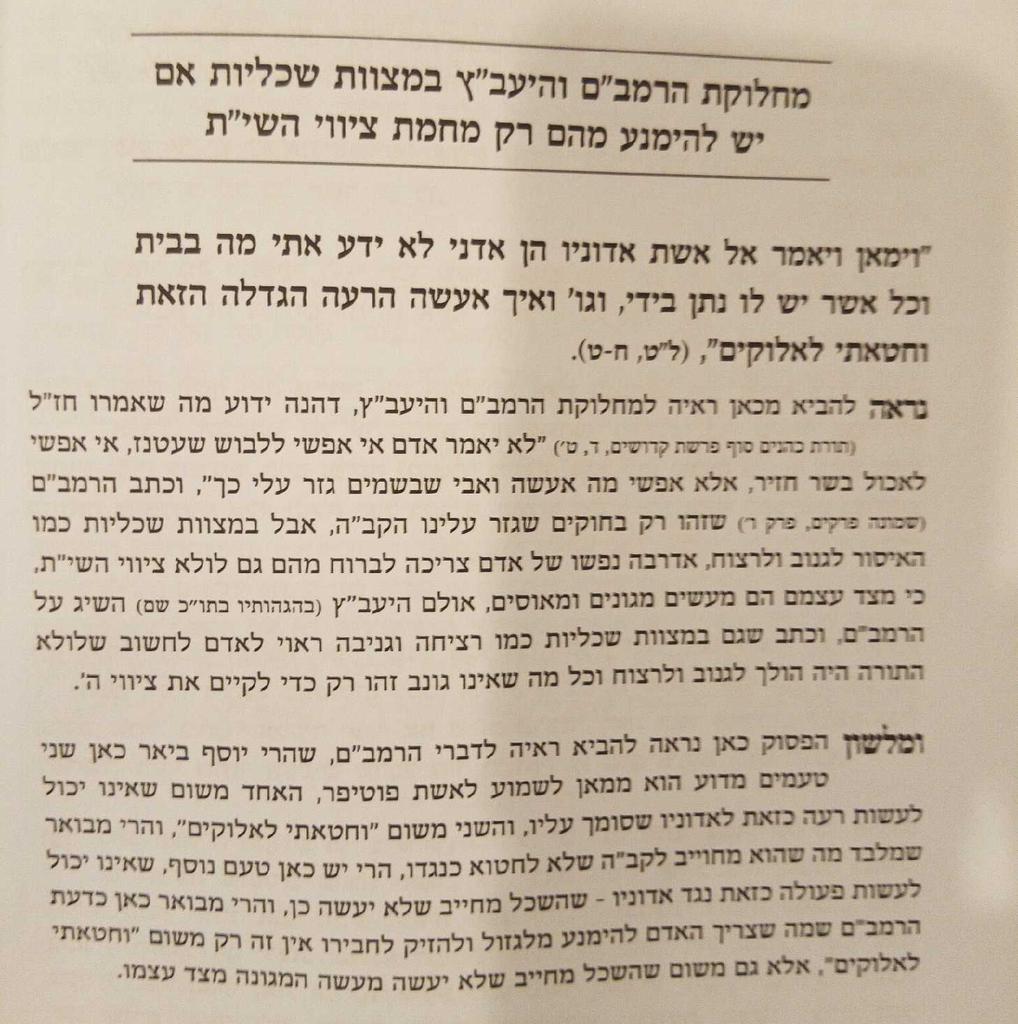
אמרו הפילוסופים: שהמושל בנפשו - אע"פ שעושה המעשים הטובים והחשובים - הוא עושה אותם והוא מתאוה אל הפעולות הרעות ונכסף אליהן ויכבוש את יצרו; ויחלוק עליו בפעולותיו, על מה שיעירוהו אליו כוחותיו ותאותו ותכונת נפשו ויעשה הטובות - והוא מצטער בעשיתם וניזוק. אבל החסיד - הוא שנמשך בפעולתו אחר מה שתעירהו תאותו ותכונתו; ויעשה הטובות - והוא מתאוה ונכסף אליהן. ובהסכמה מן הפילוסופים: שהחסיד יותר חשוב ויותר שלם מן המושל בנפשו. אבל אמרו: שהמושל בנפשו כחסיד בענינים רבים; ומעלתו למטה ממנו בהכרח, להיותו מתאוה לפועל הרע - אע"פ שאינו עושה אותו - מפני שתשוקתו לרע היא תכונה רעה בנפש. וכבר אמר שלמה המלך, ע"ה, כיוצא בזה: "נפש רשע אותה רע" (משלי כא, י). ואמר בשמחת החסיד במעשה הטוב, והצטער מי שאינו צדיק בעשיתה, זה המאמר: "שמחה לצדיק עשות משפט ומחיתה לפועלי און" (משלי כא, טו). זהו הנראה מדברי הנביאית נאות למה שזכרוהו הפילוסופים. וכאשר חקרנו דברי חכמים בזה הענין נמצא להם: שהמתאוה לעברות ונכסף אליהן - הוא יותר חשוב ויותר שלם, מאשר לא יתאוה אליהן ולא יצטער בהנחתן; עד שאמרו: שכל אשר יהיה האדם יותר חשוב ויותר שלם - תהיה תשוקתו לעברות והצטערו בהנחתן יותר גדול. והביאו בזה הדברים ואמרו: "כל הגדול מחברו יצרו גדול ממנו" (סוכה נב, א). ולא דים זה, עד שאמרו: ששכר המושל בנפשו גדול לפי רוב צערו במשלו בנפשו, ואמרו: "לפום צערא אגרא" (אבות ה, כג). ויותר מזה - שהם צוו להיות האדם מתאוה לעברות, והזהירו מלומר: שאני בטבעי לא אתאוה לזאת העברה, ואע"פ שלא אסרה התורה. והוא אמרם: "רבן שמעון בן גמליאל אומר: לא יואמר אדם אי אפשי לאכול בשר בחלב; אי אפשי ללבוש שעטנז; אי אפשי לבוא על הערוה, אלא: אפשי, ומה אעשה אבי בשמיים גזר עלי". ולפי המובן מפשוטי שני המאמרים בתחילת המחשבה הם סותרים זה את זה - ואין הענין כן; אבל שניהם אמת ואין מחלוקת ביניהם כלל. והוא: שהרעות אשר הן אצל הפילוסופים רעות, אשר אמרו: שמי שלא יתאוה אליהן יותר חשוב מן המתאוה אליהן ויכבוש את יצרו מהן - הם הענינים המפורסמים אצל כל בני האדם שהם "רעות": כשפיכות דמים, וגנבה, וגזלה, ואונאה, ולהזיק למי שלא הרע לו, ולגמול רע למיטיב לו, ולבזות אב ואם וכיוצא באלו. והן המצוות שאמרו עליהן החכמים, ז"ל: 'שאילו לא נכתבו ראויות הן לכתב' (יומא סז, ב). ויקראו אותן קצת מחכמינו האחרונים אשר חלו חולי המדברים: "מצוות שכליות", ואין ספק שהנפש אשר תכסוף לדבר מהם ותשתוקק אליו - שהיא חסרה; ושהנפש החשובה לא תתאוה לאחד מאללו הרעות כלל, ולא תצטער בהמנעה מהם. אבל הדברים שאמרו עליהם החכמים, שהכובש את יצרו מהם הוא יותר חשוב וגמולו יותר גדול - הם: "התורות השמעיות", וזה אמת: שאלמלא התורה לא היו רעות כלל. ומפני זה אמרו: שצריך האדם שיניח נפשו אוהבת אותן ולא יהיה לו מונע מהן רק התורה. ובחן חכמתם, ע"ה, ובמה שהמשילו. שהם לא אמרו: "אל יאמר אדם: אי אפשי להרוג הנפש; אי אפשי לגנוב; אי אפשי לכזב, אלא: אפשי, ומה אעשה אבי שבשמים גזר עלי"' אבל הביאו דברים "שמעיים" כולם: בשר בחלב, ולבישת שעטנז, ועריות. ואלו המצוות וכיוצא בהן, הן אשר קראן השם יתברך: "חוקות". ואמרו רבותינו, ז"ל: "חוקים שחקקתי לך - אין לך רשות להרהר בהם; ועובדי כוכבים משיבים עליהם, והשטן מקטרג בהם, כגון: פרה אדומה ושעיר המשתלח" וכו'. ואשר קראו אותן האחרונים: שכליות, יקראו: מצוות, כפי מה שבארו החכמים. הנה התבאר לך מכל מה שאמרנו איזו מן העברות יהיה מי שלא ישתוקק אליהן יותר חשוב מן המשתוקק אליהן וכובש יצרו מהן, ואיזו מהן יהיה הענין בהפך. וזה חידוש נפלא בהעמיד שני המאמרים; ולשונם מורה על אמיתת מה שבארנו. וכבר נשלמה כונת זה הפרק.
CHAPTER VICONCERNING THE DIFFERENCE BETWEEN THE SAINTLY [OR HIGHLY ETHICAL] MAN AND HIM WHO [SUBDUES HIS PASSIONS AND] HAS SELF-RESTRAINT
Philosophers maintain that though the man of self-restraint performs moral and praiseworthy deeds, yet he does them desiring and craving all the while for immoral deeds, but, subduing his passions and actively fighting against a longing to do those things to which his faculties, his desires, and his psychic disposition excite him, succeeds, though with constant vexation and irritation, in acting morally. The saintly man, however, is guided in his actions by that to which his inclination and disposition prompt him, in consequence of which he acts morally from innate longing and desire. Philosophers unanimously agree that the latter is superior to, and more perfect than, the one who has to curb his passions, although they add that it is possible for such a one to equal the saintly man in many regards. In general, however, he must necessarily be ranked lower in the scale of virtue, because there lurks within him the desire to do evil, and, though he does not do it, yet because his inclinations are all in that direction, it denotes the presence of an immoral psychic disposition. Solomon, also, entertained the same idea when he said, "The soul of the wicked desireth evil", and, in regard to the saintly man's rejoicing in doing good, and the discontent experienced by him, who is not innately righteous, when required to act justly, he says, “It is bliss to the righteous to do justice, but torment to the evil-doer”. This is manifestly an agreement between Scripture and philosophy. When, however, we consult the Rabbis on this subject, it would seem that they consider him who desires iniquity, and craves for it (but does not do it), more praiseworthy and perfect than the one who feels no torment at refraining from evil; and they even go so far as to maintain that the more praiseworthy and perfect a man is, the greater is his desire to commit iniquity, and the more irritation does he feel at having to desist from it. This they express by saying, “Whosoever is greater than his neighbor has likewise greater evil inclinations”. Again, as if this were not sufficient, they even go so far as to say that the reward of him who overcomes his evil inclination is commensurate with the torture occasioned by his resistance, which thought they express by the words, “According to the labor is the reward”. Furthermore, they command that man should conquer his desires, but they forbid one to say, “I, by my nature, do not desire to commit such and such a transgression, even though the Law does not forbid it”. Rabbi Simeon ben Gamaliel summed up this thought in the words, “Man should not say, ‘I do not want to eat meat together with milk; I do not want to wear clothes made of a mixture of wool and linen; I do not want to enter into an incestuous marriage’, but he should say, ‘I do indeed want to, yet I must not, for my father in Heaven has forbidden it’”. At first blush, by a superficial comparison of the sayings of the philosophers and the Rabbis, one might be inclined to say that they contradict one another. Such, however, is not the case. Both are correct and, moreover, are not in disagreement in the least, as the evils which the philosophers term such—and of which they say that he who has no longing for them is more to be praised than he who desires them but conquers his passion—are things which all people commonly agree are evils, such as the shedding of blood, theft, robbery, fraud, injury to one who has done no harm, ingratitude, contempt for parents, and the like. The prescriptions against these are called commandments (מצות), about which the Rabbis said, “If they had not already been written in the Law, it would be proper to add them”. Some of our later sages, who were infected with the unsound principles of the Mutakallimun, called these rational laws. There is no doubt that a soul which has the desire for, and lusts after, the above-mentioned misdeeds, is imperfect, that a noble soul has absolutely no desire for any such crimes, and experiences no struggle in refraining from them. When, however, the Rabbis maintain that he who overcomes his desire has more merit and a greater reward (than he who has no temptation), they say so only in reference to laws that are ceremonial prohibitions. This is quite true, since, were it not for the Law, they would not at all be considered transgressions. Therefore, the Rabbis say that man should permit his soul to entertain the natural inclination for these things, but that the Law alone should restrain him from them. Ponder over the wisdom of these men of blessed memory manifest in the examples they adduce. They do not declare, “Man should not say, ‘I have no desire to kill, to steal and to lie, but I have a desire for these things, yet what can I do, since my Father in heaven forbids it!’” The instances they cite are all from the ceremonial law, such as partaking of meat and milk together, wearing clothes made of wool and linen, and entering into consanguinuous marriages. These, and similar enactments are what God called “my statutes” (חקותי), which, as the Rabbis say are “statutes which I (God) have enacted for thee, which thou hast no right to subject to criticism, which the nations of the world attack and which Satan denounces, as for instance, the statutes concerning the red heifer, the scapegoat, and so forth”. Those transgressions, however, which the later sages called rational laws are termed commandments (מצות), as the Rabbis explained.
It is now evident from all that we have said, what the transgressions are for which, if a man have no desire at all, he is on a higher plane than he who has a longing, but controls his passion for them; and it is also evident what the transgressions are of which the opposite is true. It is an astonishing fact that these two classes of expressions should be shown to be compatible with one another, but their content points to the truth of our explanation. This ends the discussion of the subject-matter of this chapter.