Audio for this class
Welcome
Plan for this class
- About Pirkei Avot, Chapter 5
- Chapter 5 in the context of Pirkei Avot: A review of the tractate
- Numerical teachings in the Jewish Tradition
- Avot 5:7 Golem and Sage
- Avot 5:10 "What's mine is..."
- Summary and Future Learning
About Pirkei Avot, Chapter 5
- Tens (Mishnayot 1-6)
- Sevens (7-9)
- Fours (10-15)
- All/Every (16-19)
- (A group of four + a prayer) (20)
- Miscellaneous addition (21-23)
Chapter 5 in the context of Pirkei Avot: A review of the tractate
- 1-2:4a (beginning): Moses - Rabbi (and the next generation)
- 2:4b and on : [Moses]-Rabban Yochanan ben Zakkai and succeeding generations of Sages
- 3 Sages between Great Revolt (66-73) and Bar Kochba Revolt (132-135) - including R’ Yishmael and R’ Akiba
- 4 Sages after Bar Kochba (135-250) (‘renewal and reconstruction,’ Neusner, p. 90)
- 5 Anonymous, numbered teachings.
... יְהִי רָצוֹן מִלְּפָנֶיךָ יהוה אֱלֹהֵינוּ שֶׁתִּבְנֶה עִירְךָ בִּמְהֵרָה בְיָמֵינוּ וְתֵן חֶלְקֵנוּ בְתוֹרָתֶךָ:
Conclusion of Avot 5:20 - a prayer
May it be the will, O Lord our God, that your city be rebuilt speedily in our days and set our portion in the studying of your Torah.
Numerical Teachings in the Jewish Tradition

(יב) אַחַ֤ת ׀ דִּבֶּ֬ר אֱ-לֹהִ֗ים שְׁתַּֽיִם־ז֥וּ שָׁמָ֑עְתִּי כִּ֥י עֹ֝֗ז לֵֽא-לֹהִֽים׃
(12)One thing God has spoken;
two things have I heard:
that might belongs to God,
(ו) (שמות כ,ז) ["זָכוֹר אֶת יוֹם הַשַּׁבָּת לְקַדְּשׁוֹ."] "זָכוֹר" (דברים ה,יא) וְ"שָׁמוֹר", שְׁנֵיהֶם בְּדִבּוּר אֶחָד נֶאֶמְרוּ. ...
מַה שֶּׁאֵי אֶפְשָׁר לְאָדָם לוֹמַר כֵּן, שֶׁנֶּאֱמַר: (תהלים סב,יב) "אַחַת דִּבֶּר אֱ-לֹהִים, שְׁתַּיִם זוּ שָׁמָעְתִּי, כִּי עֹז לֵאלֹהִים." וְאוֹמֵר: (ירמיה כג,כט) "הֲלוֹא כֹה דְבָרִי, כָּאֵשׁ! נְאֻם י-ה-וה, וּכְפַטִּישׁ יְפֹצֵץ סָלַע."
(6) (Ibid. 20:8) "Remember the Sabbath day to sanctify it": "Remember" and "Keep" (the Sabbath day to sanctify it [Devarim 5:12]) were both stated in one pronouncement.
— something beyond the powers of a human being to say. As it is written (Psalms 62:12) "One thing has G–d spoken, these two have I heard." (Jeremiah 23:29) "Is My word not like fire, says the L–rd (and like a hammer shattering rock!")
(ו) כֹּ֚ה אָמַ֣ר י-ה-ו-ה עַל־שְׁלֹשָׁה֙ פִּשְׁעֵ֣י יִשְׂרָאֵ֔ל וְעַל־אַרְבָּעָ֖ה לֹ֣א אֲשִׁיבֶ֑נּוּ עַל־מִכְרָ֤ם בַּכֶּ֙סֶף֙ צַדִּ֔יק וְאֶבְי֖וֹן בַּעֲב֥וּר נַעֲלָֽיִם׃ (ז) הַשֹּׁאֲפִ֤ים עַל־עֲפַר־אֶ֙רֶץ֙ בְּרֹ֣אשׁ דַּלִּ֔ים וְדֶ֥רֶךְ עֲנָוִ֖ים יַטּ֑וּ וְאִ֣ישׁ וְאָבִ֗יו יֵֽלְכוּ֙ אֶל־הַֽנַּעֲרָ֔ה לְמַ֥עַן חַלֵּ֖ל אֶת־שֵׁ֥ם קׇדְשִֽׁי׃
In chapters 1 and 2 of Amos, the prophet refers to "three transgressions...four" of Damascus, Gaza, Tyre, Edom, Ammonites, Moab, Judah, and Israel.
(6) Thus said GOD:
For three transgressions of Israel, For four, I will not revoke the decree: Because they have sold for silver Those whose cause was just, And the needy for a pair of sandals. (7)[Ah,] you who trample the heads of the poor Into the dust of the ground, And make the humble walk a twisted course! Father and son go to the same woman, And thereby profane My holy name.
(יב) וּבַחֲמִשָּׁה֩ עָשָׂ֨ר י֜וֹם לַחֹ֣דֶשׁ הַשְּׁבִיעִ֗י מִֽקְרָא־קֹ֙דֶשׁ֙ יִהְיֶ֣ה לָכֶ֔ם כׇּל־מְלֶ֥אכֶת עֲבֹדָ֖ה לֹ֣א תַעֲשׂ֑וּ וְחַגֹּתֶ֥ם חַ֛ג לַי-הוה שִׁבְעַ֥ת יָמִֽים׃ (יג) וְהִקְרַבְתֶּ֨ם עֹלָ֜ה אִשֵּׁ֨ה רֵ֤יחַ נִיחֹ֙חַ֙ לַֽי-הוה פָּרִ֧ים בְּנֵי־בָקָ֛ר שְׁלֹשָׁ֥ה עָשָׂ֖ר אֵילִ֣ם שְׁנָ֑יִם כְּבָשִׂ֧ים בְּנֵֽי־שָׁנָ֛ה אַרְבָּעָ֥ה עָשָׂ֖ר תְּמִימִ֥ם יִהְיֽוּ׃
(12) On the fifteenth day of the seventh month, you shall observe a sacred occasion: you shall not work at your occupations.—Seven days you shall observe a festival of י-הוה.— (13) You shall present a burnt offering, an offering by fire of pleasing odor to י-הוה: Thirteen bulls of the herd, two rams, fourteen yearling lambs; they shall be without blemish.
(יז) וּבַיּ֣וֹם הַשֵּׁנִ֗י פָּרִ֧ים בְּנֵי־בָקָ֛ר שְׁנֵ֥ים עָשָׂ֖ר אֵילִ֣ם שְׁנָ֑יִם כְּבָשִׂ֧ים בְּנֵי־שָׁנָ֛ה אַרְבָּעָ֥ה עָשָׂ֖ר תְּמִימִֽם׃
(17)Second day: Twelve bulls of the herd, two rams, fourteen yearling lambs, without blemish;
(לא) וַיַּ֤רְא אֱ-לֹהִים֙ אֶת־כׇּל־אֲשֶׁ֣ר עָשָׂ֔ה וְהִנֵּה־ט֖וֹב מְאֹ֑ד וַֽיְהִי־עֶ֥רֶב וַֽיְהִי־בֹ֖קֶר י֥וֹם הַשִּׁשִּֽׁי׃ {פ}
(31) And God saw all that had been made, and found it very good. And there was evening and there was morning, the sixth day.
(א) וַיְכֻלּ֛וּ הַשָּׁמַ֥יִם וְהָאָ֖רֶץ וְכׇל־צְבָאָֽם׃ (ב) וַיְכַ֤ל אֱ-לֹהִים֙ בַּיּ֣וֹם הַשְּׁבִיעִ֔י מְלַאכְתּ֖וֹ אֲשֶׁ֣ר עָשָׂ֑ה וַיִּשְׁבֹּת֙ בַּיּ֣וֹם הַשְּׁבִיעִ֔י מִכׇּל־מְלַאכְתּ֖וֹ אֲשֶׁ֥ר עָשָֽׂה׃ (ג) וַיְבָ֤רֶךְ אֱ-לֹהִים֙ אֶת־י֣וֹם הַשְּׁבִיעִ֔י וַיְקַדֵּ֖שׁ אֹת֑וֹ כִּ֣י ב֤וֹ שָׁבַת֙ מִכׇּל־מְלַאכְתּ֔וֹ אֲשֶׁר־בָּרָ֥א אֱ-לֹהִ֖ים לַעֲשֽׂוֹת׃ {פ}
(1) The heaven and the earth were finished, and all their array. (2) On the seventh day God finished the work that had been undertaken: [God] ceased on the seventh day from doing any of the work. (3) And God blessed the seventh day and declared it holy—having ceased on it from all the work of creation that God had done.
Text: Avot 5:7 Golem and Sage
(ז) שִׁבְעָה דְבָרִים בַּגֹּלֶם וְשִׁבְעָה בֶחָכָם. חָכָם אֵינוֹ מְדַבֵּר בִּפְנֵי מִי שֶׁהוּא גָדוֹל מִמֶּנּוּ בְחָכְמָה וּבְמִנְיָן, וְאֵינוֹ נִכְנָס לְתוֹךְ דִּבְרֵי חֲבֵרוֹ, וְאֵינוֹ נִבְהָל לְהָשִׁיב, שׁוֹאֵל כָּעִנְיָן וּמֵשִׁיב כַּהֲלָכָה, וְאוֹמֵר עַל רִאשׁוֹן רִאשׁוֹן וְעַל אַחֲרוֹן אַחֲרוֹן, וְעַל מַה שֶּׁלֹּא שָׁמַע, אוֹמֵר לֹא שָׁמָעְתִּי, וּמוֹדֶה עַל הָאֱמֶת. וְחִלּוּפֵיהֶן בַּגֹּלֶם:
(7) [There are] seven things [characteristic] in a clod/גלם/golem, and seven in a wise man/חכם/chacham:
1,
A wise man does not speak before one who is greater than he in wisdom,
2. And does not break into his fellow’s speech;
3. And is not hasty to answer;
4. He asks what is relevant, and
he answers to the point;
5. And he speaks of the first [point] first, and of the last [point] last;
6. And concerning that which he has not heard, he says: I have not heard;
7. And he acknowledges the truth.
And the reverse of these [are characteristic] in a clod/גלם/golem.
גולם - כלי שלא נגמר קרוי גולם כדתנן גולמי כלי עץ טמאין:
גולם / Golem - a vessel that has not been finished is called a 'Golem,' as taught in the Mishnah (Kelim 12:8): "unfinished wooden vessels are susceptible of receiving ritual impurity."
(טו) לֹֽא־נִכְחַ֥ד עׇצְמִ֗י מִ֫מֶּ֥ךָּ אֲשֶׁר־עֻשֵּׂ֥יתִי בַסֵּ֑תֶר רֻ֝קַּ֗מְתִּי בְּֽתַחְתִּיּ֥וֹת אָֽרֶץ׃ (טז)גׇּלְמִ֤י׀ רָ֘א֤וּ עֵינֶ֗יךָ וְעַֽל־סִפְרְךָ֮ כֻּלָּ֢ם יִכָּ֫תֵ֥בוּ יָמִ֥ים יֻצָּ֑רוּ (ולא)[וְל֖וֹ] אֶחָ֣ד בָּהֶֽם׃
(15) My frame was not concealed from You
when I was shaped in a hidden place,
knit together in the recesses of the earth. (16) Your eyes saw my unformed limbs/ גלמי/'my golem';
they were all recorded in Your book;
in due time they were formed,
to the very last one of them.
אָמַר רַבִּי יוֹחָנָן בַּר חֲנִינָא: שְׁתֵּים עֶשְׂרֵה שָׁעוֹת הָוֵי הַיּוֹם. שָׁעָה רִאשׁוֹנָה – הוּצְבַּר עֲפָרוֹ, שְׁנִיָּה – נַעֲשָׂה גּוֹלֶם, שְׁלִישִׁית – נִמְתְּחוּ אֵבָרָיו, רְבִיעִית – נִזְרְקָה בּוֹ נְשָׁמָה, חֲמִישִׁית – עָמַד עַל רַגְלָיו, ...
Rabbi Yoḥanan bar Ḥanina says: Daytime is twelve hours long, and the day Adam the first man was created was divided as follows: In the first hour of the day, his dust was gathered. In the second, an undefined figure / גלם / golem was fashioned. In the third, his limbs were extended. In the fourth, a soul was cast into him. In the fifth, he stood on his legs. ...
רָבָא בְּרָא גַּבְרָא. שַׁדְּרֵיהּ לְקַמֵּיהּ דְּרַבִּי זֵירָא. הֲוָה קָא מִשְׁתַּעֵי בַּהֲדֵיהּ, וְלָא הֲוָה קָא מַהְדַּר לֵיהּ. אֲמַר לֵיהּ: מִן חַבְרַיָּא אַתְּ, הֲדַר לְעַפְרָיךְ.
Indeed, Rava created a man, a golem, using forces of sanctity. Rava sent his creation before Rabbi Zeira. Rabbi Zeira would speak to him but he would not reply. Rabbi Zeira said to him: You were created by one of the members of the group, one of the Sages. Return to your dust.
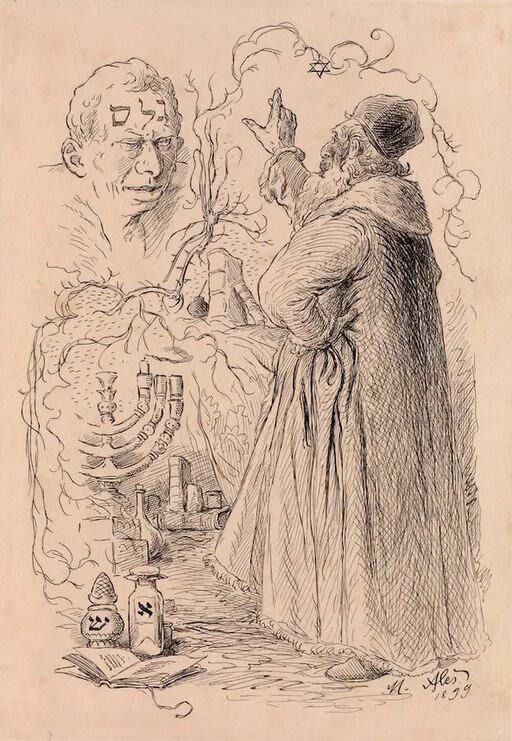
A golem (/ˈɡoʊləm/ GOH-ləm; Hebrew: גּוֹלֶם, romanized: gōlem) is an animated anthropomorphic being in Jewish folklore that is created entirely from inanimate matter, usually clay or mud. The most famous golem narrative involves Judah Loew ben Bezalel, the late-16th-century rabbi of Prague. According to Moment magazine, "the golem is a highly mutable metaphor with seemingly limitless symbolism. It can be a victim or villain, man or woman—or sometimes both. Over the centuries, it has been used to connote war, community, isolation, hope, and despair." - Wikipedia, "Golem."
Commentary of Rabbi Pinchas Kehati, pp. 156-7
There are four types of defective characters: the ignoramus — bur/בור, the empty —rek/רק, the unlearned - am ha-aretz/עם הארץ, and the boor - golem/גלם.
(1) The bur has no redeeming virtues, is devoid of intellectual and moral qualities, and potentially he is like a s'deh bur, a wasteland that cannot produce a crop even when sown, in the absence of prior cultivation. This the meaning of the statement: "An ignoramus cannot fear sin" Chapter 2:5).
(2) The rek, whilst inherently capable of moral attainment, has not learned nor been trained, just like a ploughed field which, had it been sown, would yield a harvest.
(3) The am ha-aretz' main preoccupation is with the needs of society, in the realm of trade and commerce, etc. whereby he acquires the conventional norms of behavior and social intercourse, but he lacks Torah and general intellectual refinement.
(4) The golem has studied, and has undergone moral and intellectual training, though imperfectly and unsystematically. Hence, he is unable to apply these correctly. He is thus called a golem, a term applied to a vessel which, whilst fully formed, lacks the finishing touch to be properly useful (Meiri, Maimonides).
Text: Avot 5:10 "What's mine is..."
(י) אַרְבַּע מִדּוֹת בָּאָדָם. הָאוֹמֵר שֶׁלִּי שֶׁלִּי וְשֶׁלְּךָ שֶׁלָּךְ, זוֹ מִדָּה בֵינוֹנִית. וְיֵשׁ אוֹמְרִים, זוֹ מִדַּת סְדוֹם. שֶׁלִּי שֶׁלְּךָ וְשֶׁלְּךָ שֶׁלִּי, עַם הָאָרֶץ. שֶׁלִּי שֶׁלְּךָ וְשֶׁלְּךָ שֶׁלָּךְ, חָסִיד. שֶׁלִּי שֶׁלִּי וְשֶׁלְּךָ שֶׁלִּי, רָשָׁע:
(10) There are four measures of human beings:
1. One that says: “mine is mine, and yours is yours”: this is an average measure; and some say this is the measure of Sodom.
2. [One that says:] “mine is yours and yours is mine”: is an unlearned person (am haaretz);
3. [One that says:] “mine is yours and yours is yours” is a pious person/חסיד/hasid.
4. [One that says:] “mine is mine, and yours is mine” is a wicked person.
- Mishnah 7 (our Mishnah): Attitudes toward property (mine/others')
- Mishnah 8: Temperaments (anger, capacity to be appeased)
- Mishnah 9: Students (quickness in learning; quality of memory)
- Mishnah 10: Attitudes towards charity (mine/others')
- Mishnah 11: Participation in learning (public/private)
- Mishnah 12: Students (capacity to absorb instruction)
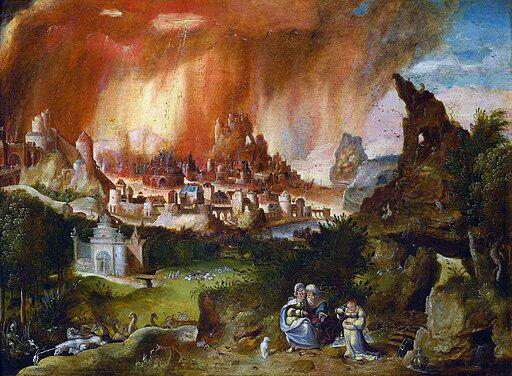
(מט) הִנֵּה־זֶ֣ה הָיָ֔ה עֲוֺ֖ן סְדֹ֣ם אֲחוֹתֵ֑ךְ גָּא֨וֹן שִׂבְעַת־לֶ֜חֶם וְשַׁלְוַ֣ת הַשְׁקֵ֗ט הָ֤יָה לָהּ֙ וְלִבְנוֹתֶ֔יהָ וְיַד־עָנִ֥י וְאֶבְי֖וֹן לֹ֥א הֶחֱזִֽיקָה׃ (נ) וַֽתִּגְבְּהֶ֔ינָה וַתַּעֲשֶׂ֥ינָה תוֹעֵבָ֖ה לְפָנָ֑י וָאָסִ֥יר אֶתְהֶ֖ן כַּאֲשֶׁ֥ר רָאִֽיתִי׃ {ס}
(49) Only this was the sin of your sister Sodom: arrogance! She and her daughters had plenty of bread and untroubled tranquility; yet she did not support the poor and the needy. (50) In their haughtiness, they committed abomination before Me; and so I removed them, as you saw.
... אָמַר רַבִּי לֵוִי אֲפִלּוּ אֲנִי מְבַקֵּשׁ לִשְׁתֹּק, דִּינָהּ שֶׁל רִיבָה אֵינוֹ מַנִּיחַ אוֹתִי לִשְׁתֹּק. מַעֲשֶׂה בִּשְׁתֵּי נְעָרוֹת שֶׁיָּרְדוּ לִשְׁתּוֹת וּלְמַלֹאת מַיִם, אָמְרָה אַחַת לַחֲבֶרְתָּה לָמָּה פָּנַיִךְ חוֹלָנִיּוֹת, אָמְרָה לָהּ כָּלוּ מְזוֹנוֹתֶיהָ וּכְבָר הִיא נְטוּיָה לָמוּת, מֶה עָשְׂתָה מִלְּאָה אֶת הַכַּד קֶמַח וְהֶחְלִיפוּ נָטְלָה זוֹ מַה שֶּׁבְּיַד זוֹ, וְכֵיוָן שֶׁהִרְגִּישׁוּ בָּהּ נְטָלוּהָ וְשָׂרְפוּ אוֹתָהּ,
אָמַר הַקָּדוֹשׁ בָּרוּךְ הוּא אֲפִלּוּ אֲנִי מְבַקֵּשׁ לִשְׁתֹּק, דִּינָהּ שֶׁל נַעֲרָה אֵינוֹ מֵנִיחַ אוֹתִי לִשְׁתֹּק, הֲדָא הוּא דִכְתִיב: הַכְּצַעֲקָתָהּ, הַכְּצַעֲקָתָם אֵינוֹ אוֹמֵר אֶלָּא הַכְּצַעֲקָתָהּ, וְאֵיזוֹ זוֹ דִּינָהּ שֶׁל נַעֲרָה. ...
(6)“I will descend now and see, if they [=the people of Sodom] have acted in accordance with its/her outcry that has reached me, destruction, and if not, I will know” (Genesis 18:21).
...
Rabbi Levi said: [God said:] ‘Even if I would want to keep silent, the plight of a certain girl does not allow me to be silent.’ There was an incident involving two girls who went down to drink and to draw water. One said to the other: ‘Why is your face so sickly?’ She said to her: ‘Her food supply is depleted and she is close to death [from starvation].’ What did she [the other girl] do? She filled her jug with flour and exchanged that jug for the jug that was in the hand of the other. When they realized what she had done, they took her and burned her.
The Holy One blessed be He said: ‘Even if I would want to keep silent, the plight of that girl does not allow me to be silent.’ That is what is written: “In accordance with her outcry.” It does not say: “In accordance with their outcry,” but rather, her outcry. Which is that? The plight of that girl. ...
Summary and Future Learning
Our classes in this course:
- Meeting the Mishnah - Avot 1:1
- Pre-Hasmonean Memories - 1:2
- From Pharisees to Rabbis - Hillel and Shammai - 1:14 and 2:6
- Aftermath of the Great Revolt (70s CE) - 2:8 and 2:9
- Rabbi Akiba and the Bar Kokhba Revolt (130s CE) - 3:14
- Rabbi Meir and Beruriah - 4:10
- Rabbi Shimon and Rabban Shimon ben Gamaliel - 4:13 and 1:18
- Rabbi (Judah the Prince) - 2:1
- Hellenistic Culture and Rome - Rabban Gamaliel III and Rabbi Hanania Deputy High Priest - 2:3, 1:10, and 3:2
- Anonymous and Numbered Teachings - 5:7 and 5:10
- Ch 1 - 1:1, 1:2, 1:10, 1:14, 1:18
- Ch 2 - 2:1, 2:2, 2:3, 2:6, 2:8 2:9
- Ch 3 - 3:2, 3:14
- Ch 4 - 4:10, 4:13
- Ch 5 - 5:7, 5:10, 5:17
Jewish Responses to Anti-Semitism Since the Enlightenment: Events, Ideas, Thinkers, and Movements