


- 1 וַיֵּרָ֤א אֵלָיו֙ ה׳ בְּאֵלֹנֵ֖י מַמְרֵ֑א וְה֛וּא יֹשֵׁ֥ב פֶּֽתַח־הָאֹ֖הֶל כְּחֹ֥ם הַיּֽוֹם׃
- 2 וַיִּשָּׂ֤א עֵינָיו֙ וַיַּ֔רְא וְהִנֵּה֙ שְׁלֹשָׁ֣ה אֲנָשִׁ֔ים נִצָּבִ֖ים עָלָ֑יו וַיַּ֗רְא וַיָּ֤רׇץ לִקְרָאתָם֙ מִפֶּ֣תַח הָאֹ֔הֶל וַיִּשְׁתַּ֖חוּ אָֽרְצָה׃
- 3 וַיֹּאמַ֑ר אדושם אִם־נָ֨א מָצָ֤אתִי חֵן֙ בְּעֵינֶ֔יךָ אַל־נָ֥א תַעֲבֹ֖ר מֵעַ֥ל עַבְדֶּֽךָ׃
- 4 יֻקַּֽח־נָ֣א מְעַט־מַ֔יִם וְרַחֲצ֖וּ רַגְלֵיכֶ֑ם וְהִֽשָּׁעֲנ֖וּ תַּ֥חַת הָעֵֽץ׃
- 5 וְאֶקְחָ֨ה פַת־לֶ֜חֶם וְסַעֲד֤וּ לִבְּכֶם֙ אַחַ֣ר תַּעֲבֹ֔רוּ כִּֽי־עַל־כֵּ֥ן עֲבַרְתֶּ֖ם עַֽל־עַבְדְּכֶ֑ם וַיֹּ֣אמְר֔וּ כֵּ֥ן תַּעֲשֶׂ֖ה כַּאֲשֶׁ֥ר דִּבַּֽרְתָּ׃
- 6 וַיְמַהֵ֧ר אַבְרָהָ֛ם הָאֹ֖הֱלָה אֶל־שָׂרָ֑ה וַיֹּ֗אמֶר מַהֲרִ֞י שְׁלֹ֤שׁ סְאִים֙ קֶ֣מַח סֹ֔לֶת ל֖וּשִׁי וַעֲשִׂ֥י עֻגֽוֹת׃
- 7 וְאֶל־הַבָּקָ֖ר רָ֣ץ אַבְרָהָ֑ם וַיִּקַּ֨ח בֶּן־בָּקָ֜ר רַ֤ךְ וָטוֹב֙ וַיִּתֵּ֣ן אֶל־הַנַּ֔עַר וַיְמַהֵ֖ר לַעֲשׂ֥וֹת אֹתֽוֹ׃
- 8 וַיִּקַּ֨ח חֶמְאָ֜ה וְחָלָ֗ב וּבֶן־הַבָּקָר֙ אֲשֶׁ֣ר עָשָׂ֔ה וַיִּתֵּ֖ן לִפְנֵיהֶ֑ם וְהֽוּא־עֹמֵ֧ד עֲלֵיהֶ֛ם תַּ֥חַת הָעֵ֖ץ וַיֹּאכֵֽלוּ׃
- 1 Hashem appeared to him in the plains of Mamrei and he was sitting at the door of the tent in the heat of the day.
- 2 He lifted his eyes and saw, and behold three men were standing over him. He saw [them], and ran from the door of the tent to greet them, and he bowed down to the earth.
- 3 He said, My Master(s), if I have found favor in Your eyes, please do not bypass your servant.
- 4 Let a bit of water be brought and wash your feet. Rest yourselves under the tree.
- 5 I will get bread and you will sustain your heart. Afterwards you will continue on your way, since you have passed by your servant.
- They said, Fine, do as you have said.
- 6 Avraham hurried to Sarah’s tent and said, Hurry! [take] three measures of the finest flour; knead it and make rolls.
- 7 Avraham ran to the cattle, and took a tender, choice calf. He gave it to the lad. and hurried to prepare it.
- 8 He took butter, milk, and the calf he had prepared, and set it before them. He stood over them under the tree, and they ate.
וירא אליו. לְבַקֵּר אֶת הַחוֹלֶה. אָמַר רַבִּי חָמָא בַּר חֲנִינָא, יוֹם שְׁלִישִׁי לְמִילָתוֹ הָיָה, וּבָא הַקָּבָּ"ה וְשָׁאַל בִּשְׁלוֹמוֹ (בבא מציעא פ"ו): באלוני ממרא. הוּא שֶׁנָּתַן לוֹ עֵצָה עַל הַמִּילָה, לְפִיכָךְ נִגְלָה עָלָיו בְּחֶלְקוֹ (בראשית רבה): יושב. ישב כְּתִיב, בִּקֵּשׁ לַעֲמֹד, אָמַר לוֹ הַקָּבָּ"ה שֵׁב וַאֲנִי אֶעֱמֹד, וְאַתָּה סִימָן לְבָנֶיךָ שֶׁעָתִיד אֲנִי לְהִתְיַצֵּב בַּעֲדַת הַדַּיָּנִים וְהֵן יוֹשְׁבִין, שֶׁנֶּאֱמַר אֱלֹקִים נִצָּב בַּעֲדַת אֵל (תהילים פ"ב) (בראשית רבה): פתח האהל. לִרְאוֹת אִם יֵשׁ עוֹבֵר וָשָׁב וְיַכְנִיסֵם בְּבֵיתוֹ: כחום היום. הוֹצִיא הַקָבָּ"ה חַמָּה מִנַּרְתִּיקָהּ, שֶׁלֹּא לְהַטְרִיחוֹ בְּאוֹרְחִים, וּלְפִי שֶׁרָאָהוּ מִצְטַעֵר שֶׁלֹּא הָיוּ אוֹרְחִים בָּאִים, הֵבִיא הַמַּלְאָכִים עָלָיו בִּדְמוּת אֲנָשִׁים (בבא מציעא שם): והנה שלשה אנשים. אֶחָד לְבַשֵּׂר אֶת שָׂרָה וְאֶחָד לַהֲפֹךְ אֶת סְדוֹם וְאֶחָד לְרַפְּאוֹת אֶת אַבְרָהָם, שֶׁאֵין מַלְאָךְ אֶחָד עוֹשֶׂה שְׁתֵּי שְׁלִיחֻיּוֹת (בראשית רבה). תֵּדַע לְךָ, שֶׁכֵּן כָּל הַפָּרָשָׁה הוּא מַזְכִּירָן בִּלְשׁוֹן רַבִּים וַיֹּאכֵלוּ, וַיֹּאמְרוּ אֵלָיו, וּבַבְּשׂוֹרָה נֶאֱמַר וַיֹּאמֶר שׁוֹב אָשׁוּב אֵלֶיךָ, וּבַהֲפִיכַת סְדוֹם הוּא אוֹמֵר כִּי לֹא אוּכַל לַעֲשׂוֹת דָּבָר לְבִלְתִּי הָפְכִּי, וּרְפָאֵל שֶׁרִפֵּא אֶת אַבְרָהָם הָלַךְ מִשָּׁם לְהַצִּיל אֶת לוֹט; הוּא שֶׁנֶּאֱמַר וַיְהִי כְהוֹצִיאָם אֹתָם הַחוּצָה וַיֹּאמֶר הִמָּלֵט עַל נַפְשֶׁךָ, לָמַדְתָּ שֶׁהָאֶחָד הָיָה מַצִּיל (בראשית רבה): נצבים עליו. לְפָנָיו, אֲבָל לָשׁוֹן נְקִיָּה הוּא כְּלַפֵּי הַמַּלְאָכִים: וירא. מַהוּ וַיַּרְא וַיַּרְא שְׁתֵּי פְעָמִים? הָרִאשׁוֹן כְּמַשְׁמָעוֹ וְהַשֵּׁנִי לְשׁוֹן הֲבָנָה, נִסְתַּכֵּל שֶׁהָיוּ נִצָּבִים בְּמָקוֹם אֶחָד וְהֵבִין שֶׁלֹּא הָיוּ רוֹצִים לְהַטְרִיחוֹ, וְאַף עַל פִּי שֶׁיּוֹדְעִים הָיוּ שֶׁיֵּצֵא לִקְרָאתָם עָמְדוּ בִמְקוֹמָם לְכְבוֹדוֹ, לְהַרְאוֹתוֹ שֶׁלֹּא רָצוּ לְהַטְרִיחוֹ, וְקָדַם הוּא וְרָץ לִקְרָאתָם, בְּבָבָא מְצִיעָא, כְתִיב נִצָּבִים עָלָיו, וּכְתִיב וַיָּרָץ לִקְרָאתָם? כַּד חַזְיוּהוּ דַּהֲוָה שָׁרֵי וְאָסַר פֵּרְשׁוּ הֵימֶנּוּ, מִיָּד וַיָּרָץ לִקְרָאתָם: ויאמר אדושם אם נא וגו'. לַגָּדוֹל שֶׁבָּהֶם אָמַר וּקְרָאָם כֻּלָּם אֲדוֹנִים וְלַגָּדוֹל אָמַר אַל נָא תַעֲבֹר, וְכֵיוָן שֶׁלֹּא יַעֲבֹר הוּא יַעַמְדוּ חֲבֵרָיו עִמּוֹ, וּבְלָשׁוֹן זֶה הוּא חֹל (שבועות ל"ה). דָּ"אַ קֹדֶשׁ הוּא, וְהָיָה אוֹמֵר לְהַקָּבָּ"ה לְהַמְתִּין לוֹ עַד שֶׁיָּרוּץ וְיַכְנִיס אֶת הָאוֹרְחִים וְאַעַ"פִּ שֶׁכָּתוּב אַחַר וַיָּרָץ לִקְרָאתָם, הָאֲמִירָה קֹדֶם לָכֵן הָיְתָה, וְדֶרֶךְ הַמִּקְרָאוֹת לְדַבֵּר כֵּן, כְּמוֹ שֶׁפֵּרַשְׁתִּי אֵצֶל לֹא יָדוֹן רוּחִי בָאָדָם, שֶׁנִּכְתַּב אַחַר וַיּוֹלֶד נֹחַ, וְאִי אֶפְשַׁר לוֹמַר אֶלָּא שֶׁהָיְתָה הַגְּזֵרָה קֹדֶם לַלֵּדָה כ' שָׁנָה, וּשְׁתֵּי הַלְּשׁוֹנוֹת בִּבְ"רַ: יקח נא. עַל יְדֵי שָׁלִיחַ, וְהַקָּבָּ"ה שִׁלֵּם לְבָנָיו עַל יְדֵי שָׁלִיחַ, שֶׁנֶּאֱמַר וַיָּרֶם מֹשֶׁה אֶת יָדוֹ וַיַּךְ אֶת הַסֶּלַע (במדבר כ'):
[He] appeared to him. To visit the sick person. R. Chama bar Chanina said: It was the third day since his circumcision and God came to inquire about his welfare.
In the groves of Mamrei. He [Mamrei] advised him regarding the circumcision. Therefore, He appeared to him [Avraham] in his [Mamrei’s] territory.
At the door of the tent. To see if there are any passers by that he might invite into his home.
In the heat of the day. God brought the sun out of its sheath so that he would not be burdened by travelers. But, when He saw that he [Avraham] was grieved that no travelers were coming, He brought the angels to him in the guise of men.
He saw [them]. Why is וַיַּרְא written twice [in this verse]? The first is as it seems [i.e., and saw], whereas, the second means “understanding:” he saw them remain standing in one place and he understood that they did not wish to trouble him. He then quickly ran towards them.
In Bava Metzia [there is another explanation]: First it says: “Standing over him” and then it says: “He ran to greet them.” [The answer is:] when they saw him as he was untying and tying [his bandages] they distanced themselves from him. Immediately, “He ran to greet them.”
He said, “My master, if … He was speaking to their leader and referred to them all as “masters.” And to the leader he said, “Please do not bypass,” because if he will not pass by his associates will remain with him. In this explanation it [אֲדֹנָי] is profane.
An alternate explanation: It [אֲדֹנָי] is holy [referring to God] and he [Avraham] was telling God to wait for him until he will run and invite the travelers to come in.
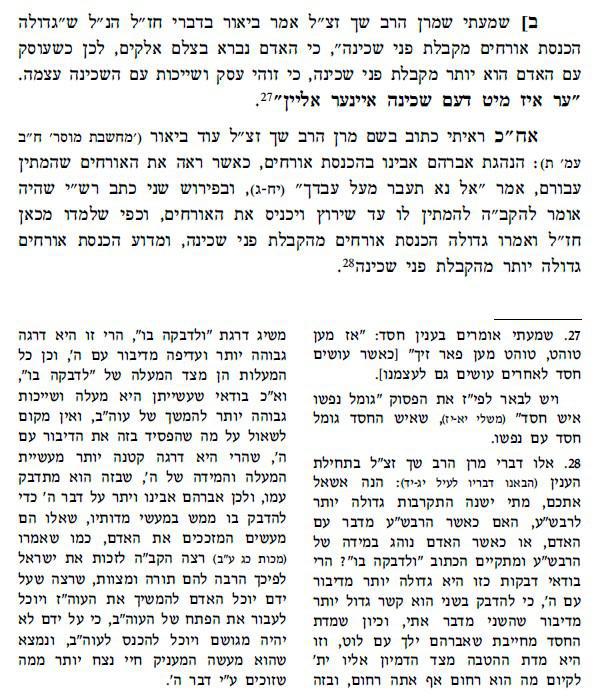
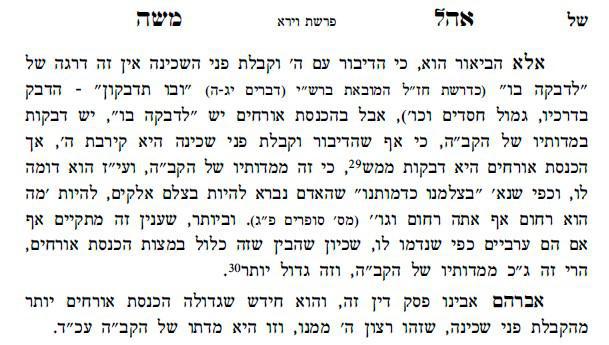
אָמַר רַב: גְּדוֹלָה הַכְנָסַת אוֹרְחִין מֵהַקְבָּלַת פְּנֵי שְׁכִינָה, דִּכְתִיב: ״וַיֹּאמַר ה׳ אִם נָא מָצָאתִי חֵן בְּעֵינֶיךָ אַל נָא תַעֲבֹר וְגוֹ׳״.
Hospitality toward guests is greater than receiving the Divine Presence, as when Abraham invited his guests it is written: “And he said: Lord, if now I have found favor in Your sight, please pass not from Your servant” (Genesis 18:3). Abraham requested that God, the Divine Presence, wait for him while he tended to his guests appropriately.
אַחֲרֵ֨י ה׳ אֱלֹקֵיכֶ֛ם תֵּלֵ֖כוּ וְאֹת֣וֹ תִירָ֑אוּ וְאֶת־מִצְוֺתָ֤יו תִּשְׁמֹ֙רוּ֙ וּבְקֹל֣וֹ תִשְׁמָ֔עוּ וְאֹת֥וֹ תַעֲבֹ֖דוּ וּב֥וֹ תִדְבָּקֽוּן׃
After Hashem, your God, are you to go, fear Him, keep His commandments, heed His voice, serve Him, and cling to Him.
ובו תדבקון. הִדַּבֵּק בִּדְרָכָיו – גְּמֹל חֲסָדִים, קְבֹר מֵתִים, בַּקֵּר חוֹלִים, כְּמוֹ שֶׁעָשָׂה הַקָּבָּ"ה (סוטה י"ד):
ובו תדבקון -AND TO HIM YE SHALL CLING— i.e. cling to His ways: do kindly actions, bury the dead, visit the sick, as did the Holy One, blessed be He (Sotah 14a).
וְאָמַר רַבִּי חָמָא בְּרַבִּי חֲנִינָא, מַאי דִּכְתִיב: ״אַחֲרֵי ה׳ אֱלֹקֵיכֶם תֵּלֵכוּ״,
וְכִי אֶפְשָׁר לוֹ לְאָדָם לְהַלֵּךְ אַחַר שְׁכִינָה? וַהֲלֹא כְּבָר נֶאֱמַר ״כִּי ה׳ אֱלֹקֶיךָ אֵשׁ אוֹכְלָה הוּא״!
אֶלָּא, לְהַלֵּךְ אַחַר מִדּוֹתָיו שֶׁל הַקָּדוֹשׁ בָּרוּךְ הוּא:
מָה הוּא מַלְבִּישׁ עֲרוּמִּים, דִּכְתִיב: ״וַיַּעַשׂ ה׳ אֱלֹקִים לְאָדָם וּלְאִשְׁתּוֹ כׇּתְנוֹת עוֹר וַיַּלְבִּשֵׁם״ — אַף אַתָּה הַלְבֵּשׁ עֲרוּמִּים.
הַקָּדוֹשׁ בָּרוּךְ הוּא בִּיקֵּר חוֹלִים, דִּכְתִיב: ״וַיֵּרָא אֵלָיו ה׳ בְּאֵלֹנֵי מַמְרֵא״ — אַף אַתָּה בַּקֵּר חוֹלִים.
הַקָּדוֹשׁ בָּרוּךְ הוּא נִיחֵם אֲבֵלִים, דִּכְתִיב: ״וַיְהִי אַחֲרֵי מוֹת אַבְרָהָם וַיְבָרֶךְ אֱלֹקִים אֶת יִצְחָק בְּנוֹ״ — אַף אַתָּה נַחֵם אֲבֵלִים.
הַקָּדוֹשׁ בָּרוּךְ הוּא קָבַר מֵתִים, דִּכְתִיב: ״וַיִּקְבֹּר אוֹתוֹ בַּגַּי״ — אַף אַתָּה קְבוֹר מֵתִים....
And Rabbi Ḥama, son of Rabbi Ḥanina, says:
What is the meaning of that which is written: “After the Lord your God shall you walk... (Deuteronomy 13:5)?
Is it actually possible for a person to follow the Divine Presence? But hasn’t it already been stated: “For the Lord your God is a devouring fire...” (Deuteronomy 4:24), and one cannot approach fire. He explains:
Rather, the meaning is that one should follow the attributes of the Holy One, Blessed be He.
Just as He clothes the naked, as it is written: “And the Lord God made for Adam and for his wife garments of skin, and clothed them” (Genesis 3:21), so too, should you clothe the naked.
Just as the Holy One, Blessed be He, visits the sick, as it is written with regard to God’s appearing to Abraham following his circumcision: “And the Lord appeared unto him by the plains of Mamre” (Genesis 18:1), so too, should you visit the sick.
Just as the Holy One, Blessed be He, consoles mourners, as it is written: “And it came to pass after the death of Abraham, that God blessed Isaac his son” (Genesis 25:11), so too, should you console mourners.
Just as the Holy One, Blessed be He, buried the dead, as it is written: “And he was buried in the valley in the land of Moab” (Deuteronomy 34:6), so too, should you bury the dead.
הַקָּדוֹשׁ בָּרוּךְ הוּא מֵשִׁיב רוּחוֹת, וּמַעֲלֶה נְשִׂיאִים, וּמוֹרִיד מָטָר, וּמַצְמִיחַ אֲדָמָה, וְעוֹרֵךְ שׁוּלְחָן לִפְנֵי כׇּל אֶחָד וְאֶחָד
The Holy One, Blessed be He, makes the winds blow, and raises the clouds, and brings the rain, and causes the earth to sprout, and sets a table before each and every creature.
אָמַר רַב יְהוּדָה אָמַר רַב: כׇּל מַה שֶּׁעָשָׂה אַבְרָהָם לְמַלְאֲכֵי הַשָּׁרֵת בְּעַצְמוֹ – עָשָׂה הַקָּדוֹשׁ בָּרוּךְ הוּא לְבָנָיו בְּעַצְמוֹ. וְכׇל מַה שֶּׁעָשָׂה אַבְרָהָם עַל יְדֵי שָׁלִיחַ – עָשָׂה הַקָּדוֹשׁ בָּרוּךְ הוּא לְבָנָיו עַל יְדֵי שָׁלִיחַ. ״וְאֶל הַבָּקָר רָץ אַבְרָהָם״, ״וְרוּחַ נָסַע מֵאֵת ה׳״. ״וַיִּקַּח חֶמְאָה וְחָלָב״, ״הִנְנִי מַמְטִיר לָכֶם לֶחֶם מִן הַשָּׁמָיִם״. ״וְהוּא עֹמֵד עֲלֵיהֶם תַּחַת הָעֵץ״, ״הִנְנִי עֹמֵד לְפָנֶיךָ שָּׁם עַל הַצּוּר [וְגוֹ׳]״. ״וְאַבְרָהָם הֹלֵךְ עִמָּם לְשַׁלְּחָם״, ״וַה׳ הֹלֵךְ לִפְנֵיהֶם יוֹמָם״. ״יֻקַּח נָא מְעַט מַיִם״, ״וְהִכִּיתָ בַצּוּר וְיָצְאוּ מִמֶּנּוּ מַיִם וְשָׁתָה הָעָם״.
Rav Yehuda says that Rav says: Every action that Abraham performed himself for the ministering angels, the Holy One, Blessed be He, performed Himself forAbraham’s descendants. And every action that Abraham performed through a messenger, the Holy One, Blessed be He, likewise performed for his descendants through a messenger.The Gemara elaborates: With regard to Abraham, the verse states: “And Abraham ran to the herd” (Genesis 18:7), bringing the meat himself, and in reference to God’s actions for Abraham’s descendants the verse states: “And there went forth a wind from the Lord, and brought across quails from the sea” (Numbers 11:31), that God brought meat to them. In reference to Abraham, the verse states: “And he took curd and milk” (Genesis 18:8), and God says to the Jewish people: “Behold, I will cause to rain bread from heaven for you” (Exodus 16:4), which shows that God gave food to the Jewish people. With regard to Abraham, the verse states: “And he stood by them under the tree, and they ate” (Genesis 18:8), and in reference to God, the verse states: “Behold, I will stand before you there upon the rock in Horeb; and you shall strike the rock, and there shall come water out of it” (Exodus 17:6). In the case of Abraham it is written: “And Abraham went with them to bring them on the way” (Genesis 18:16), and the verse states: “And the Lord went before them by day” (Exodus 13:21). By contrast, Abraham performed certain actions through an agent. He said: “Let now a little water be fetched” (Genesis 18:4), and correspondingly the verse states in reference to Moses, God’s messenger: “And you shall strike the rock, and there shall come water out of it, that the people may drink” (Exodus 17:6).
It was a tremendous sight, something remarkable to witness: וְהוּא יֹשֵׁב פֶּתַח הָאֹהֶל כְּחֹם הַיּוֹם – “Avraham was sitting at the entrance of the tent in the heat of the day” (Bereishis 18:1). The possuk here is relating to us about an extraordinarily hot day in Eretz Cana’an, and Avraham Avinu, a ninety-nine year old man recovering from a bris milah, is sitting near the door of his tent waiting; he’s bandaging his wound and he’s looking out for wayfarers who may be in need of some shade or a meal.
Now, there’s no doubt that had we been standing there watching Avraham we would have considered his actions excessive – and I use the word excessive in deference to our own honor. Chesed is wonderful, we say, but to be so wild, so extreme about it?! It seems to be too much.
Now, such a madreigah, such a level of service of Hashem, doesn’t grow on its own. It was only after many years of thought that Avraham arrived at such a level of avodas Hashem. Avraham Avinu was a great student of nature. He studied everything! All of the details of Creation that we take for granted, everything that we ignore, Avraham thought about.
As Avraham made his way in this world, he took notice of the endless variety of tastes available to mankind. Avraham knew that man could exist quite well without pepper, ginger and cinnamon. “Why then,” asked Avraham, “did Hashem plant in His world cloves, and saffron, and sage, and mustard and all the multitude of spices? It’s seems so superfluous; we could do just fine without the endless variety.”
Now, I know that when I say these words it doesn’t register in our minds; it seems like an exaggeration. And that’s because we don’t spend time thinking like Avraham did. We almost never make time to think about the chesed Hashem that is so abundant in His creation. But Avraham was a seeker, a giant thinker, and when he looked around at Hashem’s world he saw a world of kindliness; he saw chesed everywhere. Every detail he observed pointed in one direction: Not only is there a Creator, but that the Creator is a Chafeitz Chesed whose sole intention is to bestow happiness on Mankind.
“Even the colors are a chesed,” thought Avraham. “What was the Creator’s purpose in making apples red?” If Hashem had made apples the same bland color as potatoes, people would still eat them. What can you do if you have nothing better to eat? A bland colored apple can also taste sweet. Do oranges have to become a golden yellow? Why can’t they remain colorless?”
Now, when Avraham recognized this, he came to a life-changing conclusion: “Everyone knows,” said Avraham, “That Hakodosh Boruch Hu is יֹשֵׁב בְּסֵתֶר – He sits in concealment (Tehillim 91:1). That means that He doesn’t show Mankind anything of Himself; He’s entirely invisible. “But,” said Abraham, “There’s one thing that He does show of Himself – He shows us His chesed! That’s what we see of Him. Creation is filled with an endless list of useful and pleasurable objects and processes that fill our lives with all forms of enjoyment.”
“At least one thing I know about Hashem,” said Avraham, “That He desires kindliness, כִּי חָפֵץ חֶסֶד הוּא (Michah 7:18). And that’s what Avraham came along and taught the world: “The ways of Hakodosh Boruch Hu are not hidden. It’s no secret; they are open in the world. On all sides you can see the great principle that He is a Chafeitz Chesed. There is nothing in the world that is more conspicuous than this demonstration, that Hashem wishes to do kindness to mankind.” And therefore Avraham saw that the most prominent attribute of Hashem is that He’s a אֵ-ל חֶסֶד, He’s a G-d of kindliness.
Avraham saw that Hashem had created trees so to provide food and shade for mankind, so he got busy planting trees. וַיִּטַּע אֶשֶׁל בִּבְאֵר שָׁבַע – He planted an orchard in Be’er Sheva and invited the guests to enjoy the chesed (Vayera 21:33). And when Avraham drank a refreshing cup of water, he thought about the chesed Hashem and he looked to do that chesed with others as well. יֻקַּח נָא מְעַט מַיִם וְרַחֲצוּ רַגְלֵיכֶם – Take some water, he told all of his guests, and wash yourselves off and refresh yourselves with a cup of water.
He saw that the trunk of a tree was a chesed Hashem; a place to lean back and rest one’s weary body, and so he offered his tree as a place to rest: וְהִשָּׁעֲנוּ תַּחַת הָעֵץ – Please rest here under the tree, he said (ibid. 18:3). And because Hashem was giving the world bread and butter and milk and meat, so Avraham didn’t only lend his visitors the real estate under his trees. וְאֶקְחָה פַת לֶחֶם וְסַעֲדוּ לִבְּכֶם — “Lean back and relax while I bring you some food to eat,” he said, and he got busy feeding his guests.
When Avraham was encouraged by a comfortable breeze, a nice spring day, so he said, “That’s a lesson from Hashem.” You know, a nice breeze is like a Tosfos; it’s teaching you something. And Avraham didn’t skip over that Tosfos. He said, “I’m also going to be a me’odeid anavim. I’m going to encourage people, and make them feel good, make them happy, like Hashem does.” Wherever Avraham was, it was oz v’chedvah, encouragement and simchah, just like b’mkomo, in the place of Hashem.