


(א) וַיְדַבֵּ֥ר יהוה אֶל־מֹשֶׁ֥ה לֵּאמֹֽר׃ (ב) דַּבֵּ֞ר אֶל־בְּנֵ֣י יִשְׂרָאֵל֮ לֵאמֹר֒ נֶ֗פֶשׁ כִּֽי־תֶחֱטָ֤א בִשְׁגָגָה֙ מִכֹּל֙ מִצְוֺ֣ת יהוה אֲשֶׁ֖ר לֹ֣א תֵעָשֶׂ֑ינָה וְעָשָׂ֕ה מֵאַחַ֖ת מֵהֵֽנָּה׃ (ג) אִ֣ם הַכֹּהֵ֧ן הַמָּשִׁ֛יחַ יֶחֱטָ֖א לְאַשְׁמַ֣ת הָעָ֑ם וְהִקְרִ֡יב עַ֣ל חַטָּאתוֹ֩ אֲשֶׁ֨ר חָטָ֜א פַּ֣ר בֶּן־בָּקָ֥ר תָּמִ֛ים לַיהוה לְחַטָּֽאת׃ (ד) וְהֵבִ֣יא אֶת־הַפָּ֗ר אֶל־פֶּ֛תַח אֹ֥הֶל מוֹעֵ֖ד לִפְנֵ֣י יהוה וְסָמַ֤ךְ אֶת־יָדוֹ֙ עַל־רֹ֣אשׁ הַפָּ֔ר וְשָׁחַ֥ט אֶת־הַפָּ֖ר לִפְנֵ֥י יהוה׃ (ה) וְלָקַ֛ח הַכֹּהֵ֥ן הַמָּשִׁ֖יחַ מִדַּ֣ם הַפָּ֑ר וְהֵבִ֥יא אֹת֖וֹ אֶל־אֹ֥הֶל מוֹעֵֽד׃ (ו)וְטָבַ֧ל הַכֹּהֵ֛ן אֶת־אֶצְבָּע֖וֹ בַּדָּ֑ם וְהִזָּ֨ה מִן־הַדָּ֜ם שֶׁ֤בַע פְּעָמִים֙ לִפְנֵ֣י יהוה אֶת־פְּנֵ֖י פָּרֹ֥כֶת הַקֹּֽדֶשׁ׃ (ז) וְנָתַן֩ הַכֹּהֵ֨ן מִן־הַדָּ֜ם עַל־קַ֠רְנ֠וֹת מִזְבַּ֨ח קְטֹ֤רֶת הַסַּמִּים֙ לִפְנֵ֣י יהוה אֲשֶׁ֖ר בְּאֹ֣הֶל מוֹעֵ֑ד וְאֵ֣ת ׀ כׇּל־דַּ֣ם הַפָּ֗ר יִשְׁפֹּךְ֙ אֶל־יְסוֹד֙ מִזְבַּ֣ח הָעֹלָ֔ה אֲשֶׁר־פֶּ֖תַח אֹ֥הֶל מוֹעֵֽד׃ (ח) וְאֶת־כׇּל־חֵ֛לֶב פַּ֥ר הַֽחַטָּ֖את יָרִ֣ים מִמֶּ֑נּוּ אֶת־הַחֵ֙לֶב֙ הַֽמְכַסֶּ֣ה עַל־הַקֶּ֔רֶב וְאֵת֙ כׇּל־הַחֵ֔לֶב אֲשֶׁ֖ר עַל־הַקֶּֽרֶב׃ (ט) וְאֵת֙ שְׁתֵּ֣י הַכְּלָיֹ֔ת וְאֶת־הַחֵ֙לֶב֙ אֲשֶׁ֣ר עֲלֵיהֶ֔ן אֲשֶׁ֖ר עַל־הַכְּסָלִ֑ים וְאֶת־הַיֹּתֶ֙רֶת֙ עַל־הַכָּבֵ֔ד עַל־הַכְּלָי֖וֹת יְסִירֶֽנָּה׃ (י) כַּאֲשֶׁ֣ר יוּרַ֔ם מִשּׁ֖וֹר זֶ֣בַח הַשְּׁלָמִ֑ים וְהִקְטִירָם֙ הַכֹּהֵ֔ן עַ֖ל מִזְבַּ֥ח הָעֹלָֽה׃ (יא) וְאֶת־ע֤וֹר הַפָּר֙ וְאֶת־כׇּל־בְּשָׂר֔וֹ עַל־רֹאשׁ֖וֹ וְעַל־כְּרָעָ֑יו וְקִרְבּ֖וֹ וּפִרְשֽׁוֹ׃ (יב) וְהוֹצִ֣יא אֶת־כׇּל־הַ֠פָּ֠ר אֶל־מִח֨וּץ לַֽמַּחֲנֶ֜ה אֶל־מָק֤וֹם טָהוֹר֙ אֶל־שֶׁ֣פֶךְ הַדֶּ֔שֶׁן וְשָׂרַ֥ף אֹת֛וֹ עַל־עֵצִ֖ים בָּאֵ֑שׁ עַל־שֶׁ֥פֶךְ הַדֶּ֖שֶׁן יִשָּׂרֵֽף׃
(1)יהוה spoke to Moses, saying: (2) Speak to the Israelite people thus: When a person unwittingly incurs guilt in regard to any of יהוה’s commandments about things not to be done, and does one of them— (3) If it is the anointed priest who has incurred guilt, so that blame falls upon the people, he shall offer for the sin of which he is guilty a bull of the herd without blemish as a sin offering to יהוה. (4) He shall bring the bull to the entrance of the Tent of Meeting, before יהוה, and lay a hand upon the head of the bull. The bull shall be slaughtered before יהוה, (5) and the anointed priest shall take some of the bull’s blood and bring it into the Tent of Meeting. (6) The priest shall dip his finger in the blood, and sprinkle of the blood seven times before יהוה, in front of the curtain of the Shrine. (7) The priest shall put some of the blood on the horns of the altar of aromatic incense, which is in the Tent of Meeting, before יהוה; and all the rest of the bull’s blood he shall pour out at the base of the altar of burnt offering, which is at the entrance of the Tent of Meeting. (8) He shall remove all the fat from the bull of sin offering: the fat that covers the entrails and all the fat that is about the entrails; (9) the two kidneys and the fat that is on them, that is at the loins; and the protuberance on the liver, which he shall remove with the kidneys— (10) just as it is removed from the ox of the sacrifice of well-being. The priest shall turn them into smoke on the altar of burnt offering. (11) But the hide of the bull, and all its flesh, as well as its head and legs, its entrails and its dung— (12) all the rest of the bull—he shall carry to a pure place outside the camp, to the ash heap, and burn it up in a wood fire; it shall be burned on the ash heap. (13) If it is the community leadership of Israel that has erred and the matter escapes the notice of the congregation, so that they do any of the things which by יהוה’s commandments ought not to be done, and they realize guilt— (14) when the sin through which they incurred guilt becomes known, the congregation shall offer a bull of the herd as a sin offering, and bring it before the Tent of Meeting. (15) The elders of the community shall lay their hands upon the head of the bull before יהוה, and the bull shall be slaughtered before יהוה. (16) The anointed priest shall bring some of the blood of the bull into the Tent of Meeting, (17) and the priest shall dip his finger in the blood and sprinkle of it seven times before יהוה, in front of the curtain. (18) Some of the blood he shall put on the horns of the altar which is before יהוה in the Tent of Meeting, and all the rest of the blood he shall pour out at the base of the altar of burnt offering, which is at the entrance of the Tent of Meeting. (19) He shall remove all its fat from it and turn it into smoke on the altar. (20) He shall do with this bull just as is done with the [priest’s] bull of sin offering; he shall do the same with it. The priest shall thus make expiation for them, and they shall be forgiven. (21) He shall carry the bull outside the camp and burn it as he burned the first bull; it is the sin offering of the congregation. (22) In case it is a chieftain who incurs guilt by doing unwittingly any of the things which by the commandment of his God יהוה ought not to be done, and he realizes guilt— (23) or the sin of which he is guilty is made known—he shall bring as his offering a male goat without blemish. (24) He shall lay a hand upon the goat’s head, and it shall be slaughtered at the spot where the burnt offering is slaughtered before יהוה; it is a sin offering. (25) The priest shall take with his finger some of the blood of the sin offering and put it on the horns of the altar of burnt offering; and the rest of its blood he shall pour out at the base of the altar of burnt offering. (26) All its fat he shall turn into smoke on the altar, like the fat of the sacrifice of well-being. The priest shall thus make expiation on his behalf for his sin, and he shall be forgiven. (27) If any person from among the populace unwittingly incurs guilt by doing any of the things which by יהוה’s commandments ought not to be done, and realizes guilt— (28) or the sin of which one is guilty is made known—that person shall bring a female goat without blemish as an offering for the sin of which that one is guilty. (29) The offerer shall lay a hand upon the head of the sin offering. The sin offering shall be slaughtered at the place of the burnt offering. (30) The priest shall take with his finger some of its blood and put it on the horns of the altar of burnt offering; and all the rest of its blood he shall pour out at the base of the altar. (31) The offerer shall remove all its fat, just as the fat is removed from the sacrifice of well-being; and the priest shall turn it into smoke on the altar, for a pleasing odor to יהוה. The priest shall thus make expiation for that person, who shall be forgiven. (32) If the offering one brings as a sin offering is a sheep, that person shall bring a female without blemish. (33) The offerer shall lay a hand upon the head of the sin offering, and it shall be slaughtered as a sin offering at the spot where the burnt offering is slaughtered. (34) The priest shall take with his finger some of the blood of the sin offering and put it on the horns of the altar of burnt offering, and all the rest of its blood he shall pour out at the base of the altar. (35) And all its fat the offerer shall remove, just as the fat of the sheep of the sacrifice of well-being is removed; and this the priest shall turn into smoke on the altar, over יהוה’s offering by fire. For the sin of which one is guilty, the priest shall thus make expiation on behalf of that person, who shall be forgiven.
(א) וְאֵ֛לֶּה תּוֹלְדֹ֥ת אַהֲרֹ֖ן וּמֹשֶׁ֑ה בְּי֗וֹם דִּבֶּ֧ר יהוה אֶת־מֹשֶׁ֖ה בְּהַ֥ר סִינָֽי׃ (ב) וְאֵ֛לֶּה שְׁמ֥וֹת בְּֽנֵי־אַהֲרֹ֖ן הַבְּכֹ֣ר ׀ נָדָ֑ב וַאֲבִיה֕וּא אֶלְעָזָ֖ר וְאִיתָמָֽר׃ (ג)אֵ֗לֶּה שְׁמוֹת֙ בְּנֵ֣י אַהֲרֹ֔ן הַכֹּהֲנִ֖ים הַמְּשֻׁחִ֑ים אֲשֶׁר־מִלֵּ֥א יָדָ֖ם לְכַהֵֽן׃(ד) וַיָּ֣מׇת נָדָ֣ב וַאֲבִיה֣וּא לִפְנֵ֣י יהוה בְּֽהַקְרִבָם֩ אֵ֨שׁ זָרָ֜ה לִפְנֵ֤י יהוה בְּמִדְבַּ֣ר סִינַ֔י וּבָנִ֖ים לֹא־הָי֣וּ לָהֶ֑ם וַיְכַהֵ֤ן אֶלְעָזָר֙ וְאִ֣יתָמָ֔ר עַל־פְּנֵ֖י אַהֲרֹ֥ן אֲבִיהֶֽם׃
(1) This is the line of Aaron and Moses at the time that יהוה spoke with Moses on Mount Sinai. (2) These were the names of Aaron’s sons: Nadab, the first-born, and Abihu, Eleazar and Ithamar; (3) those were the names of Aaron’s sons, the anointed priests who were ordained for priesthood. (4) But Nadab and Abihu died by the will of יהוה, when they offered alien fire before יהוה in the wilderness of Sinai; and they left no sons. So it was Eleazar and Ithamar who served as priests in the lifetime of their father Aaron. (5)יהוה spoke to Moses, saying: (6) Advance the tribe of Levi and place its [men] in attendance upon Aaron the priest to serve him. (7) They shall perform duties for him and for the whole community before the Tent of Meeting, doing the work of the Tabernacle. (8) They shall take charge of all the furnishings of the Tent of Meeting—a duty on behalf of the Israelites—doing the work of the Tabernacle. (9) You shall assign the Levites to Aaron and to his sons: they are formally assigned to him from among the Israelites. (10) You shall make Aaron and his sons responsible for observing their priestly duties; and any outsider who encroaches shall be put to death. (11)יהוה spoke to Moses, saying: (12) I hereby take the Levites from among the Israelites in place of all the male first-born, the first issue of the womb among the Israelites: the Levites shall be Mine. (13) For every male first-born is Mine: at the time that I smote every [male] first-born in the land of Egypt, I consecrated every male first-born in Israel, human and beast, to Myself, to be Mine, יהוה’s. (14)יהוה spoke to Moses in the wilderness of Sinai, saying: (15) Record the descendants of Levi by ancestral house and by clan; record every male among them from the age of one month up. (16) So Moses recorded them at the command of יהוה, as he was bidden. (17) These were the sons of Levi by name: Gershon, Kohath, and Merari. (18) These were the names of the sons of Gershon by clan: Libni and Shimei. (19) The sons of Kohath by clan: Amram and Izhar, Hebron and Uzziel. (20) The sons of Merari by clan: Mahli and Mushi. These were the clans of the Levites within their ancestral houses: (21) To Gershon belonged the clan of the Libnites and the clan of the Shimeites; those were the clans of the Gershonites. (22) The recorded entries of all their males from the age of one month up, as recorded, came to 7,500. (23) The clans of the Gershonites were to camp behind the Tabernacle, to the west. (24) The chieftain of the ancestral house of the Gershonites was Eliasaph son of Lael. (25) The duties of the Gershonites in the Tent of Meeting comprised: the tabernacle, the tent, its covering, and the screen for the entrance of the Tent of Meeting; (26) the hangings of the enclosure, the screen for the entrance of the enclosure which surrounds the Tabernacle, the cords thereof, and the altar—all the service connected with these. (27) To Kohath belonged the clan of the Amramites, the clan of the Izharites, the clan of the Hebronites, and the clan of the Uzzielites; those were the clans of the Kohathites. (28) All the listed males from the age of one month up came to 8,600, attending to the duties of the sanctuary. (29) The clans of the Kohathites were to camp along the south side of the Tabernacle. (30) The chieftain of the ancestral house of the Kohathite clans was Elizaphan son of Uzziel. (31) Their duties comprised: the ark, the table, the lampstand, the altars, and the sacred utensils that were used with them, and the screen —all the service connected with these. (32) The head chieftain of the Levites was Eleazar son of Aaron the priest, in charge of those attending to the duties of the sanctuary. (33) To Merari belonged the clan of the Mahlites and the clan of the Mushites; those were the clans of Merari. (34) The recorded entries of all their males from the age of one month up came to 6,200. (35) The chieftain of the ancestral house of the clans of Merari was Zuriel son of Abihail. They were to camp along the north side of the Tabernacle. (36) The assigned duties of the Merarites comprised: the planks of the Tabernacle, its bars, posts, and sockets, and all its furnishings—all the service connected with these; (37) also the posts around the enclosure and their sockets, pegs, and cords. (38) Those who were to camp before the Tabernacle, in front—before the Tent of Meeting, on the east—were Moses and Aaron and his sons, attending to the duties of the sanctuary, as a duty on behalf of the Israelites; and any outsider who encroached was to be put to death. (39) All the Levites who were recorded, whom at יהוה’s command Moses and Aaron recorded by their clans, all the males from the age of one month up, came to 22,000. (40)יהוה said to Moses: Record every first-born male of the Israelite people from the age of one month up, and make a list of their names; (41) and take the Levites for Me, יהוה, in place of every male first-born among the Israelite people, and the cattle of the Levites in place of every male first-born among the cattle of the Israelites. (42) So Moses recorded all the male first-born among the Israelites, as יהוה had commanded him. (43) All the first-born males as listed by name, recorded from the age of one month up, came to 22,273. (44)יהוה spoke to Moses, saying: (45) Take the Levites in place of all the male first-born among the Israelite people, and the cattle of the Levites in place of their cattle; and the Levites shall be Mine, יהוה’s. (46) And as the redemption price of the 273 Israelite male first-born over and above the number of the Levites, (47) take five shekels per head—take this by the sanctuary weight, twenty gerahs to the shekel— (48) and give the money to Aaron and his sons as the redemption price for those who are in excess. (49) So Moses took the redemption money from those over and above the ones redeemed by the Levites; (50) he took the money from the male first-born of the Israelites, 1,365 sanctuary shekels. (51) And Moses gave the redemption money to Aaron and his sons at יהוה’s bidding, as יהוה had commanded Moses.
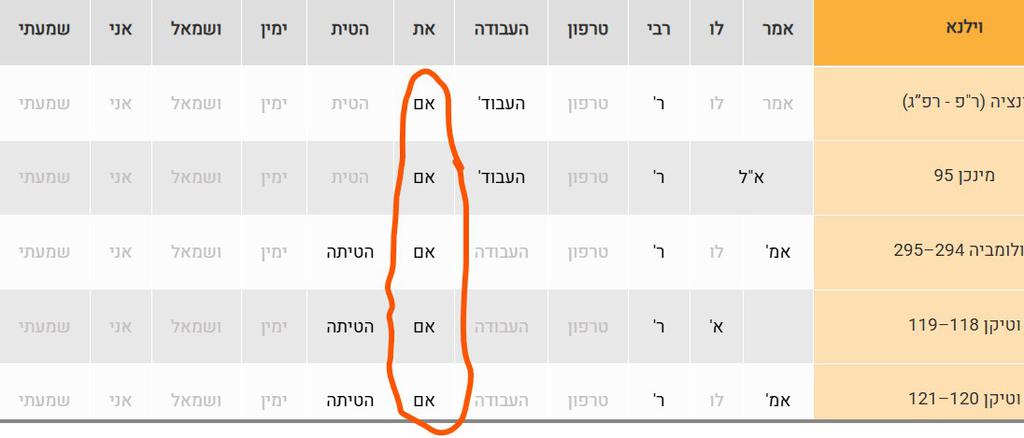
דרש רבי עקיבה מנין לקבלת הדם שלא תהא אלא בכהן תמים ובכלי שרת ת"ל והקריבו בני אהרן את הדם אליו יכול זו זריקה כשהוא אומר וזרקו זו זריקה אמורה הא אינו אומר כאן והקריבו אלא זו קבלה מקיש קבלה לזריקה מה זריקה בכהן תמים ובכלי שרת אף בקבלה בכהן תמים ובכלי שרת ולהלן הוא אומר ומשחת אותם וכהנו לי מה כהן האמור להלן בכהן תמים וכלי שרת אף כהן האמור כאן כהן תמים וכלי שרת א"ל ר"ט עקיבה עד מתי אתה מגבב ומביא עלינו אקפח את בני אם לא הפרש שמעתי בין קבלה לזריקה ואתה השוותה קבלה לזריקה אמר לו תרשני לומר לפניך מה שלמדתני אמר לו אמור אמר לו קבלה לא עשה בה מחשבה כמעשה זריקה עשה בה מחשבה כמעשה המקבל בחוץ כשר הזורק בחוץ פסול קבלוהו פסולין אין חייבין עליו זרקוהו פסולין חייבין עליו אמר לו העבודה שלא היטיתה ימין ושמאל אני שמעתי ולא היה לי לפרש ואתה דורש ומסכים להלכה הא כל הפורש ממך כפורש מחייו.
Rabbi Akiva expounded: From where is it derived that the blood can only be received by an unblemished priest, and with a service vessel? The verse states, "And the sons of Aaron [the priests] shall bring near the blood" (Lev. 1:5). You might think this (i.e., "bring near") refers to sprinkling. [However, only] when [Scripture] says "and he shall sprinkle it," that is "sprinkling." But this verse does not say "sprinkle"; rather, it says, "bring near," in order to juxtapose "bringing near" with "sprinkling." Just as sprinkling must be performed by an unblemished priest, and with a service vessel, so too bringing near must be performed by an unblemished priest, and with a service vessel. And elsewhere it says, "And you are to anoint them ... and they shall serve as priests for me" (Ex. 40:15). Just as the priest mentioned over there is an unblemished priest, and [the ritual is performed] with a service vessel, so too the priest mentioned here is an unblemished priest, and [the ritual is performed] with a service vessel. Rabbi Tarfon said to him, "Akiva! How long will you pile up words against us?! I will bury my sons if I did not hear [a teaching] distinguishing between 'receiving' and 'sprinkling,' yet you equate receiving with sprinkling!" He said to him, "Allow me to say one thing that you yourself have taught me." He said to him, "Speak." He said to him, "Receiving is not performed with intention-like-action, [but] the act of sprinkling is performed with intention-like-action. One who receives inside [the Temple] is fit, [and] one who sprinkles outside [the Temple] is disqualified. [If] those who are disqualified receive it, they are not liable on its account, [but] if those who are disqualified sprinkle it, they are liable on its account." He said to him, "[I swear] by the Holy Service that you have not deviated to the right or to the left that which I heard [from my teachers], yet I was not able to explain (lif'rosh) [their teachings]. And you have expounded it and reconciled [the exposition] with tradition. Therefore, anyone who separates (ha'poresh) from you is like one who separates from his own life."
כָּל הַמִּטַּלְטְלִין מְבִיאִין אֶת הַטֻּמְאָה כָּעֳבִי הַמַּרְדֵּעַ. אָמַר רַבִּי טַרְפוֹן, אֲקַפַּח אֶת בָּנַי שֶׁזּוֹ הֲלָכָה מְקֻפַּחַת, שֶׁשָּׁמַע הַשּׁוֹמֵעַ, וְטָעָה, שֶׁהָאִכָּר עוֹבֵר וְהַמַּרְדֵּעַ עַל כְּתֵפוֹ, וְהֶאֱהִיל צִדּוֹ אֶחָד עַל הַקֶּבֶר, וְטִמְּאוּהוּ מִשּׁוּם כֵּלִים הַמַּאֲהִילִים עַל הַמֵּת. אָמַר רַבִּי עֲקִיבָא, אֲנִי אֲתַקֵּן שֶׁיְּהוּ דִבְרֵי חֲכָמִים קַיָּמִין, שֶׁיְּהוּ כָל הַמִּטַּלְטְלִין מְבִיאִין אֶת הַטֻּמְאָה עַל אָדָם הַנּוֹשְׂאָן בָּעֳבִי הַמַּרְדֵּעַ, וְעַל עַצְמָן בְּכָל שֶׁהֵן, וְעַל שְׁאָר אָדָם וְכֵלִים בְּפוֹתֵחַ טָפַח:
All movable things convey uncleanness when they are of the thickness of an ox-goad. Rabbi Tarfon said: May I [see the] demise of my sons if this is [not] a demised halakhah which someone heard and misunderstood. For a farmer was passing by and over his shoulder was an ox-goad, and one end overshadowed a grave. He was declared unclean on account of vessels that were overshadowing a corpse. Rabbi Akiva said: I can fix [the halakhah] so that the words of the sages can exist [as they are]: All movable things convey uncleanness to come upon a person carrying them, when they are of the thickness of an ox-goad; Upon themselves when they are of whatever thickness; And upon other men or vessels [which they overshadow] when they are one handbreadth wide.
וְזֹ֥את תּוֹרַ֖ת זֶ֣בַח הַשְּׁלָמִ֑ים אֲשֶׁ֥ר יַקְרִ֖יב לַיהוה׃ (יב) אִ֣ם עַל־תּוֹדָה֮ יַקְרִיבֶ֒נּוּ֒ וְהִקְרִ֣יב ׀ עַל־זֶ֣בַח הַתּוֹדָ֗ה חַלּ֤וֹת מַצּוֹת֙ בְּלוּלֹ֣ת בַּשֶּׁ֔מֶן וּרְקִיקֵ֥י מַצּ֖וֹת מְשֻׁחִ֣ים בַּשָּׁ֑מֶן וְסֹ֣לֶת מֻרְבֶּ֔כֶת חַלֹּ֖ת בְּלוּלֹ֥ת בַּשָּֽׁמֶן׃ (יג) עַל־חַלֹּת֙ לֶ֣חֶם חָמֵ֔ץ יַקְרִ֖יב קׇרְבָּנ֑וֹ עַל־זֶ֖בַח תּוֹדַ֥ת שְׁלָמָֽיו׃ (יד) וְהִקְרִ֨יב מִמֶּ֤נּוּ אֶחָד֙ מִכׇּל־קׇרְבָּ֔ן תְּרוּמָ֖ה לַיהוה לַכֹּהֵ֗ן הַזֹּרֵ֛ק אֶת־דַּ֥ם הַשְּׁלָמִ֖ים ל֥וֹ יִהְיֶֽה׃ (טו) וּבְשַׂ֗ר זֶ֚בַח תּוֹדַ֣ת שְׁלָמָ֔יו בְּי֥וֹם קׇרְבָּנ֖וֹ יֵאָכֵ֑ל לֹֽא־יַנִּ֥יחַ מִמֶּ֖נּוּ עַד־בֹּֽקֶר׃ (טז) וְאִם־נֶ֣דֶר ׀ א֣וֹ נְדָבָ֗ה זֶ֚בַח קׇרְבָּנ֔וֹ בְּי֛וֹם הַקְרִיב֥וֹ אֶת־זִבְח֖וֹ יֵאָכֵ֑ל וּמִֽמׇּחֳרָ֔ת וְהַנּוֹתָ֥ר מִמֶּ֖נּוּ יֵאָכֵֽל׃ (יז) וְהַנּוֹתָ֖ר מִבְּשַׂ֣ר הַזָּ֑בַח בַּיּוֹם֙ הַשְּׁלִישִׁ֔י בָּאֵ֖שׁ יִשָּׂרֵֽף׃ (יח)וְאִ֣ם הֵאָכֹ֣ל יֵ֠אָכֵ֠ל מִבְּשַׂר־זֶ֨בַח שְׁלָמָ֜יו בַּיּ֣וֹם הַשְּׁלִישִׁי֮ לֹ֣א יֵרָצֶה֒ הַמַּקְרִ֣יב אֹת֗וֹ לֹ֧א יֵחָשֵׁ֛ב ל֖וֹ פִּגּ֣וּל יִהְיֶ֑ה וְהַנֶּ֛פֶשׁ הָאֹכֶ֥לֶת מִמֶּ֖נּוּ עֲוֺנָ֥הּ תִּשָּֽׂא׃ (יט) וְהַבָּשָׂ֞ר אֲשֶׁר־יִגַּ֤ע בְּכׇל־טָמֵא֙ לֹ֣א יֵֽאָכֵ֔ל בָּאֵ֖שׁ יִשָּׂרֵ֑ף וְהַ֨בָּשָׂ֔ר כׇּל־טָה֖וֹר יֹאכַ֥ל בָּשָֽׂר׃
(1) This is the ritual of the guilt offering: it is most holy. (2) The guilt offering shall be slaughtered at the spot where the burnt offering is slaughtered, and the blood shall be dashed on all sides of the altar. (3) All its fat shall be offered: the broad tail; the fat that covers the entrails; (4) the two kidneys and the fat that is on them at the loins; and the protuberance on the liver, which shall be removed with the kidneys. (5) The priest shall turn them into smoke on the altar as an offering by fire to יהוה; it is a guilt offering. (6) Only the males in the priestly line may eat of it; it shall be eaten in the sacred precinct: it is most holy. (7) The guilt offering is like the sin offering. The same rule applies to both: it shall belong to the priest who makes expiation thereby. (8) So, too, the priest who offers another person’s burnt offering shall keep the skin of the burnt offering that was offered. (9) Further, any meal offering that is baked in an oven, and any that is prepared in a pan or on a griddle, shall belong to the priest who offers it. (10) But every other meal offering, with oil mixed in or dry, shall go to the sons of Aaron all alike. (11) This is the ritual of the sacrifice of well-being that one may offer to יהוה: (12) One who offers it for thanksgiving shall offer, together with the sacrifice of thanksgiving, unleavened cakes with oil mixed in—unleavened wafers spread with oil—and cakes of choice flour with oil mixed in, well soaked. (13) This offering, with cakes of leavened bread added, shall be offered along with one’s thanksgiving sacrifice of well-being. (14) Out of this the person shall offer one of each kind as a gift to יהוה; it shall go to the priest who dashes the blood of the offering of well-being. (15) And the flesh of the thanksgiving sacrifice of well-being shall be eaten on the day that it is offered; none of it shall be set aside until morning. (16) If, however, the sacrifice offered is a votive or a freewill offering, it shall be eaten on the day that one offers the sacrifice, and what is left of it shall be eaten on the morrow. (17) What is then left of the flesh of the sacrifice shall be consumed in fire on the third day. (18) If any of the flesh of the sacrifice of well-being is eaten on the third day, it shall not be acceptable; it shall not count for the one who offered it. It is an offensive thing, and the person who eats of it shall bear the guilt. (19) Flesh that touches anything impure shall not be eaten; it shall be consumed in fire. As for other flesh, only one who is pure may eat such flesh. (20) But the person who, in a state of impurity, eats flesh from יהוה’s sacrifices of well-being, that person shall be cut off from kin. (21) When a person touches anything impure, be it human impurity or an impure animal or any impure creature, and eats flesh from יהוה’s sacrifices of well-being, that person shall be cut off from kin. (22) And יהוה spoke to Moses, saying: (23) Speak to the Israelite people thus: You shall eat no fat of ox or sheep or goat. (24) Fat from animals that died or were torn by beasts may be put to any use, but you must not eat it. (25) If anyone eats the fat of animals from which offerings by fire may be made to יהוה, the person who eats it shall be cut off from kin. (26) And you must not consume any blood, either of bird or of animal, in any of your settlements. (27) Anyone who eats blood shall be cut off from kin. (28) And יהוה spoke to Moses, saying: (29) Speak to the Israelite people thus: The offering to יהוה from a sacrifice of well-being must be presented by the one who offers that sacrifice of well-being to יהוה: (30) one’s own hands shall present יהוה’s offerings by fire. The offerer shall present the fat with the breast, the breast to be elevated as an elevation offering before יהוה; (31) the priest shall turn the fat into smoke on the altar, and the breast shall go to Aaron and his sons. (32) And the right thigh from your sacrifices of well-being you shall present to the priest as a gift; (33) he from among Aaron’s sons who offers the blood and the fat of the offering of well-being shall get the right thigh as his portion. (34) For I have taken the breast of elevation offering and the thigh of gift offering from the Israelites, from their sacrifices of well-being, and given them to Aaron the priest and to his sons as their due from the Israelites for all time. (35) Those shall be the perquisites of Aaron and the perquisites of his sons from יהוה’s offerings by fire, once they have been inducted to serve יהוה as priests; (36) these יהוה commanded to be given them, once they had been anointed, as a due from the Israelites for all time throughout the ages. (37) Such are the rituals of the burnt offering, the meal offering, the sin offering, the guilt offering, the offering of ordination, and the sacrifice of well-being, (38) with which יהוה charged Moses on Mount Sinai, when commanding that the Israelites present their offerings to יהוה, in the wilderness of Sinai.
רִבָּה שַׁמְנָהּ, וְחִסַּר שַׁמְנָהּ, חִסַּר לְבוֹנָתָהּ, פְּסוּלָה. הַקּוֹמֵץ אֶת הַמִּנְחָה לֶאֱכֹל שְׁיָרֶיהָ בַחוּץ, אוֹ כַזַּיִת מִשְּׁיָרֶיהָ בַחוּץ, לְהַקְטִיר קֻמְצָהּ בַּחוּץ, אוֹ כַזַּיִת מִקֻּמְצָהּ בַּחוּץ, אוֹ לְהַקְטִיר לְבוֹנָתָהּ בַּחוּץ, פָּסוּל וְאֵין בּוֹ כָרֵת. לֶאֱכֹל שְׁיָרֶיהָ לְמָחָר, אוֹ כַזַּיִת מִשְּׁיָרֶיהָ לְמָחָר, לְהַקְטִיר קֻמְצָהּ לְמָחָר, אוֹ כַזַּיִת מִקֻּמְצָהּ לְמָחָר, אוֹ לְהַקְטִיר לְבוֹנָתָהּ לְמָחָר, פִּגּוּל וְחַיָּבִין עָלָיו כָּרֵת. זֶה הַכְּלָל, כָּל הַקּוֹמֵץ, וְהַנּוֹתֵן בִּכְלִי, וְהַמְהַלֵּךְ, וְהַמַּקְטִיר, לֶאֱכֹל דָּבָר שֶׁדַּרְכּוֹ לֶאֱכֹל, וּלְהַקְטִיר דָּבָר שֶׁדַּרְכּוֹ לְהַקְטִיר, חוּץ לִמְקוֹמוֹ, פָּסוּל וְאֵין בּוֹ כָרֵת. חוּץ לִזְמַנּוֹ, פִּגּוּל וְחַיָּבִין עָלָיו כָּרֵת, וּבִלְבַד שֶׁיִּקְרַב הַמַּתִּיר כְּמִצְוָתוֹ. כֵּיצַד קָרַב הַמַּתִּיר כְּמִצְוָתוֹ. קָמַץ בִּשְׁתִיקָה וְנָתַן בַּכְּלִי וְהִלֵּךְ וְהִקְטִיר חוּץ לִזְמַנּוֹ, אוֹ שֶׁקָּמַץ חוּץ לִזְמַנּוֹ וְנָתַן בַּכְּלִי וְהִלֵּךְ וְהִקְטִיר בִּשְׁתִיקָה, אוֹ שֶׁקָּמַץ וְנָתַן בַּכְּלִי וְהִלֵּךְ וְהִקְטִיר חוּץ לִזְמַנּוֹ, זֶה הוּא שֶׁקָּרַב הַמַּתִּיר כְּמִצְוָתוֹ:
If one increased its oil, decreased its oil, or decreased its frankincense, beyond the appropriate measures, the meal offering is unfit. With regard to one who removes a handful from the meal offering with the intent to partake of its remainder outside the Temple courtyard or to partake of an olive-bulk of its remainder outside the Temple courtyard, to burn its handful outside the Temple courtyard or to burn an olive-bulk of its handful outside the Temple courtyard, or to burn its frankincense outside the Temple courtyard, in all these cases the offering is unfit, but there is no liability for karet for one who partakes of it. If one had the intent to partake of its remainder on the next day or to partake of an olive-bulk of its remainder on the next day, to burn its handful on the next day or to burn an olive-bulk of its handful on the next day, or to burn its frankincense on the next day, the offering is piggul, and one is liable to receive karet for partaking of the remainder of that meal offering. This is the principle: In the case of anyone who removes the handful, or places the handful in the vessel, or who conveys the vessel with the handful to the altar, or who burns the handful on the altar, with the intent to partake of an item whose typical manner is such that one partakes of it, e.g., the remainder, or to burn an item whose typical manner is such that one burns it on the altar, e.g., the handful or the frankincense, outside its designated area, the meal offering is unfit but there is no liability for karet. If his intent was to do so beyond its designated time, the offering is piggul and one is liable to receive karet on account of it, provided that the permitting factor, i.e., the handful, was sacrificed in accordance with its mitzva. If the permitting factor was not sacrificed in accordance with its mitzva, although the meal offering is unfit, the prohibition of piggul does not apply to it. How is the permitting factor considered to have been sacrificed in accordance with its mitzva? If one removed the handful in silence, i.e., with no specific intent, and placed it in the vessel, conveyed it, and burned the handful on the altar, with the intent to partake of the remainder beyond its designated time; or if one removed the handful with the intent to partake of the or burn the handful or frankincense beyond its designated time, and placed it in the vessel, and conveyed it, and burned the handful on the altar in silence, with no specific intent; or if one removed the handful and placed it in the vessel, conveyed it, and burned the handful on the altar, with the intent to partake of the remainder beyond its designated time, that is the case of an offering whose permitting factor was sacrificed in accordance with its mitzva, and one is liable to receive karet for partaking of it due to piggul.
[ח] "וטבל" – ולא המספג. "וטבל…והזה…" – על כל הזיה טבילה. "אצבעו" – נאמר כאן "אצבעו" ונאמר להלן (ויקרא יד, טז) "אצבעו"; מה "אצבעו" אמורה להלן – הימנית המיומנת שבימין, אף "אצבעו" אמורה כאן – הימנית המיומנת שבימין.
8) (Vayikra 4:6): "And the Cohein shall dip his finger into the blood.": He shall dip and not wipe, (against the wall of the vessel. It must contain enough blood for him to "dip" his finger into it.) "And he shall dip … and he shall sprinkle (seven times"): for every sprinkling, a dipping (and not one dipping for all the sprinklings.) "his finger": "his finger" is written here and elsewhere (Vayikra 14:16, in respect to a leper). Just as "his finger" there is the most dexterous (i.e., the index finger) of the right hand, so, "his finger" here.