


Only diseases can have cures, and anti-Semitism is not a disease: It is a perfectly normal human reaction to an anomaly that has persisted for just over 2,000 years, ever since starving Jews migrated in great numbers to food-rich Roman Egypt and its splendid capital of Alexandria, where they quickly outmatched the local Greek-speaking elite not only in Greek philosophy but also in Greek athletics—and in business too, no doubt. The Greeks reacted not by competing harder, but with murderous mob attacks. Thus, anti-Semitism was born, already so fully formed that nothing has been added by all the anti-Semites in history ever since. That the Jewish side of the story is well known through texts by Josephus and Philo, while the original denunciation of the Jews by then-famous philosopher Apion is lost (except for the bits quoted by Josephus as put-downs), proves just how right Apion was: Primitive Hebrew shepherds and peasants arrive, and in no time at all they take over everything, even Greek philosophic literature, in which Philo now occupies 10 volumes in the Harvard’s Loeb Classical Library and Apion has none, zilch, and nada. (Loeb was a Jewish banker, of course.)What infuriated the Greeks was that the Jews stubbornly preserved their identity, even when they threw away their Bedouin robes to sit in togas to debate Aristotle and “continue” Plato’s writings, even when they abandoned Hebrew for Greek in their daily lives, and even when they exercised in the gym just as naked as the Greeks—and walked off with the prizes. Edward N. Luttwak
Abigail, I am glad you remember my aside that “an antisemite is someone who hates Jews more than is absolutely necessary.” It makes us laugh, but it should also make us think. This pithy observation, which is often attributed to the late philosopher and intellectual giant Isaiah Berlin, provides a simple and useful tool for identifying prejudice.3 Imagine that someone has done something you find objectionable. You may legitimately resent the person because of his or her actions or attitudes. But if you resent him even an iota more because this person is Jewish, that is antisemitism.
Lipstadt, Deborah E.. Antisemitism: Here and Now (pp. 13-14). Knopf Doubleday Publishing Group. Kindle Edition.
Lipstadt, Deborah E.. Antisemitism: Here and Now (pp. 13-14). Knopf Doubleday Publishing Group. Kindle Edition.
What does the Book of Esther tell us?
(א) אַחַ֣ר ׀ הַדְּבָרִ֣ים הָאֵ֗לֶּה גִּדַּל֩ הַמֶּ֨לֶךְ אֲחַשְׁוֵר֜וֹשׁ אֶת־הָמָ֧ן בֶּֽן־הַמְּדָ֛תָא הָאֲגָגִ֖י וַֽיְנַשְּׂאֵ֑הוּ וַיָּ֙שֶׂם֙ אֶת־כִּסְא֔וֹ מֵעַ֕ל כׇּל־הַשָּׂרִ֖ים אֲשֶׁ֥ר אִתּֽוֹ׃ (ב) וְכׇל־עַבְדֵ֨י הַמֶּ֜לֶךְ אֲשֶׁר־בְּשַׁ֣עַר הַמֶּ֗לֶךְ כֹּרְעִ֤ים וּמִֽשְׁתַּחֲוִים֙ לְהָמָ֔ן כִּי־כֵ֖ן צִוָּה־ל֣וֹ הַמֶּ֑לֶךְ וּמׇ֨רְדֳּכַ֔י לֹ֥א יִכְרַ֖ע וְלֹ֥א יִֽשְׁתַּחֲוֶֽה׃
(ג) וַיֹּ֨אמְר֜וּ עַבְדֵ֥י הַמֶּ֛לֶךְ אֲשֶׁר־בְּשַׁ֥עַר הַמֶּ֖לֶךְ לְמׇרְדֳּכָ֑י מַדּ֙וּעַ֙ אַתָּ֣ה עוֹבֵ֔ר אֵ֖ת מִצְוַ֥ת הַמֶּֽלֶךְ׃ (ד) וַיְהִ֗י (באמרם) [כְּאׇמְרָ֤ם] אֵלָיו֙ י֣וֹם וָי֔וֹם וְלֹ֥א שָׁמַ֖ע אֲלֵיהֶ֑ם וַיַּגִּ֣ידוּ לְהָמָ֗ן לִרְאוֹת֙ הֲיַֽעַמְדוּ֙ דִּבְרֵ֣י מׇרְדֳּכַ֔י כִּֽי־הִגִּ֥יד לָהֶ֖ם אֲשֶׁר־ה֥וּא יְהוּדִֽי׃
(ה) וַיַּ֣רְא הָמָ֔ן כִּי־אֵ֣ין מׇרְדֳּכַ֔י כֹּרֵ֥עַ וּמִֽשְׁתַּחֲוֶ֖ה ל֑וֹ וַיִּמָּלֵ֥א הָמָ֖ן חֵמָֽה׃ (ו) וַיִּ֣בֶז בְּעֵינָ֗יו לִשְׁלֹ֤חַ יָד֙ בְּמׇרְדֳּכַ֣י לְבַדּ֔וֹ כִּֽי־הִגִּ֥ידוּ ל֖וֹ אֶת־עַ֣ם מׇרְדֳּכָ֑י וַיְבַקֵּ֣שׁ הָמָ֗ן לְהַשְׁמִ֧יד אֶת־כׇּל־הַיְּהוּדִ֛ים אֲשֶׁ֛ר בְּכׇל־מַלְכ֥וּת אֲחַשְׁוֵר֖וֹשׁ עַ֥ם מׇרְדֳּכָֽי׃
(ז) בַּחֹ֤דֶשׁ הָרִאשׁוֹן֙ הוּא־חֹ֣דֶשׁ נִיסָ֔ן בִּשְׁנַת֙ שְׁתֵּ֣ים עֶשְׂרֵ֔ה לַמֶּ֖לֶךְ אֲחַשְׁוֵר֑וֹשׁ הִפִּ֣יל פּוּר֩ ה֨וּא הַגּוֹרָ֜ל לִפְנֵ֣י הָמָ֗ן מִיּ֧וֹם ׀ לְי֛וֹם וּמֵחֹ֛דֶשׁ לְחֹ֥דֶשׁ שְׁנֵים־עָשָׂ֖ר הוּא־חֹ֥דֶשׁ אֲדָֽר׃ {ס}
(ח) וַיֹּ֤אמֶר הָמָן֙ לַמֶּ֣לֶךְ אֲחַשְׁוֵר֔וֹשׁ יֶשְׁנ֣וֹ עַם־אֶחָ֗ד מְפֻזָּ֤ר וּמְפֹרָד֙ בֵּ֣ין הָֽעַמִּ֔ים בְּכֹ֖ל מְדִינ֣וֹת מַלְכוּתֶ֑ךָ וְדָתֵיהֶ֞ם שֹׁנ֣וֹת מִכׇּל־עָ֗ם וְאֶת־דָּתֵ֤י הַמֶּ֙לֶךְ֙ אֵינָ֣ם עֹשִׂ֔ים וְלַמֶּ֥לֶךְ אֵין־שֹׁוֶ֖ה לְהַנִּיחָֽם׃ (ט) אִם־עַל־הַמֶּ֣לֶךְ ט֔וֹב יִכָּתֵ֖ב לְאַבְּדָ֑ם וַעֲשֶׂ֨רֶת אֲלָפִ֜ים כִּכַּר־כֶּ֗סֶף אֶשְׁקוֹל֙ עַל־יְדֵי֙ עֹשֵׂ֣י הַמְּלָאכָ֔ה לְהָבִ֖יא אֶל־גִּנְזֵ֥י הַמֶּֽלֶךְ׃
(י) וַיָּ֧סַר הַמֶּ֛לֶךְ אֶת־טַבַּעְתּ֖וֹ מֵעַ֣ל יָד֑וֹ וַֽיִּתְּנָ֗הּ לְהָמָ֧ן בֶּֽן־הַמְּדָ֛תָא הָאֲגָגִ֖י צֹרֵ֥ר הַיְּהוּדִֽים׃ (יא) וַיֹּ֤אמֶר הַמֶּ֙לֶךְ֙ לְהָמָ֔ן הַכֶּ֖סֶף נָת֣וּן לָ֑ךְ וְהָעָ֕ם לַעֲשׂ֥וֹת בּ֖וֹ כַּטּ֥וֹב בְּעֵינֶֽיךָ׃
(ג) וַיֹּ֨אמְר֜וּ עַבְדֵ֥י הַמֶּ֛לֶךְ אֲשֶׁר־בְּשַׁ֥עַר הַמֶּ֖לֶךְ לְמׇרְדֳּכָ֑י מַדּ֙וּעַ֙ אַתָּ֣ה עוֹבֵ֔ר אֵ֖ת מִצְוַ֥ת הַמֶּֽלֶךְ׃ (ד) וַיְהִ֗י (באמרם) [כְּאׇמְרָ֤ם] אֵלָיו֙ י֣וֹם וָי֔וֹם וְלֹ֥א שָׁמַ֖ע אֲלֵיהֶ֑ם וַיַּגִּ֣ידוּ לְהָמָ֗ן לִרְאוֹת֙ הֲיַֽעַמְדוּ֙ דִּבְרֵ֣י מׇרְדֳּכַ֔י כִּֽי־הִגִּ֥יד לָהֶ֖ם אֲשֶׁר־ה֥וּא יְהוּדִֽי׃
(ה) וַיַּ֣רְא הָמָ֔ן כִּי־אֵ֣ין מׇרְדֳּכַ֔י כֹּרֵ֥עַ וּמִֽשְׁתַּחֲוֶ֖ה ל֑וֹ וַיִּמָּלֵ֥א הָמָ֖ן חֵמָֽה׃ (ו) וַיִּ֣בֶז בְּעֵינָ֗יו לִשְׁלֹ֤חַ יָד֙ בְּמׇרְדֳּכַ֣י לְבַדּ֔וֹ כִּֽי־הִגִּ֥ידוּ ל֖וֹ אֶת־עַ֣ם מׇרְדֳּכָ֑י וַיְבַקֵּ֣שׁ הָמָ֗ן לְהַשְׁמִ֧יד אֶת־כׇּל־הַיְּהוּדִ֛ים אֲשֶׁ֛ר בְּכׇל־מַלְכ֥וּת אֲחַשְׁוֵר֖וֹשׁ עַ֥ם מׇרְדֳּכָֽי׃
(ז) בַּחֹ֤דֶשׁ הָרִאשׁוֹן֙ הוּא־חֹ֣דֶשׁ נִיסָ֔ן בִּשְׁנַת֙ שְׁתֵּ֣ים עֶשְׂרֵ֔ה לַמֶּ֖לֶךְ אֲחַשְׁוֵר֑וֹשׁ הִפִּ֣יל פּוּר֩ ה֨וּא הַגּוֹרָ֜ל לִפְנֵ֣י הָמָ֗ן מִיּ֧וֹם ׀ לְי֛וֹם וּמֵחֹ֛דֶשׁ לְחֹ֥דֶשׁ שְׁנֵים־עָשָׂ֖ר הוּא־חֹ֥דֶשׁ אֲדָֽר׃ {ס}
(ח) וַיֹּ֤אמֶר הָמָן֙ לַמֶּ֣לֶךְ אֲחַשְׁוֵר֔וֹשׁ יֶשְׁנ֣וֹ עַם־אֶחָ֗ד מְפֻזָּ֤ר וּמְפֹרָד֙ בֵּ֣ין הָֽעַמִּ֔ים בְּכֹ֖ל מְדִינ֣וֹת מַלְכוּתֶ֑ךָ וְדָתֵיהֶ֞ם שֹׁנ֣וֹת מִכׇּל־עָ֗ם וְאֶת־דָּתֵ֤י הַמֶּ֙לֶךְ֙ אֵינָ֣ם עֹשִׂ֔ים וְלַמֶּ֥לֶךְ אֵין־שֹׁוֶ֖ה לְהַנִּיחָֽם׃ (ט) אִם־עַל־הַמֶּ֣לֶךְ ט֔וֹב יִכָּתֵ֖ב לְאַבְּדָ֑ם וַעֲשֶׂ֨רֶת אֲלָפִ֜ים כִּכַּר־כֶּ֗סֶף אֶשְׁקוֹל֙ עַל־יְדֵי֙ עֹשֵׂ֣י הַמְּלָאכָ֔ה לְהָבִ֖יא אֶל־גִּנְזֵ֥י הַמֶּֽלֶךְ׃
(י) וַיָּ֧סַר הַמֶּ֛לֶךְ אֶת־טַבַּעְתּ֖וֹ מֵעַ֣ל יָד֑וֹ וַֽיִּתְּנָ֗הּ לְהָמָ֧ן בֶּֽן־הַמְּדָ֛תָא הָאֲגָגִ֖י צֹרֵ֥ר הַיְּהוּדִֽים׃ (יא) וַיֹּ֤אמֶר הַמֶּ֙לֶךְ֙ לְהָמָ֔ן הַכֶּ֖סֶף נָת֣וּן לָ֑ךְ וְהָעָ֕ם לַעֲשׂ֥וֹת בּ֖וֹ כַּטּ֥וֹב בְּעֵינֶֽיךָ׃
(1) Some time afterward, King Ahasuerus promoted Haman son of Hammedatha the Agagite; he advanced him and seated him higher than any of his fellow officials. (2) All the king’s courtiers in the palace gate knelt and bowed low to Haman, for such was the king’s order concerning him; but Mordecai would not kneel or bow low.
(3) Then the king’s courtiers who were in the palace gate said to Mordecai, “Why do you disobey the king’s order?” (4) When they spoke to him day after day and he would not listen to them, they told Haman, in order to see whether Mordecai’s resolve would prevail; for he had explained to them that he was a Jew.(5) When Haman saw that Mordecai would not kneel or bow low to him, Haman was filled with rage. (6)But he disdained to lay hands on Mordecai alone; having been told who Mordecai’s people were, Haman plotted to do away with all the Jews, Mordecai’s people, throughout the kingdom of Ahasuerus.(7) In the first month, that is, the month of Nisan, in the twelfth year of King Ahasuerus, pur—which means “the lot”—was cast before Haman concerning every day and every month, [until it fell on] the twelfth month, that is, the month of Adar.
(8)Haman then said to King Ahasuerus, “There is a certain people, scattered and dispersed among the other peoples in all the provinces of your realm, whose laws are different from those of any other people and who do not obey the king’s laws; and it is not in Your Majesty’s interest to tolerate them.(9) If it please Your Majesty, let an edict be drawn for their destruction, and I will pay ten thousand talents of silver to the stewards for deposit in the royal treasury.”
(10) Thereupon the king removed his signet ring from his hand and gave it to Haman son of Hammedatha the Agagite, the foe of the Jews. (11) And the king said, “The money and the people are yours to do with as you see fit.”
(3) Then the king’s courtiers who were in the palace gate said to Mordecai, “Why do you disobey the king’s order?” (4) When they spoke to him day after day and he would not listen to them, they told Haman, in order to see whether Mordecai’s resolve would prevail; for he had explained to them that he was a Jew.(5) When Haman saw that Mordecai would not kneel or bow low to him, Haman was filled with rage. (6)But he disdained to lay hands on Mordecai alone; having been told who Mordecai’s people were, Haman plotted to do away with all the Jews, Mordecai’s people, throughout the kingdom of Ahasuerus.(7) In the first month, that is, the month of Nisan, in the twelfth year of King Ahasuerus, pur—which means “the lot”—was cast before Haman concerning every day and every month, [until it fell on] the twelfth month, that is, the month of Adar.
(8)Haman then said to King Ahasuerus, “There is a certain people, scattered and dispersed among the other peoples in all the provinces of your realm, whose laws are different from those of any other people and who do not obey the king’s laws; and it is not in Your Majesty’s interest to tolerate them.(9) If it please Your Majesty, let an edict be drawn for their destruction, and I will pay ten thousand talents of silver to the stewards for deposit in the royal treasury.”
(10) Thereupon the king removed his signet ring from his hand and gave it to Haman son of Hammedatha the Agagite, the foe of the Jews. (11) And the king said, “The money and the people are yours to do with as you see fit.”
Mordechai the Jew
(ה) אִ֣ישׁ יְהוּדִ֔י הָיָ֖ה בְּשׁוּשַׁ֣ן הַבִּירָ֑ה וּשְׁמ֣וֹ מׇרְדֳּכַ֗י בֶּ֣ן יָאִ֧יר בֶּן־שִׁמְעִ֛י בֶּן־קִ֖ישׁ אִ֥ישׁ יְמִינִֽי׃
(5) In the fortress Shushan lived a Jew by the name of Mordecai, son of Jair son of Shimei son of Kish, a Benjaminite.
(יג) וְכׇל־זֶ֕ה אֵינֶ֥נּוּ שֹׁוֶ֖ה לִ֑י בְּכׇל־עֵ֗ת אֲשֶׁ֨ר אֲנִ֤י רֹאֶה֙ אֶת־מׇרְדֳּכַ֣י הַיְּהוּדִ֔י יוֹשֵׁ֖ב בְּשַׁ֥עַר הַמֶּֽלֶךְ׃
(13) Yet all this means nothing to me every time I see that Jew Mordecai sitting in the palace gate.”
In Megillat Esther (the scroll of Esther), the term יהודי (Yehudi) reflects a religious affiliation (Jew) and not a political one (Judean). Thus Mordecai, although from the tribe of Benjamin, is described as a Jew (2:5) and thinks of himself as a Jew (3:4).[8] In fact, the epithet היהודי (“the Jew”) appears in the Bible only in Megillat Esther, and only in the phrase Mordecai the Jew, which is found six times (5:13, 6:10, 8:7, 9:29, 9:31, 10:3). Similarly, when it becomes clear that the king backs the Jews, many Persians convert out of fear or pretend to be Jews; the word used is “become Jewish” (מתיהדים; 8:17) which may mean joining the religious (or ethnic) group.[9] It does not mean “becoming Judeans.”
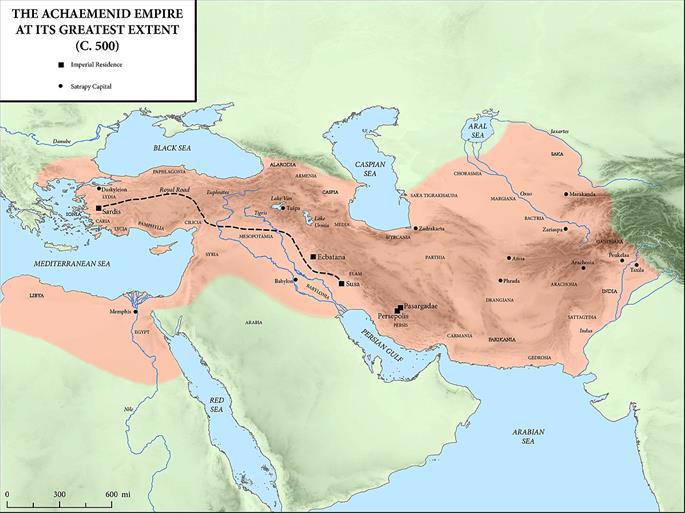
As a corollary to this, Haman’s plan is to destroy Jews, not the polity of Judea. This is clear from Haman’s description of Jews as being spread throughout the empire, even at a time when Judea exists as the province of Yehud. Moreover, those who join with Haman to kill Jews are described not merely as Haman’s followers or seekers of easy plunder, but as “enemies” (אויבים) or even “haters” (שונאים) of Jews (8:13, 9:1, 5, 16). Thus, it seems clear that the megillah is describing antisemitism.
Prof. Rabbi Marty Lockshin
https://www.thetorah.com/article/hamans-antisemitism-what-did-he-not-like-about-the-jews
As a corollary to this, Haman’s plan is to destroy Jews, not the polity of Judea. This is clear from Haman’s description of Jews as being spread throughout the empire, even at a time when Judea exists as the province of Yehud. Moreover, those who join with Haman to kill Jews are described not merely as Haman’s followers or seekers of easy plunder, but as “enemies” (אויבים) or even “haters” (שונאים) of Jews (8:13, 9:1, 5, 16). Thus, it seems clear that the megillah is describing antisemitism.
Prof. Rabbi Marty Lockshin
https://www.thetorah.com/article/hamans-antisemitism-what-did-he-not-like-about-the-jews
Greek Esther: Barrier to Peace in the Kingdom
Septuagint translation of Esther (~100 BCE)
…[A]mong all the nations in the world there is scattered a certain hostile people, who have laws contrary to those of every nation and continually disregard the ordinances of the kings, so that the unifying of the kingdom which we honorably intend cannot be brought about. We understand that this people, and it alone, stands constantly in opposition to all men, perversely following a strange manner of life and laws, and is ill-disposed to our government, doing all the harm they can so that our kingdom may not attain stability.
…[A]mong all the nations in the world there is scattered a certain hostile people, who have laws contrary to those of every nation and continually disregard the ordinances of the kings, so that the unifying of the kingdom which we honorably intend cannot be brought about. We understand that this people, and it alone, stands constantly in opposition to all men, perversely following a strange manner of life and laws, and is ill-disposed to our government, doing all the harm they can so that our kingdom may not attain stability.
Josephus: Reaction to Jewish Hatred of Gentile
Josephus, Antiquities of the Jews
[T]hat there was a certain wicked nation scattered throughout the habitable land ruled by him, which was unfriendly and unsocial [emphasis added] and neither had the same religion nor practiced the same laws as others, “but both by its customs and practices it is the enemy of your people and of all mankind.”
[T]hat there was a certain wicked nation scattered throughout the habitable land ruled by him, which was unfriendly and unsocial [emphasis added] and neither had the same religion nor practiced the same laws as others, “but both by its customs and practices it is the enemy of your people and of all mankind.”
Talmud and Midrash: Religiously Antisocial
״וְדָתֵיהֶם שׁוֹנוֹת מִכׇּל עָם״, דְּלָא אָכְלִי מִינַּן וְלָא נָסְבִי מִינַּן וְלָא מִנַּסְבִי לַן. ״וְאֶת דָּתֵי הַמֶּלֶךְ אֵינָם עוֹשִׂים״, דְּמַפְּקִי לְכוּלָּא שַׁתָּא בְּשִׁהֵי פִּהֵי. ״וְלַמֶּלֶךְ אֵין שֹׁוֶה לְהַנִּיחָם״, דְּאָכְלוּ וְשָׁתוּ וּמְבַזּוּ לֵיהּ לְמַלְכָּא, וַאֲפִילּוּ נוֹפֵל זְבוּב בְּכוֹסוֹ שֶׁל אֶחָד מֵהֶן — זוֹרְקוֹ וְשׁוֹתֵהוּ, וְאִם אֲדוֹנִי הַמֶּלֶךְ נוֹגֵעַ בְּכוֹסוֹ שֶׁל אֶחָד מֵהֶן — חוֹבְטוֹ בַּקַּרְקַע וְאֵינוֹ שׁוֹתֵהוּ.
Haman continued: “And their laws are diverse from those of every people” (Esther 3:8), as they do not eat from our food, nor do they marry from our women, nor do they marry off their women to us. “Nor do they keep the king’s laws” (Esther 3:8). They spend the entire year in idleness, as they are constantly saying: Shehi pehi, an acronym for: It is Shabbat today [Shabbat hayom]; it is Passover today [Pesaḥ hayom]. The verse continues: “Therefore it does not profit the king to tolerate them,” as they eat and drink and scorn the throne. And a proof of this is that even if a fly falls into the cup of one of them, he will throw the fly out and drink the wine it fell into, but if my master the king were to touch the glass of one of them, he would throw it to the ground, and would not drink it, since it is prohibited to drink wine that was touched by a gentile.
כִּי אַתָּה עָשִׂיתָ, מָשָׁל לְמֶלֶךְ שֶׁנָּשָׂא לְמַטְרוֹנָה, אָמַר לָהּ אַל תָּשִׂיחִי עִם חַבְרוֹתַיִךְ וְאַל תִּשְׁאֲלִי מֵהֶן וְאַל תַּשְׁאִילִי לָהֶן, לְיָמִים כָּעַס עָלֶיהָ הַמֶּלֶךְ וּטְרָדָהּ חוּץ לַפָּלָטִין, וְחָזְרָה עַל כָּל שְׁכֵנוֹתֶיהָ וְלֹא קִבְּלוּ אוֹתָהּ, וְחָזְרַת לַפָּלָטִין, אָמַר לָהּ הַמֶּלֶךְ אַקְשֵׁית אַפֵּיךְ, אָמְרָה הַמַּטְרוֹנָה לַמֶּלֶךְ, אֲדוֹנִי אִלּוּלֵי הָיִיתִי מַשְׁאִילָה לָהֶן, וְשׁוֹאֶלֶת מֵהֶן מָנָא, וַהֲוָה עֲבִידְתִּי גַבָּהּ, אוֹ עֲבִידְתָּהּ גַּבִּי, לָא הֲווֹן מְקַבְּלִין לִי. כָּךְ אָמַר הַקָּדוֹשׁ בָּרוּךְ הוּא לְיִשְׂרָאֵל, אַקְשִׁיתוּן אַפֵּיכוֹן, אָמְרוּ לְפָנָיו רִבּוֹן הָעוֹלָמִים לֹא כָתַבְתָּ בְּתוֹרָתְךָ (דברים ז, ג): וְלֹא תִתְחַתֵּן בָּהֶם בִּתְּךָ לֹא תִתֵּן לִבְנוֹ וּבִתּוֹ לֹא תִקַּח לִבְנֶךָ, אִלּוּלֵי הֲוֵינַן מַשְׁאֲלִין לְהוֹן, וְנַסְבוּן מִינְּהוֹן וְאִינוּן מִינַן, וַהֲוֵית בְּרַתֵּיהּ גַּבִּי אוֹ בְּרַתִּי גַּבֵּיהּ, לָא הֲווֹ מְקַבְּלִים לִי, הֱוֵי כִּי אַתָּה עָשִׂיתָ. הֵבֵאתָ יוֹם קָרָאתָ וְיִהְיוּ כָמֹנִי, בְּצָרָה, וְלֹא כָמוֹנִי בִּרְוָחָה.
“Because You acted,” (Lamentations 1:21) this is analogous to a king who married a noblewoman. He said to her: ‘Do not speak to your friends. Do not borrow from them and do not lend to them.’ Sometime later the king grew angry at her and expelled her from the palace. She circulated among all her neighbors, but they did not receive her, so she returned to the palace. The king said to her: ‘You have been impudent!’ The noblewoman said to the king: ‘My lord, had I lent them or borrowed from them a vessel, and I would have grown friendly with them, would they not have received me?’ So too, the Holy One blessed be He said to Israel: ‘You have been impudent!’ They said before Him: ‘Master of the universe, did you not write in Your Torah: “You shall not marry them; your daughter you shall not give to his son, and his daughter you shall not take for your son” (Deuteronomy 7:3)? Had we lent them and taken from them and them from us, and his daughter would be with me or my daughter with him, would they not have received me?’ That is: “Because You acted.” “May You bring the day that You proclaimed, and they will be like me,” in distress, and not like me in relief.
Medieval Understanding of Antisemitis
כד חזיין לנא רקיקין בארעא וחשבין לנא כמדעם מסאבה….
מן בנתיהון לית אנחנא נסבין ומן בנתנא לא נסבין להון….
ויומא דאינון צבייא למזבן מננא אמרין לנא יומא שריא הוא ויומא די אנחנא צביין למזבן מנהון אמרין יומא אסירא הוא עלן ואסרין שוקין….
ונידתהון לשבעא יומין נפקיין בפלגות ליליא נשיהון ומסאבן ית מיא….
ולתמניא ימין גזרין ערלת בניהון ולא חייסין עליהון ואמרין דנהוי שניין מבני עממיא….
חד לשבעה יומין עבדין שבא עלין לבי כנישתהון קרין בספריהון מתרגמין בנביאהון ולייטין למלכננא….
בחמישה עשר ביה [בתשרי] ומצלין וחדיין והדרין בהושענא ושוורין ומרקדין היך גדיין ולא ידיעינן אי מילט לייטין לנא ואם מברכא מברכין לנא….
כל דמזבנין מזבנין בעושקא ולא זבנין בשויאו.
מן בנתיהון לית אנחנא נסבין ומן בנתנא לא נסבין להון….
ויומא דאינון צבייא למזבן מננא אמרין לנא יומא שריא הוא ויומא די אנחנא צביין למזבן מנהון אמרין יומא אסירא הוא עלן ואסרין שוקין….
ונידתהון לשבעא יומין נפקיין בפלגות ליליא נשיהון ומסאבן ית מיא….
ולתמניא ימין גזרין ערלת בניהון ולא חייסין עליהון ואמרין דנהוי שניין מבני עממיא….
חד לשבעה יומין עבדין שבא עלין לבי כנישתהון קרין בספריהון מתרגמין בנביאהון ולייטין למלכננא….
בחמישה עשר ביה [בתשרי] ומצלין וחדיין והדרין בהושענא ושוורין ומרקדין היך גדיין ולא ידיעינן אי מילט לייטין לנא ואם מברכא מברכין לנא….
כל דמזבנין מזבנין בעושקא ולא זבנין בשויאו.
Whenever they [the Jews] see us [gentiles], they spit on the ground; they think of us as something disgusting….
We don’t marry their daughters and they do not marry ours….
If it’s a day that they want to buy something from us, they say “today is a permitted day.” But when we want to buy something from them, they say, “Today is a forbidden day and the market is closed.”….
As to their menstruant women, after seven days the women go out in the middle of the night and pollute the water….
On the eighth day they cut off their sons’ foreskins and have no mercy on them; they say that they want to be different from us….
Every seventh day they observe a Sabbath. They go to their synagogues, read their books, translate their prophets and curse our kings….
On the fifteenth [of Tishrei; Sukkot] they pray and rejoice and they go in circles [saying] Hoshana and they jump and dance like goats and we don’t know whether they are cursing us or blessing us….
Whenever they sell to us, they cheat us and they do not give the full price when they buy.
We don’t marry their daughters and they do not marry ours….
If it’s a day that they want to buy something from us, they say “today is a permitted day.” But when we want to buy something from them, they say, “Today is a forbidden day and the market is closed.”….
As to their menstruant women, after seven days the women go out in the middle of the night and pollute the water….
On the eighth day they cut off their sons’ foreskins and have no mercy on them; they say that they want to be different from us….
Every seventh day they observe a Sabbath. They go to their synagogues, read their books, translate their prophets and curse our kings….
On the fifteenth [of Tishrei; Sukkot] they pray and rejoice and they go in circles [saying] Hoshana and they jump and dance like goats and we don’t know whether they are cursing us or blessing us….
Whenever they sell to us, they cheat us and they do not give the full price when they buy.
Megillat Esther and Modern Antisemitis
In the last few centuries, ironically, the book of Esther became associated with antisemitism in a new way. A number of non-Jewish writers used commentaries on Esther as a springboard for venting their own antisemitic thoughts. Martin Luther once wrote: “I am so hostile to this book that I wish that it did not exist, for it Judaizes too much, and has too much heathen naughtiness.”
...The border between biblical scholarship and antisemitism was often blurred, for example in this 1908 summary of the moral teaching of the book by Lewis Bayles Patton, professor of Bible at Hartford Theological Seminary, published in the International Critical Commentary, the major English commentary series of this era:
"There is not one noble character in this book… Esther, for the chance of winning wealth and power, takes her place in the herd of maidens who become concubines of the King… She conceals her origin, is relentless toward a fallen enemy… Mordechai sacrifices his cousin to advance his interests, advises her to conceal her religion, displays wanton insolence in his refusal to bow down to Haman… All this the author narrates with interest and approval. Morally Esther falls below the general level of the OT [Old Testament], and even of the Apocrypha…. It is never quoted by Christ, nor any of the NT [New Testament] writers. The early Christian Church made no use of it…. In significant contrast… stands the high esteem of the book in later Judaism."
In the same decade, John Edgar McFayden, professor of Bible at Knox College (affiliated with the University of Toronto) wrote in his Introduction to the Old Testament that the book of Esther was characterized by “aggressive fanaticism and fierce hatred of all that lay outside Judaism,” and opined that the book’s popularity was due primarily “to the power with which it expresses some of the most characteristic, if almost odious, traits of Judaism.”
Prof. Rabbi Marty Lockshin
https://www.thetorah.com/article/hamans-antisemitism-what-did-he-not-like-about-the-jews
...The border between biblical scholarship and antisemitism was often blurred, for example in this 1908 summary of the moral teaching of the book by Lewis Bayles Patton, professor of Bible at Hartford Theological Seminary, published in the International Critical Commentary, the major English commentary series of this era:
"There is not one noble character in this book… Esther, for the chance of winning wealth and power, takes her place in the herd of maidens who become concubines of the King… She conceals her origin, is relentless toward a fallen enemy… Mordechai sacrifices his cousin to advance his interests, advises her to conceal her religion, displays wanton insolence in his refusal to bow down to Haman… All this the author narrates with interest and approval. Morally Esther falls below the general level of the OT [Old Testament], and even of the Apocrypha…. It is never quoted by Christ, nor any of the NT [New Testament] writers. The early Christian Church made no use of it…. In significant contrast… stands the high esteem of the book in later Judaism."
In the same decade, John Edgar McFayden, professor of Bible at Knox College (affiliated with the University of Toronto) wrote in his Introduction to the Old Testament that the book of Esther was characterized by “aggressive fanaticism and fierce hatred of all that lay outside Judaism,” and opined that the book’s popularity was due primarily “to the power with which it expresses some of the most characteristic, if almost odious, traits of Judaism.”
Prof. Rabbi Marty Lockshin
https://www.thetorah.com/article/hamans-antisemitism-what-did-he-not-like-about-the-jews
Understanding Modern Antisemitism
Antisemitism is not simply the hatred of something “foreign,” but the hatred of a perpetual evil in the world. Jews are not an enemy but the ultimate enemy. This hatred is ubiquitous. It has persisted through the millennia, through different cultures. It has been present in many geographic areas—including those with no Jews in residence. It has permeated an array of ideologies, even the resolutely atheistic Marxism.
It’s important for you to understand that antisemitism, as is the case with any prejudice, exists independently of any action by Jews. Sometimes, an accusation against a particular Jew, or even a group of Jews, may be correct. There are some Jews who are obsessed with money or who mistreat their employees. But the same can be said about certain non-Jews. Saying that “of course X is obsessed with money; he’s a Jew, isn’t he?” is antisemitic. Antisemitism is not the hatred of people who happen to be Jews. It is hatred of them because they are Jews.
Lipstadt, Deborah E.. Antisemitism: Here and Now (pp. 18-19). Knopf Doubleday Publishing Group. Kindle Edition.
It’s important for you to understand that antisemitism, as is the case with any prejudice, exists independently of any action by Jews. Sometimes, an accusation against a particular Jew, or even a group of Jews, may be correct. There are some Jews who are obsessed with money or who mistreat their employees. But the same can be said about certain non-Jews. Saying that “of course X is obsessed with money; he’s a Jew, isn’t he?” is antisemitic. Antisemitism is not the hatred of people who happen to be Jews. It is hatred of them because they are Jews.
Lipstadt, Deborah E.. Antisemitism: Here and Now (pp. 18-19). Knopf Doubleday Publishing Group. Kindle Edition.
Anti-Semitism isn’t just a matter of asserting unpleasant or reprehensible attributes. It sees the Jew as an antinomian threat, overturning all ethical laws. The Jew works in secret, creating invisible alliances, pulling elaborate strings, undermining society’s foundations. This is why the Protocols of the Elders of Zion has found such a fertile international ground. That 19th-century document purports to be the secret minutes of such a plotting ensemble of Jews. It is the counterfeit confirmation of a long-held belief.
From <https://www.nytimes.com/2010/07/06/books/06antisemtism.html>
To speak of “the Jews” in the aggregate, as though they form a monolithic super-entity with a single view and agenda, is exactly the kind of thinking that gutter anti-Semitism embraces in every age.
From <https://www.the-american-interest.com/2012/05/13/the-bbc-and-the-jews/>
From <https://www.nytimes.com/2010/07/06/books/06antisemtism.html>
To speak of “the Jews” in the aggregate, as though they form a monolithic super-entity with a single view and agenda, is exactly the kind of thinking that gutter anti-Semitism embraces in every age.
From <https://www.the-american-interest.com/2012/05/13/the-bbc-and-the-jews/>
Anti-Semitism, however, is a unique case — and uniquely corrosive to those societies that embrace it. That’s because it often takes the form of a conspiracy theory about how the world works. By blaming real problems on imagined Jewish culprits, anti-Semitism prevents societies from rationally solving them. In one of the most famous examples, Nazi scientists shunned Einstein’s advances as “Jüdische Physik,” as opposed to “Deutsche Physik,” enfeebling their understanding.
As Bard College’s Walter Russell Mead has put it: “People who think ‘the Jews’ dominate business through hidden structures can’t build or long maintain a successful modern economy. People who think ‘the Jews’ dominate politics lose their ability to interpret political events, to diagnose social evils and to organize effectively for positive change. People who think ‘the Jews’ run the media and control the news lose the ability to grasp what is happening around them.” For this reason, Mead has warned, “Rabid anti-Semitism coupled with an addiction to implausible conspiracy theories is a very strong predictor of national doom.” This is one case where the hatred ultimately destroys the hater.
By Yair Rosenberg
From
As Bard College’s Walter Russell Mead has put it: “People who think ‘the Jews’ dominate business through hidden structures can’t build or long maintain a successful modern economy. People who think ‘the Jews’ dominate politics lose their ability to interpret political events, to diagnose social evils and to organize effectively for positive change. People who think ‘the Jews’ run the media and control the news lose the ability to grasp what is happening around them.” For this reason, Mead has warned, “Rabid anti-Semitism coupled with an addiction to implausible conspiracy theories is a very strong predictor of national doom.” This is one case where the hatred ultimately destroys the hater.
By Yair Rosenberg
From