


גַּל־עֵינַ֥י וְאַבִּ֑יטָה נִ֝פְלָא֗וֹת מִתּוֹרָתֶֽךָ׃
Open my eyes, that I may perceivethe wonders of Your teaching.
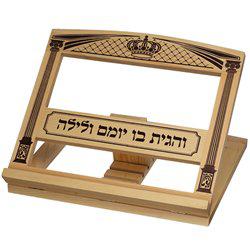
"סטנדר" (shtender)
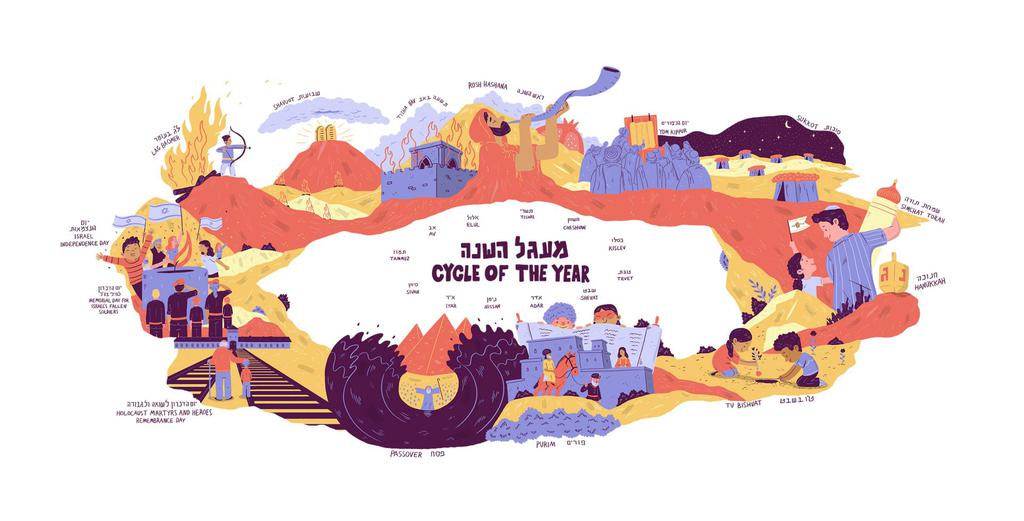
מעגל השנה/ מאייר: אביאל בסיל
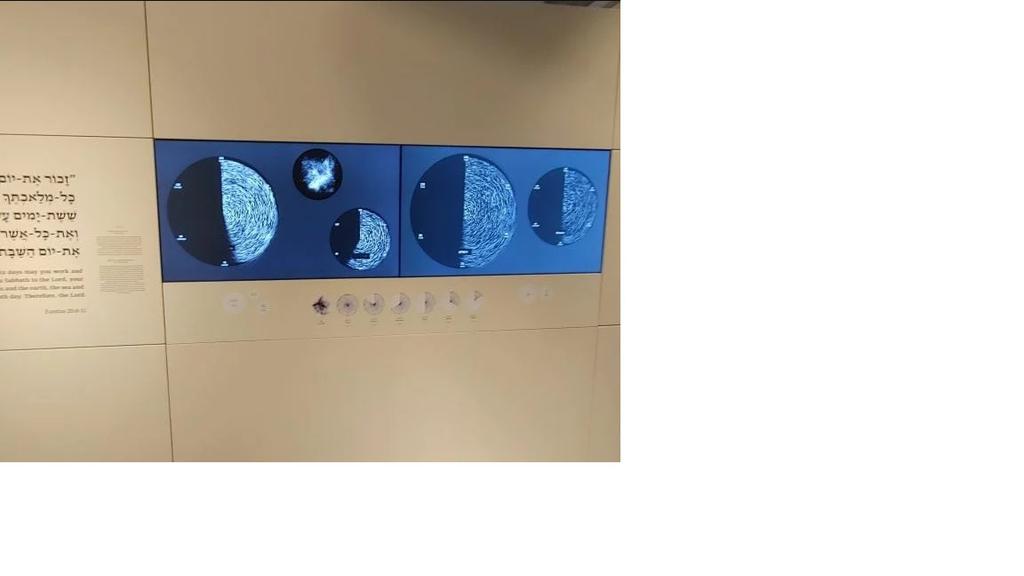
הדסה גולדויכט 143 שעות (שעון שבת) מיצג וידיאו, 2020
"אנו לוח השנה שלנו"
"בלוח השנה שלנו טמונה זהותנו"
הלוח הגרגוריאני הוא לוח שמש. שנה אחת מסתיימת כאשר כדור הארץ משלים סיבוב אחד סביב השמש.
הלוח המוסלמי הוא לוח ירח, שבו החודשים נקבעים על פי הירח,
והלוח היהודי הוא שילוב של לוח ירח ולוח שמש.
אטימולוגיה של המילה חודש וחדש. מה שמתחדש בכל חודש הוא הירח.
תרבות של מחלוקת
כָּל מַחֲלֹקֶת שֶׁהִיא לְשֵׁם שָׁמַיִם, סוֹפָהּ לְהִתְקַיֵּם. וְשֶׁאֵינָהּ לְשֵׁם שָׁמַיִם, אֵין סוֹפָהּ לְהִתְקַיֵּם. אֵיזוֹ הִיא מַחֲלֹקֶת שֶׁהִיא לְשֵׁם שָׁמַיִם, זוֹ מַחֲלֹקֶת הִלֵּל וְשַׁמַּאי. וְשֶׁאֵינָהּ לְשֵׁם שָׁמַיִם, זוֹ מַחֲלֹקֶת קֹרַח וְכָל עֲדָתוֹ:
Every dispute that is for the sake of Heaven, will in the end endure; But one that is not for the sake of Heaven, will not endure. Which is the controversy that is for the sake of Heaven? Such was the controversy of Hillel and Shammai. And which is the controversy that is not for the sake of Heaven? Such was the controversy of Korah and all his congregation.
אז... שנה טובה גם היום
(א) אַרְבָּעָה רָאשֵׁי שָׁנִים הֵם.
בְּאֶחָד בְּנִיסָן רֹאשׁ הַשָּׁנָה לַמְּלָכִים וְלָרְגָלִים.
בְּאֶחָד בֶּאֱלוּל רֹאשׁ הַשָּׁנָה לְמַעְשַׂר בְּהֵמָה. רַבִּי אֶלְעָזָר וְרַבִּי שִׁמְעוֹן אוֹמְרִים, בְּאֶחָד בְּתִשְׁרֵי.
בְּאֶחָד בְּתִשְׁרֵי רֹאשׁ הַשָּׁנָה לַשָּׁנִים וְלַשְּׁמִטִּין וְלַיּוֹבְלוֹת, לַנְּטִיעָה וְלַיְרָקוֹת.
בְּאֶחָד בִּשְׁבָט, רֹאשׁ הַשָּׁנָה לָאִילָן, כְּדִבְרֵי בֵית שַׁמַּאי. בֵּית הִלֵּל אוֹמְרִים, בַּחֲמִשָּׁה עָשָׂר בּוֹ:
הידעת?
גם בט"ו בשבט הכנסת חוגגת את יום הולדתה!!! 14 בפברואר 1949
(1) They are four days in the year that serve as the New Year, each for a different purpose: On the first of Nisan is the New Year for kings; it is from this date that the years of a king’s rule are counted. And the first of Nisan is also the New Year for the order of the Festivals, as it determines which is considered the first Festival of the year and which the last. On the first of Elul is the New Year for animal tithes; all the animals born prior to that date belong to the previous tithe year and are tithed as a single unit, whereas those born after that date belong to the next tithe year. Rabbi Elazar and Rabbi Shimon say: The New Year for animal tithes is on the first of Tishrei. On the first of Tishrei is the New Year for counting years, as will be explained in the Gemara; for calculating Sabbatical Years and Jubilee Years, i.e., from the first of Tishrei there is a biblical prohibition to work the land during these years; for planting, for determining the years of orla, the three-year period from when a tree has been planted during which time its fruit is forbidden; and for tithing vegetables, as vegetables picked prior to that date cannot be tithed together with vegetables picked after that date. On the first of Shevat is the New Year for the tree; the fruit of a tree that was formed prior to that date belong to the previous tithe year and cannot be tithed together with fruit that was formed after that date; this ruling is in accordance with the statement of Beit Shammai. But Beit Hillel say: The New Year for trees is on the fifteenth of Shevat.
קוהרנטיות
וְהָתַנְיָא: לְעוֹלָם הֲלָכָה כְּדִבְרֵי בֵּית הִלֵּל, וְהָרוֹצֶה לַעֲשׂוֹת כְּדִבְרֵי בֵּית שַׁמַּאי — עוֹשֶׂה. כְּדִבְרֵי בֵּית הִלֵּל — עוֹשֶׂה. מִקּוּלֵּי בֵּית שַׁמַּאי וּמִקּוּלֵּי בֵּית הִלֵּל — רָשָׁע. מֵחוּמְרֵי בֵּית שַׁמַּאי וּמֵחוּמְרֵי בֵּית הִלֵּל — עָלָיו הַכָּתוּב אוֹמֵר: ״וְהַכְּסִיל בַּחֹשֶׁךְ הוֹלֵךְ״. אֶלָּא: אִי כְּבֵית שַׁמַּאי — בְּקוּלֵּיהוֹן וּבְחוּמְרֵיהוֹן. אִי כְּבֵית הִלֵּל — בְּקוּלֵּיהוֹן וּבְחוּמְרֵיהוֹן.
The Gemara questions Rabbi Akiva’s conduct: But do we adopt the respective stringencies of two authorities who disagree on a series of issues? Isn’t it taught in a baraita: The halakha is always in accordance with the statement of Beit Hillel, but one who wishes to act in accordance with the statement of Beit Shammai may do so, and one who wishes to act in accordance with the statement of Beit Hillel may do so. If he adopts both the leniencies of Beit Shammai and also the leniencies of Beit Hillel, he is a wicked person. And if he adopts both the stringencies of Beit Shammai and the stringencies of Beit Hillel, with regard to him the verse states: “The fool walks in darkness” (Ecclesiastes 2:14). Rather, one should act either in accordance with Beit Shammai, following both their leniencies and their stringencies, or in accordance with Beit Hillel, following both their leniencies and their stringencies. If so, why did Rabbi Akiva follow two contradictory stringencies?
ינצח הטיעון הטוב ביותר
תָּנוּ רַבָּנַן: מִצְוַת חֲנוּכָּה, נֵר אִישׁ וּבֵיתוֹ. וְהַמְהַדְּרִין, נֵר לְכׇל אֶחָד וְאֶחָד. וְהַמְהַדְּרִין מִן הַמְהַדְּרִין, בֵּית שַׁמַּאי אוֹמְרִים: יוֹם רִאשׁוֹן מַדְלִיק שְׁמֹנָה, מִכָּאן וְאֵילָךְ פּוֹחֵת וְהוֹלֵךְ. וּבֵית הִלֵּל אוֹמְרִים: יוֹם רִאשׁוֹן מַדְלִיק אַחַת, מִכָּאן וְאֵילָךְ מוֹסִיף וְהוֹלֵךְ. אָמַר עוּלָּא: פְּלִיגִי בַּהּ תְּרֵי אָמוֹרָאֵי בְּמַעְרְבָא, רַבִּי יוֹסֵי בַּר אָבִין וְרַבִּי יוֹסֵי בַּר זְבִידָא. חַד אָמַר טַעְמָא דְּבֵית שַׁמַּאי כְּנֶגֶד יָמִים הַנִּכְנָסִין, וְטַעְמָא דְּבֵית הִלֵּל כְּנֶגֶד יָמִים הַיּוֹצְאִין. וְחַד אָמַר טַעְמָא דְּבֵית שַׁמַּאי כְּנֶגֶד פָּרֵי הַחַג, וְטַעְמָא דְּבֵית הִלֵּל דְּמַעֲלִין בַּקֹּדֶשׁ וְאֵין מוֹרִידִין. אָמַר רַבָּה בַּר בַּר חָנָה אָמַר רַבִּי יוֹחָנָן: שְׁנֵי זְקֵנִים הָיוּ בְּצַיְדָּן. אֶחָד עָשָׂה כְּבֵית שַׁמַּאי וְאֶחָד עָשָׂה כְּדִבְרֵי בֵּית הִלֵּל....
שאלות לחשיבה על הסוגיה
- האם יש יום שבו בית הלל ובית שמאי מדליקים את אותו מספר נרות? אם כן, איזה יום?
- מה משמעות הביטוי כְּנֶגֶד פָּרֵי הַחַג?
- איזו שיטה את.ה מעדיף.ה? מדוע?
The Sages taught in a baraita: The basic mitzva of Hanukkah is each day to have a light kindled by a person, the head of the household, for himself and his household. And the mehadrin, i.e., those who are meticulous in the performance of mitzvot, kindle a light for each and every one in the household. And the mehadrin min hamehadrin, who are even more meticulous, adjust the number of lights daily. Beit Shammai and Beit Hillel disagree as to the nature of that adjustment. Beit Shammai say: On the first day one kindles eight lights and, from there on, gradually decreases the number of lights until, on the last day of Hanukkah, he kindles one light. And Beit Hillel say: On the first day one kindles one light, and from there on, gradually increases the number of lights until, on the last day, he kindles eight lights. Ulla said: There were two amora’im in the West, Eretz Yisrael, who disagreed with regard to this dispute, Rabbi Yosei bar Avin and Rabbi Yosei bar Zevida. One said that the reason for Beit Shammai’s opinion is that the number of lights corresponds to the incoming days, i.e., the future. On the first day, eight days remain in Hanukkah, one kindles eight lights, and on the second day seven days remain, one kindles seven, etc. The reason for Beit Hillel’s opinion is that the number of lights corresponds to the outgoing days. Each day, the number of lights corresponds to the number of the days of Hanukkah that were already observed. And one said that the reason for Beit Shammai’s opinion is that the number of lights corresponds to the bulls of the festival of Sukkot: Thirteen were sacrificed on the first day and each succeeding day one fewer was sacrificed (Numbers 29:12–31). The reason for Beit Hillel’s opinion is that the number of lights is based on the principle: One elevates to a higher level in matters of sanctity and one does not downgrade. Therefore, if the objective is to have the number of lights correspond to the number of days, there is no alternative to increasing their number with the passing of each day. Rabba bar bar Ḥana said that Rabbi Yoḥanan said: There were two Elders in Sidon, and one of them acted in accordance with the opinion of Beit Shammai, and one of them acted in accordance with the opinion of Beit Hillel. Each provided a reason for his actions: One gave a reason for his actions: The number of lights corresponds to the bulls of the Festival. And one gave a reason for his actions: The number of lights is based on the principle: One elevates to a higher level in matters of sanctity and one does not downgrade.
מזוזה כפשרה - סמל יהודי

מנחות ל"ג.
רש"י (רבי שלמה יצחקי):
- חי במאה ה-11 (1040-1105).
- נולד וחי בצרפת, בעיר טרואה.
- היה הפרשן המשפיע ביותר של התורה והתלמוד.
רבנו תם (רבי יעקב בן מאיר):
- חי במאה ה-12 (1100-1171).
- גם בצרפת, נכדו של רש"י.
- מנהיג בעלי התוספות, קבוצת פרשנים של התלמוד.