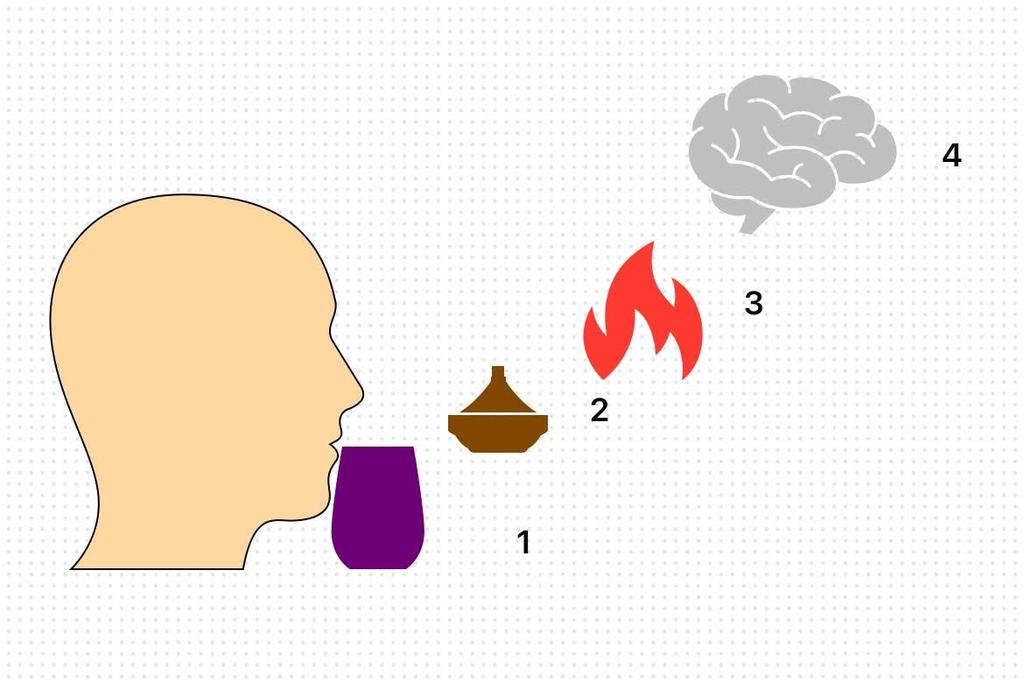
We also possess a "third" eye which is there in the spiritual sense, and it is called the "ein hasechel" (lit. the intellectual eye).
There is a fundamental difference in what the function each of these eyes has. The einei habasar sees things from the perspective of one's animalistic desires. The most basic principle that the einei habasar follows is keeping the beholder's eyes separate from its surroundings. When a person looks at another person purely with "einei habasar" they get a feeling of they are them and I am me and that the two are separate entities (and it is the beholder that matters and the object being seen as being a threat or something to bring them pleasure)
This is where opening up one's ein hasechel is crucial. The ein hasechel allows one to shift their perspective to act with judgement and decide based on his neshama and wisdom that there are people to which one should allow themselves to connect with, as well as people to stay away from.
This kabbalsitic concept actually mirrors the physical anatomy of the eyes. A person has two eyes, and both of them see from different perspectives, even ever so slightly, and can cause one to error and be misled.
It is the ein haseichel, also known as the ein hashelishis (the third eye) that sits above the eyes close to the forehead that acts as the chut hameshulash (the connecting knot) or the "control tower" with which one can make an educated decision whether to become one and connect to the person or object in question, or remain separate and disconnected from it.
Eyes 👁👁 | Mouth 👄 | |
| Man and G-d | Tefillen | Tefilla and Torah |
| Man and his fellow | Positive Eye | Refraining from Lashon Hara |
| Sukkos ----------------------------- | Eyes |
| Pesach ------------------------------ | Mouth |
| Shavuos ---------------------------- | Eyes and Mouth |
As mentioned in the explanation to the cover page, Yosef (as a continuation of Yaakov's unfinished mission) was on a mission to repair the Original Sin of Adam HaRishon, which was done primarily through the eyes and mouth.
(ב) והוא נער. שֶׁהָיָה עוֹשֶׂה מַעֲשֵׂה נַעֲרוּת, מְתַקֵּן בִּשְׂעָרוֹ, מְמַשְׁמֵשׁ בְּעֵינָיו, כְּדֵי שֶׁיִּהְיֶה נִרְאֶה יָפֶה:
(2) והוא נער AND HE, BEING A LAD — His actions were childish: he dressed his hair, he touched up his eyes so that he should appear good-looking (Genesis Rabbah 84:7)
(ד) את דבתם רעה. כָּל רָעָה שֶׁהָיָה רוֹאֶה בְאֶחָיו בְנֵי לֵאָה הָיָה מַגִּיד לְאָבִיו, שֶׁהָיוּ אוֹכְלִין אֵבֶר מִן הַחַי, וּמְזַלְזְלִין בִּבְנֵי הַשְּׁפָחוֹת לִקְרוֹתָן עֲבָדִים, וַחֲשׁוּדִים עַל הָעֲרָיוֹת
(4) את דבתם רעה THEIR EVIL REPORT — Whatever he saw wrong in his brothers, the sons of Leah, he told to his father: that they used to eat flesh cut off from a living animal, that they treated the sons of the handmaids with contempt, calling them slaves, and that they were suspected of living in an immoral manner.
But how would a tunic help Yosef in his goal of perfecting his power of speech?
Let's begin by looking into the term the passuk uses for this "tunic."
The passuk calls this article of clothing by a very peculiar title, a "Kesones Pasim":
(ג) וְיִשְׂרָאֵ֗ל אָהַ֤ב אֶת־יוֹסֵף֙ מִכׇּל־בָּנָ֔יו כִּֽי־בֶן־זְקֻנִ֥ים ה֖וּא ל֑וֹ וְעָ֥שָׂה ל֖וֹ כְּתֹ֥נֶת פַּסִּֽים׃
(3) Now Israel loved Joseph best of all his sons—he was his “child of old age,” and he had made him an ornamented tunic.
According to this, Yaakov gave Yosef this tunic as a constant reminder to "assist" him in using his mouth correctly, and thereby help him in his ultimate mission to rectify the sin of Adam HaRishon.
It was during those dark times of subjegation and vulnerability where he was given the potential to really rectify his power of sight, because if one can have a positive attitude and look after others when one naturally looks after themselves with disregard
for another, then they are fit to be given a position of power - such as kingship, where they could use their vision to make a greater impact.
Yosef demonstrated this trait in his interactions with the butler and the baker whom he noticed were despondent. (which would be a pivotal step in to how Yosef would actually end up becoming viceroy over Mitzrayim) The passuk says:
(א) כי ה' אתו. שֵׁם שָׁמַיִם שָׁגוּר בְּפִיו:
(1) כי ה‘ אתו THAT THE LORD WAS WITH HIM — the name of God was a familiar word in his mouth (Midrash Tanchuma, Vayeshev 8).
For this reason Yosef refers specifically to his eyes and mouth when he makes his final reveal. The passuk says:
(יב) וְהִנֵּ֤ה עֵֽינֵיכֶם֙ רֹא֔וֹת וְעֵינֵ֖י אָחִ֣י בִנְיָמִ֑ין כִּי־פִ֖י הַֽמְדַבֵּ֥ר אֲלֵיכֶֽם׃
(12) Behold your eyes see, and my brother Benjamin's eyes see, that it is indeed my mouth that is speaking to you.
(א) וַיְחִי יַעֲקֹב בְּאֶרֶץ מִצְרַיִם... (בראשית מז, כח), לָמָּה פָּרָשָׁה זוֹ סְתוּמָה מִכָּל הַפָּרָשִׁיּוֹת שֶׁל תּוֹרָה, אֶלָּא כֵּיוָן שֶׁנִּפְטַר אָבִינוּ יַעֲקֹב הִתְחִילָה שִׁעְבּוּד מִצְרַיִם עַל יִשְׂרָאֵל.
(1) “Jacob lived in the land of Egypt...(Genesis 47:28).
“Jacob lived in the land of Egypt” – why is this portion more closed than any of the Torah portions?1Typically between Torah portions there is a nine-letter long space in the Torah scroll. Leading into the Torah portion of Vayḥi, which begins with this verse, there is merely a one letter space. It is because once our patriarch Jacob died, the enslavement in Egypt began.
(א) ויחי יעקב. לָמָּה פָּרָשָׁה זוֹ סְתוּמָה? לְפִי שֶׁכֵּיוָן שֶׁנִּפְטַר יַעֲקֹב אָבִינוּ נִסְתְּמוּ עֵינֵיהֶם וְלִבָּם שֶׁל יִשְׂרָאֵל מִצָּרַת הַשִּׁעְבּוּד, שֶׁהִתְחִילוּ לְשַׁעְבְּדָם
(1) ויחי יעקב AND JACOB LIVED — Why is this section (Sidra) totally closed? Because, comprising as it does an account of the death of Jacob, as soon as our father Jacob departed, the eyes and hearts of Israel were closed because of the misery of the bondage which they then began to impose upon them...
However, with regards to a closed mouth, it isn't so much that there are words that are coming out but one is stopping them by keeping his mouth closed, rather there is another component of wanting to speak which also obstructs speech from emerging.
Perhaps, even while Klal Yisrael were in the Galus Mitzrayim, they were still on the level of "eina pekicha" having that open eye to see Hashem's ways, but because of the backbreaking labor and not having a minute to "breathe" their eyes were "covered over" from connecting actively to Hashem, but had the suffering ceased they would have been close to Hashem in actuality.*
However, the power of the mouth was something that Klal Yisrael then still struggled with, and they had not yet come to perfect it. The passuk indeed attests to their lacking of their usage of the mouth for positivity and G-dliness.
(ד) אכן נודע הדבר. כְּמַשְׁמָעוֹ. וּמִדְרָשׁוֹ, נוֹדַע לִי הַדָּבָר שֶׁהָיִיתִי תָּמֵהַּ עָלָיו, מֶה חָטְאוּ יִשְׂרָאֵל מִכָּל שִׁבְעִים אֻמּוֹת לִהְיוֹת נִרְדִּים בַּעֲבוֹדַת פֶּרֶךְ, אֲבָל רוֹאֶה אֲנִי שֶׁהֵם רְאוּיִים לְכָךְ (שמות רבה א'):
(4) אכן נדע הדבר SURELY THE THING IS KNOWN — Explain it in its literal sense: the fact that I have killed the Egyptian is known. A Midrashic explanation is: now there is known to me that matter about which I have been puzzled — how has Israel sinned more than all the seventy nations, that they should be oppressed by this crushing servitude? But now I see that they deserve this (Exodus Rabbah 1:30).
הַלְהָרְגֵנִי אַתָּה אֹמֵר, אַתָּה מְבַקֵּשׁ לֹא נֶאֱמַר, אֶלָּא אַתָּה אֹמֵר, מִכָּאן אַתָּה לָמֵד שֶׁשֵּׁם הַמְפֹרָשׁ הִזְכִּיר עַל הַמִּצְרִי וַהֲרָגוֹ. כֵּיוָן שֶׁשָּׁמַע כֵּן נִתְיָרֵא מִלָּשׁוֹן הָרָע, וַיֹּאמַר אָכֵן נוֹדַע הַדָּבָר, רַבִּי יְהוּדָה בַּר רַבִּי שָׁלוֹם בְּשֵׁם רַבִּי חֲנִינָא הַגָּדוֹל, וְרַבּוֹתֵינוּ בְּשֵׁם רַבִּי אֲלֶכְּסַנְדְּרִי אָמְרוּ, הָיָה משֶׁה מְהַרְהֵר בְּלִבּוֹ וְאוֹמֵר מֶה חָטְאוּ יִשְׂרָאֵל שֶׁנִּשְׁתַּעְבְּדוּ מִכָּל הָאֻמּוֹת, כֵּיוָן שֶׁשָּׁמַע דְּבָרָיו אָמַר לָשׁוֹן הָרָע יֵשׁ בֵּינֵיהֶן הֵיאַךְ יִהְיוּ רְאוּיִין לַגְּאֻלָּה, לְכָךְ אָמַר: אָכֵן נוֹדַע הַדָּבָר, עַתָּה יָדַעְתִּי בְּאֵיזֶה דָבָר הֵם מִשְׁתַּעְבְּדִים.
“Do you propose [omer] to kill me?” Do you seek to kill me is not stated, but rather do you omer [literally, say]. From here you learn that he had invoked the ineffable name against the Egyptian, and killed him. When he heard this,65When Moses heard the response of the Hebrew man he had rebuked. he feared slander and he said: “Indeed, the matter is known.” Rabbi Yehuda bar Rabbi Shalom [said] in the name of Rabbi Ḥanina the Great, and our Rabbis said in the name of Rabbi Alexandri: Moshe was pondering in his heart and saying: What sin did Israel commit that caused them, more than all the nations, to be enslaved? When he heard his response, he said: ‘There is slander in their midst, how can they be deserving of redemption?’ Therefore he said: “Indeed the matter is known” – now I know the reason for their enslavement.
וְאָמַר רַבִּי אֶלְעָזָר: מִיּוֹם שֶׁחָרַב בֵּית הַמִּקְדָּשׁ נִנְעֲלוּ שַׁעֲרֵי תְּפִלָּה, שֶׁנֶּאֱמַר: ״גַּם כִּי אֶזְעַק וַאֲשַׁוֵּעַ שָׂתַם תְּפִלָּתִי״. וְאַף עַל פִּי שֶׁשַּׁעֲרֵי תְפִילָּה נִנְעֲלוּ, שַׁעֲרֵי דִמְעָה לֹא נִנְעֲלוּ, שֶׁנֶּאֱמַר: ״שִׁמְעָה תְפִלָּתִי ה׳ וְשַׁוְעָתִי הַאֲזִינָה אֶל דִּמְעָתִי אַל תֶּחֱרַשׁ״.
Rabbi Elazar also said: Since the day the Temple was destroyed the gates of prayer were locked and prayer is not accepted as it once was, as it is said in lamentation of the Temple’s destruction: “Though I plead and call out, He shuts out my prayer” (Lamentations 3:8). Yet, despite the fact that the gates of prayer were locked with the destruction of the Temple, the gates of tears were not locked, and one who cries before God may rest assured that his prayers will be answered, as it is stated: “Hear my prayer, Lord, and give ear to my pleading, keep not silence at my tears” (Psalms 39:13).
But the mouth's function is different, the mouth's function is like a bridge that connects the body to the soul, to connect ones physicality to the spirituality. The power of the mouth accomplishes a supernatural purpose, one that only man can do; animals stay purely physical and angels stay purely spiritual.
For this reason when Hashem created man, he stressed that it was his power of speech that set him apart from the animal kingdom. The passuk says:
(ז) וַיִּ֩יצֶר֩ יְהֹוָ֨ה אֱלֹהִ֜ים אֶת־הָֽאָדָ֗ם עָפָר֙ מִן־הָ֣אֲדָמָ֔ה וַיִּפַּ֥ח בְּאַפָּ֖יו נִשְׁמַ֣ת חַיִּ֑ים וַיְהִ֥י הָֽאָדָ֖ם לְנֶ֥פֶשׁ חַיָּֽה׃
(7) Hashem formed the Human, blowing into his nostrils the breath of life: and so the Human became a living being.
(ז) וּבְרָא יְיָ אֱלֹהִים יָת אָדָם עַפְרָא מִן אַדְמְתָא וּנְפַח בְּאַפּוֹהִי נִשְׁמְתָא דְחַיֵּי וַהֲוַת בְּאָדָם לְרוּחַ מְמַלְלָא:
(7) Hashem then formed the man, dust from the ground, and He blew into his nostrils the breath of life. And so man became a speaking soul.
However the word for mouth, peh is also the word used for the letter in the Alef Beis which has the gematria of 80, which has the root of 8, which represents the supernatural. As we mentioned, the power of speech is a supernatural phenomenon, and perhaps it is for this reason the word for "mouth" itself is perfectly summed up as an "80" - the ultimate expression of supernatural experience.

(ו) עֵד֤וּת ׀ בִּיה֘וֹסֵ֤ף שָׂמ֗וֹ בְּ֭צֵאתוֹ עַל־אֶ֣רֶץ מִצְרָ֑יִם שְׂפַ֖ת לֹא־יָדַ֣עְתִּי אֶשְׁמָֽע׃
(6) He imposed it as a decree upon Jehoseph when he went on the land of Egypt; I heard a language that I knew not.
The letter hei represents Olam HaZeh which was created with the letter hei. Yosef demonstrated his unwavering loyalty and Emunah in Hashem in Mitzrayim. He was constantly attributing his successes to Hashem, speaking about Hashem, and saying with full belief, that everything that Hashem did was for the good.
This outlook on life wasn't random, it was a product of Yosef's concerted effort to stay separate from the Egyptian way of life where they were focused on Olam HaZeh and its enjoyment.
Yosef's relationship to Mitzrayim is described in the next words in the passuk, "when he went over Mitzrayim." Yosef didn't integrate into Mitzrayim, he was "hovering over it" so to speak, but staying separate from its blasphemous and immoral ways.
This explains why the hei is added specifically in this passuk, since the hei represents Olam HaZeh, and Yosef had, in some respect, "mastered" the world in a way where he was in control, and the world didn't control him.