(ג) תינוקת שהביאה שתי שערות, חייבת בכל מצות האמורות בתורה, או חולצת, או מתיבמת. וכן תינוק שהביא שתי שערות, חייב בכל מצות האמורות בתורה, ראוי להיות בן סורר ומורה, נתמלא זקנו, ראוי לעשות שליח צבור לעבור לפני התיבה, ולישא את כפיו. אבל אין חולק בקדשי מקדש עד שיביא שתי שערות, ר' אומ' אומ' אני עד שיהא בן עשרים שנה, שנ' "ויעמידו את הלוים מבן עשרים שנה ומעלה לנצח על מלאכת בית ה׳" (עזרא ג, ח).
(3) 1:3 A female or male who has developed two pubic hairs is obliged to observe all the commandments stated in the Torah. A female should carry out the rite of ḥaliṣah or enter into levirate marriage whereas a male is eligible to become a rebellious son. However, it is only when his beard has fully grown that he can be appointed as the community's messenger to pass before the Ark and to raise his hands in priestly benediction. Only after producing two pubic hairs can he obtain a share in the Holy Things of the sanctuary. Rabbi, however, indicates that the person should reach twenty years of age, echoing Ezra 3:8.
1. רָבָא אָמַר רַב נַחְמָן: תּוֹךְ זְמַן כְּלִפְנֵי זְמַן. רָבָא בַּר רַב שֵׁילָא אָמַר רַב נַחְמָן: תּוֹךְ זְמַן כִּלְאַחַר זְמַן. (קנה ע"ב).
2. שְׁלַח לֵיהּ גִּידֵּל בַּר מְנַשְּׁיָא לְרָבָא, יְלַמְּדֵנוּ רַבֵּינוּ: תִּינוֹקֶת בַּת אַרְבַּע עֶשְׂרֵה שָׁנָה וְיוֹם אֶחָד, יוֹדַעַת בְּטִיב מַשָּׂא וּמַתָּן; מַהוּ? שְׁלַח לֵיהּ: אִם יוֹדַעַת בְּטִיב מַשָּׂא וּמַתָּן – מִקָּחָהּ מִקָּח וּמִמְכָּרָהּ מִמְכָּר. וְלִישְׁלַח לֵיהּ תִּינוֹק! מַעֲשֶׂה שֶׁהָיָה כָּךְ הָיָה... (קנה ע"ב).
3. אָמַר רַב הוּנָא בְּרֵיהּ דְּרַב יְהוֹשֻׁעַ: וּלְעֵדוּת – עֵדוּתוֹ עֵדוּת. אָמַר מָר זוּטְרָא: לָא אֲמַרַן אֶלָּא לְמִטַּלְטְלֵי, אֲבָל לִמְקַרְקְעֵי – לָא. אֲמַר לֵיהּ רַב אָשֵׁי לְמָר זוּטְרָא: מַאי שְׁנָא... אָמַר לֵיהּ: הָתָם, בָּעֵינָא ״וְעָמְדוּ שְׁנֵי הָאֲנָשִׁים״, וְלֵיכָּא. (קנה ע"ב).
4. אָמַר אַמֵּימָר: וּמַתְּנָתוֹ מַתָּנָה. אֲמַר לֵיהּ רַב אָשֵׁי לְאַמֵּימָר: הַשְׁתָּא... אֲמַר לֵיהּ: וּלְטַעְמָיךְ... אֶלָּא קִים לְהוּ לְרַבָּנַן... (קנה ע"ב - קנו ע"א).
5. אָמַר רַב נַחְמָן אָמַר שְׁמוּאֵל: בּוֹדְקִין לְקִדּוּשִׁין, לְגֵרוּשִׁין, וְלַחֲלִיצָה, וּלְמֵיאוּנִין. וְלִמְכּוֹר בְּנִכְסֵי אָבִיו – עַד שֶׁיְּהֵא בֶּן עֶשְׂרִים (קנו ע"א).
[אִיתְּמַר: קָטָן, מֵאֵימָתַי מוֹכֵר בְּנִכְסֵי אָבִיו? רָבָא אָמַר רַב נַחְמָן: בֶּן שְׁמֹנֶה עֶשְׂרֵה שָׁנָה, וְרַב הוּנָא בַּר חִינָּנָא אָמַר רַב נַחְמָן: מִבֶּן עֶשְׂרִים שָׁנָה. וְהָא דְּרָבָא – לָאו בְּפֵירוּשׁ אִיתְּמַר, אֶלָּא מִכְּלָלָא אִיתְּמַר... (קנה ע"א).]
הלשישות והלבוצין והברכוייר והבולפסין והרכפה והכרכום והקינרס והחמיתה והחלמית והסיאה והאזוב והקורנית והקישואין והדלועין והאבטיחים והמלפפונות, ופול המצרי מיני זרעים, הרי הן כלאים בכרם.
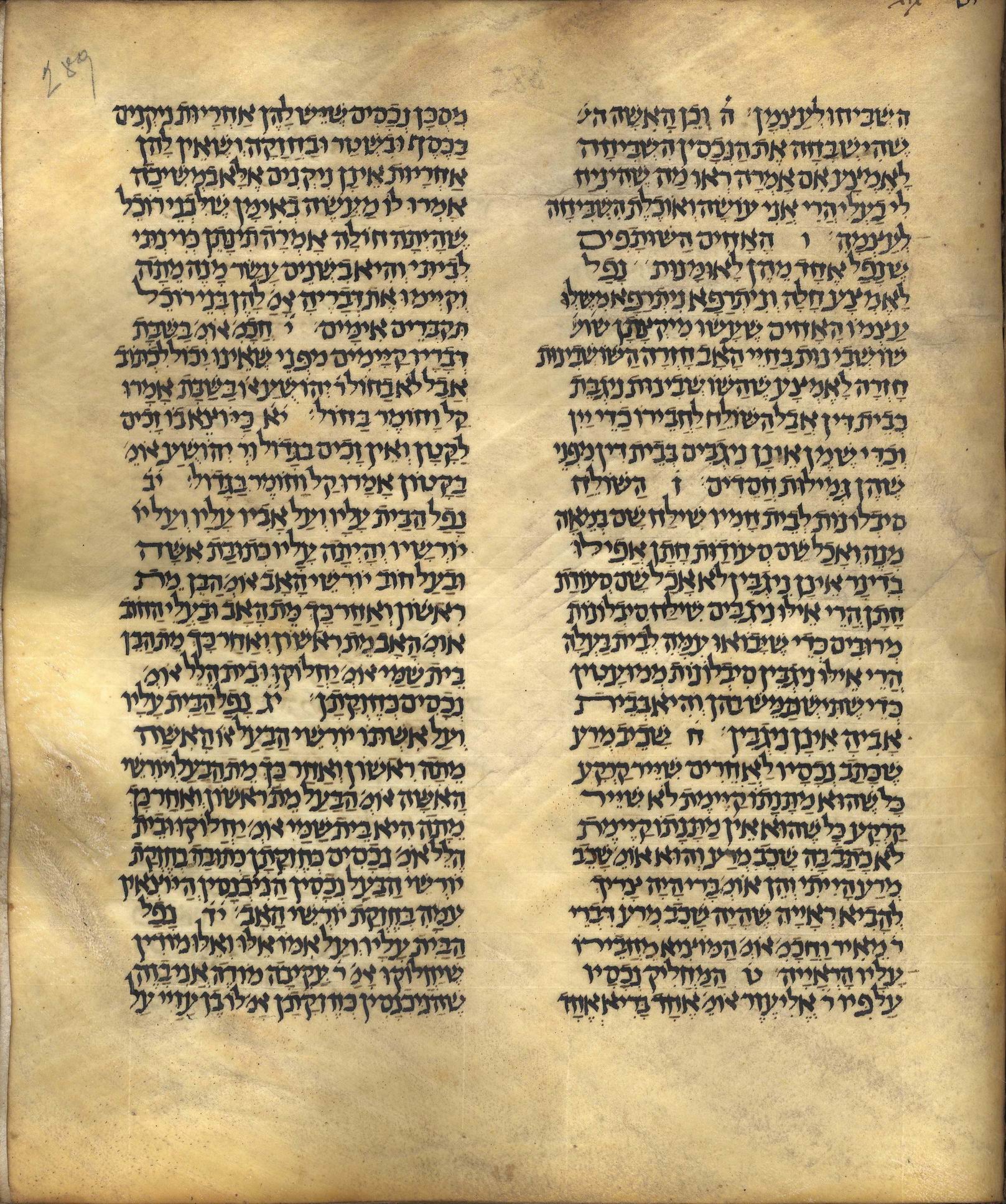


הַמְחַלֵּק נְכָסָיו עַל פִּיו כול׳. עַד כְדוֹן בְּשֶׁהָיוּ קַרְקָעוֹת וּמִטַּלְטְלִין בְּמָקוֹם אֶחָד. הָיוּ קַרְקָעוֹת בְּמָקוֹם אֶחָד וּמִטַּלְטְלִין בְּמָקוֹם אַחֵר.
אָמַר רִבִּי בּוּן: נִישְׁמְעִינָהּ מֵהָדָא - אָמַר לָהֶן רִבִּי אֱלִיעֶזֶר: מַעֲשֶׂה בִּמְרוֹנִי שֶׁהָיָה בִּירוּשָׁלֵם וְהָיוּ לוֹ מִטַּלְטְלִין הַרְבֶּה וּמְבַקֵּשׁ לְחַלְּקָן. אָֽמְרוּ לוֹ: אֵין לְךָ תַקָּנָה אֶלָּא אִם כֵּן קָנִיתָ קַרְקַע. מֶה עָשָׂה? הָלַךְ וְקָנָה סֶלַע אֶחָד סָמוּךְ לִירוּשָׁלֵם' אָמַר: חֶצְייָהּ צְפוֹנִי אֲנִי נוֹתֵן לִפְלוֹנִי וְעִמּוֹ מֵאָה צֹאן וּמֵאָה חָבִיּוֹת שֶׁל יַיִן' מֵחֶצְייָהּ דְּרוֹמִי אֲנִי נוֹתֵן לִפְלוֹנִי עִם מֵאָה חָבִיּוֹת שֶׁל שֶׁמֶן. וּבָא מַעֲשֶׂה לִפְנֵי חֲכָמִים וְקִייְמוּ אֶת דְּבָרָיו.
אָמַר רִבִּי חֲנַנְיָה קוֹמֵי רִבִּי מָנָא? וְלֹא שְׁכִיב מְרָע הוּא?
לְפִי שֶׁבְּכָל־מָקוֹם אֵין אָדָם מְזַכֶּה אֶלָּא בִּכְתָב וָכָא אֲפִילוּ בִדְבָרִים; לְפִי שֶׁבְכָל־מָקוֹם אֵין אָדָם מְזַכֶּה עַד שֶׁיִּהְיוּ קַרְקָעוֹת וּמְטַלְטְלִין בְּמָקוֹם אֶחָד וָכָא אֲפִילוּ קַרְקָעוֹת בְּמָקוֹם אֶחָד וּמִטַּלְטְלִין בְּמָקוֹם אֶחָד.
אֲמַר לֵיהּ: וְלֹא רִבִּי אֱלִיעֶזֶר הִיא? שַׁנְייָא הִיא שְׁכִיב מְרָע דְּרִבִּי לִיעֶזֶר כְּבָרִיא דְּרַבָּנִן. אֲמַר לֵיהּ: שְׁכִיב מְרָע דְּרִבִּי אֱלִיעֶזֶר כְּבָרִיא דְּרַבָּנִן.
תַּמָּן תַּנִּינָן: רִבִּי עֲקִיבָה אוֹמֵר: קַרְקַע כָּל־שֶׁהוּא.
אָמַר רִבִּי מַתַּנְיָה: תִּיפְתָּר מָקוֹם שִׁיבּוֹלֶת אַחַת וּמַרְגְלִית טְמוּנָה בוֹ.
אָמַר רִבִּי יוֹסֵי בֵּירִבִּי בּוּן: עִולָא הָיָה רוֹצֶה לְקַלְּלָן שֶּׁהֵן זוֹרְעִין כּוּרְכְּמִין בַּכֶּרֶם.
“ ‘Any real estate is subject to peah and first fruits, the words of Rebbi Aqiba.’ What is the use of any real estate? Rebbi Mattaniah said, explain it if it had space for one stalk but a pearl was hidden in it.”. Rebbi Yose ben Rebbi Abun said, he looked for a pretext to curse them since they were sowing saffron in a vineyard112This is forbidden as a case of kilaim. The Babli, 156b, clearly knows of the Yerushalmi explanation since after stating Samuel’s explanation that R. Eliezer wanted to curse them because they kept thistles in their vineyard, it asks: We understand that growing saffron is forbidden, but what is wrong with thistles?.