בָּרוּךְ אַתָּה ה׳ אֱלקֵינוּ מֶלֶך–הָעולָם אֲשֶׁר קִדְּשָנוּ בְּמִצְותָיו וְצִוָּנוּ לַעֲסק בְּדִבְרֵי-תורָה.
Blessing Over the Study of Torah
Baruch atah, Adonai Eloheinu, Melech haolam, asher kid’shanu b’mitzvotav v’tzivanu laasok b’divrei Torah.
Blessed are You, Adonai our God, Sovereign of the universe, who sanctifies us with mitzvot, commanding us to engage with words of Torah.
What is Kohelet? Why Read This Now?
Kohelet is one of the five scrolls* read publicly on a festival/holiday during the Jewish calendar. Translated as Ecclesiastes (from the Greek word which means "one who convenes or addresses an assembly," Kohelet appears in the Writings section of our Hebrew Bible. Traditionally, the text's authorship has been attributed to King Solomon due to its association with wisdom and introspection. However, most likely the book's authorship was written around 4th-3rd centuries BCE in the late Persian/early Hellenistic period. The entirety of this text is reflective, philosophical, and challenging, focusing on life's fleeting nature and the futility of human efforts in an elusive and unpredictable world.
Kohelet is especially associated with the holiday of Sukkot, our festival celebrating the fall harvest and commemorating the Israelites' journey through the desert. While Sukkot is consider z'man simchateinu (the time of our joy), Kohelet grounds us with its grave reflection on the impermanence of life. As a fragile temporary structure, the sukkah symbolizes and aligns with Kohelet's theme of the transitory nature of human existence. Chapter 1 especially highlights the book's central themes of futility and the cynical nature of human existence--all against a background of cyclical natural happenings: the patterns that are repetitive and unchanging throughout generations of human existence. Our challenge? To confront our limits of understanding and control while maintaining a connection to the joy of the season.
*The other four are Esther (Purim), Song of Songs (Passover), Ruth (Shavuot) and Eicha/Lamentations (Tisha B'Av).
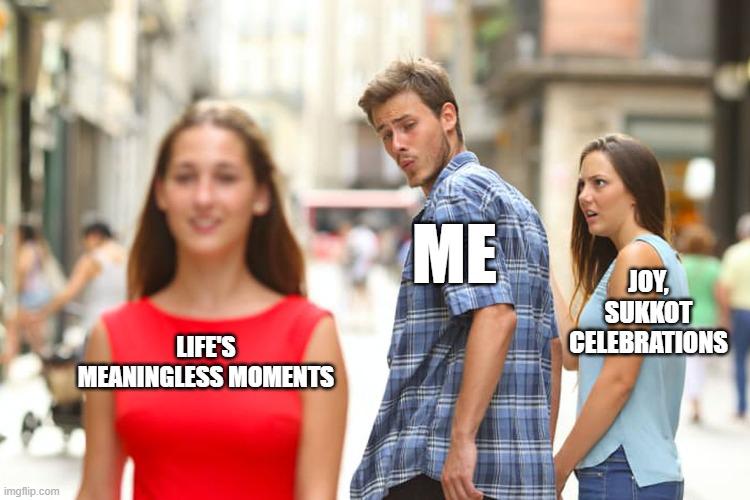
- How does Kohelet’s perspective on life’s futility resonate with or challenge your personal outlook?
- In what ways do you experience the cyclical nature of life (e.g., daily routines, seasons, etc.)?
- How might we reconcile the joy of Sukkot with the more somber reflections in Kohelet?
(א) דִּבְרֵי֙ קֹהֶ֣לֶת בֶּן־דָּוִ֔ד מֶ֖לֶךְ בִּירוּשָׁלָֽ͏ִם׃ (ב) הֲבֵ֤ל הֲבָלִים֙ אָמַ֣ר קֹהֶ֔לֶת הֲבֵ֥ל הֲבָלִ֖ים הַכֹּ֥ל הָֽבֶל׃ (ג) מַה־יִּתְר֖וֹן לָֽאָדָ֑ם בְּכׇ֨ל־עֲמָל֔וֹ שֶֽׁיַּעֲמֹ֖ל תַּ֥חַת הַשָּֽׁמֶשׁ׃ (ד) דּ֤וֹר הֹלֵךְ֙ וְד֣וֹר בָּ֔א וְהָאָ֖רֶץ לְעוֹלָ֥ם עֹמָֽדֶת׃ (ה) וְזָרַ֥ח הַשֶּׁ֖מֶשׁ וּבָ֣א הַשָּׁ֑מֶשׁ וְאֶ֨ל־מְקוֹמ֔וֹ שׁוֹאֵ֛ף זוֹרֵ֥חַֽ ה֖וּא שָֽׁם׃ (ו) הוֹלֵךְ֙ אֶל־דָּר֔וֹם וְסוֹבֵ֖ב אֶל־צָפ֑וֹן סוֹבֵ֤ב ׀ סֹבֵב֙ הוֹלֵ֣ךְ הָר֔וּחַ וְעַל־סְבִיבֹתָ֖יו שָׁ֥ב הָרֽוּחַ׃ (ז) כׇּל־הַנְּחָלִים֙ הֹלְכִ֣ים אֶל־הַיָּ֔ם וְהַיָּ֖ם אֵינֶ֣נּוּ מָלֵ֑א אֶל־מְק֗וֹם שֶׁ֤הַנְּחָלִים֙ הֹֽלְכִ֔ים שָׁ֛ם הֵ֥ם שָׁבִ֖ים לָלָֽכֶת׃ (ח) כׇּל־הַדְּבָרִ֣ים יְגֵעִ֔ים לֹא־יוּכַ֥ל אִ֖ישׁ לְדַבֵּ֑ר לֹא־תִשְׂבַּ֥ע עַ֙יִן֙ לִרְא֔וֹת וְלֹא־תִמָּלֵ֥א אֹ֖זֶן מִשְּׁמֹֽעַ׃ (ט) מַה־שֶּֽׁהָיָה֙ ה֣וּא שֶׁיִּהְיֶ֔ה וּמַה־שֶּׁנַּֽעֲשָׂ֔ה ה֖וּא שֶׁיֵּעָשֶׂ֑ה וְאֵ֥ין כׇּל־חָדָ֖שׁ תַּ֥חַת הַשָּֽׁמֶשׁ׃ (י) יֵ֥שׁ דָּבָ֛ר שֶׁיֹּאמַ֥ר רְאֵה־זֶ֖ה חָדָ֣שׁ ה֑וּא כְּבָר֙ הָיָ֣ה לְעֹֽלָמִ֔ים אֲשֶׁ֥ר הָיָ֖ה מִלְּפָנֵֽנוּ׃ (יא) אֵ֥ין זִכְר֖וֹן לָרִאשֹׁנִ֑ים וְגַ֨ם לָאַחֲרֹנִ֜ים שֶׁיִּהְי֗וּ לֹֽא־יִהְיֶ֤ה לָהֶם֙ זִכָּר֔וֹן עִ֥ם שֶׁיִּהְי֖וּ לָאַחֲרֹנָֽה׃ {פ}
(1) The words of Kohelet, son of David, king in Jerusalem:
(2) Utter futility!—said Kohelet—Utter futility! All is futile!
(3) What real value is there for a man in all the gains he makes beneath the sun?
(4) One generation goes, another comes, but the earth remains the same forever.
(5) The sun rises, and the sun sets—and glides back to where it rises. (6) Southward blowing, turning northward, ever turning blows the wind; on its rounds the wind returns. (7) All streams flow into the sea, yet the sea is never full; to the place [from] which they flow; the streams flow back again.
(8) All such things are wearisome: No man can ever state them; the eye never has enough of seeing, nor the ear enough of hearing. (9) Only that shall happen which has happened, only that occur which has occurred; there is nothing new beneath the sun!
(10) Sometimes there is a phenomenon of which they say, “Look, this one is new!”—it occurred long since, in ages that went by before us. (11) The earlier ones are not remembered; so too those that will occur later will no more be remembered than-e those that will occur at the very end.
Pursuit of Knowledge & Wisdom
(12) I, Kohelet, was king in Jerusalem over Israel. (13) I set my mind to study and to probe with wisdom all that happens under the sun.—An unhappy business, that, which God gave men to be concerned with!
(14) I observed all the happenings beneath the sun, and I found that all is futile and pursuit of wind: (15) A twisted thing that cannot be made straight, a lack that cannot be made good. (16) I said to myself: “Here I have grown richer and wiser than any that ruled before me over Jerusalem, and my mind has zealously absorbed wisdom and learning.” (17) And so I set my mind to appraise wisdom and to appraise madness and folly. And I learned—that this too was pursuit of wind:
(18) For as wisdom grows, vexation grows: To increase learning is to increase heartache.
(ז) הוּא הָיָה אוֹמֵר, מַרְבֶּה בָשָׂר, מַרְבֶּה רִמָּה. מַרְבֶּה נְכָסִים, מַרְבֶּה דְאָגָה. מַרְבֶּה נָשִׁים, מַרְבֶּה כְשָׁפִים. מַרְבֶּה שְׁפָחוֹת, מַרְבֶּה זִמָּה. מַרְבֶּה עֲבָדִים, מַרְבֶּה גָזֵל. מַרְבֶּה תוֹרָה, מַרְבֶּה חַיִּים. מַרְבֶּה יְשִׁיבָה, מַרְבֶּה חָכְמָה. מַרְבֶּה עֵצָה, מַרְבֶּה תְבוּנָה. מַרְבֶּה צְדָקָה, מַרְבֶּה שָׁלוֹם. קָנָה שֵׁם טוֹב, קָנָה לְעַצְמוֹ. קָנָה לוֹ דִבְרֵי תוֹרָה, קָנָה לוֹ חַיֵּי הָעוֹלָם הַבָּא:
(7) [Hillel III} used to say: The more flesh, the more worms; The more property, the more anxiety; The more wives, the more witchcraft; The more female slaves, the more lewdness; The more slaves, the more robbery;
[But] the more Torah, the more life; The more sitting [in the company of scholars], the more wisdom; The more counsel, the more understanding; The more charity, the more peace. If one acquires a good name, he has acquired something for himself; If one acquires for himself knowledge of Torah, he has acquired life in the world to come.
-
Kohelet concludes that "with much wisdom comes much vexation." Have you ever felt that increasing knowledge or understanding led to frustration or sorrow? How do you reconcile this with the value of learning and growth in your own life?
-
Pirkei Avot teaches that "the more study, the more wisdom," implying a positive outcome from intellectual pursuits. How do you balance the tension between Kohelet's skepticism about wisdom and the more hopeful view of wisdom in Jewish tradition, as seen in Pirkei Avot?
-
Both Kohelet and Pirkei Avot address the pursuit of wisdom, but with contrasting outcomes. How do you understand the role of wisdom in creating a meaningful life? Can wisdom be both a source of frustration and fulfillment? If so, how might we navigate this duality?