


וּלְקַחְתֶּ֨ם לָכֶ֜ם בַּיּ֣וֹם הָרִאשׁ֗וֹן
- פְּרִ֨י עֵ֤ץ הָדָר֙
- כַּפֹּ֣ת תְּמָרִ֔ים
- וַעֲנַ֥ף עֵץ־עָבֹ֖ת
- וְעַרְבֵי־נָ֑חַל
וּשְׂמַחְתֶּ֗ם לִפְנֵ֛י ה׳ אֱלֹקֵיכֶ֖ם שִׁבְעַ֥ת יָמִֽים׃
You shall take for yourselves, on the first day,
- the fruit of the beautiful tree (esrog)
- a branch of palm trees (lulav),
- a branch of a plaited tree [(a tree the branches of which are plaited like ropes — a myrtle)] (hadasim),
- and willows of the brook (aravos),
and you shall rejoice before Hashem, your God, for seven days.
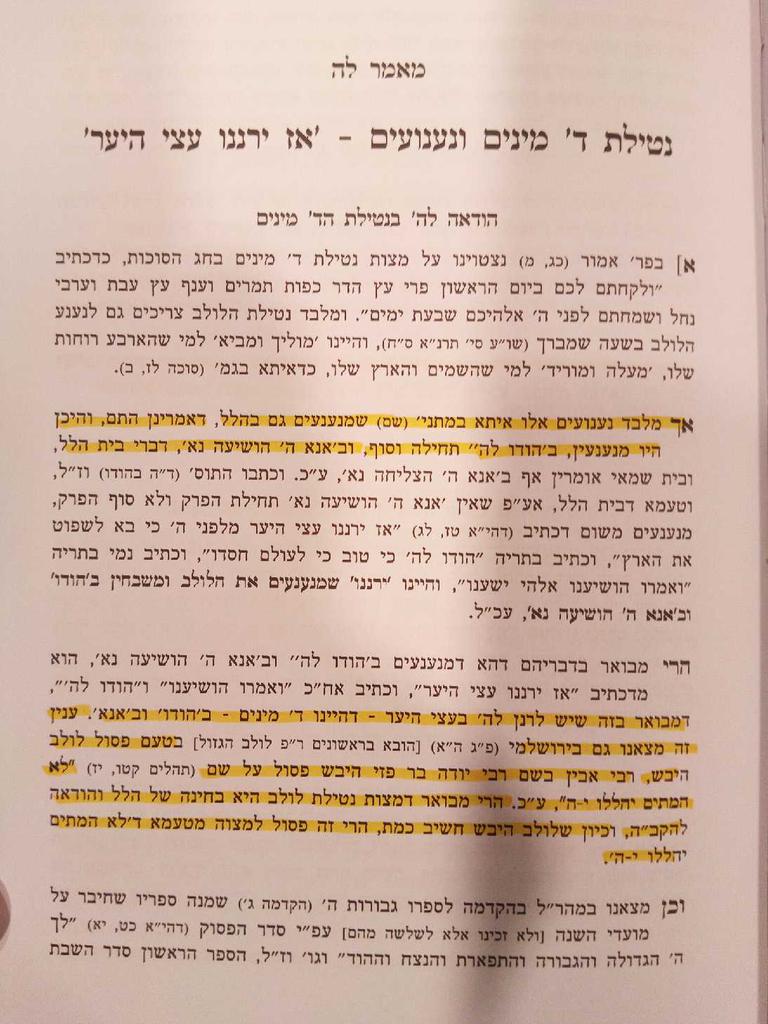
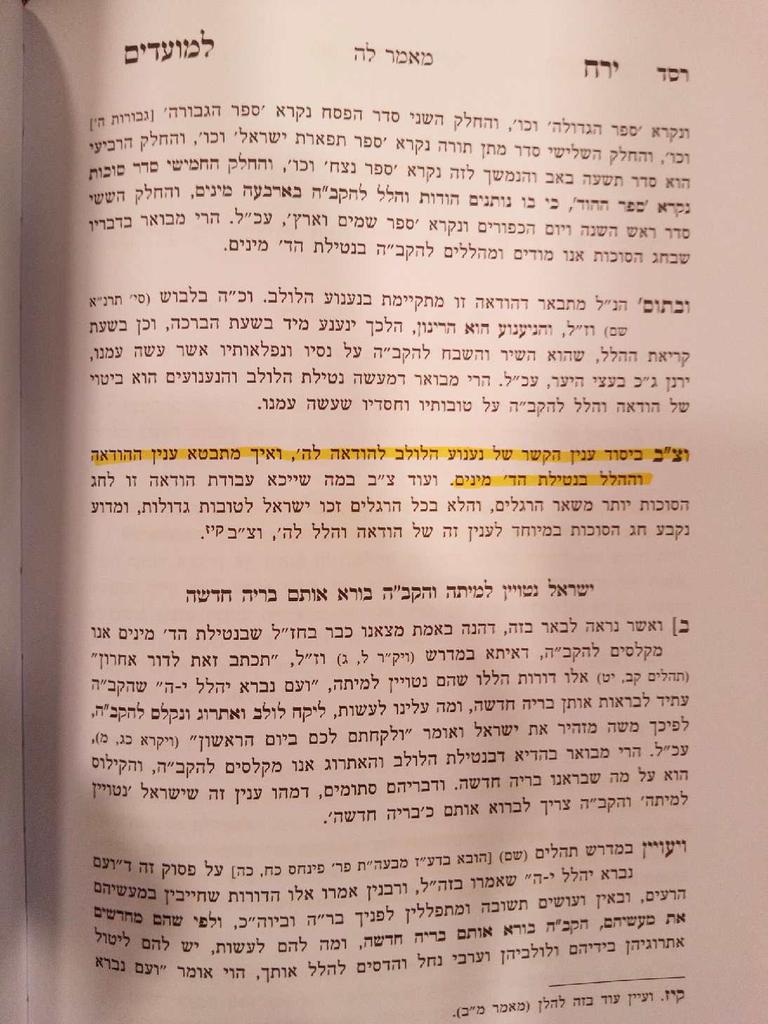
לוּלָב שֶׁיֶּשׁ בּוֹ שְׁלשָׁה טְפָחִים כְּדֵי לְנַעְנֵעַ בּוֹ, כָּשֵׁר:
A lulav that has three handbreadths in length, sufficient to enable one to wave with it, is fit for use in fulfilling the mitzva.
וְהֵיכָן הָיוּ מְנַעְנְעִין,
בְּ הוֹדוּ לַה׳ כִּי־טוֹב כִּי לְעוֹלָם חַסְדּוֹ תְּחִלָּה וָסוֹף,
וּבְ אָנָּא ה׳ הוֹשִׁיעָה נָּא,
דִּבְרֵי בֵית הִלֵּל.
And where in the recitation of hallel would they wave the lulav?
They would do so at the verse: “Thank Hashem, for He is good” (Psalms 118:1, 29) that appears at both the beginning and the end of the psalm,
and at the verse: “Lord, please save us” (Psalms 118:25);
this is the statement of Beit Hillel.
(ב) יֹֽאמַר־נָא יִשְׂרָאֵל כִּי לְעוֹלָם חַסְדּוֹ:
(ג)הוֹדוּ לַה׳ כִּי־טוֹב כִּי לְעוֹלָם חַסְדּוֹ:
(ד) יֹֽאמְרוּ־נָא בֵית־אַהֲרֹן כִּי לְעוֹלָם חַסְדּוֹ:
(ה)הוֹדוּ לַה׳ כִּי־טוֹב כִּי לְעוֹלָם חַסְדּוֹ:
(ו) יֹֽאמְרוּ־נָא יִרְאֵי ה׳ כִּי לְעוֹלָם חַסְדּוֹ:
(ז)הוֹדוּ לַה׳ כִּי־טוֹב כִּי לְעוֹלָם חַסְדּוֹ:
(ח)מִן־הַמֵּצַר קָרָֽאתִי יָהּ עָנָֽנִי בַמֶּרְחָב יָהּ: ה׳ לִי לֹא אִירָא מַה־יַּעֲשֶׂה לִי אָדָם: ה׳ לִי בְּעֹזְרָי וַאֲנִי אֶרְאֶה בְשׂנְאָי: טוֹב לַחֲסוֹת בַּה׳ מִבְּטֹֽחַ בָּאָדָם: טוֹב לַחֲסוֹת בַּה׳ מִבְּטֹֽחַ בִּנְדִיבִים: כָּל־גּוֹיִם סְבָבֽוּנִי בְּשֵׁם ה׳ כִּי אֲמִילַם:..
(י)אָֽנָּא ה׳ הוֹשִֽׁיעָה נָּא:
(יא)אָֽנָּא ה׳ הַצְלִיחָה נָא:
(יב)אָֽנָּא ה׳ הַצְלִיחָה נָא:
יָבֵשׁ פָּסוּל.
רִבִּי אַבִּין בְּשֵׁם רִבִּי יוּדָה בַּר פָּזִי. הַיָּבֵשׁ פָּסוּל עַל שֵׁם לֹֽא־הַ֭מֵּתִים יְהַֽלְלוּ־יָהּ֑.
“A Dried up lulav is disqualified.”
Rebbi Abbin in the name of Rebbi Yehudah bar Pazi: The dried-up is disqualified because "the dead cannot praise Hashem"
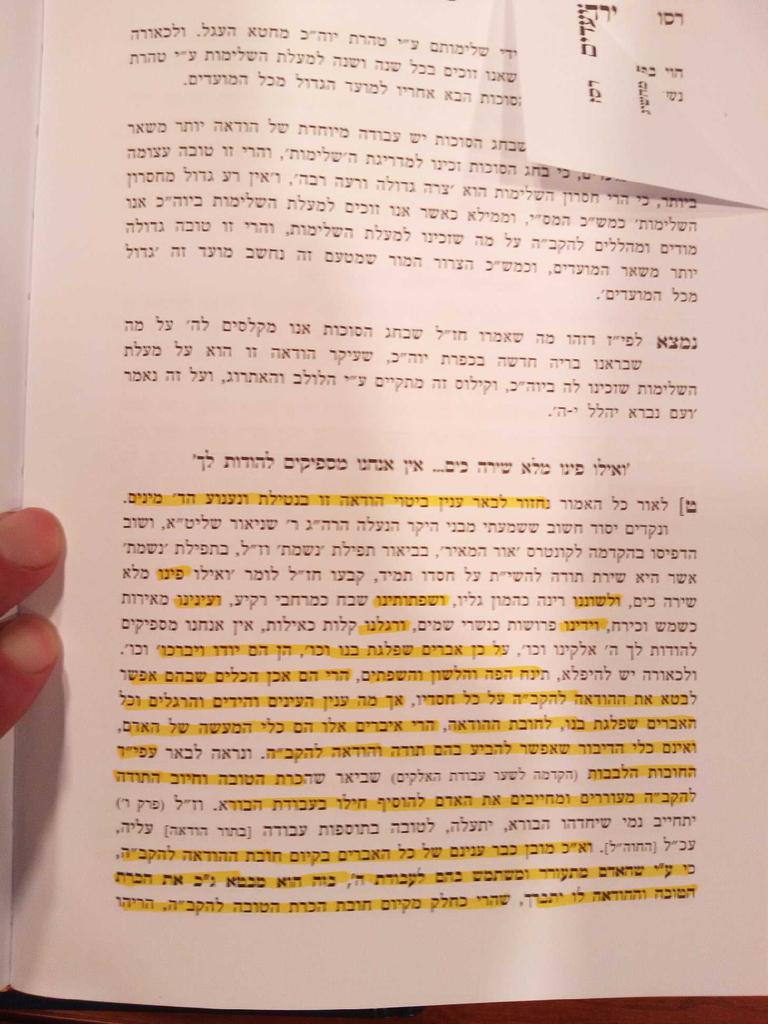
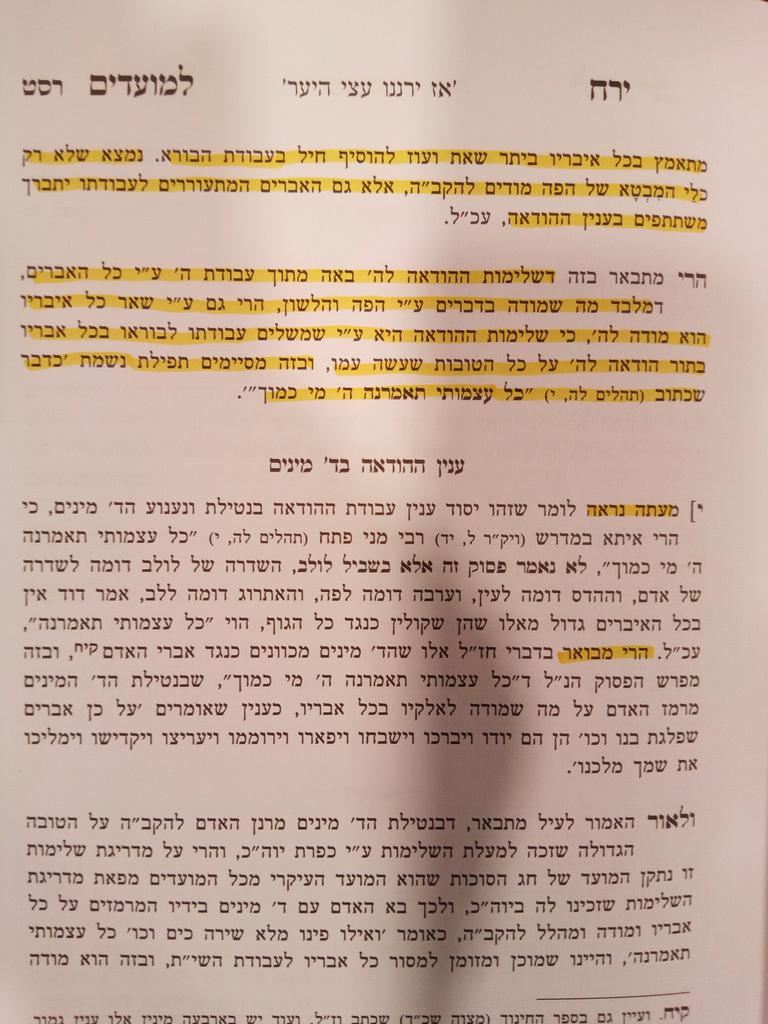
רַבִּי מָנֵי פָּתַח (תהלים לה, י): כָּל עַצְמֹתַי תֹּאמַרְנָה ה׳ מִי כָמוֹךָ,
לֹא נֶאֱמַר פָּסוּק זֶה אֶלָּא בִּשְׁבִיל לוּלָב,
הַשִּׁדְרָה שֶׁל לוּלָב דּוֹמָה לַשִּׁדְרָה שֶׁל אָדָם,
וְהַהֲדַס דּוֹמֶה לָעַיִן,
וַעֲרָבָה דּוֹמָה לַפֶּה,
וְהָאֶתְרוֹג דּוֹמֶה לַלֵּב,
אָמַר דָּוִד אֵין בְּכָל הָאֵיבָרִים גָּדוֹל מֵאֵלּוּ, שֶׁהֵן שְׁקוּלִין כְּנֶגֶד כָּל הַגּוּף, הֱוֵי: כָּל עַצְמוֹתַי תֹּאמַרְנָה.
Rabbi Mani began, "'All of my bones shall say, "Hashem, who is like you"' (Psalms 35:10).
This verse was stated in reference to lulav (the four species).
The spine of the palm branch is similar to the spine of man.
The myrtle is similar to the eye.
The willow is similar to the mouth.
The etrog, is similar to the heart.
King David said, 'In all of the limbs, there are no greater ones than these, as they are as significant to the entire body.'
This is [what is meant] by the pasuk: All of my bones shall say: "Hashem, who is like you" (Psalms 35:10)."
אָמַר רַבִּי יוֹחָנָן: מוֹלִיךְ וּמֵבִיא לְמִי שֶׁהָאַרְבַּע רוּחוֹת שֶׁלּוֹ, מַעֲלֶה וּמוֹרִיד לְמִי שֶׁהַשָּׁמַיִם וְהָאָרֶץ שֶׁלּוֹ.
Rabbi Yocḥanan said:
He moves them (the 4 species) back and forth to dedicate them to He Whom the four directions are His.
He raises and lowers them to He Whom the heavens and earth are His.
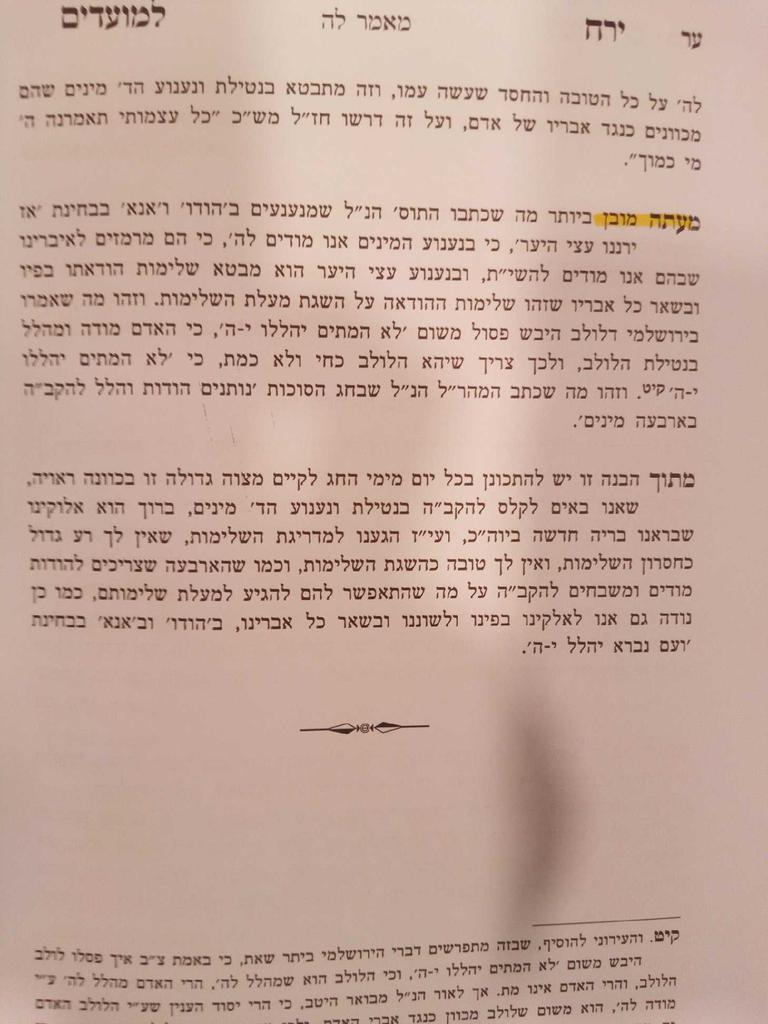
יתחייב מי שיחדהו הבורא יתעלה לטובה בתוספת עבודה עליה
If a person has been singled out by the Creator for special beneficence, he is under an obligation to increased service for it.
וְכַאֲשֶׁר יִתְאַמֵּת אֵצֶל הָאָדָם גֹּדֶל עֵרֶךְ הַמִּצְוֹת וְרֹב חוֹבָתוֹ בָּהֶם, וַדַּאי שֶׁיִּתְעוֹרֵר לִבּוֹ אֶל הָעֲבוֹדָה וְלֹא יִתְרַפֶּה מִמֶּנָּה. וְאָמְנָם, מַה שֶּׁיּוּכַל לְהַגְבִּיר הַהִתְעוֹרְרוּת הַזֶּה הוּא הַהִסְתַּכְּלוּת בְּרוֹב הַטּוֹבוֹת, שֶׁהַקָּדוֹשׁ בָּרוּךְ הוּא עוֹשֶׂה עִם הָאָדָם בְּכָל עֵת וּבְכָל שָׁעָה, וְהַנִּפְלָאוֹת הַגְּדוֹלוֹת שֶׁעוֹשֶׂה עִמּוֹ מֵעֵת הַלֵּדָה עַד הַיּוֹם הָאַחֲרוֹן, כִּי כָּל מַה שֶׁיַּרְבֶּה לְהִסְתַּכֵּל וּלְהִתְבּוֹנֵן בִּדְבָרִים אֵלֶּה, הִנֵּה יַרְבֶּה לְהַכִּיר לְעַצְמוֹ חוֹבָה רַבָּה אֶל הָאֵל הַמֵּטִיב לוֹ, וְיִהְיוּ אֵלֶּה אֶמְצָעִים לְשֶׁלֹּא יִתְעַצֵּל וְיִתְרַפֶּה מֵעֲבוֹדָתוֹ. כִּי הֲרֵי הוֹאִיל וְאֵינוֹ יָכוֹל וַדַּאי לִגְמֹל לוֹ טוֹבָתוֹ יִתְבָּרַךְ, לְפָחוֹת יוֹדֶה לִשְׁמוֹ וִיקַיֵּם מִצְוֹתָיו. וְהִנֵּה אֵין לְךָ אָדָם בְּאֵיזֶה מַצַּב שֶׁיִּמָּצֵא, אִם עָנִי וְאִם עָשִׁיר, אִם בָּרִיא וְאִם חוֹלֶה, שֶׁלֹּא יִרְאֶה נִפְלָאוֹת וְטוֹבוֹת רַבּוֹת בְּמַצָּבוֹ. כִּי הֶעָשִׁיר וְהַבָּרִיא כְּבָר הוּא חַיָּב לוֹ יִתְבָּרַךְ עַל עָשְׁרוֹ וְעַל בְּרִיאוּתוֹ. הֶעָנִי חַיָּב לוֹ שֶׁאֲפִלּוּ בְּעָנְיוֹ מַמְצִיא לוֹ פַּרְנָסָתוֹ דֶּרֶךְ נֵס וָפֶלֶא וְאֵינוֹ מַנִּיחוֹ לָמוּת בָּרָעָב. הַחוֹלֶה עַל שֶׁמַּחֲזִיקוֹ בְּכֹבֶד חָלְיוֹ וּמַכּוֹתָיו וְאֵינוֹ מַנִּיחוֹ לָרֶדֶת שַׁחַת, וְכֵן כָּל כַּיּוֹצֵא בָּזֶה, עַד שֶׁאֵין לְךָ אָדָם שֶׁלֹּא יַכִּיר עַצְמוֹ חַיָּב לְבוֹרְאוֹ. וּבְהִסְתַּכְּלוֹ בְּטוֹבוֹת אֵלֶּה שֶׁהוּא מְקַבֵּל מִמֶּנּוּ, וַדַּאי שֶׁיִּתְעוֹרֵר לְהִזְדָּרֵז לַעֲבוֹדָתוֹ, כְּמוֹ שֶׁכָּתַבְתִּי לְמַעְלָה, כָּל שֶׁכֵּן אִם יִתְבּוֹנֵן הֱיוֹת כָּל טוּבוֹ תָּלוּי בְּיָדוֹ יִתְבָּרַךְ, וּמָה שֶׁמִּצְטָרֵךְ לוֹ וּמָה שֶׁמֻּכְרָח אֵלָיו, מִמֶּנּוּ יִתְבָּרַךְ הוּא, וְלֹא מֵאַחֵר, אֲשֶׁר עַל כֵּן וַדַּאי שֶׁלֹּא יִתְעַצֵּל מֵעֲבֹד עֲבוֹדָתוֹ יִתְבָּרַךְ וְלֹא יֶחְסַר לוֹ מָה שֶׁהוּא מֻכְרָח אֵלָיו.
When a man comes to realize as truth the great value of the Mitzvot and the greatness of his obligation in them, his heart will certainly be awakened to the service of G-d and he will not be lax in it.
However, that which may intensify this rousing is looking into the many benefits that the Holy One blessed be He does with a man at all moments and times and the great wonders G-d performs for him from the time of his birth until his final day.
For the more one looks into and contemplates these things, the more he will recognize his enormous debt to G-d Who bestows good to him. This study will cause him to not grow lazy or lax in His service. For since it is impossible for him to repay G-d for His goodness, he will feel that at least he can thank His Name and fulfill His commandments.
Whatever circumstances one may be in, whether poor or rich, healthy or ill, there is no person who cannot see wonders and many great benefits in his particular situation.
There is not a single person who will not find himself indebted to his Creator. When he looks at these benefits which he receives from G-d, certainly, he will be roused to be Zealous in His service as I wrote earlier.
All the more so, if he contemplates that all of his good is dependent on G-d's hand and that all of his needs and necessities is only from G-d alone, blessed be His Name, and no one else. Then certainly he will not become lazy from engaging in His Divine service..
What should we be thinking about when we’re shaking the lulav and esrog, when we do the na’anuim?
A:
You can’t just lean back and do the minimum, even if you're a frum person who keeps everything & observes all the mitzvos. Let’s say you bought a beautiful esrog and you paid good money for it. So now you’re holding a lulav and an esrog; that's not enough. Maybe you should be m’chadeish (innovate) something in the mitzvah. You have to be a m’chadeish (an innovator).
"And You gave me good eyes." Many people have trouble with their eyes. And that’s what the hadassim are telling us. The hadassim are eyes.
Listen to me; What does na’anuim (shaking of the lulav) mean? Back and forth, back and forth. What does it mean back and forth, back and forth? It means our thanks are to You because it came from You to us. Our thanks are to You because of what’s always coming from You to us. That’s what we’re saying when we shake it back and forth. We shake in all directions because we say, no matter from where the good comes from, it’s only coming from You all the time.
TAPE # 757 (September 1989)
שׁוּב מַעֲשֶׂה בְּגוֹי אֶחָד שֶׁבָּא לִפְנֵי שַׁמַּאי. אָמַר לוֹ: גַּיְּירֵנִי עַל מְנָת שֶׁתְּלַמְּדֵנִי כׇּל הַתּוֹרָה כּוּלָּהּ כְּשֶׁאֲנִי עוֹמֵד עַל רֶגֶל אַחַת! דְּחָפוֹ בְּאַמַּת הַבִּנְיָן שֶׁבְּיָדוֹ. בָּא לִפְנֵי הִלֵּל, גַּיְירֵיהּ. אָמַר לוֹ: דַּעֲלָךְ סְנֵי לְחַבְרָךְ לָא תַּעֲבֵיד — זוֹ הִיא כׇּל הַתּוֹרָה כּוּלָּהּ, וְאִידַּךְ פֵּירוּשָׁהּ הוּא, זִיל גְּמוֹר.
There was another incident involving one gentile who came before Shammai and said to Shammai: Convert me on condition that you teach me the entire Torah while I am standing on one foot. Shammai pushed him away...
The same gentile came before Hillel. He converted him and said to him: "That which is hateful to you do not do to another; that is the entire Torah, and the rest is its commentary. Go study.
And every day you arise in the morning, you open your eyes and you’re still alive. And you begin using again the great gift of your body and your mind, all your faculties. You can remember; you can think; you can speak; you can see and hear; you can function in every manner. When you begin thinking in this manner, you’re ready for avodas Hashem. (serving Hashem)
When you put on tefillin tomorrow morning, and you put on tzitzis tomorrow morning, and you say kriyas Shema and daven, and you give charity, they should be expressing one thing. They should express your feelings of humbleness for all the benefits that Hakodosh Boruch Hu has given you. So Torah and mitzvos, and everything you do is merely a demonstration that you are subject to Him, that you are humbled before Him in gratitude.
רַבִּי תַּנְחוּמָא פָּתַח (איוב מא, ג): מִי הִקְדִּימַנִי וַאֲשַׁלֵּם תַּחַת כָּל הַשָּׁמַיִם לִי הוּא, ...וְרוּחַ הַקֹּדֶשׁ אוֹמֶרֶת: מִי הִקְדִּימַנִי וַאֲשַׁלֵּם,
מִי קִלֵּס לְפָנַי עַד שֶׁלֹּא נָתַתִּי לוֹ נְשָׁמָה, מִי מִלֵּל לִשְׁמִי עַד שֶׁלֹּא נָתַתִּי לוֹ בֵּן זָכָר,
מִי עָשָׂה לִי מַעֲקֶה עַד שֶׁלֹּא נָתַתִּי לוֹ גַּג, מִי עָשָׂה לִי מְזוּזָה עַד שֶׁלֹּא נָתַתִּי לוֹ בַּיִת,
מִי עָשָׂה לִי סֻכָּה עַד שֶׁלֹּא נָתַתִּי לוֹ מָקוֹם,
מִי עָשָׂה לִי לוּלָב עַד שֶׁלֹּא נָתַתִּי לוֹ דָּמִים,
מִי עָשָׂה לִי צִיצִית עַד שֶׁלֹּא נָתַתִּי לוֹ טַלִּית,
מִי הִפְרִישׁ לְפָנַי פֵּאָה עַד שֶׁלֹּא נָתַתִּי לוֹ שָׂדֶה,
מִי הִפְרִישׁ לִי תְּרוּמָה עַד שֶׁלֹּא נָתַתִּי לוֹ גֹּרֶן,
מִי הִפְרִישׁ לְפָנַי חַלָּה עַד שֶׁלֹּא נָתַתִּי לוֹ עִסָּה,
מִי הִפְרִישׁ לְפָנַי קָרְבָּן עַד שֶׁלֹּא נָתַתִּי לוֹ בְּהֵמָה
מי הקדימני. ר״ל אף כי אין מי אשר הקדים לעשות צדק עד לא גמלתיו הטובה, כי מי עשה מזוזה לפתחו עד לא נתתי לו בית וכן הכל.
והואיל וכן שאין למי עלי לגמלו עוד טוב, מ״מ אשלם עוד גמול בחסדי, ואין מי ימחה בידי כי כל אשר תחת כל השמים שלי הוא וכולם נכנעים עלי...