


In this essay we will get into some of the differences in verbiages found in Onkelos, and the differences between them.
In discussing the battle against Sichon, the passuk says that they wiped out the "lords of the alters (bamoth)", a reference to the houses of worship.
(כח) כִּי־אֵשׁ֙ יָֽצְאָ֣ה מֵֽחֶשְׁבּ֔וֹן לֶהָבָ֖ה מִקִּרְיַ֣ת סִיחֹ֑ן אָֽכְלָה֙ עָ֣ר מוֹאָ֔ב בַּעֲלֵ֖י בָּמ֥וֹת אַרְנֹֽן׃
(28) For fire went forth from Heshbon, Flame from Sihon’s city, Consuming Ar of Moab, The lords of Bamoth by the Arnon.
Onkelos uses the verb "palach" for the action of serving Avoda Zara.
(כח) אֲרֵי קִידוּם תַּקִּיף כְּאֶשָּׁא נְפַק מֵחֶשְׁבּוֹן עָבְדֵי קְרָבָא כְּשַׁלְהוֹבִיתָא מִקַּרְתָּא דְסִיחוֹן קְטִילוּ עַמָּא דִּשְׁרוֹ בִלְחָיַת מוֹאָב כּוּמְרַיָּא דְּפָלְחִין בֵּית דַּחֲלָא רָמָתָא דְאַרְנוֹן:
(28) For [an Easterly wind as strong as] a fire went forth from Cheshbon, [waged war as] a flame from Sichon’s capital; it consumed [killing the nation that dwelled in] Ar [Lechoyas], of Moav, [killing] the masters priests who serve in the house of idol worship] of Arnon’s heights.
However, in another place, where the Torah is discussing the destruction of Midian's Avoda Zara, (in retaliation for their part of causing Klal Yisrael to sin) there is another reference to a worship site, but instead of calling it a place where priests "serve", it uses a different term "where the priests "bow".
(י) וְאֵ֤ת כׇּל־עָרֵיהֶם֙ בְּמ֣וֹשְׁבֹתָ֔ם וְאֵ֖ת כׇּל־טִֽירֹתָ֑ם שָׂרְפ֖וּ בָּאֵֽשׁ׃
(10) And they destroyed by fire all the towns in which they were settled, and their encampments.
(י) וְיָת כָּל קִרְוֵיהוֹן בְּמוֹתְבָנֵיהוֹן וְיָת כָּל בֵּית סִגְדַתְהוֹן אוֹקִידוּ בְּנוּרָא:
(10) All their residential cities and palaces [houses of bowing] they set on fire.
What is the reason Onkelos uses different terms for the act of worshipping Avoda Zara?
Let's begin by taking a closer look into the other places where Onkelos uses these terms, "Sa'ged" and "Palach" and in what context, and perhaps we can come to an approach into the pesukim mentioned above as why Onkelos switches them here, even though they seem to both be discussing the same action of idol worship?
Let's begin with listing the places where Onkelos uses the term "Sa'ged."
1.
(ב) וַיִּשָּׂ֤א עֵינָיו֙ וַיַּ֔רְא וְהִנֵּה֙ שְׁלֹשָׁ֣ה אֲנָשִׁ֔ים נִצָּבִ֖ים עָלָ֑יו וַיַּ֗רְא וַיָּ֤רׇץ לִקְרָאתָם֙ מִפֶּ֣תַח הָאֹ֔הֶל וַיִּשְׁתַּ֖חוּ אָֽרְצָה׃
(2) Looking up, he saw three figures standing near him. Perceiving this, he ran from the entrance of the tent to greet them and, bowing to the ground,
(ב) וּזְקַף עֵינוֹהִי וַחֲזָא וְהָא תְּלָתָא גֻבְרִין (נ"י גַבְרִין) קָיְמִין עִלָּווֹהִי וַחֲזָא וּרְהַט לְקַדָּמוּתְהוֹן מִתְּרַע מַשְׁכְּנָא וּסְגִיד עַל אַרְעָא:
(2) He lifted his eyes and saw, and behold three men were standing over him. He saw [them], and ran from the door of the tent to greet them, and he bowed down to the earth.
2.
(א) וַ֠יָּבֹ֠אוּ שְׁנֵ֨י הַמַּלְאָכִ֤ים סְדֹ֙מָה֙ בָּעֶ֔רֶב וְל֖וֹט יֹשֵׁ֣ב בְּשַֽׁעַר־סְדֹ֑ם וַיַּרְא־לוֹט֙ וַיָּ֣קׇם לִקְרָאתָ֔ם וַיִּשְׁתַּ֥חוּ אַפַּ֖יִם אָֽרְצָה׃
(1) The two messengers arrived in Sodom in the evening, as Lot was sitting in the gate of Sodom. When Lot saw them, he rose to greet them and, bowing low with his face to the ground,
(א) וְעַלּוּ תְּרֵין מַלְאָכַיָּא לִסְדוֹם בְּרַמְשָׁא וְלוֹט יָתֵב בְּתַרְעָא (נ"י בִּתְרַע) דִסְדוֹם וַחֲזָא לוֹט וְקָם לְקַדָּמוּתְהוֹן וּסְגִיד עַל אַפּוֹהִי עַל אַרְעָא:
(1) The two angels came to Sedom in the evening, while Lot was sitting at the gate of Sedom. Lot saw them, and he got up to greet them, and he bowed with his face to the ground.
3.
(ז) וַיָּ֧קׇם אַבְרָהָ֛ם וַיִּשְׁתַּ֥חוּ לְעַם־הָאָ֖רֶץ לִבְנֵי־חֵֽת׃
(7) Thereupon Abraham bowed low to the landowning citizens,*landowning citizens Heb. ‘am ha-’areṣ; lit. “people of the land.” See the Dictionary under ‘am. the Hittites,
(ז) וְקָם אַבְרָהָם וּסְגִיד לְעַמָּא דְאַרְעָא לִבְנֵי חִתָּאָה:
(7) Avraham rose and bowed to the people of the land, the sons of Cheis.
4.
(ט) וַיַּחֲלֹ֥ם עוֹד֙ חֲל֣וֹם אַחֵ֔ר וַיְסַפֵּ֥ר אֹת֖וֹ לְאֶחָ֑יו וַיֹּ֗אמֶר הִנֵּ֨ה חָלַ֤מְתִּֽי חֲלוֹם֙ ע֔וֹד וְהִנֵּ֧ה הַשֶּׁ֣מֶשׁ וְהַיָּרֵ֗חַ וְאַחַ֤ד עָשָׂר֙ כּֽוֹכָבִ֔ים מִֽשְׁתַּחֲוִ֖ים לִֽי׃(י) וַיְסַפֵּ֣ר אֶל־אָבִיו֮ וְאֶל־אֶחָיו֒ וַיִּגְעַר־בּ֣וֹ אָבִ֔יו וַיֹּ֣אמֶר ל֔וֹ מָ֛ה הַחֲל֥וֹם הַזֶּ֖ה אֲשֶׁ֣ר חָלָ֑מְתָּ הֲב֣וֹא נָב֗וֹא אֲנִי֙ וְאִמְּךָ֣ וְאַחֶ֔יךָ לְהִשְׁתַּחֲוֺ֥ת לְךָ֖ אָֽרְצָה׃
(9) He dreamed another dream and told it to his brothers, saying, “Look, I have had another dream: And this time, the sun, the moon, and eleven stars were bowing down to me.”(10) And when he told it to his father and brothers, his father berated him. “What,” he said to him, “is this dream you have dreamed? Are we to come, I and your mother and your brothers, and bow to you to the ground?”
(ט) וַחֲלַם עוֹד חֶלְמָא אָחֲרָנָא וְאִשְׁתָּעֵי יָתֵיהּ לַאֲחוֹהִי וַאֲמַר הָא חֲלֵמִית חֶלְמָא עוֹד וְהָא שִׁמְשָׁא וְסִהֲרָא וְחַד עֲשַׂר כּוֹכְבַיָּא סָגְדָן לִי:(י) וְאִשְׁתָּעֵי לַאֲבוּהִי וְלַאֲחוֹהִי וּנְזַף בֵּיהּ אֲבוּהִי וַאֲמַר לֵיהּ מָה חֶלְמָא הָדֵין דִּי חֲלֵמְתָּא הֲמֵיתָא נֵיתֵי אֲנָא וְאִמָּךְ וְאַחָיךְ לְמִסְגֻּד לָךְ עַל אַרְעָא:
(9) He had another dream and told it to his brothers. He said, Behold! I dreamed another dream. The sun, the moon, and eleven stars were prostrating themselves to me.(10) He told it to his father and to his brothers. His father rebuked him, and said to him, What is this dream that you dreamed? Shall I, your mother and your brothers come and prostrate themselves on the ground to you?
5.
(ו) וְיוֹסֵ֗ף ה֚וּא הַשַּׁלִּ֣יט עַל־הָאָ֔רֶץ ה֥וּא הַמַּשְׁבִּ֖יר לְכׇל־עַ֣ם הָאָ֑רֶץ וַיָּבֹ֙אוּ֙ אֲחֵ֣י יוֹסֵ֔ף וַיִּשְׁתַּֽחֲווּ־ל֥וֹ אַפַּ֖יִם אָֽרְצָה׃
(6) Now Joseph was the vizier of the land; it was he who dispensed rations to all the people of the land. And Joseph’s brothers came and bowed low to him, with their faces to the ground.
(ו) וְיוֹסֵף הוּא דְּשַׁלִּיט עַל אַרְעָא הוּא דְזַבִּין עִיבוּרָא לְכָל עַמָּא דְאַרְעָא וַאֲתוֹ אֲחֵי יוֹסֵף וּסְגִידוּ לֵיהּ עַל אַפַּיָּא עַל אַרְעָא:
(6) Yoseif was the ruler over the land; he was the one who sold [grain] to all the people of the land. Yoseif’s brothers came and they prostrated themselves to him with their faces to the ground.
6.
(לא) וַיֹּ֗אמֶר הִשָּֽׁבְעָה֙ לִ֔י וַיִּשָּׁבַ֖ע ל֑וֹ וַיִּשְׁתַּ֥חוּ יִשְׂרָאֵ֖ל עַל־רֹ֥אשׁ הַמִּטָּֽה׃ {פ}
(31) And he said, “Swear to me.” And he swore to him. Then Israel bowed at the head of the bed.
(לא) וַאֲמַר קַיַּם לִי וְקַיִּים לֵיהּ וּסְגִיד יִשְׂרָאֵל עַל רֵישׁ עַרְסָא:
(31) He [Yaakov] said, Swear to me, and he swore to him. Yisrael prostrated himself at the head of the bed.
(א)וישתחו ישראל. תַּעֲלָא בְּעִידָּנֵיהּ סְגִיד לֵיהּ:
(1) וישתחו ישראל AND ISRAEL PROSTRATED HIMSELF — The proverb says: Though the lion is king “when the fox has his time, bow to him” (Megillah 16b)
7.
(ז) וַיֵּצֵ֨א מֹשֶׁ֜ה לִקְרַ֣את חֹֽתְנ֗וֹ וַיִּשְׁתַּ֙חוּ֙ וַיִּשַּׁק־ל֔וֹ וַיִּשְׁאֲל֥וּ אִישׁ־לְרֵעֵ֖הוּ לְשָׁל֑וֹם וַיָּבֹ֖אוּ הָאֹֽהֱלָה׃
(7) Moses went out to meet his father-in-law; he bowed low and kissed him; each asked after the other’s welfare, and they went into the tent.
(ז) וּנְפַק משֶׁה לְקַדָמוּת חֲמוּהִי וּסְגִיד וּנְשִׁיק לֵהּ וּשְׁאִילוּ גְבַר לְחַבְרֵהּ לִשְׁלָם וְעַלוּ לְמַשְׁכְּנָא:
(7) Moshe went out to greet his father-in-law. He prostrated himself and [then] kissed him. They asked after each other’s well being, and went into the tent.
From all of the above pesukim we see that in the context where the bowing is done out of reverence of the subject, Onkelos uses the word "Sa'ged."
Now let's see where Onkelos typically uses the word "Palach."
1.
(כה) וַיֹּ֖אמֶר אָר֣וּר כְּנָ֑עַן עֶ֥בֶד עֲבָדִ֖ים יִֽהְיֶ֥ה לְאֶחָֽיו׃
(25) he said,
“Cursed be Canaan;
The lowest of slaves
Shall he be to his brothers.”
“Cursed be Canaan;
The lowest of slaves
Shall he be to his brothers.”
(כה) וַאֲמַר לִיט כְּנָעַן עֶבֶד פָּלַח עַבְדִין יְהֵי לַאֲחוֹהִי:
(25) He said, Cursed is Canaan. A slave working for slaves shall he be to his brothers.
2.
(יד) וְגַ֧ם אֶת־הַגּ֛וֹי אֲשֶׁ֥ר יַעֲבֹ֖דוּ דָּ֣ן אָנֹ֑כִי וְאַחֲרֵי־כֵ֥ן יֵצְא֖וּ בִּרְכֻ֥שׁ גָּדֽוֹל׃
(14) but I will execute judgment on the nation they shall serve, and in the end they shall go free with great wealth.
(יד) וְאַף יָת עַמָּא דִּיִפְלְחוּן בְּהוֹן דָּיִין אֲנָא וּבָתַר כֵּן יִפְקוּן בְּקִנְיָנָא סַגִּי:
(14) But also that nation whom they will serve I will judge; afterwards they will leave with great wealth.
(א) וַיְהִ֣י אַבְרָ֔ם בֶּן־תִּשְׁעִ֥ים שָׁנָ֖ה וְתֵ֣שַׁע שָׁנִ֑ים וַיֵּרָ֨א יהוה אֶל־אַבְרָ֗ם וַיֹּ֤אמֶר אֵלָיו֙ אֲנִי־אֵ֣ל שַׁדַּ֔י הִתְהַלֵּ֥ךְ לְפָנַ֖י וֶהְיֵ֥ה תָמִֽים׃
(1) When Abram was ninety-nine years old, יהוה appeared to Abram and said to him, “I am El Shaddai Walk in My ways and be blameless.
4.
(א) וַהֲוָה אַבְרָם בַּר תִּשְׁעִין וּתְשַׁע שְׁנִין וְאִתְגְּלִי יהוה לְאַבְרָם וַאֲמַר לֵיהּ אֲנָא אֵל שַׁדַּי פְּלַח קֳדָמַי וֶהֱוֵי שְׁלִים:
(1) When Avram was ninety-nine years old, Adonoy appeared [became revealed] to Avram and said to him: I am Almighty Shaddai, worship before Me and be perfect.
התהלך לפני. כְּתַרְגּוּמוֹ פְּלַח קֳדָמַי, הִדַּבֵּק בַּעֲבוֹדָתִי:
התהלך לפני WALK BEFORE ME — as the Targum takes it: serve before Me — cleave to My service.
See Nachalas Yaakov on Rashi there.
3.
(ו) וְהִגִּישׁ֤וֹ אֲדֹנָיו֙ אֶל־הָ֣אֱלֹהִ֔ים וְהִגִּישׁוֹ֙ אֶל־הַדֶּ֔לֶת א֖וֹ אֶל־הַמְּזוּזָ֑ה וְרָצַ֨ע אֲדֹנָ֤יו אֶת־אׇזְנוֹ֙ בַּמַּרְצֵ֔עַ וַעֲבָד֖וֹ לְעֹלָֽם׃ {ס}
(6) his master shall take him before God.*before God Others “to the judges.” He shall be brought to the door or the doorpost, and his master shall pierce his ear with an awl; and he shall then remain his master’s slave for life.
(ו) ... וְיַרְצַע רִבּוֹנֵהּ יָת אוּדְנֵהּ בְּמַרְצְעָא וִיהֵי לֵהּ עֲבַד פָּלַח לְעָלָם:
(6) ...and his master shall pierce his ear with an awl. He then serves his master [will be a working servant for him, forever.
4.
(סד) וֶהֱפִֽיצְךָ֤ יהוה בְּכׇל־הָ֣עַמִּ֔ים מִקְצֵ֥ה הָאָ֖רֶץ וְעַד־קְצֵ֣ה הָאָ֑רֶץ וְעָבַ֨דְתָּ שָּׁ֜ם אֱלֹהִ֣ים אֲחֵרִ֗ים אֲשֶׁ֧ר לֹא־יָדַ֛עְתָּ אַתָּ֥ה וַאֲבֹתֶ֖יךָ עֵ֥ץ וָאָֽבֶן׃
(64) יהוה will scatter you among all the peoples from one end of the earth to the other, and there you shall serve other gods, wood and stone, whom neither you nor your ancestors have experienced.*whom neither you nor your ancestors have experienced See note at 11.28.
(סד) וִיבַדְּרִנָּךְ יהוה בְּכָל עַמְמַיָּא מִסְּיָפֵי אַרְעָא וְעַד סְיָפֵי אַרְעָא וְתִפְלַח תַּמָּן לְעַמְמַיָּא פָּלְחֵי טַעֲוָתָא דִּי לָא יְדַעְתָּ אַתְּ וַאֲבָהָתָךְ אָעָא וְאַבְנָא:
(64) Adonoy will disperse you among all the peoples from the end of the earth to the end of the earth; and you shall serve there nations who serveidols which neither you nor your ancestors knew, wood and stone.
The Parshegen (Bereishis 9,25) says that the addition of the word "Palach" implies lowly and demeaning work, someone whose identity is shaped as being a serf and a slave.
The Nefesh HaGer (Mavo, "Eved") says that "Palach" implies actual work activities, as opposed to the state of being subservient.
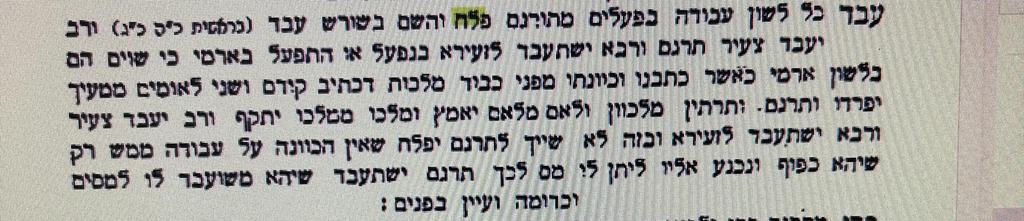
The common denominator in the usage of the word "Palach", it seems to me, is that they are all used in the context of intense service or subjugation to something or someone.
To answer the original question in regards to the two verbs used in regards to Avoda Zara, perhaps we can say that in discussing the actual service of the Avoda Zara; a more intense service and subjugation to the idol, and therefore it calls the worship "Palach." *
*Especially since the idol worship being discussed there is the Baal which was known for extreme practices, see G-d V.S. gods at length.
But in the context of the houses of worship by Midian, it is referring to the practice of other Avoda Zaras where the service is more focused on showing reverence and respect to the idol in order to garner favor with them, and therefore it uses the word "Sa'ged" which denotes that idea.
There is a place where these two terms come up in quick succession, which I found interesting:
(ט) לֹא־תִשְׁתַּחֲוֶ֥֣ה לָהֶ֖ם֮ וְלֹ֣א תׇעׇבְדֵ֑ם֒ כִּ֣י אָנֹכִ֞י יהוה אֱלֹהֶ֙יךָ֙ אֵ֣ל קַנָּ֔א פֹּ֠קֵ֠ד עֲוֺ֨ן אָב֧וֹת עַל־בָּנִ֛ים וְעַל־שִׁלֵּשִׁ֥ים וְעַל־רִבֵּעִ֖ים לְשֹׂנְאָֽ֑י׃
(9) You shall not bow down to them or serve them. For I your God יהוה am an impassioned God, visiting the guilt of the parents upon the children, upon the third and upon the fourth generations of those who reject Me,
(ט) לָא תִסְגּוּד לְהוֹן וְלָא תִפְלְחִנּוּן אֲרֵי אֲנָא יהוה אֱלָהָךְ אֵל קַנָּא מַסְעַר חוֹבֵי אֲבָהָן עַל בְּנִין מְרָדִין עַל דַּר תְּלִיתַי וְעַל דַּר רְבִיעַי לְשַׂנְאָי כַּד מְשַׁלְּמִין בְּנַיָּא לְמֶחֱטֵי בָּתַר אֲבָהָתְהוֹן:
(9) Do not bow to them, and do not serve them, for I am Adonoy, your God, jealous Almighty, Who reckons the sin of parents for [rebellious] children and for the third generation and for the fourth generation of My enemies, [when the children continue to sin after the fashion of their fathers,]
In this context, I found the term used by Onkelos to be puzzling:
(א) לֹֽא־תַעֲשׂ֨וּ לָכֶ֜ם אֱלִילִ֗ם וּפֶ֤סֶל וּמַצֵּבָה֙ לֹֽא־תָקִ֣ימוּ לָכֶ֔ם וְאֶ֣בֶן מַשְׂכִּ֗ית לֹ֤א תִתְּנוּ֙ בְּאַרְצְכֶ֔ם לְהִֽשְׁתַּחֲוֺ֖ת עָלֶ֑יהָ כִּ֛י אֲנִ֥י יהוה אֱלֹהֵיכֶֽם׃
(1) You shall not make idols for yourselves, or set up for yourselves carved images or pillars, or place figured stones in your land to worship upon, for I יהוה am your God.
(א) לָא תַעְבְּדוּן לְכוֹן טַעֲוָן וְצֶלֶם וְקָמָא לָא תְקִימוּן לְכוֹן וְאֶבֶן סָגְדָא לָא תִתְּנוּן בְּאַרְעֲכוֹן לְמִסְגֻּד עֲלַהּ אֲרֵי אֲנָא יהוה אֱלָהָכוֹן:
(1) You shall not make [false] idols for yourselves and graven images and memorial stones you shall not raise up for youselves, and a prostration stone you shall not set in your land upon which to prostrate oneself, for I am Adonoy, your God.
The passuk seems to be describing the prostration stone used in actual service of an idol, so I thought at first glance that it would seem that the term "Palach" would be more appropriate?
However, if we look more into the nature of this negative commandment we can find an answer. The Chinuch writes an explanation to this negative commandment:
(א)שֶׁלֹּא נִשְׁתַּחֲוֶה עַל אֶבֶן מַשְׂכִּית אֲפִלּוּ לַשֵּׁם – שֶׁלֹּא נִשְׁתַּחֲוֶה עַל אֶבֶן מַשְׂכִּית, אֲפִלּוּ לַשֵּׁם בָּרוּךְ הוּא, שֶׁנֶּאֱמַר (ויקרא כו א) וְאֶבֶן מַשְׂכִּית לֹא תִתְּנוּ בְּאַרְצְכֶם לְהִשְׁתַּחֲוֹת עָלֶיהָ, וְאֶבֶן מַשְׂכִּית תִּקָּרֵא אֶבֶן מְצֻיֶּרֶת (עי' סהמ"צ ל"ת יב), וְכֵן אַבְנֵי גָּזִית מְגֹרָרוֹת בַּמְּגֵרָה בִּכְלַל אִסּוּר אֶבֶן מַשְׂכִּית.
(ב) וּמִשָּׁרְשֵׁי הַמִּצְוָה. כָּתַב הָרַמְבַּ"ם זִכְרוֹנוֹ לִבְרָכָה (בסהמ"צ), שֶׁהוּא לְפִי שֶׁהָיוּ עוֹשִׂין כֵּן לַעֲבוֹדָה זָרָה, יָשִׂימוּ אֲבָנִים מְצֻיָּרוֹת בִּמְלָאכָה נָאָה לִפְנֵי הַצֶּלֶם, וְהָיוּ מִשְׁתַּחֲוִים עָלֶיהָ לְפָנָיו.
(1)That we not prostrate ourselves on a figured stone, even to God: That we not prostrate ourselves on a figured stone, even to God, blessed be He; as it is stated (Leviticus 26:1), “and a figured stone you shall not place in your land, to prostate upon it.” A figured stone refers to a stone that is adorned. (See Sefer HaMitzvot, Negative Commandments 12.) And so [too,] hewn stones that have been planed down with a scraper are also included in this prohibition of a figured stone.
(2)From the roots of the commandment is what Rambam, may his memory be blessed, wrote (Sefer HaMitzvot, Negative Commandments 12) that it is since they would do this for idolatry: They would place nicely figured stones before the idol and they would prostrate themselves upon [the stones] in front of it.
From the Chinuch we see that the rock itself was more of an accessory in order to show reverence to the idol to which they were actually serving, therefore the rock is accurately called the "reverence rock" if you will, by Onkelos, and not the "service rock."