


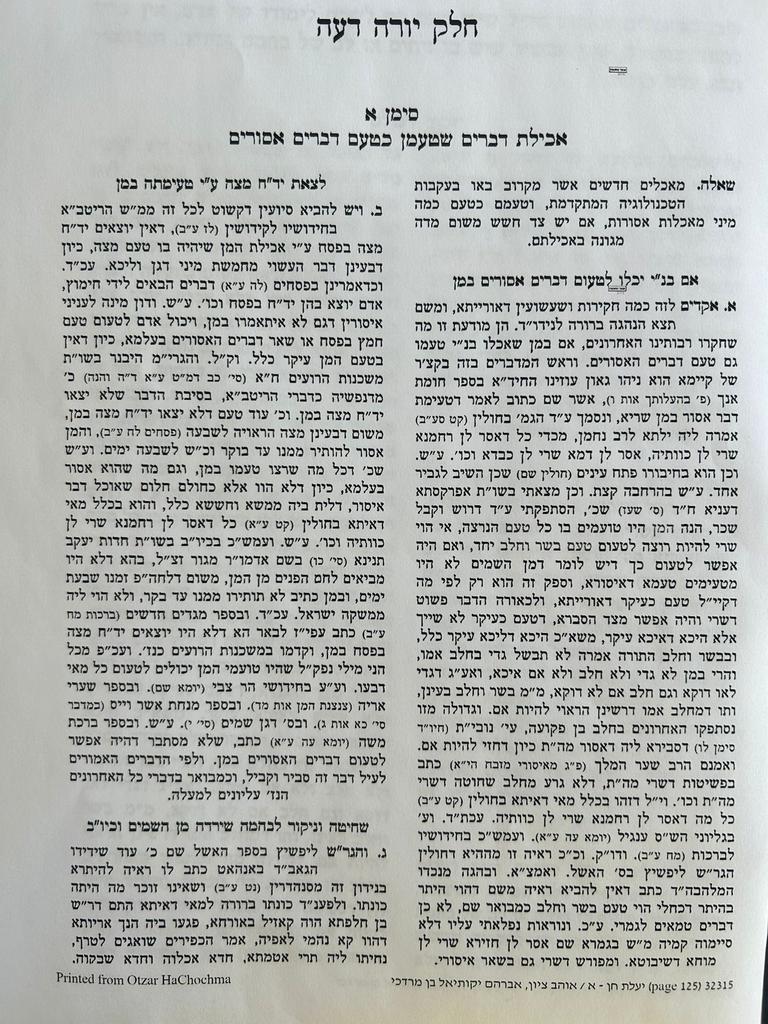
At the Pesach hotel I was at this past year, a woman told her story of becoming observant, and recalled how she had a crisis late at night in the parking lot of a Taco Bell sobbing to her rabbi that she just needed to get something to eat…
Baal Teshuvas come to learn pretty quickly that imitation crab and cheese come with the territory.
״וְהָיָה טַעְמוֹ כְּטַעַם לְשַׁד הַשָּׁמֶן״. אָמַר רַבִּי אֲבָהוּ: מָה שַׁד זֶה תִּינוֹק טוֹעֵם בָּהּ כַּמָּה טְעָמִים, אַף הַמָּן, כׇּל זְמַן שֶׁיִּשְׂרָאֵל אוֹכְלִין אוֹתוֹ מוֹצְאִין בּוֹ כַּמָּה טְעָמִים.
It was also said with regard to the manna: “And its taste was as the taste of a cake [shad] baked with oil [hashamen]” (Numbers 11:8). Rabbi Abbahu said: Shad means breast. Just as a baby tastes different flavors from the breast, since the taste of the milk changes somewhat depending on what foods his mother eats, so too with the manna, every time that the Jewish people ate the manna, they found in it many different flavors, based on their preferences.
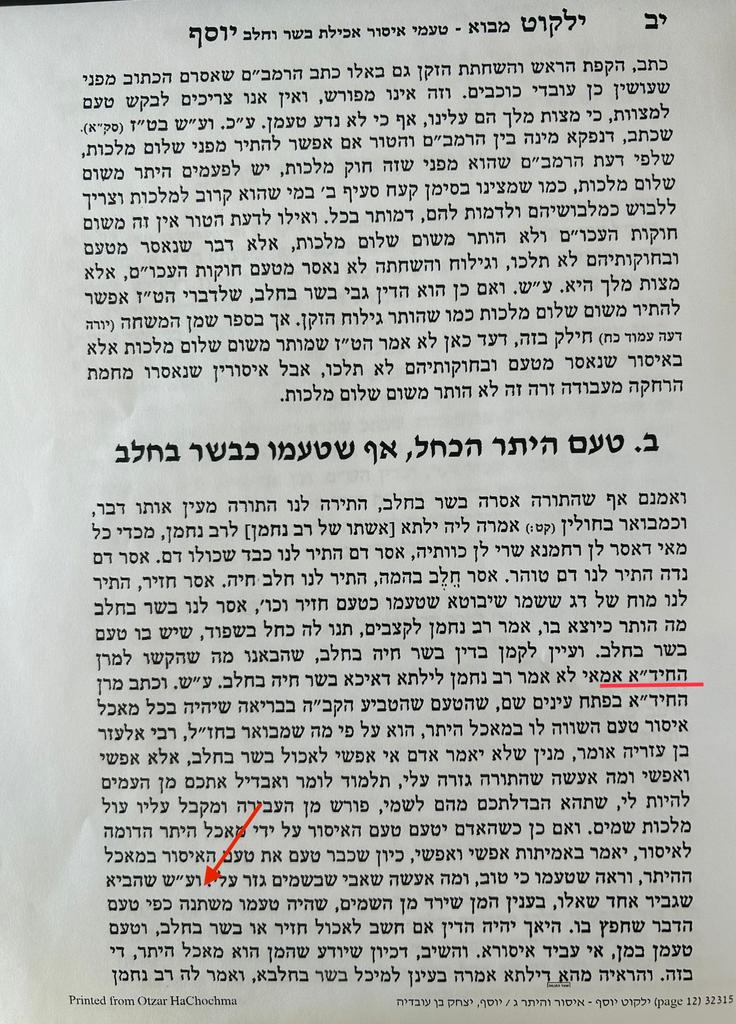
This wild query was asked to the Chida, an 18th century Rabbi.
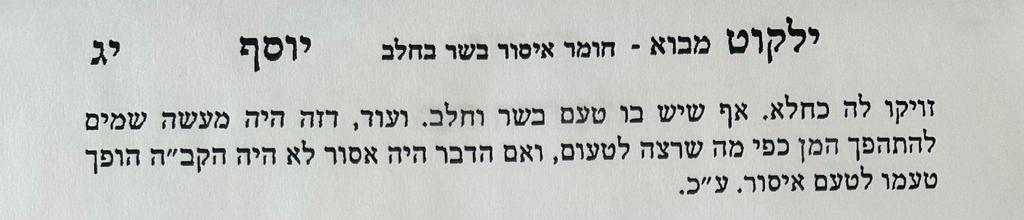
The Chida and other Poskim ruled that it would have been allowed because the prohibition to eat non-kosher only applies to foods with an actual non-kosher source. In other words, a person who thought about a cheeseburger while eating the manna would not have been in violation of the passuk of “Do not cook a calf in its mothers milk” because there was no actual “calf” or “milk” to speak of.
Another interesting point I saw to prove that Hashem did “allow” non kosher items was the fact that Hashem didn’t make such a stipulation, and instead used a blanket term “Whatever you want it to taste like, it can taste like”.
1. The concept of “non-kosher manna” conjures up the notion of making clever workarounds in the framework of Judaism. Sometimes you can be confronted with something that could technically be according to Halacha, but before exploiting acting on it, ask yourself: “Am I exploiting a technicality according to the letter of the law or am I also honoring the spirit of the law by doing this?”
2. Another lesson, more applicable to business, can also be learned from this. Hashem was well aware that there would be people who might “game the system”. By omitting to put a “No Non-Kosher Foods Allowed” into the Terms and Conditions of the manna, it meant just that; non-kosher tasting manna was fair game. Moral of the story: If you don't want people to get creative with the rules, be explicit or risk the consequences!
Good Shabbos!
Mareh Mekomos:
(א) מדרש: זאת חקת התורה אמר הקדוש ב"ה חוקה חקקתי גזירה גזרתי אי אתה רשאי לעבור על גזרתי (פרשה י"ט, ח'). (ב) ראיתי מן המחברים שהתעוררו על כפל לשון המדרש חקה חקקתי, גזרה גזרתי. (ג) ואענה חלקי גם אני, כי הנה כבר ידענו כי יסוד העולם בכללו התורה והמצות, אשר בלעדה לא יתקיים העולם גם שעה אחת שנאמר אם לא בריתי יומם ולילה חקות שמים וארץ לא שמתי (ירמיה ל"ג, כ"ה) כי היא הנותנת חיים לכל צבאות הבריאה בכלל. ומזה נבין מאמר חז"ל ויחד יתרו על כל הטובה רי"א זה המן שהיה בו כל הטעמים שבעולם וח"א זה הבאר שהיה בו כל הטעמים שבעולם והיו טועמים בו טעם יין חדש ויין ישן, וח"א זו התורה כו' (בילקוט יתרו). באור זה, דע כי מה שהקב"ה נותן לבני אדם נותן להם הפירות הגדלים באוצר שלמעלה, אבל לישראל עמו הוא נותן האוצר עצמו, והמעין הנובע נהרי נחלי הברכה והטובה הוא המן הוא הלחם שלמעלה שממנו יוצאים כל הטעמים ומזון כל חי, והבאר ג"כ יסוד כל המשקים, לכן היה מתחלף לכל הטעמים.
Endnote:
I found in the V'Haarev Na (Parshas Shemini) in the name of Rav Eliyashiv that he said had the Chida not said this, we should stay away from things that taste like treif in line with the Chazal:
...אבל אמרו חכמים הרחק מן הכיעור ומן הדומה לו.
...But the Sages said: Distance yourself from unseemliness and from things similar to it.