


Introductory text by The Jewish Virtual Library
The profound psychological effect made on man by the regular change from day to night is a theme in the aggadah*, epitomized in Adam's fear upon watching the first sunset (Avoda Zara 8a).
In Jewish Scripture and in the aggadah*, night has negative associations, experienced as a time of fear and danger, a symbol of death and of the return to chaos (Psalms 91:5–6; Song of Songs 3:8). The night is at times a space full of demons.
Die tiefgreifende psychologische Wirkung, die der regelmäßige Wechsel von Tag zu Nacht auf den Menschen hat, ist ein Thema in der Aggadah*. In Adams Angst beim Betrachten des ersten Sonnenuntergangs kommt dies zum Ausdruck (Avoda Zarah. 8a).
Im TaNaCh und in der Aggada wird die Nacht negativ assoziiert. Es ist eine Zeit der Angst und Gefahr, ein Symbol des Todes und der Rückkehr ins Chaos (vgl. Psalm 91,5–6; Hohelied 3,8).
In der Nacht birgt Raum für Dämonen.
*Aggadah: non-legal content of rabbinic literature, reflects thinking and feeling, but is not a binding teaching/ nichtgesetzliche Inhalte der rabbinischen Literatur, spiegelt Denken und Fühlen wieder, ist jedoch keine verbindliche Lehre
Rabbinical commentary on "night" itself
The word "night" appears hundreds of times in the Hebrew Bible and continues to be the subject of rabbinic discussion. The noun layla is a feminine noun in Hebrew, although grammatical gender does not indicate actual gender in Hebrew. Nevertheless, according to Elijah Ben Solomon, the "Vilna Gaon" (1720–1797), Talmudist, halachist, and kabbalist, the Hebrew noun laylah (night) is feminine in its very essence, but has the unusual quality of dualism that combines the feminine with masculine character. In the Zohar, comparison is made between leyl (masculine noun) and layla (feminine noun) "night" is used in reference to the Exodus "to indicate the union which took place on that night between the Masculine and Feminine aspects in the Divine attributes." (Zohar, Shemoth, Section 2).
Das Wort „Nacht“ kommt in der hebräischen Bibel hunderte Male vor und ist vielfach Gegenstand rabbinischer Diskussionen. Das Substantiv „Layla“ ist im Hebräischen ein weibliches Substantiv, obwohl das grammatikalische Geschlecht im Hebräischen keinen Hinweis auf das tatsächliche Geschlecht gibt. Dennoch ist laut Elijah Ben Solomon, dem „Vilna Gaon“ (1720–1797), einem wichtigen Talmudisten, Halachisten und Kabbalisten, das hebräische Substantiv „layla“ (Nacht) seinem Wesen nach weiblich, weist aber die ungewöhnliche Qualität des Dualismus auf, der feminin mit maskulinem Charakter verbindet. Im Sohar wird ein Vergleich zwischen "Leyl" (männliches Substantiv) und "Layla" (weibliches Substantiv) angestellt. „Nacht“ wird in Bezug auf den Exodus verwendet, „um die Vereinigung anzuzeigen, die in dieser Nacht zwischen den männlichen und weiblichen Aspekten in den göttlichen Attributen stattfand.“ ." (Sohar, Schemot, Abschnitt 2).
https://en.wikipedia.org/wiki/Lailah_(angel)
(27) And God created humankind in the divine image,
creating it in the image of God—
creating them male and female.
וַיַּפֵּל֩ ה׳ אֱלֹקִ֧ים ׀ תַּרְדֵּמָ֛ה עַל־הָאָדָ֖ם וַיִּישָׁ֑ן וַיִּקַּ֗ח אַחַת֙ מִצַּלְעֹתָ֔יו וַיִּסְגֹּ֥ר בָּשָׂ֖ר תַּחְתֶּֽנָּה׃
“This one at last
Is bone of my bones
And flesh of my flesh.
This one shall be called the Woman,
For from the Man was she taken.”
22 Und der EWIGE formte die Seite, die vom Menschlichen genommen worden war, zu einer Frau und brachte sie zum Menschlichen.
23 Da sagte der Mensch:
„Dieses endlich
Ist Knochen meiner Knochen
Und Fleisch von meinem Fleisch.
Diese soll die Frau genannt werden,
Denn dem Mann wurde sie genommen.“
בִּשְׁלָמָא לְמַאן דְּאָמַר פַּרְצוּף — הַיְינוּ דִּכְתִיב ״אָחוֹר וָקֶדֶם צַרְתָּנִי״.
Granted, according to the one who says that tzela means face; it is understandable that it is written: “You have formed me [tzartani] behind and before.”
Zugegeben, laut demjenigen, der sagt, (dass tzela) Gesicht (bedeutet); (es ist verständlich) dass geschrieben steht: „Du hast mich [tzartani] hinten und vorne geformt".
Rabbi Yirmeya ben Elazar said: Adam was first created with two [deyo] faces, one male and the other female. As it is stated: “You have formed me behind and before, and laid Your hand upon me” (Psalms 139:5). Similarly, it is written: “And the tzela, which the Lord, God, had taken from the man, He made a woman, and brought her unto the man” (Genesis 2:22). Rav and Shmuel disagree over the meaning of the word tzela: One said: It means a female face, from which God created Chava; and one said: Adam was created with a tail [zanav], which God removed from him and from which He created Chava.
Rabbi Yirmeya ben Elazar sagte: Adam wurde zuerst mit zwei [deyo]-Gesichtern erschaffen, einem männlichen und einem weiblichen. Wie es heißt: „Du hast mich von hinten und von vorne geformt etc.“ (Psalmen 139,5).
Ebenso steht geschrieben: „Und die tzela, die Gott von dem Mann genommen hatte, formte er in als eine Frau und brachte sie zu dem Mann“ (Genesis 2:22).
Rav und Shmuel sind sich über die Bedeutung des Wortes tzela nicht einig: Einer sagte: Es bedeutet ein weibliches Gesicht, aus dem Gott Chava erschuf; und einer sagte: Adam wurde mit einem Schwanz [zanav] erschaffen, den Gott von ihm entfernte und aus dem er Chava erschuf.
אָמַר רַבִּי יִרְמְיָה בֶּן אֶלְעָזָר בְּשָׁעָה שֶׁבָּרָא הַקָּדוֹשׁ בָּרוּךְ הוּא אֶת אָדָם הָרִאשׁוֹן, אַנְדְּרוֹגִינוֹס בְּרָאוֹ, הֲדָא הוּא דִכְתִיב (בראשית ה, ב): זָכָר וּנְקֵבָה בְּרָאָם.
אָמַר רַבִּי שְׁמוּאֵל בַּר נַחְמָן, בְּשָׁעָה שֶׁבָּרָא הַקָּדוֹשׁ בָּרוּךְ הוּא אֶת אָדָם הָרִאשׁוֹן, דְּיוּ פַּרְצוּפִים בְּרָאוֹ, וְנִסְּרוֹ וַעֲשָׂאוֹ גַּבִּים, גַּב לְכָאן וְגַב לְכָאן.
אֲתִיבוּן לֵיהּ וְהָכְתִיב (בראשית ב, כא):
Genesis Rabbah 8:1
Rabbi Yirmeya ben Elazar: In the hour when the Holy One created the first human, He created him as an androgynos (one having both male and female sexual characteristics), as it is said, “male and female He created them.” (Genesis 1:27)
Said Rabbi Shmuel bar Nachmani: In the hour when the Holy One created the first human, He created for him a double face, and sawed him and made him backs, a back here and a back there, as it is said, “Behind and before, You formed me” (Psalms 139:5).
Rabbi Yirmeya ben Elazar: In der Stunde, als der Heilige den ersten Menschen erschuf, erschuf Er ihn als Androgynos (jemanden mit sowohl männlichen als auch weiblichen Geschlechtsmerkmalen), wie es heißt: „Er erschuf sie als Mann und Frau.“ (Genesis 1:27)
Rabbi Shmuel bar Nachmani sagte: „In der Stunde, als der Heilige den ersten Menschen erschuf, schuf Er ihn mit einem doppeltes Gesicht, zersägte ihn und machte ihm einen Rücken, einen Rücken hier und einen Rücken dort, wie es heißt: „Hinten und vorne hast du mich gebildet“ (Psalm 139,5).
... והיו לאדם שתי נשים, חוה א', שהיה לילית, וחוה ב'...
... Adam had two wives, the first Chava, that was Lilith, and the second Chava ...
.
...und Adam hatte zwei Frauen, die erste Chava, das war Lilith, und die zweite Chava ...
(יד) וּפָגְשׁ֤וּ צִיִּים֙ אֶת־אִיִּ֔ים וְשָׂעִ֖יר עַל־רֵעֵ֣הוּ יִקְרָ֑א אַךְ־שָׁם֙ הִרְגִּ֣יעָה לִּילִ֔ית וּמָצְאָ֥ה לָ֖הּ מָנֽוֹחַ׃
(14) (Most of the creatures in vs.14–15 cannot be identified with certainty)
Wildcats shall meet hyenas,
Goats (= demons (Rashi)) shall greet each other;
There too the Lilith (a demon (Rashi)) shall repose
And find herself a resting place.
.
(Die meisten Kreaturen in Vers. 14–15 nicht eindeutig identifizierbar)
Wildkatzen werden auf Hyänen treffen, Ziegen (Ziegendämonen (Raschi)) werden einander grüßen; dort wird auch die Lilith (ein Dämon (Raschi)) ruhen und sich einen Ruheplatz suchen.
I form light and create darkness,
I make weal and create woe—
I GOD do all these things.
.
In contrast to pagan mythology, where sunrise represents a daily contention between opposing forces, in Jewish monotheism, the day-and-night cycle is attributed to a single God who "forms the light, and creates darkness" (Isa. 45:7), "who changes the times," and "who removes the light from before the darkness and the darkness from before the light" (beginning of the evening prayer).
אָמַר רַבִּי חֲנִינָא: אָסוּר לִישַׁן בַּבַּיִת יְחִידִי, וְכׇל הַיָּשֵׁן בַּבַּיִת יְחִידִי — אֹחַזְתּוֹ לִילִית.
10 Rabbi Ḥanina said: It is prohibited to sleep alone in a house, and anyone who sleeps alone in a house will be seized by the evil spirit Lilith.
Meiri (13th cty., Provence):
As it is said in Massekhet Berakhot: anyone who is reciting the Shema on his bed is as one who hold a sword in his hands as it is said "with two-edged swords in their hands (Psalms 149:6)
.
.
Meiri (Provence, 13 Jhdt.):
Wie es in Massechet Brachot gesagt wird: jeder, der das Schma beim Zubettgehen sagt ist wie jemand der ein Schwert in seiner Hand hält, wie es gesagt ist (in Psalmen 149:6) "mit zweischneidigen Schwertern in ihren Händen" etc.
אֵל תֵּצֵא יְחִידִי בַּלַּיְלָה, דְּתַנְיָא: לֹא יֵצֵא יְחִידִי בַּלַּיְלָה, לֹא בְּלֵילֵי רְבִיעִיּוֹת וְלֹא בְּלֵילֵי שַׁבָּתוֹת, מִפְּנֵי שֶׁאָגְרַת בַּת מָחֲלַת, הִיא וּשְׁמוֹנֶה עֶשְׂרֵה רִבּוֹא שֶׁל מַלְאֲכֵי חַבָּלָה יוֹצְאִין, וְכׇל אֶחָד וְאֶחָד יֵשׁ לוֹ רְשׁוּת לְחַבֵּל בִּפְנֵי עַצְמוֹ. מֵעִיקָּרָא הֲווֹ שְׁכִיחִי כּוּלֵּי יוֹמָא. זִמְנָא חֲדָא פְּגַעָה בְּרַבִּי חֲנִינָא בֶּן דּוֹסָא, אֲמַרָה לֵיהּ: אִי לָאו דְּמַכְרְזִן עֲלָךְ בְּרָקִיעַ: ״הִזָּהֲרוּ בַּחֲנִינָא וּבְתוֹרָתוֹ״ — סַכַּנְתָּיךְ. אֲמַר לַהּ: אִי חֲשִׁיבְנָא בְּרָקִיעַ, גּוֹזֵר אֲנִי עָלַיִךְ שֶׁלֹּא תַּעֲבוֹרִי בַּיִּישּׁוּב לְעוֹלָם. אֲמַרָה לֵיהּ: בְּמָטוּתָא מִינָּךְ, שְׁבֹק לִי רַוְוחָא פּוּרְתָּא. שְׁבַק לַהּ לֵילֵי שַׁבָּתוֹת וְלֵילֵי רְבִיעִיּוֹת.
One should not go out alone at night, neither on Tuesday nights nor on Shabbat nights, i.e., Friday nights, because the demon Agrat, daughter of Maḥalat, she and 180,000 angels of destruction go out at these times. And as each and every one of them has permission to destroy by itself, they are all the more dangerous when they go forth together. The Gemara states: Initially, these demons were present every day. Once Agrat, daughter of Maḥalat, met Rabbi Ḥanina ben Dosa and said to him: Had they not announced about you in the Heavens: Be careful of Ḥanina and his Torah, I would have placed you in danger. He said to her: If I am considered important in Heaven, I decree upon you that you should never travel through inhabited places.
She said to him: I beg you, leave me a little space.
He left for her Shabbat nights and Tuesday nights.
(No Rashis here!!)
.
Man sollte nachts nicht alleine ausgehen, weder am Dienstagabend noch am Schabbatabend (Freitagabend), denn zu diesen Zeiten gehen der Dämon Agrat, die Tochter Mahalats, und 180.000 Engel der Zerstörung aus (und da jeder einzelne von ihnen die Erlaubnis hat, selbst zu zerstören, sind sie umso gefährlicher, wenn sie gemeinsam losziehen).
In der Gemara heißt es: Anfangs waren diese Dämonen jeden Tag anwesend.
Einmal traf Agrat, die Tochter von Mahalat, Rabbi Ḥanina ben Dosa und sagte zu ihm: Hätten sie nicht im Himmel über dich verkündet: „Sei vorsichtig mit Ḥanina und seiner Thora, ich hätte dich in Gefahr gebracht.“
Er sagte zu ihr: Wenn ich im Himmel als wichtig erachtet werde, verordne ich dir, dass du niemals durch bewohnte Orte reisen sollst. Sie sagte zu ihm: Ich bitte dich, lass mir ein wenig Platz. Er überließ ihr den Schabbat und den Dienstagabend.
ולא יבא ממזר ועמוני ומואבי, כי הם בחוץ מושבם נשפעות מרוח מסאבא, והם בדמות הזיווג הטמא סמאל ולילית ובנים זרים יהיו מולידים. ובמדרש רות (עי' זוהר ח"ב פז, ב) מאן דעייל ברית קדישא ברשותא אחרא עליהם כתיב (הושע ה, ז) בה׳ בגדו כי בנים זרים ילדו.
The reason the categories of Mamzer, the Moabite, and Ammonite may not intermarry with Jewish girls is that inasmuch as their place in the scheme of things prior to their becoming converted was in an unholy domain, they are considered to remain under the influence of the forces governing that domain. It is they who symbolize the unholy union between Samael and Lilith. They produce children who do not grow up to embrace G–d's teachings. (The Midrash) Ruth Rabbah comments that anyone who marries people who belong to these "peripheral" domains is the subject of the verse in Hoseah 5,7: "They have begotten alien children because they have broken faith with God."
.
Der Grund dafür, dass Mamzer, Moabiter und Ammoniter keine jüdischen Mädchen heiraten dürfen, liegt darin, dass man davon ausgeht, dass sie weiterhin unter dem Einfluss der unheiligen Kräfte, die vor ihrer Konvertierung in diesem Bereich regierten, stehen. Sie symbolisieren die unheilige Verbindung zwischen Samael und Lilith. Sie bringen Kinder hervor, die, wenn sie aufwachsen, niemals die Lehren Gottes annehmen werden. (Der Midrasch) Ruth Rabbah bemerkt, dass jeder, der Menschen heiratet, die zu diesen „peripheren“ Domänen gehören, Gegenstand des Verses in Hosea 5:7 ist: „Sie haben fremde Kinder gezeugt, weil sie den Glauben an Gott gebrochen haben.“
(אָמְרִי: הָנֵי) גָּזְיָיתָא נִינְהוּ, דְּשָׁמְטִי סוּסַיָּא וְאָתוּ דָּבְרִי לְהוּ.
The Sages say in explanation: These demons are found on the paths [gazyata] near the city, as horses belonging to the demons flee along those paths, and the demons come to lead them away.
Die Weisen sagen zur Erklärung: Diese Dämonen werden auf den Wegen [gazyata] in der Nähe der Stadt gefunden, während die Pferde, die den Dämonen gehören, auf diesen Wegen fliehen und die Dämonen kommen, um sie wegzuführen.
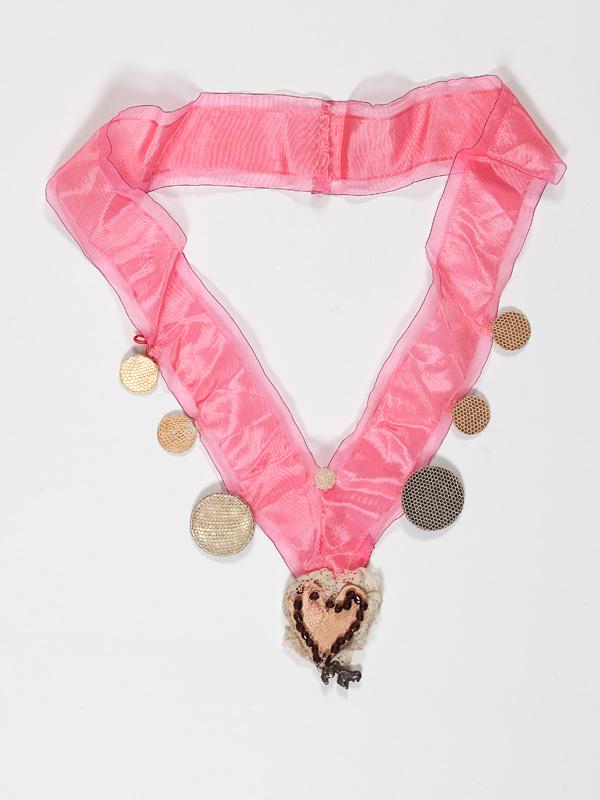
Amulet, Schweiz, 19. Jhdt.
-
Zohar, Bereshit 94:347 (13th century)
When a man abides in his dream, female spirits approach and titillate him, are inflamed by him, and subsequently give birth to those called blows of the children of Adam (2 Samuel 714). These transform solely into the image of human beings and have no hair on their heads. So of Solomon is written: I will chastise him with a human rod, with blows of the children of Adam. Similarly male spirits approach women of the world, who are impregnated by them and bear spirits, all called blows of the children of Adam.
.
Wenn ein Mann in seinem Traum verweilt, nähern sich weibliche Geister und erregen ihn, werden von ihm entzündet und gebären anschließend die sogenannten Schläge der Kinder Adams (2. Samuel 714). Diese verwandeln sich ausschließlich in das Abbild des Menschen und haben keine Haare auf dem Kopf. So steht von Salomo geschrieben: Ich werde ihn mit der menschlichen Rute und mit Schlägen der Kinder Adams züchtigen. In ähnlicher Weise nähern sich männliche Geister den Frauen der Welt, die von ihnen geschwängert werden und Geister in sich tragen, allesamt Schläge der Kinder Adams genannt.
ַהאיהוּא ַבּרנָשׁ,ִדְּבָכל ִסיֲהָראְוִסיֲהָרא ִאְתְפּגִים,ְוָלא ִאְתיֲָאָשׁא ִמנֵּיהּ ְלָעְלִמין,ְדָּהא ְבָּכל ִסיֲהָראְוִסיֲהָרא ַכּד ִאְתַחְדּ ָשׁא ְבָּעְלָמא, ִליִלי"תנְָפָקא,וַּפְקָדּא ַעל ֻכְּלּהוּ ְדִּהיא ַמגְְדַּלת, ְוַחיְּיָכא ְבּהוּ,וְּכֵדין ַההוּא ַבּרנָשׁ ָפּגִים ְבַּההוּא זִ ְמנָא.
Zohar, Acharei Mot 60:365-366
(Rabbi Yose said...)
“Sometimes it happens that Na‘amah goes out into the world to be inflamed by humans, and a man becomes linked lustfully with her, and he wakes from sleep and clasps his wife and lies with her, while his will is focused on that lust he had in his dream. Then the one he engenders stems from the side of Na‘amah, since this occurred out of lust for her. When Lilith emerges and sees him, she realizes what has happened, so she bonds with him and raises him like those other children of Na‘amah; she is with him often, and she does not kill him.
“Such a person becomes impaired every new moon, and she never abandons her claim on him. For each time the moon is renewed in the world, Lilith emerges and visits all those whom she has raised and toys with them, and so that person becomes impaired at that time.”

Paper Amulet/ Papier Amulette, probably Fuerth or Sulzbach, Frankonia, Germany, 17th cty., JM Muenchen
ליקוטי מוהר''ן - חלק א
רה ~ תקון למקרה לילה
תקון למקרה לילה, רחמנא לצלן, לומר עשרה קפיטל תהלים באותו היום שארע לו, חס ושלום, כי יש כח באמירת תהלים להוציא הטפה מהקלפה שלקחה אותה, כי תהלים בגימטריא לילי"ת עם החמש אותיות של שמה שהיא הממנה על זה כידוע (...) כי עקר כחה להחטיא את האדם במקרה, חס ושלום (...)
Liqutei MoHaRaN §205
(Naḥman of Bratslav, 1772–1810)
The rectification for a nocturnal emission, save us Compassionate One, is to say ten psalms on the same day that it happens, perish the thought. For reciting Psalms has the power to extract the drop from the cosmic husk (kelipah) that captured it. This is because TeHiLYM (Psalms) has the same numerical value (485) as LYLYT (Lilith) plus the five letters of her name; she being in charge of this, as is known (...)
Her essential power [is] to make a person sin through an emission, Heaven forbid (...)
.
Likutei MoHaRaN §205
(Nachman von Bratslav, 1772-1810)
Die Wiedergutmachung für eine nächtliche Emission -rette uns Mitfühlender -, besteht darin, am selben Tag, an dem sie geschieht, zehn Psalmen zu sagen, damit der Gedanke daran verschwindet. Denn das Rezitieren von Psalmen hat die Kraft, den Tropfen aus der kosmischen Hülle (Kelipah) zu extrahieren, die ihn eingefangen hat.
Dies liegt daran, dass TeHiLYM (Psalmen) denselben numerischen Wert (485) wie LYLYT (Lilith) plus die fünf Buchstaben ihres Namens hat; sie ist bekanntlich dafür verantwortlich (...)
Ihre wesentliche Macht besteht darin, einen Menschen durch eine Emission zur Sünde zu bringen, Gott bewahre (...)
Two Sources from Naḥman of Bratslav, according to Natan Sternhartz of Nemirov (1780–1844):
or the arrow that flies by day,
Ha'mapil is a berakha thanking God for sleep, and even if one does not manage to fall asleep, the expression of thanks is not made in vain (Ĥayei Adam 35:4). Ha-mapil is not recited on daytime sleep, although some recommend reciting Vi-yhi No’am before taking a daytime nap (MB 239:8 and BHL s.v. “Samuch”).
However, sleeping in one’s bed for at least half an hour is considered regular sleep (Eshel Avraham §239; Beit Barukh 35:10).
(Peninei Halacha on Ha'Mapil)
Ha'mapil ist eine Bracha, die Gott für den Schlaf dankt, und selbst wenn es einem nicht gelingt einzuschlafen, ist der Ausdruck des Dankes nicht umsonst (Chayei Adam 35:4). Ha'mapil wird tagsüber nicht rezietiert (aber einige empfehlen) und Yayehi No’am empfiehlt vor einem Mittagsschlaf zu rezitieren (MB 239:8 und BHL s.v. „Samuch“).
Allerdings gilt das Schlafen im Bett für mindestens eine halbe Stunde als normaler Schlaf (Eshel Avraham §239; Beit Barukh 35:10).
(Peninei Halacha auf Ha'Mapil)
MB Mishna Berura (by Rabbi Yisrael Meir Kagan = Chafetz Chaim (Desirer of Life), a commentary on Orach Chaim, the first section of the Shulchan Arukh, which deals with laws of prayer, synagogue, Shabbat and holidays, summarizing the opinions of the post-Medieval rabbinic authorities.)
BHL Biur Halacha (commentary by the Chafetz Chayim, tangential to the Mishnah Berurah, providing complex analysis of the legal rulings of earlier halachic authorities)
המפיל
בָּרוּךְ [אַתָּה ה׳, אֱלֹקֵינוּ מֶלֶךְ הָעוֹלָם] הַמַּפִּיל חֶבְלֵי שֵׁנָה עַל עֵינַי, וּתְנוּמָה עַל עַפְעַפַּי, וּמֵאִיר לְאִישׁוֹן בַּת עָיִן.
יְהִי רָצוֹן מִלְּפָנֶיךָ ה׳ אֱלֹקַי וֵאלֹקֵי אֲבוֹתַי, שֶׁתַּשְׁכִּיבֵנִי לְשָׁלוֹם, וְתַעֲמִידֵנִי לְחַיִּים טוֹבִים וּלְשָׁלוֹם,
וְתֵן חֶלְקִי בְּתוֹרָתֶךָ, וְתַרְגִּילֵנִי לִדְבַר מִצְוָה, וְאַל תַּרְגִּילֵנִי לִדְבַר עֲבֵרָה, וְאַל תְּבִיאֵנִי לִידֵי חֵטְא, וְלֹא לִידֵי נִסָּיוֹן, וְלֹא לִידֵי בִזָּיוֹן, וְיִשְׁלֹט בִּי יֵצֶר הַטּוֹב, וְאַל יִשְׁלֹט בִּי יֵצֶר הָרָע, וְתַצִּילֵנִי מִיֵּצֶר הָרָע וּמֵחֳלָאִים רָעִים,
וְאַל יַבְהִילוּנִי חֲלוֹמוֹת רָעִים וְהִרְהוּרִים רָעִים,
וּתְהֵא מִטָּתִי שְׁלֵמָה לְפָנֶיךָ,
וְהָאֵר עֵינַי פֶּן אִישַׁן הַמָּוֶת.
בָּרוּךְ [אַתָּה ה'] הַמֵּאִיר לָעוֹלָם כֻּלּוֹ בִּכְבוֹדוֹ:
Ha'Mapil
In some prayerbooks, the Bedtime Sh'ma liturgy begins here, with this blessing (taken from Talmud Brachot 60b)
Blessed [are You, L·rd, our G·d, King of the Universe] that causes the bonds of sleep to fall upon my eyes, & slumber upon my eyelids, & that enlightens the pupil of the eye.
May it be your will, L·rd, my G·d , & G·d of my forefathers, to lay me down in peace, & to raise me up for good life & for peace.
Let my portion be in your Torah, & may you accustom me in the matter of mitzvah (sacred action). Do not accustom me to an errant way, nor bring me into the hands of sin, nor into the hands of trials, nor the hands of degradation.
And let the good inclination rule within me, & let the evil inclination not have power within me.
Release me from the evil inclination and from bad diseases, and let not bad dreams or dark perseverations disturb or confound me.
May my bed be complete before you [ie with only appropriate expressions of sexuality].
And enlighten my eyes lest I sleep the sleep of death.
Blessed [are you, L·rd] that enlightens the entire universe with His glory.
.
by Girls in Trouble
(Alicia Jo Rabins & band)
We are androgynous double-faced beings,
one looking forward and one looking back.
Formed in the light of the throne in the sky,
we are never alone and we never die.
Two forms of dust, of the one and the many;
a vapor to moisten them both into clay.
Two hands to form us, to guide us and shape us,
until we are ready to walk away.
We are, we are, we are,
we are, we are, we are.
We are androgynous double-faced beings,
torn from each other and rendered in two.
Two flaming swords guard the garden of Eden,
but I won’t go back there without you.
Wir sind androgyne Wesen mit zwei Gesichtern,
Eines blickt nach vorn und eines blickt zurück.
Im Licht des Thrones am Himmel geformt,
Wir sind nie allein und wir sterben nie.
Zwei Formen von Staub, des einen und der vielen;
Dampf, der beide im weichen Ton transformiert.
Zwei Hände, die uns formen und uns führen,
bis wir bereit sind wegzugehen.
Wir sind, wir sind, wir sind,
wir sind, wir sind, wir sind.
Wir sind androgyne Wesen mit zwei Gesichtern,
voneinander gerissen und in zwei Teile geteilt.
Zwei flammende Schwerter bewachen den Garten Eden,
Aber ohne dich werde ich nicht dorthin zurückkehren.
https://www.girlsintroublemusic.com/product/we-are-androgynous-lilith-sheet-music/