
Save "בבא מציעא מד - מקורות נלווים
"
בבא מציעא מד - מקורות נלווים
וַיְדַבֵּ֥ר יְהֹוָ֖ה אֶל־מֹשֶׁ֥ה לֵּאמֹֽר׃ נֶ֚פֶשׁ כִּ֣י תֶחֱטָ֔א וּמָעֲלָ֥ה מַ֖עַל בַּיהֹוָ֑ה וְכִחֵ֨שׁ בַּעֲמִית֜וֹ בְּפִקָּד֗וֹן אֽוֹ־בִתְשׂ֤וּמֶת יָד֙ א֣וֹ בְגָזֵ֔ל א֖וֹ עָשַׁ֥ק אֶת־עֲמִיתֽוֹ׃ אֽוֹ־מָצָ֧א אֲבֵדָ֛ה וְכִ֥חֶשׁ בָּ֖הּ וְנִשְׁבַּ֣ע עַל־שָׁ֑קֶר עַל־אַחַ֗ת מִכֹּ֛ל אֲשֶׁר־יַעֲשֶׂ֥ה הָאָדָ֖ם לַחֲטֹ֥א בָהֵֽנָּה׃ וְהָיָה֮ כִּֽי־יֶחֱטָ֣א וְאָשֵׁם֒ וְהֵשִׁ֨יב אֶת־הַגְּזֵלָ֜ה אֲשֶׁ֣ר גָּזָ֗ל א֤וֹ אֶת־הָעֹ֙שֶׁק֙ אֲשֶׁ֣ר עָשָׁ֔ק א֚וֹ אֶת־הַפִּקָּד֔וֹן אֲשֶׁ֥ר הׇפְקַ֖ד אִתּ֑וֹ א֥וֹ אֶת־הָאֲבֵדָ֖ה אֲשֶׁ֥ר מָצָֽא׃ א֠וֹ מִכֹּ֞ל אֲשֶׁר־יִשָּׁבַ֣ע עָלָיו֮ לַשֶּׁ֒קֶר֒ וְשִׁלַּ֤ם אֹתוֹ֙ בְּרֹאשׁ֔וֹ וַחֲמִשִׁתָ֖יו יֹסֵ֣ף עָלָ֑יו לַאֲשֶׁ֨ר ה֥וּא ל֛וֹ יִתְּנֶ֖נּוּ בְּי֥וֹם אַשְׁמָתֽוֹ׃ וְאֶת־אֲשָׁמ֥וֹ יָבִ֖יא לַיהֹוָ֑ה אַ֣יִל תָּמִ֧ים מִן־הַצֹּ֛אן בְּעֶרְכְּךָ֥ לְאָשָׁ֖ם אֶל־הַכֹּהֵֽן׃ וְכִפֶּ֨ר עָלָ֧יו הַכֹּהֵ֛ן לִפְנֵ֥י יְהֹוָ֖ה וְנִסְלַ֣ח ל֑וֹ עַל־אַחַ֛ת מִכֹּ֥ל אֲשֶֽׁר־יַעֲשֶׂ֖ה לְאַשְׁמָ֥ה בָֽהּ׃
יהוה spoke to Moses, saying: When a person sins and commits a trespass against יהוה —by dealing deceitfully with another in the matter of a deposit or a pledge, or through robbery, or by defrauding another, or by finding something lost and lying about it; if one swears falsely regarding any one of the various things that someone may do and sin thereby— when one has thus sinned and, realizing guilt, would restore either that which was gotten through robbery or fraud, or the entrusted deposit, or the lost thing that was found, or anything else about which one swore falsely, that person shall repay the principal amount and add a fifth part to it. One shall pay it to its owner upon realizing guilt. Then that person shall bring to the priest, as a penalty to יהוה, a ram without blemish from the flock, or the equivalent, as a guilt offering. The priest shall make expiation before יהוה on behalf of that person, who shall be forgiven for whatever was done to draw blame thereby.

וְכִֽי־תִמְכְּר֤וּ מִמְכָּר֙ לַעֲמִיתֶ֔ךָ א֥וֹ קָנֹ֖ה מִיַּ֣ד עֲמִיתֶ֑ךָ אַל־תּוֹנ֖וּ אִ֥ישׁ אֶת־אָחִֽיו׃... וְכִֽי־יָמ֣וּךְ אָחִ֔יךָ וּמָ֥טָה יָד֖וֹ עִמָּ֑ךְ וְהֶֽחֱזַ֣קְתָּ בּ֔וֹ גֵּ֧ר וְתוֹשָׁ֛ב וָחַ֖י עִמָּֽךְ׃ אַל־תִּקַּ֤ח מֵֽאִתּוֹ֙ נֶ֣שֶׁךְ וְתַרְבִּ֔ית וְיָרֵ֖אתָ מֵֽאֱלֹהֶ֑יךָ וְחֵ֥י אָחִ֖יךָ עִמָּֽךְ׃ אֶ֨ת־כַּסְפְּךָ֔ לֹֽא־תִתֵּ֥ן ל֖וֹ בְּנֶ֑שֶׁךְ וּבְמַרְבִּ֖ית לֹא־תִתֵּ֥ן אׇכְלֶֽךָ׃ אֲנִ֗י יְהֹוָה֙ אֱלֹ֣הֵיכֶ֔ם אֲשֶׁר־הוֹצֵ֥אתִי אֶתְכֶ֖ם מֵאֶ֣רֶץ מִצְרָ֑יִם לָתֵ֤ת לָכֶם֙ אֶת־אֶ֣רֶץ כְּנַ֔עַן לִהְי֥וֹת לָכֶ֖ם לֵאלֹהִֽים׃
When you sell property to your neighbor, or buy any from your neighbor, you shall not wrong one another. In buying from your neighbor, you shall deduct only for the number of years since the jubilee; and in selling to you, that person shall charge you only for the remaining crop years: the more such years, the higher the price you pay; the fewer such years, the lower the price; for what is being sold to you is a number of harvests. Do not wrong one another, but fear your God; for I יהוה am your God. You shall observe My laws and faithfully keep My rules, that you may live upon the land in security; the land shall yield its fruit and you shall eat your fill, and you shall live upon it in security. And should you ask, “What are we to eat in the seventh year, if we may neither sow nor gather in our crops?” I will ordain My blessing for you in the sixth year, so that it shall yield a crop sufficient for three years. When you sow in the eighth year, you will still be eating old grain of that crop; you will be eating the old until the ninth year, until its crops come in. But the land must not be sold beyond reclaim, for the land is Mine; you are but strangers resident with Me. Throughout the land that you hold, you must provide for the redemption of the land. If one of your kin is in straits and has to sell part of a holding, the nearest redeemer shall come and redeem what that relative has sold. If any party has no one to be redeemer but prospers and acquires enough to redeem with, the years since its sale shall be computed and the difference shall be refunded to the party to whom it was sold, so that the person returns to that holding. If that person lacks sufficient means to recover it, what was sold shall remain with the purchaser until the jubilee; in the jubilee year it shall be released, so that the person returns to that holding. If any party sells a dwelling house in a walled city, it may be redeemed until a year has elapsed since its sale; the redemption period shall be a year. If it is not redeemed before a full year has elapsed, the house in the walled city shall pass to the purchaser beyond reclaim throughout the ages; it shall not be released in the jubilee. But houses in villages that have no encircling walls shall be classed as open country: they may be redeemed, and they shall be released through the jubilee. As for the cities of Levi, the houses in the cities it holds: Levi shall forever have the right of redemption. Such property as may be redeemed from Levi—houses sold in a city it holds—shall be released through the jubilee; for the houses in the cities of Levi are its holding among the Israelites. But the unenclosed land about its cities cannot be sold, for that is its holding for all time. If your kin, being in straits, come under your authority, and are held by you as though resident aliens, let them live by your side: do not exact advance or accrued interest, but fear your God. Let your kin live by your side as such. Do not lend your money at advance interest, nor give your food at accrued interest. I יהוה am your God, who brought you out of the land of Egypt, to give you the land of Canaan, to be your God.
כִּֽי־יִתֵּן֩ אִ֨ישׁ אֶל־רֵעֵ֜הוּ כֶּ֤סֶף אֽוֹ־כֵלִים֙ לִשְׁמֹ֔ר וְגֻנַּ֖ב מִבֵּ֣ית הָאִ֑ישׁ אִם־יִמָּצֵ֥א הַגַּנָּ֖ב יְשַׁלֵּ֥ם שְׁנָֽיִם׃ אִם־לֹ֤א יִמָּצֵא֙ הַגַּנָּ֔ב וְנִקְרַ֥ב בַּֽעַל־הַבַּ֖יִת אֶל־הָֽאֱלֹהִ֑ים אִם־לֹ֥א שָׁלַ֛ח יָד֖וֹ בִּמְלֶ֥אכֶת רֵעֵֽהוּ׃ עַֽל־כׇּל־דְּבַר־פֶּ֡שַׁע עַל־שׁ֡וֹר עַל־חֲ֠מ֠וֹר עַל־שֶׂ֨ה עַל־שַׂלְמָ֜ה עַל־כׇּל־אֲבֵדָ֗ה אֲשֶׁ֤ר יֹאמַר֙ כִּי־ה֣וּא זֶ֔ה עַ֚ד הָֽאֱלֹהִ֔ים יָבֹ֖א דְּבַר־שְׁנֵיהֶ֑ם אֲשֶׁ֤ר יַרְשִׁיעֻן֙ אֱלֹהִ֔ים יְשַׁלֵּ֥ם שְׁנַ֖יִם לְרֵעֵֽהוּ׃
When any party gives money or goods to another for safekeeping, and they are stolen from that other party’s house: if caught, the thief shall pay double; if the thief is not caught, the owner of the house shall depose before God and deny laying hands on the other’s property. (In all charges of misappropriation—pertaining to an ox, an ass, a sheep, a garment, or any other loss, whereof one party alleges, “This is it”—the case of both parties shall come before God: the one whom God declares guilty shall pay double to the other.)
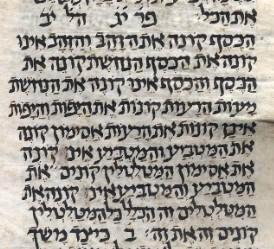
המשנה בכ"י קאופמן

הזהב קונה את הכסף. כיצד? נתן לו דינר זהב בעשרים וחמשה כסף הרי זה קנה כל מקום שהוא, אבל אם נתן לו עשרים וחמשה כסף בדינר זהב הרי זה לא קנה עד שעה שימשוך. הנחשת קונה את הכסף. כיצד? נתן לו שלשים איסר בדינר כסף הרי זה קנה כל מקום שהוא, אבל אם נתן לו דינר של כסף בשלשי' איסר הרי זה לא קנה עד שימשוך.

הזהב קונה את הכסף. וכ"ה במשנתנו רפ"ד ובכמה נוסחאות מטיפוס משנת הבבלי. והעידו בירושלמי ובבבלי בסוגיין שזו היתה משנת רבי בזקנותו, אבל בילדותו שנה הכסף קונה את הזהב... ועיין מה שהאריך בזה בטוב טעם מהרי"ן אפשטין במבוא לנוה"מ, עמ' 19–22. ועיי"ש שהעיר על הירושלמי והבבלי בסוגיין שמוכח מתוכן שעדיין בזמן האמוראים הראשונים החזיקו כמה מהם בהלכה הקדומה שהכסף קונה את הזהב...

הלכה: הַכֶּסֶף קוֹנֶה אֶת הַזָּהָב כול׳.

זֶהוּ כְּלָלוֹ שֶׁלְּדָבָר. כָּל־הַיָּרוּד מֵחֲבֵירוֹ קוֹנֶה אֶת חֲבֵירוֹ.

אָמַר רִבִּי חִייָה בַּר אַשִּׁי: מָאן תַּנִּיתָהּ? רִבִּי שִׁמְעוֹן בֵּרִבִּי תנתה.

אָמַר לֵיהּ אָבוֹי: חֲזוֹר בָּךְ וְתַנִּי כְהָדָא דתני ר' חייה, "הַזָּהָב קוֹנֶה אֶת הַכֶּסֶף".

אָמַר לֵיהּ: לִינָא חָזַר בִּי, דְּעַד דַּהֲוָה חֵילָךְ עָלַיִךְ אַתְנִיתָנִי "הַכֶּסֶף קוֹנֶה אֶת הַזָּהָב". מִילְּתֵיהּ דְּרִבִּי אָֽמְרָה: זָהָב כְּפֵירוֹת; מַתְנִיתָא אָֽמְרָה: כֶּסֶף כְּפֵירוֹת.

מַתְנִיתָה דְּרִבִּי חִייָה אָֽמְרָה. זָהָב כְּפֵירוֹת. מִלְּתֵיהּ אָֽמְרָה: כֶּסֶף כְּפֵירוֹת,

כְּהָדָה בְּרַת רִבִּי חִייָה רוֹבָה אוֹזְפָת לְרַב דֵּינָרִין.

אֲתַת שְׁאָלַת לָאֲבוּהּ.

אֲמַר לָהּ: שְׁקִילִי מִינֵּיהּ דֵּינָרִין טָבִין וּתְקולִין.

מִבְּרַת רִבִּי חִייָה יָֽלְפִין?

אָמַר רִבִּי אִידִּי: אוֹף אַבָּה אֲבוֹי דִשְׁמוּאֵל בְּעָא קוֹמֵי רִבִּי: מָהוּ לִלְווֹת דֵּינָרִין בְּדֵינָרִין? אָמַר לֵיהּ: מוּתָּר.

אָמַר רִבִּי יַעֲקֹב בַּר אָחָא: אוֹף רִבִּי יוֹחָנָן וְרֵישׁ לָקִישׁ תְּרֵיהוֹן מָרִין, מוּתָּר לִלְווֹת דֵּינָרִין בְּדֵינָרִין. קָרַט בְּקָרַט, שָׁרֵי. לֵקָן בְּלֵקָן, אָסוּר.

HALAKHAH: “Silver acquires gold,” etc. This is a summary of the matter: Anything worth less that the other acquires the other. Rebbi Ḥiyya bar Ashi said, who stated this? Rebbi Simeon ben Rebbi. His father told him, change your opinion and state the following: “Gold acquires silver.” He told him, I do not change my opinion since when your faculties were unimpaired, you instructed me to state: “Silver acquires gold.” The word of Rebbi implies that gold is like produce. The Mishnah implies that silver is like produce. [Rebbi Ḥiyya’s baraita implies that gold is like produce, but his word implies that silver is like produce, as in the following:] The elder Rebbi Ḥiyya’s daughter lent denars to Rav. She came and asked her father, who told her: Take from him good and full weight denars. Do we learn from Rebbi Ḥiyya’s daughter? Rebbi Idi said, also Abba, Samuel’s father, asked before Rebbi: May one lend denars against denars? He answered him, it is permitted. Rebbi Jacob bar Aḥa said, also Rebbi Joḥanan and Rebbi Simeon ben Laqish both instruct: It is permitted to lend denars against denars. Qerat against qerat is permitted, lekan against lekan is forbidden.
דניאל שפרבר, "המצב הכלכלי בארץ-ישראל במאה השלישית לסה"נ", דברי הקונגרס העולמי למדעי היהדות, תשכ"ט, כרך ב, עמ' 369-374.
אפרים קליימן, "דו-מתכתיות בימיו של רבי: עיונים במשנת 'הזהב קונה את הכסף'", ציון, לח (תשל"ג), עמ' 48-61.
אריה בן-דוד, "מחירים, אינפלציה ומיתון בארץ-ישראל בתקופת התלמוד", הרבעון לכלכלה, 94 (תשל"ז), עמ' 257-262.