Save "בבא קמא קב - מקורות נלווים
"
בבא קמא קב - מקורות נלווים
לִפְנֵי אֵידֵיהֶן שֶׁל גּוֹיִם שְׁלשָׁה יָמִים אָסוּר לָשֵׂאת וְלָתֵת עִמָּהֶן, לְהַשְׁאִילָן וְלִשְׁאֹל מֵהֶן, לְהַלְוֹתָן וְלִלְוֹת מֵהֶן, לְפָרְעָן וְלִפָּרַע מֵהֶן. רַבִּי יְהוּדָה אוֹמֵר, נִפְרָעִין מֵהֶן מִפְּנֵי שֶׁהוּא מֵצֵר לוֹ. אָמְרוּ לוֹ, אַף עַל פִּי שֶׁמֵּצֵר הוּא עַכְשָׁיו, שָׂמֵחַ הוּא לְאַחַר זְמָן:
On the three days before the festivals of gentiles the following actions are prohibited, as they would bring joy to the gentile, who would subsequently give thanks to his object of idol worship on his festival: It is prohibited to engage in business with them; to lend items to them or to borrow items from them; to lend money to them or to borrow money from them; and to repay debts owed to them or to collect repayment of debts from them. Rabbi Yehuda says: One may collect repayment of debts from them because this causes the gentile distress. The Rabbis said to Rabbi Yehuda: Even though he is distressed now, when he repays the money, he is happy afterward that he is relieved of the debt, and therefore there is concern that he will give thanks to his object of idol worship on his festival.

ר' יהושע בן קרחה אומר כל מלוה בשטר אין נפרעין ממנו ושאין בשטר נפרעין ממנו מפני שהוא כמציל מידם.

(1) Nachum the Midianite says, "One day in the Diaspora before their [the idolaters] festivals, it is forbidden [for the Jews to do business with them]." What do these words refer to? These refer to their festivals that have fixed dates. But if they are not fixed, it is only forbidden [to do business] on that day. Although they [the anonymous rabbis] said, "Three days it is forbidden to sell or to buy with them." What do these words refer to? To a matter [of business] that is finished, but to a matter that is not yet fulfilled, it is permitted [to do business]. Even a matter that is finished regarding buying or selling is permitted. R. Yehoshua ben Qarchah says, "Every lender with a document [guaranteeing a loan] may not be repaid by them [the idolaters on a festival day], and the one without a document may be repaid by them because it is like a protector from their hand."

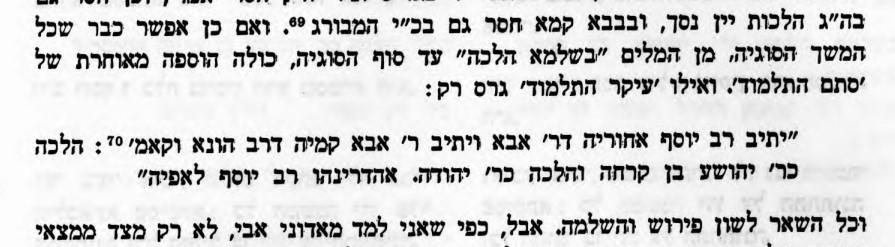
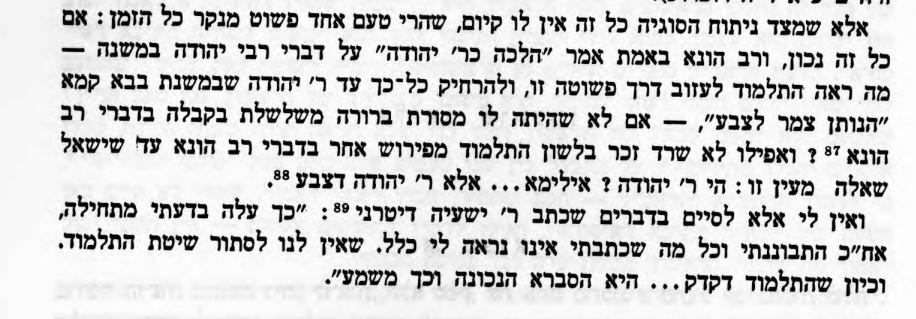
מתניתין דלא כר' יהושע בן קרחה דתניא ריב"ק אומר מלוה בשטר אין נפרעין מהן מלוה על פה נפרעין מהן מפני שהוא כמציל מידם יתיב רב יוסף אחוריה דר' אבא ויתיב רבי אבא קמיה דרב הונא ויתיב וקאמר הלכתא כרבי יהושע בן קרחה והלכתא כר' יהודה הלכתא כרבי יהושע הא דאמרן כר' יהודה דתניא הנותן צמר לצבע לצבוע לו אדום וצבעו שחור שחור וצבעו אדום ר"מ אומר נותן לו דמי צמרו רבי יהודה אומר אם השבח יתר על היציאה נותן לו את היציאה ואם היציאה יתירה על השבח נותן לו את השבח אהדרינהו רב יוסף לאפיה בשלמא הלכה כרבי יהושע בן קרחה איצטריך ס"ד אמינא יחיד ורבים הלכה כרבים קא משמע לן הלכה כיחיד אלא הלכה כרבי יהודה למה לי פשיטא דמחלוקת ואחר כך סתם הלכתא כסתם מחלוקת בבבא קמא וסתם בבבא מציעא דתנן כל המשנה ידו על התחתונה וכל החוזר בו ידו על התחתונה ורב הונא משום דאין סדר למשנה דאיכא למימר סתם תנא ברישא ואחר כך מחלוקת אי הכי כל מחלוקת ואחר כך סתם לימא אין סדר למשנה ורב הונא כי לא אמרינן אין סדר בחדא מסכת' בתרי מסכתי אמרינן ורב יוסף כולה נזיקין חדא מסכת' היא ואי בעית אימא משום דקתני לה גבי הלכתא פסיקתא כל המשנה ידו על התחתונה וכל החוזר בו ידו על התחתונה
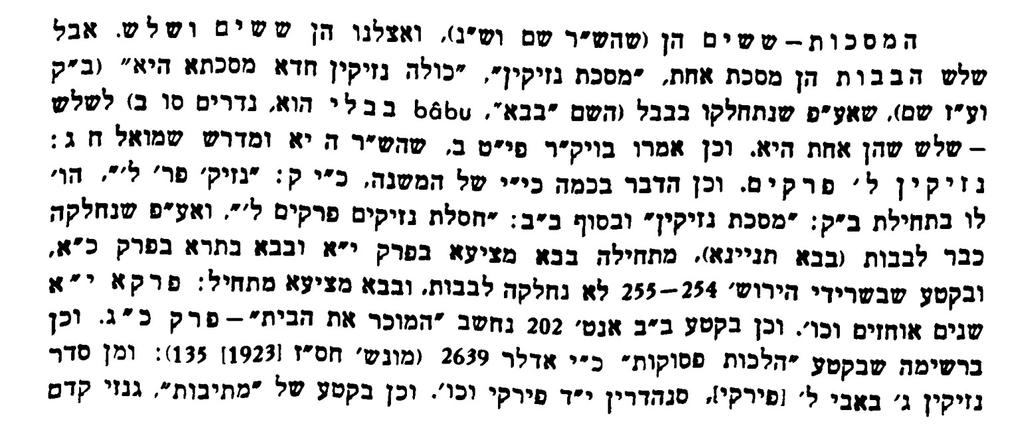
The Gemara notes: The mishna is not in accordance with the opinion of Rabbi Yehoshua ben Korḥa, as it states that one may not collect payment from a gentile during the three days preceding their festivals, without differentiating between various cases. As it is taught in a baraita: Rabbi Yehoshua ben Korḥa says: In the case of a loan with a promissory note, one may not collect payment from gentiles before their festivals, as one can demand repayment of the debt by presenting the promissory note in his possession at a later stage. By contrast, in the case of a loan by oral agreement, one may collect payment from them, because he is considered as one who salvages money from them, since he has no promissory note and cannot be sure that the gentile will repay the loan at another time. The Gemara relates: Rav Yosef sat behind Rabbi Abba in the study hall, and Rabbi Abba sat before Rav Huna, as a student before his teacher. And Rav Huna sat and said the following statements: The halakha is in accordance with the opinion of Rabbi Yehoshua ben Korḥa, and the halakha is in accordance with the opinion of Rabbi Yehuda. The Gemara explains: As for the statement that the halakha is in accordance with the opinion of Rabbi Yehoshua ben Korḥa, this is referring to that which we said with regard to collecting a loan by oral agreement from gentiles during the days preceding their festivals. As for the statement that the halakha is in accordance with the opinion of Rabbi Yehuda, this is as it is taught in a mishna (Bava Kamma 100b): In the case of one who gives wool to a dyer to dye it red for him and instead he dyed it black, or one who gives wool to a dyer to dye it black and instead he dyed it red, Rabbi Meir says: The dyer gives the owner of the wool the value of his wool. Since the dyer deviated from the owner’s wishes, he is considered akin to a robber who acquires the stolen item by changing it. Therefore, like a robber he keeps the changed item and pays the owner its original value. Rabbi Yehuda says: The dyer does not acquire the wool; rather, the owner of the wool must reimburse the dyer for his expenses, without losing out himself. If the value of the enhancement, i.e., the enhanced value of the wool, exceeds the dyer’s expenses, the owner of the wool gives the dyer the expenses. And if the expenses exceed the enhancement, he gives him the value of the enhancement. Rav Yosef turned his face away to demonstrate his displeasure with Rav Huna’s comment. The Gemara explains why Rav Yosef was unhappy: Granted, his ruling that the halakha is in accordance with the opinion of Rabbi Yehoshua ben Korḥa was necessary, as it might enter your mind to say that because this is a dispute between an individual and the many, the halakha should be in accordance with the opinion of the many, not in accordance with Rabbi Yehoshua ben Korḥa. Rav Huna therefore teaches us that in this case the halakha is in accordance with Rabbi Yehoshua ben Korḥa despite the fact that he is an individual. But why do I need the statement that the halakha is in accordance with the opinion of Rabbi Yehuda? It is obvious that this is the case, as there is a well-known principle that whenever there is a dispute in a mishna and afterward one opinion is presented as the ruling of an unattributed mishna, i.e., without attribution to a particular Sage or that the ruling is subject to debate, the halakha is in accordance with the opinion presented in the unattributed mishna. The Gemara adds that here the ruling of the unattributed mishna appears after the dispute, as the dispute between Rabbi Yehuda and Rabbi Meir appears in tractate Bava Kamma, and the unattributed mishna appears in Bava Metzia, which is the next tractate in the order of the Mishna. As we learned in a mishna (Bava Metzia 76a): Whoever changes the terms accepted by both parties is at a disadvantage, and whoever reneges on an agreement is at a disadvantage. This statement is in accordance with the opinion of Rabbi Yehuda, who holds that a craftsman who deviates from his assignment is at a disadvantage, as he receives only the expense or the enhancement, whichever is worth less. The Gemara asks: And why did Rav Huna feel it necessary to state explicitly that the halakha is in accordance with the opinion of Rabbi Yehuda? It was necessary because Rav Huna holds that the Mishna is not sequential, and therefore it is not clear that the mishna in Bava Kamma precedes the mishna in Bava Metzia. Consequently, it can be said that in fact this is a case of an unattributed mishna that is taught first, and only afterward appears the dispute between Rabbi Yehuda and Rabbi Meir. The Gemara challenges: If that is so, that the Mishna is not sequential, then in every case of a dispute that is afterward followed by an unattributed mishna, let us say that the Mishna is not sequential. The Gemara explains: And Rav Huna? How would he respond to this claim? He would say: When do we not say that the Mishna is non-sequential? The Mishna is considered sequential when both mishnayot appear in one tractate, but when they are in two different tractates, we do say that the Mishna is not sequential, and it is unclear which one was taught last. Therefore, in this case, as each mishna is found in a different tractate, one in Bava Kamma and the other in Bava Metzia, one cannot say for certain which was taught first. And how would Rav Yosef respond? He would say: All of tractate Nezikin, i.e., Bava Kamma, Bava Metzia, and Bava Batra, is considered one tractate, and therefore its internal order of mishnayot is sequential. And if you wish, say instead that Rav Yosef maintained that it was not necessary to say that the halakha is in accordance with the opinion of Rabbi Yehuda, because his ruling is taught amid other decided halakhot: Whoever changes the terms accepted by both parties is at a disadvantage, and whoever reneges on an agreement is at a disadvantage, i.e., this statement is unrelated to the subject matter of the chapter in which it appears. Consequently, it is evidently the accepted halakha and therefore Rav Huna’s statement was unnecessary.
שִׁמְעוֹן בַּר בָּא אָמַר. אֲתַא עוֹבִדָא קוֹמֵי רִבִּי יוֹחָנָן וְהוֹרֵי כְרִבִּי יוֹסֵי וַהֲוָה רִבִּי לָֽעְזָר מִצְטָעֵר וְאָמַר. שָֽׁבִקִין סְתָמָא וְעָֽבְדִין כִּיחִידָייָא. אַשְׁכַּח תַּנֵּי לָהּ רִבִּי חִייָה בְשֵׁם רִבִּי מֵאִיר. כַּד שְׁמַע דְּתַנֵּי לָהּ רִבִּי חִייָה בְשֵׁם רִבִּי מֵאִיר אָמַר. יְאוּת סַבָּא יָדַע פִּרְקֵי גַרְמֵיהּ. רִבִּי מָנָא בְעָא קוֹמֵי רִבִּי יוּדָן. לֹא כֵן אָמַר רִבִּי חִזְקִיָּה רִבִּי אַבָּהוּ בְשֵׁם רִבִּי לָֽעְזָר. כָּל־מָקוֹם שֶׁשָּׁנָה רִבִּי מַחֲלוֹקֶת וְאַחַר כָּךְ שָׁנָה סְתָם הֲלָכָה כִסְתָם. אָמַר לֵיהּ. לֹא רִבִּי. דִּילְמָא חוֹרָן. מָה הֵן. אִן דְּאַשְׁכַּח רִבִּי מַחֲלוֹקֶת וְמָזַר וְשָׁנָה סְתָם הֲלָכָה כִסְתָם. אָתָר דְּלָא אַשְׁכַּח רִבִּי מַתְנֵי מַחֲלוֹקֶת אֶלָּא אֲחֵרִים שָׁנוּ מַחֲלוֹקֶת וְרִבִּי שָׁנָה סְתָם. לֹא כָל־שֶׁכֵּן שֶׁתְּהֵא הֲלָכָה כִסְתָם. אֲתַא רִבִּי חִזְקִיָּה רִבִּי יַעֲקֹב בַּר אָחָא רִבִּי שִׁמְעוֹן בַּר אַבָּא בְשֵׁם רִבִּי לָֽעְזָר. וַאֲפִילוּ אֲחֵרִים שָׁנוּ מַחֲלוֹקֶת וְרִבִּי שָׁנָה סְתָם הֲלָכָה כִסְתָם. וְלָמָּה הוּא מוֹרֶה לֵיהּ כִּיחִידָייָא. רִבִּי שְׁמוּאֵל בַּר יַנַּה בְשֵׁם רִבִּי אָחָא. הָדָא דְאַתְּ אָמַר בְּשֶׁאֵין מַחֲלוֹקֶת אֶצֶל סְתָם. אֲבָל אִם יֵשׁ מַחֲלוֹקֶת אֶצֶל סְתָם לָא בְדָא הֲלָכָה כִסְתָם.
Simeon bar Abba said, there came a case before Rebbi Joḥanan and he instructed following Rebbi Yose. Rebbi Eleazar was sorry about this; he said, does one disregard the anonymous {Mishnah} and follow an isolated opinion? He found that Rebbi Ḥiyya stated this in the name of Rebbi Meïr. When he understood that Rebbi Ḥiyya stated this in the name of Rebbi Meïr, he said, the old man understands his chapters well. Rebbi Mana asked before Rebbi Yudan: Did not Rebbi Ḥizqiah, Rebbi Abbahu say in the name of Rebbi Eleazar, every place where Rebbi taught a disagreement and afterwards taught it anonymously, practice follows the anonymous statement. He said to him, and if not Rebbi, maybe somebody else. How is this? If it is found that Rebbi taught a disagreement and afterwards taught it anonymously, then practice follows the anonymous statement. In a case where Rebbi did not teach a disagreement but others taught it in disagreement and Rebbi taught it anonymously, certainly practice has to follow the anonymous text. There come Rebbi Ḥizqiah, Rebbi Jacob bar Aḥa, Rebbi Simeon bar Abba in the name of Rebbi Eleazar, every place where Rebbi taught a disagreement and afterwards taught it anonymously, practice follows the anonymous statement. Why does he instruct here following the isolated opinion? Rebbi Samuel bar Ina in the name of Rebbi Aḥa: That is, if no disagreement is stated together with the anonymous opinion. But if a disagreement is stated together with the anonymous opinion, practice does not follow the anonymous opinion.

תַּנֵּי. הַנּוֹתֵן מָעוֹת לַחֲבֵירוֹ לִיקַּח לוֹ חִטִּים וְלָקַח לוֹ שְׂעוֹרִים. אִם פָּחֲתוּ פָּחֲתוּ לוֹ וְאִם הוֹתִירוּ הוֹתִירוּ לוֹ.

וְתַנֵּי חוֹרָן. אִם פָּחֲתוּ פָּחֲתוּ לוֹ וְאִם הוֹתִירוּ הוֹתִירוּ לִשְׁנֵיהֶן.

[מָן דָּמַר אִם פָּחֲתוּ פָּחֲתוּ לוֹ וְאִם הוֹתִירוּ הוֹתִירוּ לוֹ רִבִּי מֵאִיר.

מַה טַעֲמָא דְּרִבִּי מֵאִיר. שֶׁלֹּא נִתְכַּװֵן הַמּוֹכֵר לְזַכּוֹת אֶלָּא לַלּוֹקֵחַ.

וּמָן דָּמַר אִם פָּחֲתוּ פָּחֲתוּ לוֹ וְאִם הוֹתִירוּ הוֹתִירוּ לִשְׁנֵיהֶן רִבִּי יְהוּדָה.]

מַאי טַעֲמָא דְּרִבִּי יוּדָן.

שֶׁלֹּא נִתְכַּװֵן הַמּוֹכֵר לְזַכּוֹת אֶלָּא לְבַעַל הַמָּעוֹת.

וְלָמָּה אֵין חוֹלֵק עִמּוֹ.

שֶׁאָסוּר לִיהֲנוֹת מֵחֲבֵירוֹ.

מֵעַתָּה אֲפִילוּ אָמַר לוֹ לִיקַּח לוֹ חִטִּים וְלָקַח לוֹ חִטִּים.

[אָמַר רִבִּי יוֹחָנָן. בְּשָׁעָה שֶׁאָמַר לוֹ לִיקַּח לוֹ בָהֶן חִטִּין וְלָקַח לוֹ חִטִּין] לֹא נִתְכַּװֵן הַמּוֹכֵר לְזַכּוֹת אֶלָּא לְבַעַל הַמָּעוֹת. וּבְשָׁעָה שֶׁאָמַר לוֹ לִיקַּח חִיטִּים וְלָקַח לוֹ שְׂעוֹרִים לֹא נִתְכַּװֵן מוֹכֵר לְזַכּוֹת אֶלָּא לַלּוֹקֵחַ וְקִייֵם מַה בְיָדֵיהּ.

אָמַר רִבִּי נָסָא. בְּשָׁעָה שֶׁקִּייֵם שְׁלִיחוּתוֹ לֹא נִתְכַּװֵן הַמּוֹכֵר לְזַכּוֹת לְבַעַל הַמָּעוֹת. לא קִייֵם שְׁלִיחוּתוֹ נִתְכַּװֵן לְזַכּוֹת לַלּוֹקֵחַ.

וְלָמָּה חוֹלֵק עִמּוֹ.

אָמַר. הוֹאִיל וּבָאָת לוֹ הֲנָייָה מִתַּחַת יָדוֹ אַף הוּא חוֹלֵק עִמּוֹ.

הָתִיב רִבִּי שְׁמוּאֵל בַּר בָּא קוֹמֵי רִבִּי יוֹחָנָן. וְהָתַנִּינָן. אֶחָד הַמַּקְדִּישׁ נְכָסָיו וְאֶחֶד הַמַּעֲרִיךְ עַצְמוֹ אֵין לוֹ בִּכְסוּת אִשְׁתּוֹ וּבָנָיו.

אָמַר. לֹא עָלַת עַל דַּעְתּוֹ לוֹמַר בִּכְסוּת אִשְׁתּוֹ וּבָנָיו.

וְהָתַנִּינָן. עֶרְכִּי עָלַי. כֵּיוָן שֶׁאָמַר עֶרְכִּי עָלַי לֹא קָבַע לְעַצְמוֹ אֶלָּא נ̇ סֶלַע.

הָאוֹמֵר. עֶרְכִּי עָלַי עַל מְנָת שֶׁלֹּא לְסַדֵּר מַה שֶׁעַל אִשְתִּי וּבָנַיי.

רִבִּי נָסָא בְשֵׁם רִבִּי בּוּן בַּר חִייָה. הָאוֹמֵר. עֶרְכִּי עָלַי עַל מְנָת שֶׁלֹּא לְסַדֵּר מֵחֶפֶץ פְּלוֹנִי. אֵין מְסַדְּרִין לוֹ מֵאוֹתוֹ הַחֵפֶץ.

רַב הוֹשַׁעְיָה בְשֵׁם שְׁמוּאֵל בַּר אַבָּא. זֹאת אוֹמֶרֶת שֶׁאֵין שָׁמִין עֲרָכִין מִן הַמִּטַּלְטְלַין דְּבַר תּוֹרָה אֶלָּא מִדִּבְרֵיהֶן.
It was stated: One gives money to another to buy wheat for him, but the man bought barley. If it went down in price, it went down in price for him; if it rose in price, it rose for him. We stated otherwise: “If it went down in price, it went down in price for him; if it rose in price, it rose for both of them.” [He who said if it went down in price, it went down in price for him; if it rose in price, it rose for him, is Rebbi Meïr. What is Rebbi Meïr’s reason? Because the seller intended to transfer ownership only to the buyer. But he who said, if it went down in price, it went down in price for him; if it rose in price, it rose for both of them, is Rebbi Jehudah.] What is Rebbi Jehudah’s reason? Because the seller intended to transfer ownership only to the owner of the money. Why does he (not) split with him? Because it is forbidden to take advantage of another person. Then even if one gave him money to buy wheat and he bought wheat? [Rebbi Joḥanan said, if he had given money to buy wheat and he bought wheat,] the seller intended to transfer ownership only to the owner of the money. If he had given money to buy wheat and he bought barley, the seller intended to transfer ownership only to the buyer, who is stuck with what he has on his hands. Rebbi Nasa said, if he was true to his agency, did the seller not intend to transfer ownership to the owner of the money? If he was not true to his agency, he intended to transfer ownership to the buyer. Then why does he split with him? He said, because he realizes a profit by means of the other man’s money, he splits with him. Rebbi Samuel bar Abba objected before Rebbi Joḥanan. Did we not state: “Both the person who dedicates and the one who vows his own valuation exclude their wives’ and children’s clothing.” He answered, nobody thought to include their wives’ and children’s clothing. But did we not state: “My valuation on myself”; at the moment when he said, my valuation on myself, he only obligated himself for fifty tetradrachmas. If he says, my valuation on myself on condition not to pledge what is worn by my wife and children? Rebbi Nasa in the name of Samuel bar Abba: One who says, my valuation on myself on condition not to pledge a particular thing, one cannot use that particular thing as a pledge. Rav Hoshaia in the name of Samuel bar Abba: This implies that one does not foreclose valuations from movables by biblical decree but only from the rabbis.
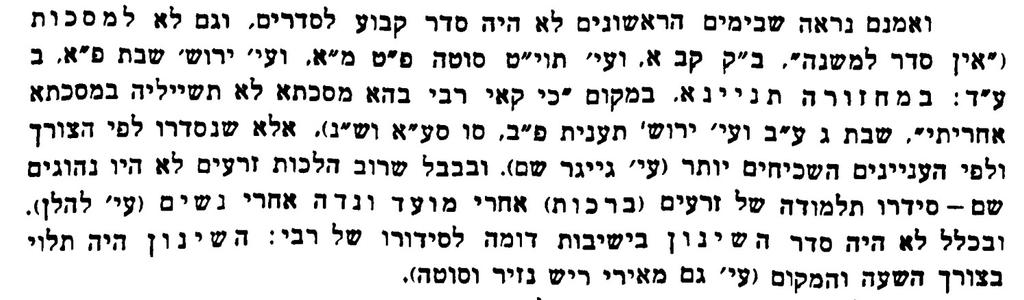
אֲמַר לֵיהּ רַבִּי יִרְמְיָה לְרַבִּי זְרִיקָא: כִּי עָיְילַתְּ לְקַמֵּיהּ דְּרַבִּי אֲבָהוּ, רְמִי לֵיהּ: מִי אָמַר רַבִּי יוֹחָנָן הֲלָכָה כְּרַבִּי יוֹסֵי? וְהָאָמַר רַבִּי יוֹחָנָן: הֲלָכָה כִּסְתַם מִשְׁנָה. וּתְנַן: כׇּל הַנָּשִׁים לֹא יִנָּשְׂאוּ וְלֹא יִתְאָרְסוּ עַד שֶׁיְּהוּ לָהֶם שְׁלֹשָׁה חֳדָשִׁים, אַחַת בְּתוּלוֹת וְאַחַת בְּעוּלוֹת! אֲמַר לֵיהּ: דִּרְמָא לָךְ הָא — לָא חַשׁ לְקִמְחֵיהּ. סְתָם וְאַחַר כָּךְ מַחְלוֹקֶת הִיא, וְאֵין הֲלָכָה כִּסְתָם. דְּאָמַר רַב פָּפָּא, וְאִיתֵּימָא רַבִּי יוֹחָנָן: מַחְלוֹקֶת וְאַחַר כָּךְ סְתָם — הֲלָכָה כִּסְתָם. סְתָם וְאַחַר כָּךְ מַחְלוֹקֶת — אֵין הֲלָכָה כִּסְתָם. מִסְתְּמִיךְ וְאָזֵיל רַבִּי אֲבָהוּ אַכַּתְפֵּיהּ דְּרַבִּי נַחוּם שַׁמָּעֵיהּ, מְנַקֵּיט וְאָזֵיל הִלְכָתָא מִינֵּיהּ. בְּעָא מִינֵּיהּ: מַחְלוֹקֶת וְאַחַר כָּךְ סְתָם מַאי? אֲמַר לֵיהּ: הֲלָכָה כִּסְתָם. סְתָם וְאַחַר כָּךְ מַחְלוֹקֶת מַאי? אֲמַר לֵיהּ: אֵין הֲלָכָה כִּסְתָם. סְתָמָא דְּמַתְנִיתִין וּמַחְלוֹקֶת בְּבָרַיְיתָא, מַאי? אֲמַר לֵיהּ: הֲלָכָה כִּסְתָם. מַחְלוֹקֶת בְּמַתְנִיתִין וּסְתָמָא בְּבָרַיְיתָא, מַאי? אֲמַר לֵיהּ: וְכִי רַבִּי לֹא שְׁנָאָהּ, רַבִּי חִיָּיא מִנַּיִן לוֹ? אֲמַר לֵיהּ,
Rabbi Yirmeya said to Rabbi Zerika: When you come before Rabbi Abbahu, raise the following contradiction: Did Rabbi Yoḥanan actually say that the halakha is in accordance with the opinion of Rabbi Yosei? Didn’t Rabbi Yoḥanan say that the halakha is always established in accordance with the ruling of an unattributed mishna? And we learned in the mishna an unattributed ruling: All women may not marry and may not be betrothed until they have waited three months since their previous marriage ended; this applies to both virgins and non-virgins. When Rabbi Zerika went and asked, Rabbi Abbahu said to him: The one who raised this contradiction to you is clearly not concerned for his flour; this is a case of an unattributed ruling followed by a dispute on that ruling, and in such cases the halakha is not necessarily in accordance with the unattributed opinion. As Rav Pappa said, and some say it was Rabbi Yoḥanan who said the following principle: When the Mishna first records a dispute, and afterward it records only one side of that dispute as an unattributed opinion, then the halakha is in accordance with the unattributed opinion. However, when the Mishna first records an unattributed opinion and afterward records that the ruling is subject to a dispute, the halakha is not necessarily in accordance with the unattributed opinion. In each case, the later reference is considered to be a summary of the matter. § The Gemara relates: Rabbi Abbahu would walk while leaning upon the shoulder of Rabbi Naḥum, his attendant, and along the way Rabbi Naḥum would walk and gather halakhic rulings from him. Once, Rabbi Naḥum asked him: When the Mishna first records a dispute, and afterward it records only one side of that dispute as an unattributed opinion, what is the halakha? Rabbi Abbahu said to him: The halakha is in accordance with the unattributed opinion. Rabbi Naḥum then asked: When the Mishna first records an unattributed opinion and afterward records that the ruling is subject to a dispute, what is the halakha? Rabbi Abbahu said to him: The halakha is not necessarily in accordance with the unattributed opinion. Rabbi Naḥum asked: When a ruling is recorded in the Mishna as unattributed and it is subject to a dispute in a baraita, what is the halakha? Rabbi Abbahu said to him: The halakha is in accordance with the unattributed opinion in the Mishna. Rabbi Naḥum then asked: When the Mishna records that a matter is subject to a dispute, and only one side is recorded as an unattributed opinion in a baraita, what is the halakha? Rabbi Abbahu said to him: If Rabbi Yehuda HaNasi had not taught that ruling in the Mishna, from where would Rabbi Ḥiyya, his disciple and redactor of the baraitot, have known it? Since the source of the unattributed ruling in the baraita is certainly the dispute recorded in the mishna, its lack of attribution in the baraita only reflects the fact that Rabbi Ḥiyya ruled in accordance with that opinion, but that cannot be used to indicate that it is the accepted halakha. Rabbi Naḥum questioned the principle that the halakha is always in accordance with an unattributed ruling in a mishna and said to Rabbi Ḥiyya: Didn’t we learn in a mishna (Kelim 13:8): A comb made for combing beaten flax in preparation for spinning, from which its teeth were removed and only two of its teeth remained in it, is still suitable for combing. It is therefore considered a utensil and will become ritually impure if it comes in contact with ritual impurity. However, if only one tooth remained, so that the comb was no longer suitable for combing, it is no longer considered a utensil and so will remain ritually pure even if it comes in contact with ritual impurity. And with regard to any of the teeth that were individually removed on their own, since they do serve a purpose, e.g., they may be embedded and used as hooks, they are considered utensils and can become ritually impure.
י"נ אפשטיין, מבוא לנוסח המשנה, עמ' 981-982
ד' רוזנטל, "לא איתפרש לן מאי בעי הכא", בר אילן יח-יט (תשמ"א), עמ' 150-169.
מלוגמא - שי היימנס, המילים השאולות מיוונית ומלטינית במשנה: לקסיקון ותורת ההגה (עבודת דוקטור, אונ' ת"א, תשע"ג), עמ' 131: מיוונית - μάλαγμα, לטינית - malagma, "משחה, תחבושת".
אפיקטויזיון - שם, עמ' 60: הפירוש המסורתי: קיא, סם הקאה. דעות שונות באשר לאטימולוגיה.