(ה) קְח֨וּ מֵֽאִתְּכֶ֤ם תְּרוּמָה֙ לַֽה׳ כֹּ֚ל נְדִ֣יב לִבּ֔וֹ יְבִיאֶ֕הָ אֵ֖ת תְּרוּמַ֣ת ה׳ זָהָ֥ב וָכֶ֖סֶף וּנְחֹֽשֶׁת׃
(5) Take from among you gifts to ה׳; everyone whose heart is so moved shall bring them—gifts for ה׳: gold, silver, and copper;
(ו) וּתְכֵ֧לֶת וְאַרְגָּמָ֛ן וְתוֹלַ֥עַת שָׁנִ֖י ...
(6) blue, purple, and crimson yarns...
(ה) וְעֹרֹ֨ת אֵילִ֧ם מְאׇדָּמִ֛ים וְעֹרֹ֥ת תְּחָשִׁ֖ים וַעֲצֵ֥י שִׁטִּֽים׃
(5) tanned ram skins,*tanned ram skins Others “rams’ skins dyed red.” dolphin*dolphin Or “dugong”; meaning of Hebrew taḥash uncertain. skins, and acacia wood;
רש"י על שמות כ״ה:ה׳:א
מאדמים. צְבוּעוֹת הָיוּ אָדֹם לְאַחַר עִבּוּדָן:
RASHI25:5:1
מאדמים
RED — they were dyed red after having been tanned.
מַתְנִי׳ אֲבוֹת מְלָאכוֹת אַרְבָּעִים חָסֵר אַחַת: ... הַטּוֹחֵן — הֲרֵי אֵלּוּ אֲבוֹת מְלָאכוֹת אַרְבָּעִים חָסֵר אַחַת.
MISHNA: This fundamental mishna enumerates those who perform the primary categories of labor prohibited on Shabbat, which number fgrouped in accordance with their function: ...one who grinds, ... All these are primary categories of labor, and they number forty-less-one.
(טו) הַטּוֹחֵן כִּגְרוֹגֶרֶת חַיָּב. וְכָל הַשּׁוֹחֵק תַּבְלִין וְסַמָּנִין בְּמַכְתֶּשֶׁת הֲרֵי זֶה טוֹחֵן וְחַיָּב. הַמְחַתֵּךְ יָרָק תָּלוּשׁ הֲרֵי זֶה תּוֹלֶדֶת טוֹחֵן.
A person who grinds [an amount of grain the size of] a dried fig is liable. One who crushes spices or herbs in a mortar is performing the labor of grinding and is held liable. A person who cuts a vegetable that has been detached from its source [into small pieces] performs a derivative of the labor of grinding.
אָמַר עוּלָּא: גְּזֵירָה מִשּׁוּם שְׁחִיקַת סַמְמָנִין.
Ulla said: the Sages issued a decree prohibiting all healing on Shabbat due to the crushing of herbs for medicinal purposes.
רש"י על שבת
נ״ג ב:ו׳:ג
גזירה משום שחיקת סממנים -
(...) שום רפואה אתי למישרי שחיקת סממנים והוא איסורא דאורייתא דהוי טוחן:
Rashi on Shabbat
53b:6:3
Our sages decreed against things that heal, for if you were to permit any healing, one would come to permit crushing herbs, which is a Torah-level prohibition of tochen [grinding].
(ב)מי שיש לו חולי של סכנה מצוה לחלל עליו את השבת והזריז הרי זה משובח והשואל הרי זה שופך דמים:
(2) For someone who has a dangerous illness, it is a commandment to break Shabbat for him. One who hurries to do this is praised. One who asks about this is a murderer.
הָוֵי דָּבָר שֶׁבְּמִנְיָן, וְכׇל דָּבָר שֶׁבְּמִנְיָן — צָרִיךְ מִנְיָן אַחֵר לְהַתִּירוֹ.
... any matter that was established by a vote requires another vote to permit it.
בֵּית דִּין שֶׁגָּזְרוּ גְּזֵרָה אוֹ תִּקְּנוּ תַּקָּנָה וְהִנְהִיגוּ מִנְהָג וּפָשַׁט הַדָּבָר בְּכָל יִשְׂרָאֵל. וְעָמַד אַחֲרֵיהֶם בֵּית דִּין אַחֵר וּבִקֵּשׁ לְבַטֵּל דְּבָרִים הָרִאשׁוֹנִים וְלַעֲקֹר אוֹתָהּ הַתַּקָּנָה וְאוֹתָהּ הַגְּזֵרָה וְאוֹתוֹ הַמִּנְהָג. אֵינוֹ יָכוֹל עַד שֶׁיִּהְיֶה גָּדוֹל מִן הָרִאשׁוֹנִים בְּחָכְמָה וּבְמִנְיָן.
The following rules apply when a court issued a decree, instituted an edict, or established a custom and this practice spread throughout the Jewish people and another court arose and sought to nullify the original order and eliminate the original edict, decree, or custom. The later court does not have this authority unless it surpasses the original court in wisdom and in its number of adherents.
הלכה: ג׳. חַד בַּר נַשׁ שָׁאַל לְרִבִּי שִׁמְעוֹן בַּר כַּרְסָנָא. מָהוּ מִישְׁתֵּי קָרִירְטוֹן בַּשַּׁבָּת. אָמַר לֵיהּ. אִם לְתַעֲנוֹג מוּתָּר. אִם לִרְפוּאָה אָסוּר... בִּלְבַד דָּבָר שֶׁהוּא שֶׁלְסַכָּנָה.
HALAKHAH: 3. A man asked Rebbi Simeon bar Karsana: May one drink Karirton (resin-flavoured wine) on the Schabbat? He said to him, if for enjoyment it is permitted, if as medicine it is forbidden...with the exeption of the matter of danger.
מַתְנִי׳ אֵין אוֹכְלִין אֵיזֹבְיוֹן בְּשַׁבָּת לְפִי שֶׁאֵינוֹ מַאֲכַל בְּרִיאִים, ... כׇּל הָאוֹכָלִין — אוֹכֵל אָדָם לִרְפוּאָה, וְכׇל הַמַּשְׁקִין — שׁוֹתֶה, חוּץ מִמֵּי דְקָלִים וְכוֹס עִיקָּרִין, מִפְּנֵי שֶׁהֵן לִירוֹקָה. אֲבָל שׁוֹתֶה הוּא מֵי דְקָלִים לִצְמָאוֹ, וְסָךְ שֶׁמֶן עִיקָּרִין שֶׁלֹּא לִרְפוּאָה.
MISHNA:One may not eat eizoveyon* on Shabbat because healthy people do not eat it.
...
Furthermore, all types of food that healthy people eat may be eaten by a person even for medicinal purposes. And one may drink all drinks except for water from palm trees and a kos ikarin because they are known as a remedy for jaundice.However, one may drink palm tree water on Shabbat in order to quench his thirst, and one may smear ikarin oil on himself for non-medical purposes.
מַהוּ לְמִימַּץ וּלְמִיפְתַּח? אֲמַר לֵיהּ: זוֹ לֹא שָׁמַעְתִּי, כַּיּוֹצֵא בָּהּ שָׁמַעְתִּי. דְּאָמַר רַבִּי זֵירָא, זִימְנִין אָמַר לַהּ מִשְּׁמֵיהּ דְּרַב מַתְנָה וְזִימְנִין אָמַר לַהּ מִשְּׁמֵיהּ דְּמָר עוּקְבָא, וְתַרְוַויְיהוּ מִשְּׁמֵיהּ דַּאֲבוּהּ דִּשְׁמוּאֵל וְלֵוִי אָמְרִין, חַד אָמַר: יַיִן, בְּתוֹךְ הָעַיִן — אָסוּר, עַל גַּב הָעַיִן — מוּתָּר. וְחַד אָמַר: רוֹק תָּפֵל [אֲפִילּוּ] עַל גַּב הָעַיִן — אָסוּר.
(Ravin asked another question: When one washes himself on Shabbat in water from the Dead Sea, what is the halakha? )
Is it permitted for him to close and open his eyes in the water (so that the water gets inside)? Rabbi Yirmeya said to him: That case I did not hear; however, with regard to a similar case, placing wine in one’s eye on Shabbat, I did hear. ...
One of them said: With regard to placing wine inside the eye on Shabbat, it is prohibited because it heals; on the eye, it is permitted.
And one of them said: bland saliva, saliva from one who has not eaten since waking, even placing it on the eye on Shabbat is prohibited because it is commonly used as medicine.
ונותן ע"ג עיניו - וליכא למיגזר ומאן דחזינהו סבר דרחיצה בעלמא היא :
... and place them on his eyes -
(placing a plaster on your eyes on Shabbat would be forbidden because of healing) except it looks like cleaning your eyes
אָמַר מָר עוּקְבָא אָמַר שְׁמוּאֵל: שׁוֹרֶה אָדָם קִילוֹרִין מֵעֶרֶב שַׁבָּת וְנוֹתֵן עַל גַּב עֵינָיו בְּשַׁבָּת, וְאֵינוֹ חוֹשֵׁשׁ.
Mar Ukva said that Shmuel said: One may soak eye salves from Shabbat eve and place them on his eyes on Shabbat, and he need not be concerned that he is violating the prohibition against healing on Shabbat.
מַתְנִי׳ הַחוֹשֵׁשׁ בְּשִׁינָּיו — לֹא יְגַמֵּעַ בָּהֶן אֶת הַחוֹמֶץ, אֲבָל מְטַבֵּל הוּא כְּדַרְכּוֹ, וְאִם נִתְרַפֵּא — נִתְרַפֵּא. הַחוֹשֵׁשׁ בְּמׇתְנָיו — לָא יָסוּךְ יַיִן וָחוֹמֶץ, אֲבָל סָךְ הוּא אֶת הַשֶּׁמֶן. וְלֹא שֶׁמֶן וֶורֶד. בְּנֵי מְלָכִים סָכִין שֶׁמֶן וֶרֶד עַל מַכּוֹתֵיהֶן, שֶׁכֵּן דַּרְכָּן לָסוּךְ בְּחוֹל. רַבִּי שִׁמְעוֹן אוֹמֵר: כׇּל יִשְׂרָאֵל בְּנֵי מְלָכִים הֵם.
MISHNA:One who is concerned about pain in his teeth may not sip vinegar through them on Shabbat for medicinal purposes: however, he may dip his food in vinegar in his usual manner and eat it, and if he is healed by the vinegar, he is healed. One who is concerned about pain in his loins may not smear wine and vinegar on them on Shabbat because that is a medical treatment. However, one may smear oil on them.
אבל לא שמן וורד - לפי שדמיו יקרין ואינו מצוי ומוכחא מילתא דלרפואה עביד:
But not rose oil - ... which is very expensive and used exclusively as a cure.
שולחן ערוך, אורח חיים שכ״ח
מי שיש לו מיחוש בעלמא והוא מתחזק והולך כבריא אסור לעשות לו שום רפואה, ואפי' ע"י א"י, גזירה משום שחיקת סמנים.
Shulchan Aruch, OH, 328:1
Someone who has a mere bad feeling (מיחוש), but he strengthens himself and walks around like a healthy person - it is prohibited to do any healing for him, even by non-Jews - because of the decree of grinding.
אמר רבה בר בר חנה אמר רבי יוחנן כל מכה שמחללין עליה את השבת אין מתרפאין מהן ...
Rabba bar bar Ḥana says that Rabbi Yoḥanan says: With regard to any (minor) injury for which Shabbat is to be desecrated, one may not be treated ...
(ב)מי שיש לו חולי של סכנה מצוה לחלל עליו את השבת והזריז הרי זה משובח והשואל הרי זה שופך דמים:
(2) For someone who has a dangerous illness, it is a commandment to break Shabbat for him. One who hurries to do this is praised. One who asks about this is a murderer.
דְּאָמַר רַב הַמְנוּנָא: דָּבָר שֶׁאֵין בּוֹ סַכָּנָה — אוֹמֵר לְגוֹי וְעוֹשֶׂה.
Rav Hamnuna says: With regard to a matter in which there is no danger, but only potential illness, one says to the gentile to perform the act, and he performs the act.
(י) חוֹלֶה שֶׁאֵין בּוֹ סַכָּנָה עוֹשִׂין לוֹ כָּל צְרָכָיו עַל יְדֵי נָכְרִי. כֵּיצַד. אוֹמְרִין לַנָּכְרִי לַעֲשׂוֹת לוֹ וְהוּא עוֹשֶׂה. לְבַשֵּׁל לוֹ וְלֶאֱפוֹת וּלְהָבִיא רְפוּאָה מֵרְשׁוּת לִרְשׁוּת וְכַיּוֹצֵא בָּאֵלּוּ. וְכֵן כּוֹחֵל עֵינָיו מִן הַנָּכְרִי בְּשַׁבָּת אַף עַל פִּי שֶׁאֵין שָׁם סַכָּנָה. וְאִם הָיוּ צְרִיכִים לִדְבָרִים שֶׁאֵין בָּהֶן מְלָאכָה עוֹשִׂין אוֹתָן אֲפִלּוּ יִשְׂרָאֵל. לְפִיכָךְ מַעֲלִין אָזְנַיִם בְּשַׁבָּת וּמַעֲלִין אֻנְקְלִי וּמַחְזִירִין אֶת הַשֶּׁבֶר וְכָל כַּיּוֹצֵא בָּזֶה מֻתָּר:
When a sick person is not dangerously ill, all his needs should be cared for by a gentile. What is implied? We may tell a gentile to perform [forbidden labors] on his behalf and he performs them. [This includes] cooking, baking, bringing medicine from one domain to another and the like. Similarly, one may have one's eyes treated by a gentile on the Sabbath even though there is no danger involved.
Furthermore, if [the sick] require treatment that does not involve the performance of [forbidden] labors, they may be treated even by Jews. For this reason, it is permitted to perform [physical activities for the benefit of the sick]; for example, one may lift [the tendons of] the ears, lift up cartilage around the heart, restore broken bones to their places, or perform other activities of this like.
(כ) ... שֶׁהוּא טוֹחֵן. לְפִיכָךְ אָסוּר לַבָּרִיא לְהִתְרַפְּאוֹת בְּשַׁבָּת גְּזֵרָה שֶׁמָּא יִשְׁחֹק הַסַּמְמָנִין:
(20) ... that one might do (on Shabbat) the forbidden melacha of grinding. For this reason, it is forbidden for a healthy person to take medication on the Sabbath a decree lest one grinds herbs.
שולחן ערוך, אורח חיים שכ״ח:יז
חולה שנפל מחמת חלי למשכב ואין בו סכנה הגה או שיש לו מיחוש שמצטער וחלה ממנו כל גופו שאז אע"פ שהולך כנפל למשכב דמי [המגיד פ"ב] אומרים לעכו"ם לעשות לו רפואה אבל אין מחללין עליו את השבת באיסור דאוריית' אפי' יש בו סכנת אבר ולחלל עליו ישראל באיסור דרבנן בידים יש מתירים ... ויש אומרים שאם אין בו סכנת אבר עושין בשינוי ואם יש בו סכנת אבר עושין בלא שינוי ויש אומרים אפי' יש בו סכנת אבר אין עושין לו דבר שהיא נסמך למלאכה דאוריית' ודברים שאין בהם סמך מלאכה עושין אפי' אין בו סכנת אבר ודברי הסברא השלישית נראין:
הגה מותר לומר לעכו"ם לעשות תבשיל לקטן שאין לו מה לאכול דסתם צרכי קטן כחולה שאין בו סכנה דמי (ר' ירוחם ני"ב ח"ט ורמב"ם ורשב"א) וכל שאסור לעשותו ע"י ישראל אפי' ע"י החולה בעצמו אסור אבל כשעושה לו העכו"ם מותר לחולה לסייעו קצת דמסייע אין בו ממש
Shulchan Arukh, Orach Chayim 328: 17
A sick person who is in bed, but is not in danger, a non-Jew is allowed to support him with medicine, but he is not allowed to transgress a melacha d'oraita ... If he has an endangered body part there are those who allow that a Jew to do rabbinically forbidden melacha for him and there are those who say that if he doesn't have an endangered body part, we desecrate with a slight change (b'shinui), and if he has an endangered body part, we override Shabbat without a change. And there are those who say that even if he has an endangered body part, we do not break any prohibition that is related to a melacha d'oraita, and melachot which are not transgressing a d'oraita, we do even if he does not have an endangered body part.
Rema: Similarly, if one is suffering from pain that weakens his entire body (for example, a migraine), he is considered a sick person, even if he has not actually gone to lie down.And everything that is forbidden for a Jew to do is also forbidden for the sick person himself to do, but if a non-Jew is doing something, the sick person is allowed to help a bit, because aiding is not considered substantial
משנה ברורה שכ״ח:סג
מותר בבישולי א"י - ואע"ג דשאר איסורי דרבנן אסור לחולה שאב"ס לאכול ולשתות כדאיתא ביו"ד סימן קנ"ה שאני בישול א"י שאין איסורו מחמת עצמו [פמ"ג] וגם החולה מברך עליו דבהתירא קאכיל ומה שנשאר למו"ש אסור אפילו לחולה עצמו כיון שאפשר לבשל לו אז ע"י ישראל.
...
The Mishnah Berurah, 328:63
Although Chasal hold that a שאב״ס should not eat and drink (medical substances) as it is stated in YD 155:3, the Choleh is saying a Beracha like on ordinary foods or drinks. On Motzei Shabbat these cooked-on-Shabbat-foods and drinks are then prohibited, even to the Choleh himself, because now a Jew can cook for him.
...
(כ)אין נותנין יין לתוך העין וליתנו על גביו אם פותח וסוגר העין אסור ואם אינו פותח וסוגר מותר ורוק תפל אפי' על גביו אסור דמוכחא מלתא דלרפואה קעביד:
...One does not place wine inside the eye - placing wine on the eyelid with opening and closing the eye.
If the eye does not open and close it is permitted. Bland saliva, even on the eyelid is forbidden, since it is prooven matter that is commonly used as medicine.
אֵין נוֹתְנִין יַיִן לְתוֹךְ הָעַיִן אֲבָל נוֹתֵן הוּא עַל גַּב הָעַיִן. וְרֹק תָּפֵל אֲפִלּוּ עַל גַּב הָעַיִן אָסוּר. קִילוֹר שֶׁשָּׁרָה אוֹתוֹ מֵעֶרֶב שַׁבָּת מַעֲבִירוֹ עַל גַּב עֵינוֹ בְּשַׁבָּת וְאֵינוֹ חוֹשֵׁשׁ. מִי שֶׁלָּקָה בְּאֶצְבָּעוֹ לֹא יִכְרֹךְ עָלָיו גֶּמִי כְּדֵי לְרַפְּאוֹתוֹ וְלֹא יִדְחָקֶנּוּ בְּיָדוֹ כְּדֵי לְהוֹצִיא מִמֶּנּוּ דָּם:
One may not apply wine to one's eyes, but one may place it on one's eyelids. It is forbidden to apply saliva taken from a person before he ate - even to one's eyelids. An eye salve that was left to soak on Friday may be applied to one's eyes on the Sabbath without hesitation.
A person whose finger becomes wounded should not wind a reed around it to heal it, nor should he squeeze it tightly with his hand so that it bleeds.
(קכא) אם נפל למשכב שרי - פי' לאכול ולשתות דברים שאין מדרך הבריאים לאכול ומסתימת דברי הרמ"א משמע שא"צ אפילו שיהיה א"י מושיט לו אלא מותר לו ליקח בעצמו ואע"ג דפסקינן ... דשבות שיש בו מעשה אסור ע"י ישראל ואינו מותר כ"א ע"י שינוי:
... (121) If someone fell ill he is permitted to take medicine, even without Shinui (alteration from the normal procedure)

סכִין וּמְפָרְכִין לְאָדָם לְעַנֵּג אֲבָל לֹא לִבְהֵמָה. וְאִם הָיָה לָהּ צַעַר מֻתָּר לְהָסִיר צַעֲרָהּ בְּסִיכָה וּפֵרוּךְ. ...
וְאֵין חוֹשְׁשִׁין שֶׁמָּא יִשְׁחַק לָהּ סַמָּנִין:
We may apply oil to and peel off [the scabs of] a human's [wound] *The bracketed additions are based on Rashi's commentary, Shabbat 53b. Note the Shulchan Aruch (Orach Chayim 328:28) which states that this leniency applies only in places where it is common for people to annoint themselves with oil. for pleasure, *I.e., even when the wound has begun to heal and the scabs have dried (Shulchan Aruch, Orach Chayim 328:22).
We may apply oil to and peel off [the scabs of] a human's [wound] for pleasure, but not those of an animal. ...
We do not suspect that one will grind herbs.
(R' Avraham Chaim Na'eh, posek, 1890 – 1954, Israel)
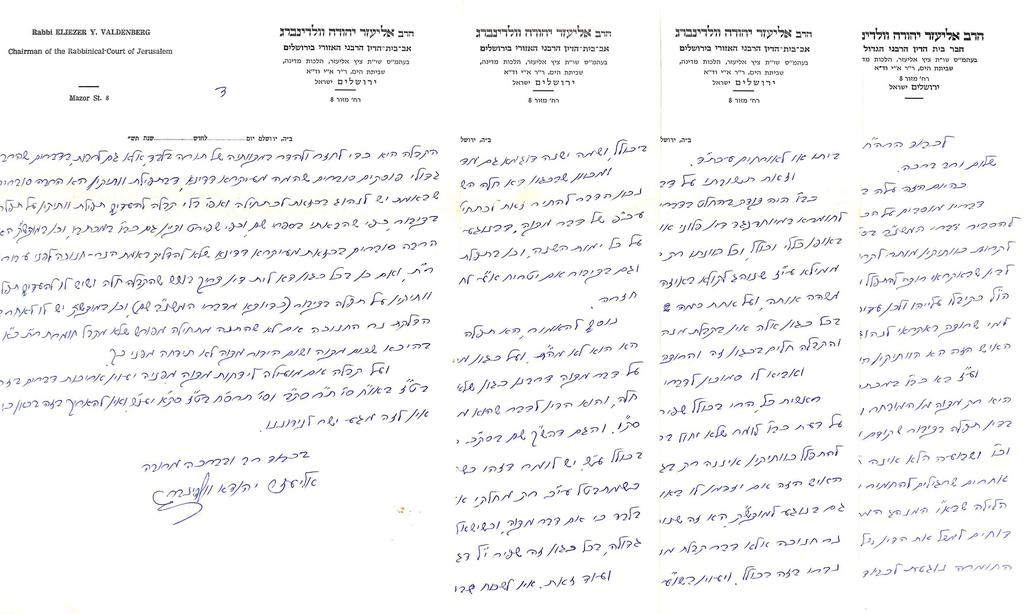
(R' Eliezr Waldenberg, Jerusalem 1915 - 2006, posek, dayan and leading authority on medicine and Jewish law)
-> Hebrewbooks.org
https://ph.yhb.org.il/en/01-24-06/
שו”ת ציץ אליעזר יד:נ
תרופות ארגעה שאינם מרפאים כלל ובאים רק להשקטת העצבים והמתח בלבד, או השקטת מיחושים הגורמים לו את ההפרעה, אבל אינם מרפאים, סוגים כאלה יש מקום להתיר לקחתם בשבת
Responsa Tzitz Eliezer 14:50
Sedatives that do not heal at all and are used only to calm nerves and tension, or [medicines] to relieve aches that disturb one, but do not heal, there is room to permit taking these types [of medicines] on Shabbat.
Headache: medication should not be taken.
If the headache is severe enough so that one feels weak all over or is forced to go to bed, medication may be taken.
One who is unsure if he has reached that stage of illness may be lenient and take pain- relieving medication
Michush be'alma, choleh she'ein bo sakanah, headaches
See below
(א) מיחוש בעלמא והוא מתחזק וכו' - דאם כאיב ליה טובא וחלה כל גופו עי"ז או שנפל למשכב אף שאין בו סכנה מותר לעשות בשבילו רפואה שאין בה מלאכה
... has a minor disposition and holds himself together - if the individual is in pain and his whole body feels sick because of this or he has to lie in bed, even if there is no danger, there is permission to medicate (without doing a melacha which transgresses Shabbat)
שמירת שבת כהלכתה לד:טז
הכואב כאב קל, אסור לו לקחת שום תרופה…אולם אם קיים חשש, שאם לא יקח תרופות-יגבר הכאב והוא יחלה, כך שישתנה דינו לדין חולה שאין בו סכנה, כגון החש בראשו וקיימת אצלו נטייה למיגרנה…מותר לו לקחת תרופות.
One who has a light pain, it is prohibited for him to take any medicine [on Shabbat]…but if there is a concern that if he not take the medicine the pain will increase and he will become sick, such that his halachic category would shift to that of a choleh she-ein bo sakana, like one who has a headache and has a tendency for migraines…it is permissible for him to take medicines.