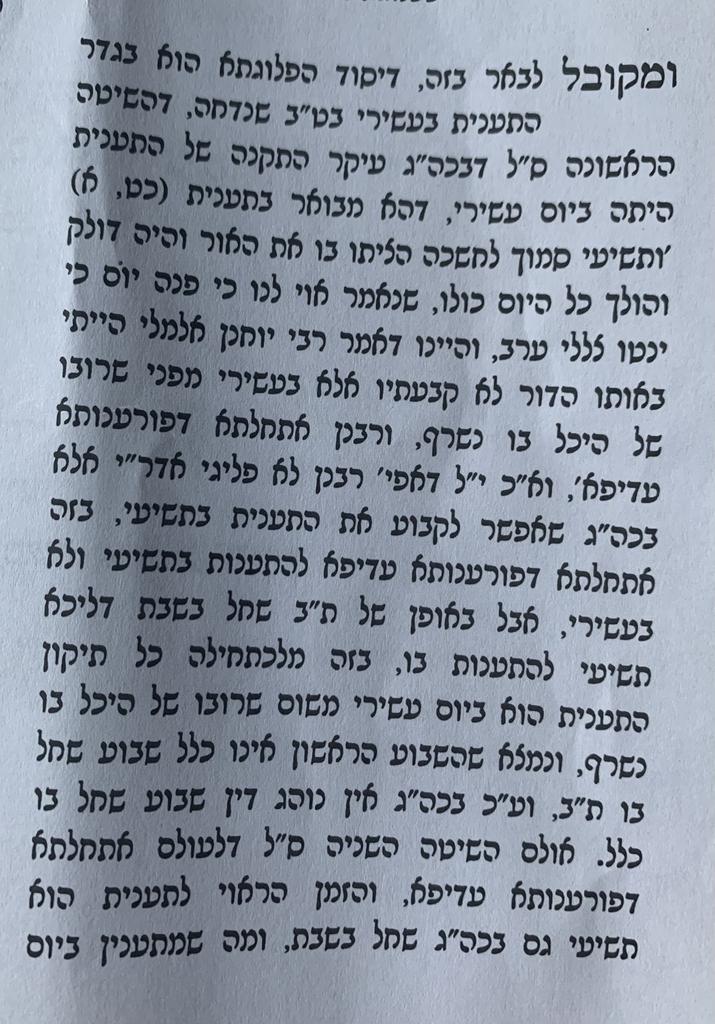
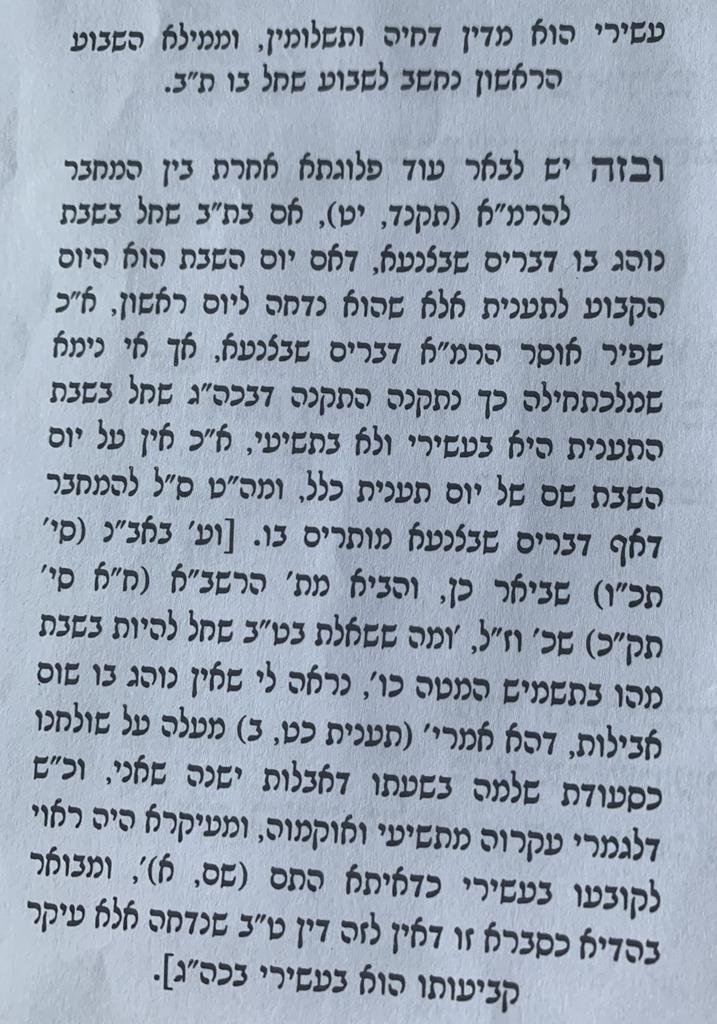
וְתַנְיָא: אִי אֶפְשָׁר לוֹמַר בְּשִׁבְעָה, שֶׁהֲרֵי כְּבָר נֶאֱמַר ״בֶּעָשׂוֹר״. וְאִי אֶפְשָׁר לוֹמַר בֶּעָשׂוֹר, שֶׁהֲרֵי כְּבָר נֶאֱמַר ״בְּשִׁבְעָה״, הָא כֵּיצַד? בְּשִׁבְעָה נִכְנְסוּ נׇכְרִים לַהֵיכָל, וְאָכְלוּ וְקִלְקְלוּ בּוֹ שְׁבִיעִי שְׁמִינִי. וּתְשִׁיעִי סָמוּךְ לַחֲשֵׁיכָה הֵצִיתוּ בּוֹ אֶת הָאוּר, וְהָיָה דּוֹלֵק וְהוֹלֵךְ כׇּל הַיּוֹם כּוּלּוֹ, שֶׁנֶּאֱמַר: ״אוֹי לָנוּ כִּי פָנָה הַיּוֹם כִּי יִנָּטוּ צִלְלֵי עָרֶב״. וְהַיְינוּ דְּאָמַר רַבִּי יוֹחָנָן: אִלְמָלֵי הָיִיתִי בְּאוֹתוֹ הַדּוֹר לֹא קְבַעְתִּיו אֶלָּא בָּעֲשִׂירִי, מִפְּנֵי שֶׁרוּבּוֹ שֶׁל הֵיכָל בּוֹ נִשְׂרַף. וְרַבָּנַן — אַתְחַלְתָּא דְפוּרְעֲנוּתָא עֲדִיפָא. וּבַשְּׁנִיָּה מְנָלַן, דְּתַנְיָא: מְגַלְגְּלִין זְכוּת לְיוֹם זַכַּאי, וְחוֹבָה לְיוֹם חַיָּיב.
And it is taught in a baraita: It is impossible to say that the Temple was burned on the seventh of Av, as it has already been stated, in Jeremiah, that it was destroyed on the tenth. And it is also impossible to say that the Temple was burned on the tenth of Av, as it has already been stated that it was destroyed on the seventh, in II Kings 25:8–9. How so; what actually occurred? On the seventh of Av, gentiles entered the Sanctuary, and on the seventh and the eighth they ate there and desecrated it, by engaging in acts of fornication. And on the ninth, adjacent to nightfall, they set fire to it, and it continuously burned the entire day, as it is stated: “Woe unto us, for the day has declined, for the shadows of the evening are stretched out” (Jeremiah 4:6). This verse is interpreted as a prophecy about the evening when the Temple was burned. And this is what Rabbi Yoḥanan meant when he said: Had I been alive in that generation, I would have established the fast only on the tenth of Av because most of the Sanctuary was burned on that day. And the Sages, who established the fast on the ninth, how do they respond to that comment? They maintain that it is preferable to mark the beginning of the tragedy. And the mishna further taught that the Temple was destroyed for the second time also on the Ninth of Av. The Gemara asks: From where do we derive that the Second Temple was destroyed on this date? It is taught in a baraita: A meritorious matter is brought about on an auspicious day, and a deleterious matter on an inauspicious day, e.g., the Ninth of Av, on which several tragedies had already occurred.
בתשעה באב לעת ערב הציתו אש בהיכל ונשרף עד שקיעת החמה ביום עשירי ומפני כך מנהג כשר שלא לאכול בשר ושלא לשתות יין בליל עשירי ויום עשירי: הגה ויש מחמירין עד חצות היום ולא יותר (הגהות מיימוני) אם חל תשעה באב בשבת ונדחה ליום א' מותר לאכול בשר ולשתות יין יום ב' אבל בלילה אסור מפני אבילות של יום: (מהרי"ל):
(ד) לאחר התענית מותר לספר ולכבס מיד ואם חל תשעה באב ביום ראשון או בשבת ונדחה לאחר השבת מותר בשתי השבתות בין שקודם התענית בין שאחריו ויש מי שאומר שנהגו לאסור כל שבוע שלפניו חוץ מיום ה' ויום ו': הגה ונוהגין להחמיר מתחלת ר"ח לענין כיבוס אבל תספורת נוהגים להחמיר מי"ז בתמוז: (מנהגים)
(4) 4. After the fast, it is permitted to get a haircut, to launder immediately. If Tisha B'av falls out on Sunday or Shabbos and is pushed out off until after Shabbos, it is permitted for both weeks whether before the fast or after. There are those that say that the custom to forbid the whole week except for Thursday and Friday. Note (Rema): We are accustomed to be strict from the beginning of Rosh Chodesh in the matter of laundering but haircuts we are accustomed to be strict from the 17th of Tammuz [Minhagim]