(יב) כַּבֵּ֥ד אֶת־אָבִ֖יךָ וְאֶת־אִמֶּ֑ךָ לְמַ֙עַן֙ יַאֲרִכ֣וּן יָמֶ֔יךָ עַ֚ל הָאֲדָמָ֔ה אֲשֶׁר־יְהֹוָ֥ה אֱלֹהֶ֖יךָ נֹתֵ֥ן לָֽךְ׃ {ס} - מצוות כיבוד הורים בתורה מתוך עשרת הדיברות.
(ג) אִ֣ישׁ אִמּ֤וֹ וְאָבִיו֙ תִּירָ֔אוּ וְאֶת־שַׁבְּתֹתַ֖י תִּשְׁמֹ֑רוּ אֲנִ֖י יְהֹוָ֥ה אֱלֹהֵיכֶֽם׃- יראה וכבוד האם מילים נרדפות?
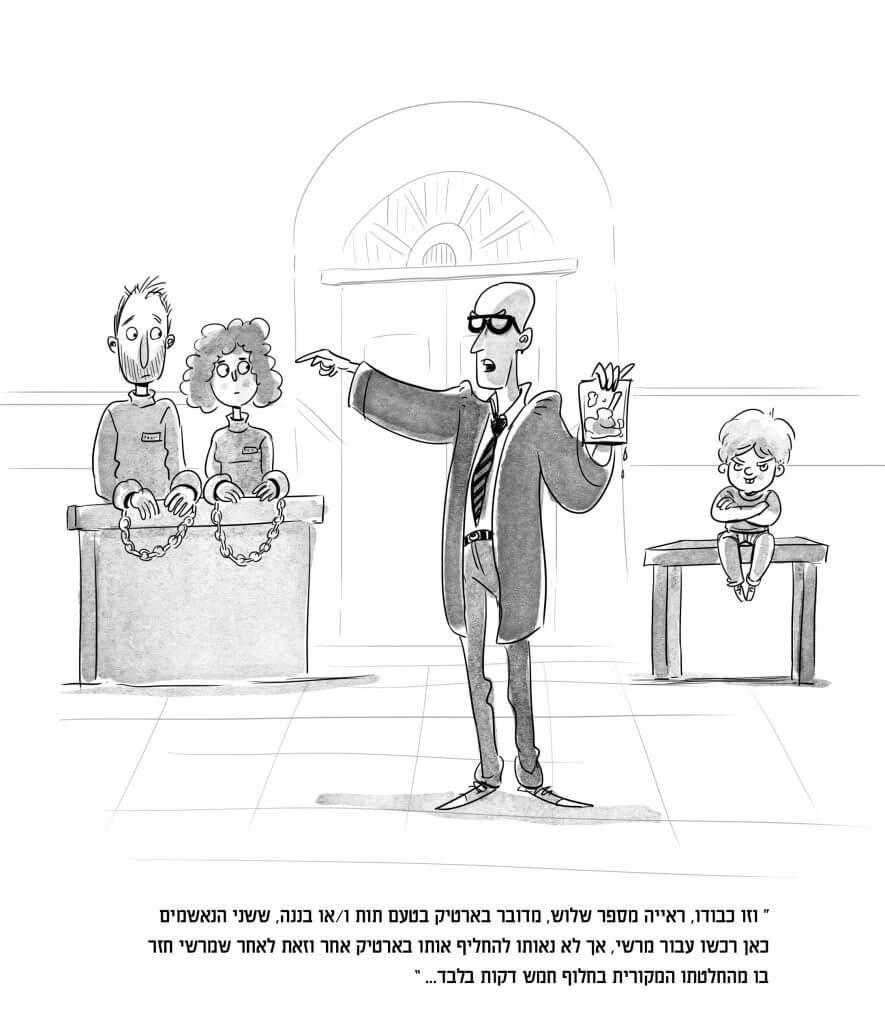
בדין הוא דאביהם נמי אינו חייב להחזיר והא דקתני בדידהו משום דקא בעי למתני סיפא הניח להם אביהם פרה וטלית וכל דבר המסויים חייבין להחזיר מפני כבוד אביהם תנא רישא נמי בדידהו- הטקסט שלמדנו על הגזלנים עורר את השאלה האם כל הורה צריך לכבד?
הרב שרלו: "אין חובה לכבד הורה מתעלל"
בכל יום נחשפים באמצעי התקשורת מקרים מזעזעים של אלימות קשה מצד הורים כלפי ילדיהם. אל הרב שרלו פנתה אישה צעירה, חילונית, בת לאב מכה והיא שואלת: מה הגבול לקיום הצו הקטגורי של כיבוד הורים?- מאמר דיעה בנושא
השאלה- מה הגבול של כיבוד הורים?
השאלה מתייחסת גם להורה- האם כל הורה יש לכבד על כך שנתן חיים לילדו או שהורה לא ראוי ומתעלל אינו זכאי לכבוד הזה?
שאלה נוספת- האם הורה שמבקש מילידיו לבטל תורה יש להשמע לו? האם ציתנות הינה מתבקשת על מנת לכבד?
דעתי-
(א) בֶּן זוֹמָא אוֹמֵר, אֵיזֶהוּ חָכָם, הַלּוֹמֵד מִכָּל אָדָם, שֶׁנֶּאֱמַר (תהלים קיט) מִכָּל מְלַמְּדַי הִשְׂכַּלְתִּי כִּי עֵדְוֹתֶיךָ שִׂיחָה לִּי. אֵיזֶהוּ גִבּוֹר, הַכּוֹבֵשׁ אֶת יִצְרוֹ, שֶׁנֶּאֱמַר (משלי טז) טוֹב אֶרֶךְ אַפַּיִם מִגִּבּוֹר וּמשֵׁל בְּרוּחוֹ מִלֹּכֵד עִיר. אֵיזֶהוּ עָשִׁיר, הַשָּׂמֵחַ בְּחֶלְקוֹ, שֶׁנֶּאֱמַר (תהלים קכח) יְגִיעַ כַּפֶּיךָ כִּי תֹאכֵל אַשְׁרֶיךָ וְטוֹב לָךְ. אַשְׁרֶיךָ, בָּעוֹלָם הַזֶּה. וְטוֹב לָךְ, לָעוֹלָם הַבָּא. אֵיזֶהוּ מְכֻבָּד, הַמְכַבֵּד אֶת הַבְּרִיּוֹת, שֶׁנֶּאֱמַר (שמואל א ב) כִּי מְכַבְּדַי אֲכַבֵּד וּבֹזַי יֵקָלּוּ: -
האם כבוד הוא דבר יזום שניתן להניח שאדם שעושה מעשה מכבד או שמא כבוד הוא רגש פנימי שאדם זוכה לו או לא זוכה לו במעשיו?
דעתי?
(1) Ben Zoma said: Who is wise? He who learns from every man, as it is said: “From all who taught me have I gained understanding” (Psalms 119:99). Who is mighty? He who subdues his [evil] inclination, as it is said: “He that is slow to anger is better than the mighty; and he that rules his spirit than he that takes a city” (Proverbs 16:32). Who is rich? He who rejoices in his lot, as it is said: “You shall enjoy the fruit of your labors, you shall be happy and you shall prosper” (Psalms 128:2) “You shall be happy” in this world, “and you shall prosper” in the world to come. Who is he that is honored? He who honors his fellow human beings as it is said: “For I honor those that honor Me, but those who spurn Me shall be dishonored” (I Samuel 2:30).