


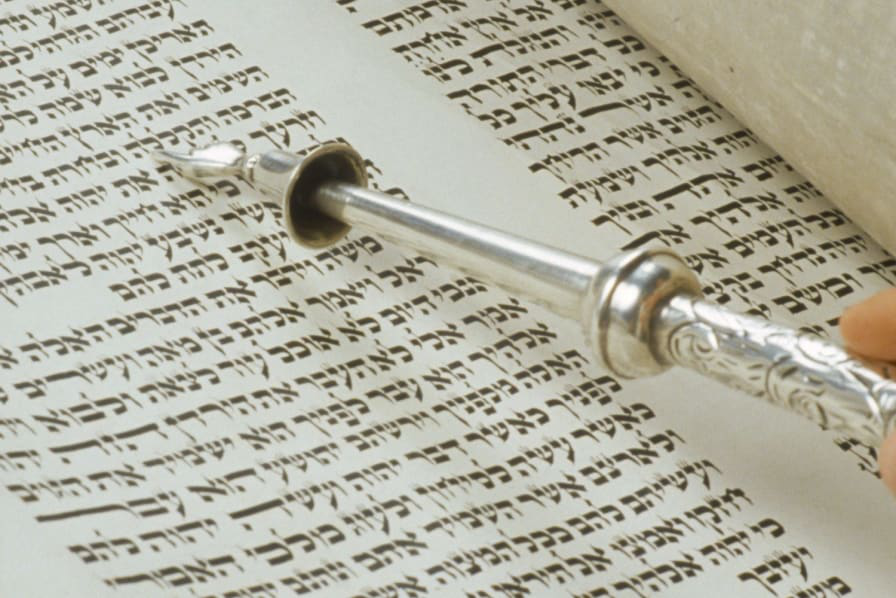
(יב) וַיֹּ֥אמֶר יְהֹוָ֖ה אֶל־מֹשֶׁ֥ה לֵּאמֹֽר׃ (יג) וְאַתָּ֞ה דַּבֵּ֨ר אֶל־בְּנֵ֤י יִשְׂרָאֵל֙ לֵאמֹ֔ר אַ֥ךְ אֶת־שַׁבְּתֹתַ֖י תִּשְׁמֹ֑רוּ כִּי֩ א֨וֹת הִ֜וא בֵּינִ֤י וּבֵֽינֵיכֶם֙ לְדֹרֹ֣תֵיכֶ֔ם לָדַ֕עַת כִּ֛י אֲנִ֥י יְהֹוָ֖ה מְקַדִּשְׁכֶֽם׃ (יד) וּשְׁמַרְתֶּם֙ אֶת־הַשַּׁבָּ֔ת כִּ֛י קֹ֥דֶשׁ הִ֖וא לָכֶ֑ם מְחַֽלְלֶ֙יהָ֙ מ֣וֹת יוּמָ֔ת כִּ֗י כׇּל־הָעֹשֶׂ֥ה בָהּ֙ מְלָאכָ֔ה וְנִכְרְתָ֛ה הַנֶּ֥פֶשׁ הַהִ֖וא מִקֶּ֥רֶב עַמֶּֽיהָ׃ (טו) שֵׁ֣שֶׁת יָמִים֮ יֵעָשֶׂ֣ה מְלָאכָה֒ וּבַיּ֣וֹם הַשְּׁבִיעִ֗י שַׁבַּ֧ת שַׁבָּת֛וֹן קֹ֖דֶשׁ לַיהֹוָ֑ה כׇּל־הָעֹשֶׂ֧ה מְלָאכָ֛ה בְּי֥וֹם הַשַּׁבָּ֖ת מ֥וֹת יוּמָֽת׃ (טז) וְשָׁמְר֥וּ בְנֵֽי־יִשְׂרָאֵ֖ל אֶת־הַשַּׁבָּ֑ת לַעֲשׂ֧וֹת אֶת־הַשַּׁבָּ֛ת לְדֹרֹתָ֖ם בְּרִ֥ית עוֹלָֽם׃ (יז) בֵּינִ֗י וּבֵין֙ בְּנֵ֣י יִשְׂרָאֵ֔ל א֥וֹת הִ֖וא לְעֹלָ֑ם כִּי־שֵׁ֣שֶׁת יָמִ֗ים עָשָׂ֤ה יְהֹוָה֙ אֶת־הַשָּׁמַ֣יִם וְאֶת־הָאָ֔רֶץ וּבַיּוֹם֙ הַשְּׁבִיעִ֔י שָׁבַ֖ת וַיִּנָּפַֽשׁ׃ {ס}
(12) And יהוה said to Moses: (13) Speak to the Israelite people and say: Nevertheless, you must keep My sabbaths, for this is a sign between Me and you throughout the ages, that you may know that I יהוה have consecrated you. (14) You shall keep the sabbath, for it is holy for you. One who profanes it shall be put to death: whoever does work on it, that person shall be cut off from among kin. (15) Six days may work be done, but on the seventh day there shall be a sabbath of complete rest, holy to יהוה; whoever does work on the sabbath day shall be put to death. (16) The Israelite people shall keep the sabbath, observing the sabbath throughout the ages as a covenant for all time: (17) it shall be a sign for all time between Me and the people of Israel. For in six days יהוה made heaven and earth, and on the seventh day [God] ceased from work and was refreshed.
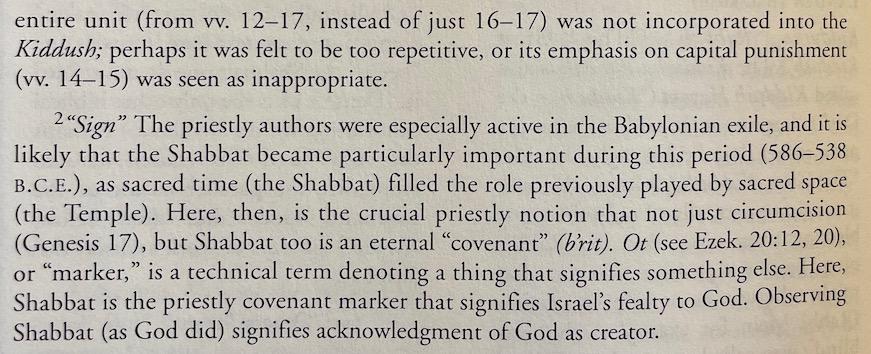
-How is Shabbat a covenant? How is it a sign?
-What does it mean for God to be refreshed?
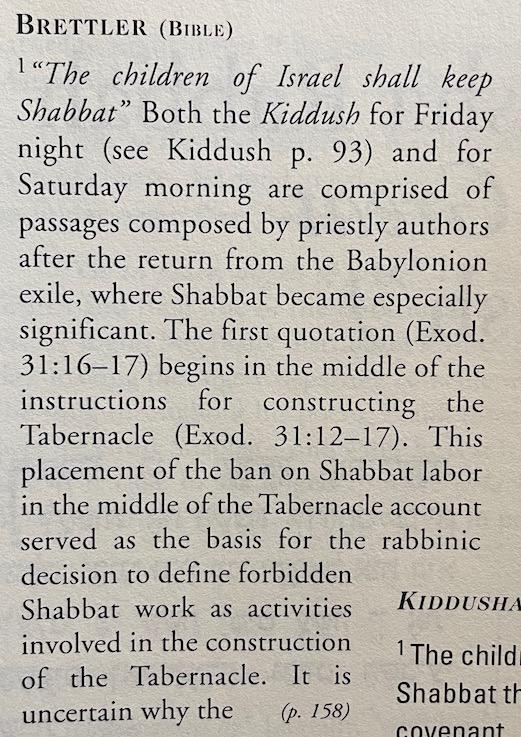
-Why doesn't Shabbat kiddush include verses 12-15?
During the day what blessing does one recite? Rav Yehuda said: Who creates the fruit of the vine.
Rav Ashi came to Mechoza. They said to him: Will the Master recite for us the great kiddush? They brought him a cup of wine. He thought: What is this great kiddush? He said to himself: Since all the blessings with wine one first recites: Who creates the fruit of the vine, he first recited: Who creates the fruit of the vine, and lengthened it. He saw a particular elder bending over his cup and drinking. He connected himself to the verse: “The wise person has eyes in their head” (Ecclesiastes 2:14).
The Great Kiddush - 'borei p'ri hagafen' and it's called the great kiddush because for every kiddush you say it.
...It is a mitzvah to recite a blessing over wine on the Sabbath day before partaking of the second [Sabbath] meal. This is called "the great kiddush." One recites only the blessing borey pri hagefen, partakes of the wine, washes one's hands, and begins the meal.
[On the Sabbath day as well,] a person is forbidden to taste any food before he recites kiddush. This kiddush may also be recited only in the place where one eats one's meal.
יהיה שלחנו ערוך ומטה מוצעת יפה ומפה פרוסה כמו בסעודת הלילה ויברך על היין בורא פרי הגפן והוא נקרא קידושא רבה ואח"כ יטול ידיו (וע"ל סי' רע"א סעיף י"ב בהג"ה) ויבצע על לחם משנה כמו בלילה ויסעוד וגם זה הקידוש צריך שיהיה במקום סעודה ושלא יטעום קודם לו כלום כמו בקידוש הלילה ומיהו לשתות מים בבקר קודם תפלה מותר מפני שעדיין לא חל עליו חובת קידוש: הגה וע"ל כל דיני קידוש סי' רע"א רע"ב רע"ג:
1. The Sequence of the Shabbos Morning Meal, 2 Seifim: The table should be set and a cloth spread over the bread, the couch on which one eats should be spread in an attractive manner, as was done for the night meal. And one should bless over the wine בורא פרי הגפן and this is called Kedusha Rabbah. Afterwards, one washes hands (and see Siman 271 Seif 12 in the Rama) and breaks the double bread like at night, and then feasts. This kiddush must also be in the location of the meal and one may not taste or eat at all prior to it like with the night time kiddush. And if one drinks water in the morning before the prayers it is permitted, because the obligations of kiddush have not yet fallen upon him. RAMA: And see above all the laws of kiddush, Siman 271, 272, 273.
(ב) ויברך וכו' - יש נוהגין לפתוח מתחלה פסוק ושמרו בני ישראל וגו' או זכור את יום השבת עד ויקדשהו ויש מההמון שפותחין מעל כן ברך וגו' ושלא כדין הוא דכל פסוקא דלא פסקיה משה אנן לא פסקינן:
(ג) קידושא רבא - ונקרא בלשון זה שהוא כמו שקורין סגי נהור מפני שזה הקידוש אינו כלל דאורייתא רק שתקנוהו לכבוד שבת ואסמכוהו אקרא כדאיתא בגמרא:
And bless... There are those who have the custom to open first with the verse "The Israelites shall keep etc." or "Remember the Sabbath day etc." until "and made it holy". And there are many who open with "therefore God blessed etc.", but this is not according to the law because you cannot break up a verse where Moses did not break it up.
The great Kiddush - and it's called this in euphemistic language, because it's the kiddush that is not at all from the Torah, but rather was instituted by the Sages for the honour of Shabbat. They relied on scripture as related in the Talmud.
There is no need to be overly concerned with mitzvot (commandments) in order to know the value of Shabbat. Whoever feels in their heart a true connection with the life of the [Jewish] Nation in all generations, cannot in any way imagine a reality for the people of Israel without Shabbat. One could say, without any exaggeration, that more than Israel has kept Shabbat, Shabbat has kept Israel, and if it hadn't returned to them their souls and renewed the lives of their spirit each week, all the sufferings of the "days of creation" would drag us farther and farther downward, until they would eventually descend to the bottom floor of materialism, and ethical and intellectual baseness.
My favorite interpretation of observing the mitzvah of Shabbat as commanded in the V’Shamru is given by Jacobson, quoting the Mechilta’s Rabbi Eliezer ben Perata:
“The commandment ordaining the Sabbath differs from all other mitzvot, in that all the others are clearly distinguishable, for instance: tzitzit, tefillin, shofar, sukkah, lulav. Even when their respective mitzvot are not being performed, their nature is clearly evident, since nothing comparable to them exists among other peoples. (You can see the object and do the mitzvah…easy.)
Not so the mitzvah of Shabbat. Unless one actually observes it, there is nothing to show that the day is Shabbat, since in its nature this day is no different from any other. Hence its existence is ONLY distinguishable insofar as it is observed and preserved. That is why to observe Shabbat is equivalent to “making’ it, and whoever observes the Sabbath is regarded as having made it.”
I suppose that is why the Jerusalem Talmud (Berachot 1.5) teaches, “Shabbat is equivalent in importance to all the rest of the Torah.”
The Sabbath observer reciting the V’Shamru, according to both of these sources is not only keeping the whole Torah by doing so, but actually creating/making Shabbat as God made Shabbat.
V’Shamru gets recited BECAUSE it reminds us that we become divine when we SHAMOR/Protect, guard, keep, observe and preserve the Sabbath as a covenant for all time. The Sabbath is what enables us to come closest to God and the World to Come.
I find all of this empowering and amazing. Something happens to your soul, your NEFESH when Shabbat is a real activity and you make time for a Mo’ed, a set time by God, in your life. Like God, your soul=your NEFESH is refreshed=VAYINAFASH.
In V’shamru, we are the guardians of the Sabbath. What can this mean? How do we guard a day of rest? To guard something is to protect it, usually an item or a place from someone or something. But how do we guard Shabbat, a day of the week?
We do so by guarding its existence. Without Jews observing the Sabbath, the Sabbath would cease to exist. It would be just another day.
This is why some prayer books translate shamor not as guard, but as “observe.” Some biblical translations also use this translation when translating the fifth of the Ten Commandments as written in the fifth chapter of Deuteronomy. The use of the word shamor — instead of zachor (“remember”), the word used when the commandments are revealed in the book of Exodus — is one of the tiny differences between the two versions. We remember and we observe. In fact, we might say we remember by observing.
We do more than remember, however, when we observe the Sabbath. We also sustain a sacred relationship. As the prayer itself notes, the Sabbath is a covenant between God and Israel forever. The Sabbath is a weekly act of love and communion, a meeting point between God and Israel.