
Ephemeral and Eternal, Light and Heavy What Endures? Parshat Haazinu October 8th, 2022/13th of Tishrei, 5783
We had a land and a book. Our land is in the book.
He said:
You will lose your hands.
I said:
What use are my hands now?
He said:
You will lose your lips.
I said:
What use are my lips now?
He said:
Your eyes will be dry lakes.
I said:
I know the book by heart.
Edmund Jabes
These words are written by Egyptian Jewish poet Edmond Jabés. Involuntarily relocated to France in 1956, after the Suez crisis between Israel and Egypt, Jabés knew firsthand what the book of Devarim seeks to establish – that a book can become a site of exile, longing, and identity. That poetry offers pathways into our humanity, and that the written word can be a place of home.
Excerpted from Rabbi Monica Gomery, Stop Making Sense
https://hebrewcollege.edu/blog/stop-making-sense/
Moshe's Background: The Fragility of Speech
(י) וַיֹּ֨אמֶר מֹשֶׁ֣ה אֶל־יְהוָה֮ בִּ֣י אֲדֹנָי֒ לֹא֩ אִ֨ישׁ דְּבָרִ֜ים אָנֹ֗כִי גַּ֤ם מִתְּמוֹל֙ גַּ֣ם מִשִּׁלְשֹׁ֔ם גַּ֛ם מֵאָ֥ז דַּבֶּרְךָ אֶל־עַבְדֶּ֑ךָ כִּ֧י כְבַד־פֶּ֛ה וּכְבַ֥ד לָשׁ֖וֹן אָנֹֽכִי׃ (יא) וַיֹּ֨אמֶר יְהוָ֜ה אֵלָ֗יו מִ֣י שָׂ֣ם פֶּה֮ לָֽאָדָם֒ א֚וֹ מִֽי־יָשׂ֣וּם אִלֵּ֔ם א֣וֹ חֵרֵ֔שׁ א֥וֹ פִקֵּ֖חַ א֣וֹ עִוֵּ֑ר הֲלֹ֥א אָנֹכִ֖י יְהוָֽה׃ (יב) וְעַתָּ֖ה לֵ֑ךְ וְאָנֹכִי֙ אֶֽהְיֶ֣ה עִם־פִּ֔יךָ וְהוֹרֵיתִ֖יךָ אֲשֶׁ֥ר תְּדַבֵּֽר׃
(10) But Moses said to the LORD, “Please, O Lord, I have never been a man of words, either in times past or now that You have spoken to Your servant; I am slow of speech and slow of tongue.” (11) And the LORD said to him, “Who gives man speech? Who makes him dumb or deaf, seeing or blind? Is it not I, the LORD? (12) Now go, and I will be with you as you speak and will instruct you what to say.”
Vayelekh: The Antidote to Cyclical Calamity

(יט) וְעַתָּ֗ה כִּתְב֤וּ לָכֶם֙ אֶת־הַשִּׁירָ֣ה הַזֹּ֔את וְלַמְּדָ֥הּ אֶת־בְּנֵי־יִשְׂרָאֵ֖ל שִׂימָ֣הּ בְּפִיהֶ֑ם לְמַ֨עַן תִּהְיֶה־לִּ֜י הַשִּׁירָ֥ה הַזֹּ֛את לְעֵ֖ד בִּבְנֵ֥י יִשְׂרָאֵֽל׃

(19) Therefore, write down this song and teach it to the people of Israel; put it in their mouths, in order that this poem may be My witness against the people of Israel.
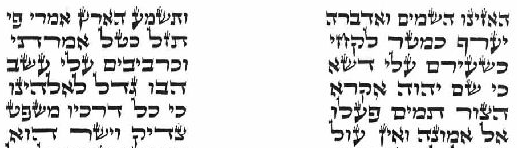
Haazinu: The Song that is Antidote
(א) הַאֲזִ֥ינוּ הַשָּׁמַ֖יִם וַאֲדַבֵּ֑רָה וְתִשְׁמַ֥ע הָאָ֖רֶץ אִמְרֵי־פִֽי׃ (ב) יַעֲרֹ֤ף כַּמָּטָר֙ לִקְחִ֔י תִּזַּ֥ל כַּטַּ֖ל אִמְרָתִ֑י כִּשְׂעִירִ֣ם עֲלֵי־דֶ֔שֶׁא וְכִרְבִיבִ֖ים עֲלֵי־עֵֽשֶׂב׃ (ג) כִּ֛י שֵׁ֥ם יְהוָ֖ה אֶקְרָ֑א הָב֥וּ גֹ֖דֶל לֵאלֹהֵֽינוּ׃ (ד) הַצּוּר֙ תָּמִ֣ים פָּעֳל֔וֹ כִּ֥י כָל־דְּרָכָ֖יו מִשְׁפָּ֑ט אֵ֤ל אֱמוּנָה֙ וְאֵ֣ין עָ֔וֶל צַדִּ֥יק וְיָשָׁ֖ר הֽוּא׃ (ה) שִׁחֵ֥ת ל֛וֹ לֹ֖א בָּנָ֣יו מוּמָ֑ם דּ֥וֹר עִקֵּ֖שׁ וּפְתַלְתֹּֽל׃ (ו) הֲ־לַיְהוָה֙ תִּגְמְלוּ־זֹ֔את עַ֥ם נָבָ֖ל וְלֹ֣א חָכָ֑ם הֲלוֹא־הוּא֙ אָבִ֣יךָ קָּנֶ֔ךָ ה֥וּא עָֽשְׂךָ֖ וַֽיְכֹנְנֶֽךָ׃ (ז) זְכֹר֙ יְמ֣וֹת עוֹלָ֔ם בִּ֖ינוּ שְׁנ֣וֹת דּוֹר־וָד֑וֹר שְׁאַ֤ל אָבִ֙יךָ֙ וְיַגֵּ֔דְךָ זְקֵנֶ֖יךָ וְיֹ֥אמְרוּ לָֽךְ׃
(1) Give ear, O heavens, let me speak;
Let the earth hear the words of my mouth! (2) May my discourse come down as the rain,
My speech distill as the dew,
Like showers on young growth,
Like droplets on the grass.
(3) For the name of the LORD I proclaim; Give glory to our God!
(4) The Rock!—His deeds are perfect,
Yea, all His ways are just;
A faithful God, never false,
True and upright is He.
(5) Children unworthy of Him—
That crooked, perverse generation—
Their baseness has played Him false. (6) Do you thus requite the LORD,
O dull and witless people?
Is not He the Father who created you, Fashioned you and made you endure!
(7) Remember the days of old, Consider the years of ages past;
Ask your father, he will inform you,
Your elders, they will tell you:
(א) האזינו השמים. שֶׁאֲנִי מַתְרֶה בָהֶם בְּיִשְׂרָאֵל וְתִהְיוּ עֵדִים בַּדָּבָר, שֶׁכָּךְ אָמַרְתִּי לָהֶם שֶׁאַתֶּם תִּהְיוּ עֵדִים, וְכֵן ותשמע הארץ. וְלָמָּה הֵעִיד בָּהֶם שָׁמַיִם וָאָרֶץ? אָמַר מֹשֶׁה: אֲנִי בָּשָׂר וָדָם, לְמָחָר אֲנִי מֵת, אִם יֹאמְרוּ יִשְׂרָאֵל לֹא קִבַּלְנוּ עָלֵינוּ הַבְּרִית, מִי בָא וּמַכְחִישָׁם? לְפִיכָךְ הֵעִיד בָּהֶם שָׁמַיִם וָאָרֶץ — עֵדִים שֶׁהֵן קַיָּמִים לְעוֹלָם. וְעוֹד, שֶׁאִם יִזְכּוּ יָבֹאוּ הָעֵדִים וְיִתְּנוּ שְׂכָרָם, הַגֶּפֶן תִּתֵּן פִּרְיָהּ וְהָאָרֶץ תִּתֵּן יְבוּלָהּ וְהַשָּׁמַיִם יִתְּנוּ טַלָּם, וְאִם יִתְחַיְּבוּ תִּהְיֶה בָהֶם יַד הָעֵדִים תְּחִלָּה — "וְעָצַר אֶת הַשָּׁמַיִם וְלֹא יִהְיֶה מָטָר וְהָאֲדָמָה לֹא תִתֵּן אֶת יְבוּלָהּ" (דברים י"ז), וְאַחַר כָּךְ "וַאֲבַדְתֶּם מְהֵרָה" (שם י"א) עַל יְדֵי הָאֻמּוֹת:
(1) האזינו השמים HEAR YE HEAVENS that I warn Israel, and be ye witnesses to this matter; for so I have told them that ye will be witnesses (cf. Rashi on Deuteronomy 31:28). Similar is the meaning of ותשמע הארץ (i.e. the verb has the force of an imperative: AND LET THE EARTH HEAR). And why did He call heaven and earth as witnesses against them? Moses thought: “I am a being of flesh and blood (mortal); tomorrow I shall be dead. If the Israelites will once say, ‘We have never accepted the covenant’, who can come and refute them?” Therefore he called heaven and earth as witnesses against them — witnesses that endure forever (Sifrei Devarim 306:15). And a further reason was that if they should act worthily, the witnesses might come and give them their reward: the vine might yield its fruit, the ground give its increase, the heaven bestow its dew; while if they should act sinfully, the hand of the witnesses might first be against them (Rashi uses a phrase similar to that used of human witnesses; cf. e.g. Deuteronomy 13:10): “and He will restrain the heaven, that there be no rain, and the earth will not give its increase; and you shall perish quickly” (Deuteronomy 11:17) — through the attacks of other nations (Tanchuma 5:10:1).
Differentiation and Selection
(ח) בְּהַנְחֵ֤ל עֶלְיוֹן֙ גּוֹיִ֔ם בְּהַפְרִיד֖וֹ בְּנֵ֣י אָדָ֑ם יַצֵּב֙ גְּבֻלֹ֣ת עַמִּ֔ים לְמִסְפַּ֖ר בְּנֵ֥י יִשְׂרָאֵֽל׃ (ט) כִּ֛י חֵ֥לֶק יְהֹוָ֖ה עַמּ֑וֹ יַעֲקֹ֖ב חֶ֥בֶל נַחֲלָתֽוֹ׃
(8) When the Most High gave nations their homes
And set the divisions of humanity,
[God] fixed the boundaries of peoples
In relation to Israel’s numbers.
(9) For יהוה’s portion is this people;
Jacob, God’s own allotment.
Parenting

(י) יִמְצָאֵ֙הוּ֙ בְּאֶ֣רֶץ מִדְבָּ֔ר וּבְתֹ֖הוּ יְלֵ֣ל יְשִׁמֹ֑ן יְסֹבְבֶ֙נְהוּ֙ יְב֣וֹנְנֵ֔הוּ יִצְּרֶ֖נְהוּ כְּאִישׁ֥וֹן עֵינֽוֹ׃ (יא) כְּנֶ֙שֶׁר֙ יָעִ֣יר קִנּ֔וֹ עַל־גּוֹזָלָ֖יו יְרַחֵ֑ף יִפְרֹ֤שׂ כְּנָפָיו֙ יִקָּחֵ֔הוּ יִשָּׂאֵ֖הוּ עַל־אֶבְרָתֽוֹ׃ (יב) יְהֹוָ֖ה בָּדָ֣ד יַנְחֶ֑נּוּ וְאֵ֥ין עִמּ֖וֹ אֵ֥ל נֵכָֽר׃ (יג) יַרְכִּבֵ֙הוּ֙ עַל־[בָּ֣מֳתֵי] (במותי) אָ֔רֶץ וַיֹּאכַ֖ל תְּנוּבֹ֣ת שָׂדָ֑י וַיֵּנִקֵ֤הֽוּ דְבַשׁ֙ מִסֶּ֔לַע וְשֶׁ֖מֶן מֵחַלְמִ֥ישׁ צֽוּר׃

(10) [God] found them in a desert region,
In an empty howling waste.
[God] engirded them, watched over them,
Guarded them as the pupil of God’s eye.
(11) Like an eagle who rouses its nestlings,
Gliding down to its young,
So did [God] spread wings and take them,
Bear them along on pinions;
(12) יהוה alone did guide them,
No alien god alongside.
(13) [God] set them atop the highlands,
To feast on the yield of the earth;
Nursing them with honey from the crag,
And oil from the flinty rock,
Echoes of Creation

(א) בְּרֵאשִׁ֖ית בָּרָ֣א אֱלֹהִ֑ים אֵ֥ת הַשָּׁמַ֖יִם וְאֵ֥ת הָאָֽרֶץ׃ (ב) וְהָאָ֗רֶץ הָיְתָ֥ה תֹ֙הוּ֙ וָבֹ֔הוּ וְחֹ֖שֶׁךְ עַל־פְּנֵ֣י תְה֑וֹם וְר֣וּחַ אֱלֹהִ֔ים מְרַחֶ֖פֶת עַל־פְּנֵ֥י הַמָּֽיִם׃

(1) When God began to create heaven and earth— (2) the earth being unformed and void, with darkness over the surface of the deep and a wind from God sweeping over the water—
Rabbi Lawrence Kushner: Our teacher, R. Solomon Ulman, is intrigued by the kind of words that Moses describes in referring to his own speech. What is actually meant by such a description?
The poetry works. Words, like rain, can be soft like morning dew that gently offers itself the earth's vegetation, tending to its growth. Or words can be like torrential rains that destroy and uproot.
Just as plants need different rains to nurture their growth, people need different words as well. There are times when gentle speech is required and there are times when harsh words of rebuke are needed. Know well the kind of words needed and speak them well, warns our teacher. All words, when properly delivered, are of the living God.
(מד) וַיָּבֹ֣א מֹשֶׁ֗ה וַיְדַבֵּ֛ר אֶת־כָּל־דִּבְרֵ֥י הַשִּׁירָֽה־הַזֹּ֖את בְּאָזְנֵ֣י הָעָ֑ם ה֖וּא וְהוֹשֵׁ֥עַ בִּן־נֽוּן׃ (מה) וַיְכַ֣ל מֹשֶׁ֗ה לְדַבֵּ֛ר אֶת־כָּל־הַדְּבָרִ֥ים הָאֵ֖לֶּה אֶל־כָּל־יִשְׂרָאֵֽל׃ (מו) וַיֹּ֤אמֶר אֲלֵהֶם֙ שִׂ֣ימוּ לְבַבְכֶ֔ם לְכָל־הַדְּבָרִ֔ים אֲשֶׁ֧ר אָנֹכִ֛י מֵעִ֥יד בָּכֶ֖ם הַיּ֑וֹם אֲשֶׁ֤ר תְּצַוֻּם֙ אֶת־בְּנֵיכֶ֔ם לִשְׁמֹ֣ר לַעֲשׂ֔וֹת אֶת־כָּל־דִּבְרֵ֖י הַתּוֹרָ֥ה הַזֹּֽאת׃ (מז) כִּ֠י לֹֽא־דָבָ֨ר רֵ֥ק הוּא֙ מִכֶּ֔ם כִּי־ה֖וּא חַיֵּיכֶ֑ם וּבַדָּבָ֣ר הַזֶּ֗ה תַּאֲרִ֤יכוּ יָמִים֙ עַל־הָ֣אֲדָמָ֔ה אֲשֶׁ֨ר אַתֶּ֜ם עֹבְרִ֧ים אֶת־הַיַּרְדֵּ֛ן שָׁ֖מָּה לְרִשְׁתָּֽהּ׃ (פ) (מח) וַיְדַבֵּ֤ר יְהוָה֙ אֶל־מֹשֶׁ֔ה בְּעֶ֛צֶם הַיּ֥וֹם הַזֶּ֖ה לֵאמֹֽר׃ (מט) עֲלֵ֡ה אֶל־הַר֩ הָעֲבָרִ֨ים הַזֶּ֜ה הַר־נְב֗וֹ אֲשֶׁר֙ בְּאֶ֣רֶץ מוֹאָ֔ב אֲשֶׁ֖ר עַל־פְּנֵ֣י יְרֵח֑וֹ וּרְאֵה֙ אֶת־אֶ֣רֶץ כְּנַ֔עַן אֲשֶׁ֨ר אֲנִ֥י נֹתֵ֛ן לִבְנֵ֥י יִשְׂרָאֵ֖ל לַאֲחֻזָּֽה׃ (נ) וּמֻ֗ת בָּהָר֙ אֲשֶׁ֤ר אַתָּה֙ עֹלֶ֣ה שָׁ֔מָּה וְהֵאָסֵ֖ף אֶל־עַמֶּ֑יךָ כַּֽאֲשֶׁר־מֵ֞ת אַהֲרֹ֤ן אָחִ֙יךָ֙ בְּהֹ֣ר הָהָ֔ר וַיֵּאָ֖סֶף אֶל־עַמָּֽיו׃ (נא) עַל֩ אֲשֶׁ֨ר מְעַלְתֶּ֜ם בִּ֗י בְּתוֹךְ֙ בְּנֵ֣י יִשְׂרָאֵ֔ל בְּמֵֽי־מְרִיבַ֥ת קָדֵ֖שׁ מִדְבַּר־צִ֑ן עַ֣ל אֲשֶׁ֤ר לֹֽא־קִדַּשְׁתֶּם֙ אוֹתִ֔י בְּת֖וֹךְ בְּנֵ֥י יִשְׂרָאֵֽל׃ (נב) כִּ֥י מִנֶּ֖גֶד תִּרְאֶ֣ה אֶת־הָאָ֑רֶץ וְשָׁ֙מָּה֙ לֹ֣א תָב֔וֹא אֶל־הָאָ֕רֶץ אֲשֶׁר־אֲנִ֥י נֹתֵ֖ן לִבְנֵ֥י יִשְׂרָאֵֽל׃ (פ)
(44) Moses came, together with Hosea son of Nun, and recited all the words of this poem in the hearing of the people. (45) And when Moses finished reciting all these words to all Israel, (46) he said to them: Take to heart all the words with which I have warned you this day. Enjoin them upon your children, that they may observe faithfully all the terms of this Teaching. (47) For this is not a trifling thing for you: it is your very life; through it you shall long endure on the land that you are to possess upon crossing the Jordan. (48) That very day the LORD spoke to Moses: (49) Ascend these heights of Abarim to Mount Nebo, which is in the land of Moab facing Jericho, and view the land of Canaan, which I am giving the Israelites as their holding. (50) You shall die on the mountain that you are about to ascend, and shall be gathered to your kin, as your brother Aaron died on Mount Hor and was gathered to his kin; (51) for you both broke faith with Me among the Israelite people, at the waters of Meribath-kadesh in the wilderness of Zin, by failing to uphold My sanctity among the Israelite people. (52) You may view the land from a distance, but you shall not enter it—the land that I am giving to the Israelite people.
(א) כאשר מת אהרן אחיך. בְּאוֹתָהּ מִיתָה שֶׁרָאִיתָ וְחָמַדְתָּ אוֹתָהּ, שֶׁהִפְשִׁיט מֹשֶׁה אֶת אַהֲרֹן בֶּגֶד רִאשׁוֹן וְהִלְבִּישׁוֹ לְאֶלְעָזָר וְכֵן שֵׁנִי וְכֵן שְׁלִישִׁי וְרָאָה בְּנוֹ בִּכְבוֹדוֹ, אָמַר לוֹ מֹשֶׁה, אַהֲרֹן אָחִי עֲלֵה לַמִּטָּה וְעָלָה, פְּשֹׁט יָדְךָ וּפָשַׁט, פְּשֹׁט רַגְלְךָ וּפָשַׁט, עֲצֹם עֵינֶיךָ וְעָצַם, קְמֹץ פִּיךָ וְקָמַץ, וְהָלַךְ לוֹ. אָמַר מֹשֶׁה — אַשְׁרֵי מִי שֶׁמֵּת בְּמִיתָה זוֹ (ספרי):
(1) כאשר מת אהרן אחיך [AND DIE] … AS AARON THY BROTHER DIED — i.e., and die by that death which you witnessed and for which you longed. For Moses stripped Aaron (before the latter’s death) of his first (i.e., the upper) garment, similarly the second, and similarly the third, and attired Elazar with them, and thus he (Aaron) beheld his son in his new dignity. Moses then said to him, “Aaron, my brother, ascend the bier”, and he ascended; — “Stretch out your hand”, and he stretched it out; — “Stretch out your leg”, and he stretched it out; “Close your eyes”, and he closed them; — “Close your mouth”, and he closed it, and thus did he pass away! Thereupon Moses said, “Happy is he who will die a death like this!” (Sifrei Devarim 339:3; cf. Rashi on Numbers 20:26).
(א) על אשר מעלתם בי. גְּרַמְתֶּם לִמְעֹל בִּי: (ב) על אשר לא קדשתם אותי. גְּרַמְתֶּם לִי שֶׁלֹּא אֶתְקַדֵּשׁ, אָמַרְתִּי לָכֶם "וְדִבַּרְתֶּם אֶל הַסֶּלַע" (במדבר כ') וְהֵם הִכּוּהוּ וְהֻצְרְכוּ לְהַכּוֹתוֹ פַעֲמַיִם, וְאִלּוּ דִּבְּרוּ עִמּוֹ וְנָתַן מֵימָיו בְּלֹא הַכָּאָה, הָיָה מִתְקַדֵּשׁ שֵׁם שָׁמַיִם, שֶׁהָיוּ יִשְׂרָאֵל אוֹמְרִים וּמַה הַסֶּלַע שֶׁאֵינוֹ לְשָׂכָר וְלֹא לְפֻרְעָנוּת, אִם זָכָה אֵין לוֹ מַתַּן שָׂכָר וְאִם חָטָא אֵינוֹ לוֹקֶה, כָּךְ מְקַיֵּם מִצְוַת בּוֹרְאוֹ, אָנוּ לֹא כָּל שֶׁכֵּן:
(1) על אשר מעלתם בי BECAUSE YE TRESPASSED AGAINST ME — i.e., because you made the people to trespass against Me. (2) על אשר לא קדשתם אותי BECAUSE YE SANCTIFIED ME NOT — i.e. because you brought it about that I was not sanctified; I said to you, ‘Speak to the rock!” They, however, smote it and had therefore to smite it twice. Had they, however, spoken to it, and it had given forth its water without being smitten, the Name of the Heaven would have been sanctified; for the Israelites would have said, “How is it with the rock which is subject neither to reward nor to punishment, for when it acts meritoriously it receives no reward and when it sins it is not punished? It fulfils so obediently the command of its Creator! — how much the more should we do so!”
“The heaviest of burdens crushes us, we sink beneath it, it pins us to the ground. .........The heaviest of burdens is therefore simultaneously an image of life's most intense fulfillment. The heavier the burden, the closer our lives come to the earth, the more real and truthful they become. Conversely, the absolute absence of burden causes man to be lighter than air, to soar into heights, take leave of the earth and his earthly being, and become only half real, his movements as free as they are insignificant. What then shall we choose? Weight or lightness?”
― Milan Kundera, The Unbearable Lightness of Being
But the greatest desire of all
Is to be in the dream of another
To feel a light pull, like reins tugging. To feel
a heavy pull, like chains.
Yehudah Amichai, from The Fist Too Was Once an Open Hand and Fingers, 1989

אלים מתחלפים, התפילות נשארות לעד

1 רָאִיתִי בָּרְחוֹב, בְעֶרֶב קַיִץ,

רָאִיתִי אִֹשָה ֹשֶכָּתְבָה מִלִים

עַל נְָיר פָרוּשֹ עַל דֶלֶת עֵץ נְעוּלָה,

וְקִפְּלָה וְשָֹמָה בֵּין דֶּלֶת לַמְּזוּזָה וְהָלְכָה לָהּ.

וְלֹא רָאִיתִי אֶת פָּנֶיהָ וְלֹא אֶת פְּנֵי הָאִיֹש

ֹשֶיִּקְרָא אֶת הַכָּתוּב

וְלֹא רָאִיתִי אֶת הַמִלִים.

עַל ֹשֻלְחָנִי מֻנַחַת אֶבֶן ֹשֶכּתוּב עָלֶיָ "אָמֵן",

ֹשֶבֶר מַצֵּבָה, ֹשְאֵרִית מִבֵּית קְבָרוֹת יְהוּדִי

ֹשֶנֶּחֱרַב לִפְנֵי כְּאֶלֶף ֹשָנִים, בָּעִיר ֹשֶבָּהּ נוֹלַדְתִי.

מִלָּה אַחַת "אָמֵן" חֲרוּתָה עָמֹק בָּאֶבֶן

אֵָמֵן קָֹשֶה וְסוֹפִי עַל כָּל ֹשֶהָיָה וְלֹא יָֹשוּב,

אָמֵן רַךְ וּמְזַמֵר כְּמוֹ בִּתְפִילָה,

אָמֵן וְאָמֵן, וְכֵן יְהִי רָצון.

מַצֵּבוֹת נֹשְבָּרוֹת, מִלִים חוֹלְפוֹת, מִלִים נִֹשכָּחוֹתּ,

שְֹפָתַיִם ֹשֶאָמְרוּ אוֹתן הָפְכוּ עָפָר,

שָֹפוֹת מֵתוֹת כִּבְנֵי אָדָם,

שָֹפוֹת אֲחֵרוֹת קָמוֹת לִתְחִיָה,

אֵלִים בַֹשָמִַיִם מִֹשְתַּנִים, אֵלִים מִתְחַלְּפִים,

הַתְּפִילוֹת נִֹשְאָרוֹת לָעַד

I

In the street on a summer evening, I saw a woman writing

on a piece of paper spread out against a locked wooden door.

She folded it, tucked it between door and doorpost, and went on her way.

And I didn’t see her face, nor the face of the man

who would read what she had written

and I didn’t see the words.

On my desk lies a stone with the word “Amen” on it,

a fragment of a tombstone, a remnant from a Jewish graveyard

destroyed a thousand years ago in the town where I was born.

One word, “Amen,” carved deep into the stone,

a final hard amen for all that was and never will return,

a soft singing amen, as in prayer:

Amen and amen, may it come to pass.

Tombstones crumble, they say, words tumble, words fade away,

the tongues that spoke them turn to dust,

languages die as people do,

some languages rise again,

gods changes up in heaven, gods get replaced

prayers are here to stay.