


,אַשְׁרֵי יוֹשְׁבֵי בֵיתֶךָ
עוֹד יְהַלְלוּךָ סֶּלָה
Explanation I
How fortunate are those who dwell in Your house, may they continuously praise You, Selah! (this refers to those who dwell in the houses of prayer and study instead of working, thereby demonstrating faith in Hashem)
,אַשְׁרֵי הָעָם שֶׁכָּכָה לּוֹ
אַשְׁרֵי הָעָם שֶׁיהוה אֱלֹהָיו
(And because of their faith, it is correct to say another passuk ascribing how "fortunate" they are) Fortunate is the people for whom it is so, fortunate is the people for whom Hashem is their God
And because of his open demonstration of faith in Hashem, it is certainly correct to further say another passuk which ascribes praiseworthiness to him.
The root word of Bitachon is "batuach", "certain", which points to this understanding that bitachon is the feeling of absolute certainty that the Almighty Hashem is always looking out for him.
(Chazon Ish says this idea in Halacha as well...)
Only when a person lives with this heightened level of bitachon can he have the peace of mind to leave work to go and daven, as he is certain that he won't lose out by doing His will.
In other words, the only way daven with serenity and kavanna is if you have real "bitachon" in the True Sustainer of the world, as someone without bitachon worries every minute he's not working.
This can be applied to the two opening pesukim in Ashrei as well.
The degree of bitachon that one acquires, as put forth in the second passuk, "One whom Hashem is their G-d", directly determines the sincerity of the praiseworthiness being extolled on him by dedicating his time by dwelling in houses of prayer and study. (as put forth in the first passuk).
This explanation differs from the Taz, because whereas the Taz learns that the fulfillment of the first passuk is the basis for the subsequent praise of the second passuk, our understanding is to the opposite effect; the degree to which one fulfills the message of the second passuk will determine his station as being among those who are praised with the message of the first passuk.
Explanation I
(I, Dovid HaMelech, am praiseworthy because of the oppurtunity I have to) I will extol You, my God and King, and bless Your Name forever and ever.
(א) תהלה לדוד כו' הנה מלך הארץ מתהלל במה שיהללוהו רבים או אדם רשום. אך מי שהוא מלך מלכי המלכים במה נחשב האדם גם אם מלך יהיה שיקבל מהללו הוא יתברך? על כן אמר בהללי אותך התהלה היא לדוד וההתפארות שהחשבתני שארוממך ושאקראך אלהי של איש אחד עם היותך המלך הידוע שהוא היותו מלך מלכי המלכים.
It is common for a king of flesh and blood to be feel good by being praised by people. But why would Hashem, who is the King of all kings, have the need to be praised by a lowly man? Nevertheless, Hashem does desire our praises to Him, and the fact that man has this worth in Hashem's eyes is itself a testament to the praiseworthiness of man, despite our lowliness in comparison to Hashem's unlimited greatness.
(א) רַבִּי מֵאִיר אוֹמֵר כָּל הָעוֹסֵק בַּתּוֹרָה לִשְׁמָהּ, זוֹכֶה לִדְבָרִים הַרְבֵּה. וְלֹא עוֹד אֶלָּא שֶׁכָּל הָעוֹלָם כֻּלּוֹ כְדַי הוּא לוֹ. נִקְרָא רֵעַ...
(1) Rabbi Meir said: Whoever occupies himself with the Torah for its own sake, merits many things; not only that but he is worth the whole world. He is called beloved friend...
He answers that usually a person of lesser status will praise himself as being close to someone of greater status.
Occasionally we hear people boast, "I'm close with the Gadol HaDor", and it's a status one can rightfully be proud of.
Now imagine the Gadol Hador himself would "brag" to people that he is close to to that very same person! That would be strange, but a clear testament that this person has an undeniable prestige.
The Chida concludes, that this is the intention of the Mishna. When a person occupies himself in Torah, Hashem, kaveyachol, makes a "reversal of roles" prides Himself as being a "friend" of his!
We see from here that not only does man have a tremendous worth in the eyes of Hashem when he praising Him, but he also garners His respect and love when he toils in His Torah.


Explanation II
A song of praise of Dovid, I will raise You up, my God and King, (in other words, I will attempt to learn as much about You Hashem so that Your strength and kingship is "lifted" in my eyes, so that I can-)bless Your Name forever and ever (with true feeling from the heart).
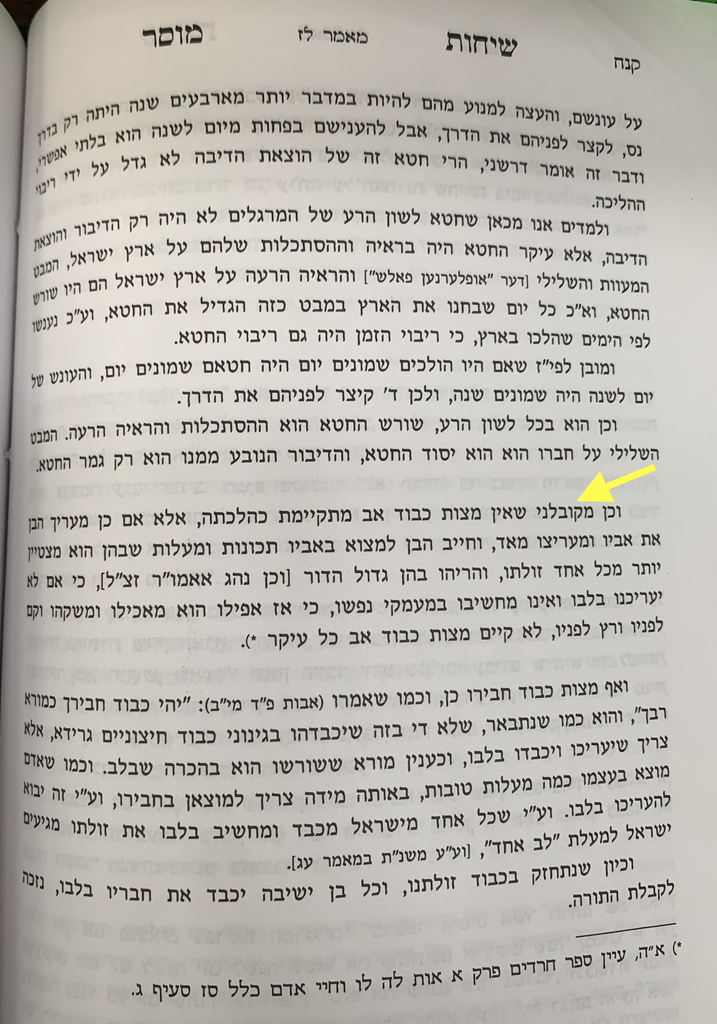

R' Chatzkel Levenstein () says that this concept can be applied to the mitzvah of davening and praising Hashem as well. Reading through the litany of praises and prayers - even in keeping with all of the relevant technical laws - is not sufficient to be a true service to Hashem. Rather, one needs to internalize the awesomeness and greatness of Hashem and use that recognition as the impetus to propel his davening to be said with heartfelt emotion.
Perhaps this is the idea of the passuk here as well. Dovid HaMelech first "lifts" (aromimcha) his perception of Hashem in his heart and eyes, and only then does he begin to praise Him, in order for his praises to said with the proper motivation and intention of before Whom he is reciting these praises.
בְּכָל יוֹם אֲבָרְכֶךָּ (ע''י ריבוי ברכות בכמות ואיכות), וַאֲהַלְלָה שִׁמְךָ לְעוֹלָם וָעֶד.
Every Day I will bless You (by saying many blessings with quality kavannah) and I will praise His name forever and ever.
וּלְעוֹלָם יִזָּהֵר אָדָם בִּבְרָכָה שֶׁאֵינָהּ צְרִיכָה וְיַרְבֶּה בַּבְּרָכוֹת הַצְּרִיכוֹת. וְכֵן דָּוִד אָמַר (תהילים קמה ב) ״בְּכָל יוֹם אֲבָרְכֶךָּ״:
One should always carefully avoid saying blessings unnecessarily; and should be heedful to recite, as often as there may be occasion, the blessings that are requisite. And so David said "Every day I will bless Thee and praise Thy name forever" (Ps. 145:2).

The reason is because when one makes the after beracha on the wine (al hagefen), it covers an outstanding of regular fruits (borei nefashos). Therefore, if one doesn't make the borei nefashos before drinking the wine, he will have missed the opportunity of making a borei nefashos.
This could possibly be the resolution between these two statements of the Rambam.
Although one should certainly not make unnecessary berachos, one should not take it to the extent to deliberately minimize his opportunity to make a beracha, and in that sense the Rambam encourages one to "maximize" the amount of berachos he makes.
I am hard-pressed to say that this is pshat in the Rambam here, for a few reasons.
First of all, the Rambam is saying this at the end of Hilchos Berachos as "closing mussar remarks" about the general idea of making berachos. (Rambam completes his Hilchos Meila in a similar way, with a short discourse into the "mussar" ideas behind the halachos)
Therefore, to explain that his intention here as referring to a very particular case in Hilchos Berachos- by way of allusion- is definitely not the simple understanding.
Secondly, even the Tashbetz himself isn't saying that this is the pshat in the Rambam's words here, he only uses the wording of the Rambam stylistically. Also, the pirush on the side of the Tashbetz makes no mention of this Rambam.
אָמַר רַב יְהוּדָה: הַאי מַאן דְּנָפֵיק בְּיוֹמֵי נִיסָן וְחָזֵי אִילָנֵי דְּקָא מְלַבְלְבִי, אוֹמֵר: ״בָּרוּךְ שֶׁלֹּא חִיסֵּר בְּעוֹלָמוֹ כְּלוּם וּבָרָא בּוֹ בְּרִיּוֹת טוֹבוֹת וְאִילָנוֹת טוֹבוֹת לְהִתְנָאוֹת בָּהֶן בְּנֵי אָדָם״.
Rav Yehuda said: One who goes out during Nisan and sees trees that are blossoming recites: Blessed…who has withheld nothing from His world, and has created in it beautiful creatures and trees for human beings to enjoy.
One hot summer day, he was alone on a public bus. He was extremely thirsty and the ice cold bottle of spring water in his backpack scoffed at him, knowing that without another person to answer Amen, he would have to rough it out until he got home.
Then he realized - the bus driver can answer Amen! He approached the driver and asked him if he could say "Amen" to his beracha. The bus drive agreed, and the man was able to slake his thirst all without breaking his kabbala.
A short while later, the man discovered that he had erroneously assumed the bus driver's dark appearance was because he was a Jew from Sefardic descent, but in fact the man who answered "Amen" was - an Arab!
Distraught, the man went to Rav Yosef Shalom Eliashev to ask him if he "broke" his kabbala since, after all, the person who answered Amen was a non-Jew.
Rav Eliashev responded that his kabbala was intact, because the Amen from the Arab also brought about its purpose of increasing kavod Shomayim, and was thus a fulfillment of his kabbala.
לפי המבואר במ"ב סימן רט"ו ס"ב דעונין אמן אחר גוי כשהוא לשם שמים וע"ע הערות ברכות מ"ז ע"א על דברי רש"י שם שהאמן הוא סיום הברכה עיי"ש וכן מצויין שם לעיין בהנ"ל דף נ"ג : עיי"ש
(ואף שיש עלינו לברכו ולהללו ולעלות דרגה דרגה בכל יום, מ''מ עלינו לדעת ש-) גָּדוֹל יהו-ה וּמְהֻלָּל מְְאֹד, וְלִגְדֻלָּתוֹ אֵין חֵקֶר (אין בכחינו להשיג הדרגה עליונה בידיעת ה', את עוצם גדולתו)
(Although it is incumbent on ourselves to bless and praise Hashem and grow in our perception of Him, it is important for us to remember that) Hashem is great and highly praised, and to God’s enormity there is no limit (and it is beyond our capabilities to ever really understand His true greatness).
(1) Hashem is great. And if you'll say, I will speak of his greatness and exalt him, [one should bear in mind that] He is great and exalted beyond all praise (cf. Tehillim 65:2) because (2) His greatness is beyond investigation. A man, despite his greatest efforts to understand His ways, he will never grasp their true depth, rather man should praise Hashem according to his intellect, [bearing in mind that his understanding is limited and so is his praise]
Additionally, why is this concept so important for us to remember when we are praising Hashem?
Rambam writes in Yad HaChazaka:
(ח) רָאוּי לָאָדָם לְהִתְבּוֹנֵן בְּמִשְׁפְּטֵי הַתּוֹרָה הַקְּדוֹשָׁה וְלֵידַע סוֹף עִנְיָנָם כְּפִי כֹּחוֹ. וְדָבָר שֶׁלֹּא יִמְצָא לוֹ טַעַם וְלֹא יֵדַע לוֹ עִלָּה אַל יְהִי קַל בְּעֵינָיו וְלֹא יַהֲרֹס לַעֲלוֹת אֶל ה' פֶּן יִפְרֹץ בּוֹ. וְלֹא תְּהֵא מַחֲשַׁבְתּוֹ בּוֹ כְּמַחְשַׁבְתּוֹ בִּשְׁאָר דִּבְרֵי הַחל...
וְהַחֻקִּים הֵן הַמִּצְוֹת שֶׁאֵין טַעְמָן יָדוּעַ. אָמְרוּ חֲכָמִים חֻקִּים חַקֹּתִי לְךָ וְאֵין לְךָ רְשׁוּת לְהַרְהֵר בָּהֶן. וְיִצְרוֹ שֶׁל אָדָם נוֹקְפוֹ בָּהֶן וְאֻמּוֹת הָעוֹלָם מְשִׁיבִין עֲלֵיהֶן כְּגוֹן אִסּוּר בְּשַׂר חֲזִיר וּבָשָׂר בְּחָלָב ...
(8) One ought to consider the laws of the Torah and to penetrate into their ultimate significance as much as he can. If, however, he cannot discover the reason and is ignorant of the basic cause of a law, he should not regard it with contempt. Let him not break through to ascend to the Lord, lest he break out against him (Exodus 19:24). His thinking about it must not be like his thinking concerning secular matters.
The statutes are precepts the reason of which is not known, — — such as the prohibition against pork and that against meat-milk mixture...
(ב) ואומר כי כל מה שאסרתו התורה עלינו מן המאכלים - מזונם מגונה. ואין בכל מה שנאסר עלינו מה שיסופק שאין הזק בו רק החזיר והחלב; ואין הענין כן כי החזיר יותר לח ממה שצריך ורב הפסולת והמותרות ורוב מה שמאסתו התורה לרוב לכלוכו ומזונו בדברים הנמאסים. וכבר ידעת הקפדת התורה על ראית הלכלוכים ואפילו בשדות במחנה - כל שכן בתוך המדינה. ואילו היתה מותרת אכילת החזיר היו השווקים עם הבתים יותר מלוכלכים מ'בית הכסא' - כמו שתראה ארצות הצרפתים היום. כבר ידעת אמרם "פי חזיר כצואה עוברת דמי":
(2) I maintain that the food which is forbidden by the Law is unwholesome. There is nothing among the forbidden kinds of food whose injurious character is doubted, except pork (Lev. 11:7), and fat (ibid. 7:23). But also in these cases the doubt is not justified. For pork contains more moisture than necessary [for human food], and too much of superfluous matter. The principal reason why the Law forbids swine's flesh is to be found in the circumstance that its habits and its food are very dirty and loathsome. It has already been pointed out how emphatically the Law enjoins the removal of the sight of loathsome objects, even in the field and in the camp; how much more objectionable is such a sight in towns. But if it were allowed to eat swine's flesh, the streets and houses would be more dirty than any cesspool, as may be seen at present in the country of the Franks. A saying of our Sages declares: "The mouth of a swine is as dirty as dung itself".
(א) כמו שחלקו אנשי העיון מבעלי התורה אם מעשיו ית' נמשכים אחר חכמה או אחר רצון לבד לא לבקשת תכלית כלל כן חלקו זאת המחלוקת בעצמה במה שנתן לנו מן המצוות. שיש מי שלא יבקש לזה סיבה כלל ויאמר שהתורות כולם נמשכות אחר הרצון לבד; ויש מי שיאמר שכל מצוה ואזהרה מהם נמשכת אחר החכמה והמכוון בה - תכלית אחת ושהמצוות כולם יש להם סיבה ומפני התועלת צווה בהם. והיות לכולם עילה אלא שאנחנו נסכול עילת קצתם ולא נדע אפני החכמה בהם - הוא דעתנו כולנו ההמון והסגולות. וכתובי התורה מבוארים בזה "חוקים ומשפטים צדיקים". "משפטי יי אמת צדקו יחדיו". ואלו שנקראים 'חוקים' כשעטנז ובשר בחלב ושעיר המשתלח' אשר כתבו עליהם החכמים 'ז"ל' ואמרו "דברים שחקקתי לך ואין לך רשות להרהר בהם והשטן מקטרג עליהן ואומות העולם משיבים עליהן" - לא יאמין המון ה'חכמים' שהם ענינים שאין להם סיבה כלל ולא בוקש להם תכלית - כי זה יביא לפעולות הבל (כמו שזכרנו); אבל יאמין המון ה'חכמים' שיש להם עילה - רצוני לומר תכלית מועילה על כל פנים אלא שנעלמה ממנו אם לקיצור דעותינו או לחסרון חכמתנו. כל ה'מצות' אם כן יש להם אצלם סיבה - רצוני לומר כי למצוה ההיא או לאזהרה יש תכלית מועילה מהם מה שהתבאר לנו צד התועלת בהם. כאזהרה מן הרציחה ומן הגניבה ומהם מה שלא התבארה תועלתם כמו שהתבאר בנזכרים כאיסור ה'ערלה' וכלאי הכרם'. והם אשר תועלתם מבוארת אצל ההמון יקראו 'משפטים' ואלו שאין תועלתם מבוארת אצל ההמון יקראו 'חוקים'. ויאמרו תמיד "'כי לא דבר רק הוא' ואם ריק הוא - 'מכם' - רצונו לומר שאין נתינת אלו המצוות דבר ריק שאין תכלית מועילה לו ואם יראה לכם בדבר מן המצות שענינו כן - החסרון הוא מהשגתכם. וכבר ידעת הדבר המפורסם אצלנו ששלמה ידע סיבות המצוות כולן מלבד 'פרה אדומה'; וכן אמרם שהאלוה העלים סיבות ה'מצוות' שלא יזלזלו בהם כמו שארע לשלמה בשלש 'מצוות' אשר התבארה עילתם - ועל זה העיקר נמשכו כל דבריהם וכתובי הספרים יורו עליו: אלא שאני מצאתי דבר ל'חכמים ז"ל' ב"בראשית רבה" יראה ממנו בתחילת מחשבה שקצת ה'מצוות' אין להם עילה אלא המצוה בהם לבד ולא כון בהם תכלית אחר ולא תועלת נמצאת - והוא אמרם שם "וכי מה אכפת לו להקדוש ברוך הוא בין מי שהוא שוחט מן הצואר למי שהוא שוחט מן העורף? הוה אומר לא נתנו המצוות אלא לצרוף בהן את הבריות - שנאמר "אמרת יי צרופה". ועם היות המאמר הזה נפלא מאד שלא ימצא לו דומה בדבריהם פרשתי אני בו פרוש תשמעהו עתה - עד שלא נצא מסדר דבריהם כולם ולא נפרד מהשורש המוסכם עליו והוא - היות כל המצוות בוקש בהם תכלית מועילה במציאות "כי לא דבר ריק הוא" ואמר "לא אמרתי לזרע יעקב תוהו בקשוני אני יי דובר צדק מגיד מישרים". ואשר צריך שיאמינהו כל מי שדעתו שלמה בזה הענין הוא מה שאספרהו וזה שכלל ה'מצוה' יש לה סיבה בהכרח ומפני תועלת אחת צווה בה אבל חלקיה הם אשר נאמר בהם שהם למצוה לבד. והמשל בו שהריגת בעלי החיים לצורך המזון הטוב - מבוארת התועלת כמו שאנחנו עתידים לבאר; אמנם היותה בשחיטה לא בנחירה ובפסיקת הושט והגרגרת במקום מיוחד - אלו וכיוצא בהם 'לצרוף בהן את הבריות'. וכן יתבאר לך ממשלם 'שוחט מן הצואר לשוחט מן העורף'. וזכרתי לך זה המשל מפני שבא בדבריהם 'ז"ל' 'שוחט מן הצואר לשוחט מן העורף'. אבל אמיתת הדבר היא כי כאשר הביא ההכרח לאכילת בעלי חיים כוון למיתה הקלה עם קלות המעשה - שאי אפשר הכאת הצואר אלא בסיף וכיוצא בו והשחיטה אפשר בכל דבר; ולברור מיתה קלה התנו חידוד הסכין.
(ב) ואשר ראוי להמשיל באמת מענין החלקים הוא הקרבן - כי המצוה בהקרבת הקרבן יש לה תועלת גדולה מבוארת (כמו שאני עתיד לבאר) אבל היות הקרבן האחד 'כבש' והאחד 'איל' והיות מספרם מספר מיוחד - זה אי אפשר לתת לו עילה כלל. וכל מי שמטריד עצמו לתת סיבה לדבר מאלו החלקים הוא בעיני משתגע שגעון ארוך ואינו מסיר בזה הרחקה אך מוסיף הרחקות. ומי שידמה שאלו יש להם סיבה הוא רחוק מן האמת כמי שידמה שה'מצוה' כולה היא ללא תועלת נמצאת: ודע שהחכמה חיבה - ואם תרצה אמור שהצורך מביא - להיות שם חלקים שאין להם סיבה וכאילו הוא דבר נמנע בחוק התורה שלא יהיה בה דבר מזה הכת. ואופן ההמנעות בו - שאמרך למה היה 'כבש' ולא היה 'איל'? - השאלה ההיא בעצמה היתה מתחיבת אילו נאמר 'איל' מקום 'כבש' שאי אפשר מבלתי מין אחד; וכן אמרך למה היו 'שבעה כבשים' ולא היו 'שמונה'? - כן היו שואלים אם אמר 'שמונה' או 'עשרה' או 'עשרים' שאי אפשר מבלתי מספר בהכרח. וכאילו ידמה זה לטבע האפשר אשר אי אפשר מבלתי היות אחד מן האפשרים ואין ראוי לשאול: למה היה זה האפשר ולא היה זולתו מן האפשרים? כי זאת השאלה תתחיב אילו היה בנמצא האפשר האחר מקום זה. - ודע זה הענין והבינהו - ואשר אמרו בו תמיד מהיות לכל מצוה סיבה ואשר ידע מהם שלמה הוא תועלת ה'מצוה' בכלל לא חקירת כל חלקיה: ואחר שהענין כן אני רואה לחלק ה'שש מאות ושלוש עשרה מצוות' לכללים רבים ויהיה כל כלל כולל 'מצוות' רבות שהם ממין אחד או קרובים בענינם; ואגיד לך סיבת כל כלל מהם ואראה תועלתו אשר אין ספק בה ולא מדחה; ואחר כך אשוב לכל 'מצוה' בפני עצמה מה'מצוות' ההם אשר יכללם הכלל ההוא ואבאר לך סבתה עד שלא ישאר מהם רק קצת 'מצוות' מעטות מאד הם אשר לא התבארו לי סיבותם עד היום. וכן התבאר לי גם כן קצת חלקי 'מצוות' ותנאי קצתם ממה שאפשר לתת סבתו.
(1) As Theologians are divided on the question whether the actions of God are the result of His wisdom, or only of His will without being intended for any purpose whatever, so they are also divided as regards the object of the commandments which God gave us. Some of them hold that the commandments have no object at all; and are only dictated by the will of God. Others are of opinion that all commandments and prohibitions are dictated by His wisdom and serve a certain aim; consequently there is a reason for each one of the precepts: they are enjoined because they are useful. All of us, the common people as well as the scholars, believe that there is a reason for every precept, although there are commandments the reason of which is unknown to us, and in which the ways of God's wisdom are incomprehensible. This view is distinctly expressed in Scripture; comp. "righteous statutes and judgments" (Deut. 4:8); "the judgments of the Lord are true, and righteous altogether" (Ps. 19:10). There are commandments which are called ḥuḳḳim, "ordinances," like the prohibition of wearing garments of wool and linen (sha‘atnez), boiling meat and milk together, and the sending of the goat [into the wilderness on the Day of Atonement]. Our Sages use in reference to them phrases like the following: "These are things which I have fully ordained for thee: and you dare not criticize them"; "Your evil inclination is turned against them"; and "non-Jews find them strange." But our Sages generally do not think that such precepts have no cause whatever, and serve no purpose; for this would lead us to assume that God's actions are purposeless. On the contrary, they hold that even these ordinances have a cause, and are certainly intended for some use, although it is not known to us; owing either to the deficiency of our knowledge or the weakness of our intellect. Consequently there is a cause for every commandment: every positive or negative precept serves a useful object; in some cases the usefulness is evident, e.g., the prohibition of murder and theft; in others the usefulness is not so evident, e.g., the prohibition of enjoying the fruit of a tree in the first three years (Lev. 19:73), or of a vineyard in which other seeds have been growing (Deut. 22:9). Those commandments, whose object is generally evident, are called "judgments" (mishpatim); those whose object is not generally clear are called "ordinances" (ḥuḳḳim). Thus they say [in reference to the words of Moses]: Ki lo dabar rek hu mi-kem (lit." for it is not a vain thing for you, "Deut. 32:74); "It is not in vain, and if it is in vain, it is only so through you." That is to say, the giving of these commandments is not a vain thing and without any useful object; and if it appears so to you in any commandment, it is owing to the deficiency in your comprehension. You certainly know the famous saying that Solomon knew the reason for all commandments except that of the "red heifer." Our Sages also said that God concealed the causes of commandments, lest people should despise them, as Solomon did in respect to three commandments, the reason for which is clearly stated. In this sense they always speak; and Scriptural texts support the idea. I have, however, found one utterance made by them in Bereshit-rabba (sect. xliv.), which might at first sight appear to imply that some commandments have no other reason but the fact that they are commanded, that no other object is intended by them, and that they do not serve any useful object I mean the following passage: What difference does it make to God whether a beast is killed by cutting the neck in front or in the back? Surely the commandments are only intended as a means of trying man; in accordance with the verse, "The word of God is a test" (lit. tried) (Ps. 18:31). Although this passage is very strange, and has no parallel in the writings of our Sages, I explain it, as you shall soon hear, in such a manner that I remain in accord with the meaning of their words and do not depart from the principle which we agreed upon, that the commandments serve a useful object; "for it is not a vain thing for you"; "I have not said to the seed of Jacob, seek me in vain. I the Lord speak righteousness, declare that which is right" (Isa. 45:19). I will now tell you what intelligent persons ought to believe in this respect; namely, that each commandment has necessarily a cause, as far as its general character is concerned, and serves a certain object; but as regards its details we hold that it has no ulterior object. Thus killing animals for the purpose of obtaining good food is certainly useful, as we intend to show (below, ch. xlviii.); that, however, the killing should not be performed by neḥirah (poleaxing the animal), but by sheḥitah (cutting the neck), and by dividing the œsophagus and the windpipe in a certain place; these regulations and the like are nothing but tests for man's obedience. In this sense you will understand the example quoted by our Sages [that there is no difference] between killing the animal by cutting its neck in front and cutting it in the back. I give this instance only because it has been mentioned by our Sages; but in reality [there is some reason for these regulations]. For as it has become necessary to eat the flesh of animals, it was intended by the above regulations to ensure an easy death and to effect it by suitable means; whilst decapitation requires a sword or a similar instrument, the sheḥitah can be performed with any instrument; and in order to ensure an easy death our Sages insisted that the knife should be well sharpened.
(2) A more suitable instance can be cited from the detailed commandments concerning sacrifices. The law that sacrifices should be brought is evidently of great use, as will be shown by us (infra, chap. xlvi.); but we cannot say why one offering should be a lamb, whilst another is a ram; and why a fixed number of them should be brought. Those who trouble themselves to find a cause for any of these detailed rules, are in my eyes void of sense: they do not remove any difficulties, but rather increase them. Those who believe that these detailed rules originate in a certain cause, are as far from the truth as those who assume that the whole law is useless. You must know that Divine Wisdom demanded it--or, if you prefer, say that circumstances made it necessary--that there should be parts [of His work] which have no certain object: and as regards the Law, it appears to be impossible that it should not include some matter of this kind. That it cannot be avoided may be seen from the following instance. You ask why must a lamb be sacrificed and not a ram? but the same question would be asked, why a ram had been commanded instead of a lamb, so long as one particular kind is required. The same is to be said as to the question why were seven lambs sacrificed and not eight; the same question might have been asked if there were eight, ten, or twenty lambs, so long as some definite number of lambs were sacrificed. It is almost similar to the nature of a thing which can receive different forms, but actually receives one of them. We must not ask why it has this form and not another which is likewise possible, because we should have to ask the same question if instead of its actual form the thing had any of the other possible forms. Note this, and understand it. The repeated assertion of our Sages that there are reasons for all commandments, and the tradition that Solomon knew them, refer to the general purpose of the commandments, and not to the object of every detail. This being the case, I find it convenient to divide the six hundred and thirteen precepts into classes: each class will include many precepts of the same kind, or related to each other by their character. I will [first] explain the reason of each class, and show its undoubted and undisputed object, and then I shall discuss each commandment in the class, and expound its reason. Only very few will be left unexplained, the reason for which I have been unable to trace unto this day. I have also been able to comprehend in some cases even the object of many of the conditions and details as far as these can be discovered.
(כג) כִּ֤י נֵ֣ר מִ֭צְוָה וְת֣וֹרָה א֑וֹר...
(23) For the commandment is a candle,
The teaching is a light...
Candles have a low luminous intensity and emit a low photon count, and therefore can't illuminate an entire room. However, candles have an advantage over higher intensity light sources, in their ability to conduct a search to find an individual item.
The candle's chemistry and makeup is taken into account in halacha in regards to Bedikas Chametz. The Gemara in Pesachim says:
מִפְּנֵי שֶׁאוֹר הַנֵּר יָפֶה לַבְּדִיקָה.
אָמַר רַב נַחְמָן בַּר יִצְחָק: זֶה — יָכוֹל לְהַכְנִיסוֹ לְחוֹרִין וְלִסְדָקִין, וְזֶה — אֵינוֹ יָכוֹל לְהַכְנִיסוֹ לְחוֹרִין וְלִסְדָקִין.
רַב זְבִיד אָמַר: זֶה — אוֹרוֹ לְפָנָיו, וָזֶה — אוֹרוֹ לְאַחֲרָיו.
He must search by the light of the candle because the light of a candle is effective for searching...
Rav Naḥman bar Yitzḥak said: The baraita does not prohibit the use of a torch due to its failure to provide sufficient light. Rather, it is due to the fact that one can put this candle into holes and crevices, as it is a small flame, and one cannot put that torch into holes and crevices, as it is a large flame.
Rav Zevid said: This candle projects its light before it, facilitating the search, and that torch projects its light behind it, on the person conducting the search.
Rather he should dutifully fulfill the mitzvah to the exact details given by the Torah, like a candle that gives just enough light for the particular object at hand.
This is the message of the passuk in Mishlei here; when one encounter a mitzvah, he should focus on the mitzvah itself and not try to investigate the "why"s, but when one sits down to learn the Torah, he should delve in and understand the mitzvos to the best of his ability.
Paranthetically, Rabbeinu said a similar explanation this passuk in a Shiur on Nach of with a different spin:
Imagine a friend brought you somewhere and showed you a long thin yellow line which went on for miles into the distance. He told you that at the end of the line, there's a large treasure. If you believed him, all you'd need is a small candle to dutifully follow the yellow line until you reached the end of your journey. Though you may be excited for the eventual find, the journey itself won't be a highlight; there's not too much "geshmak" in just following a line. The candle represents a mitzvah because just like by following the candle you will eventually find the treasure, so too by performing a mitzvah we are guaranteed reward in Olam Habah. By doing a mitzvah, you're just "following the line" that Hashem is telling you to follow. The only way we can get the full geshmak in doing a mitzvah is by having a taste of the "treasure" too - through the Torah. The Torah knowledge that lies behind the mitzvos illuminate the meaning of the mitzvah to unimaginable heights. Who hasn't felt a big geshmak out of doing a mitzvah who's halachos you were fluent in? |
In Yad Hachazaka, the Rambam's Halacha Sefer, he is speaking about ones attitude towards "halacha l'maaseh", mitzvos in practice, and therefore he says that one should not delve into the reasons behind mitzvos.
But in Moreh Nevuchim, the Ramabam's hashkafa sefer, he is involved in attainting a better understanding in the Torah from the perspective of farthing his understanding in the Torah, and in that arena, he encourages one to investigate the Torah's depths and symbolisms.
One is certainly encouraged to learn and delve into the wonderful world Hashem created and the arrangement of the events throughout history.
However, one must never forget that Hashem's plans and true purpose for everything is beyond investigation. This is a vitally important concept that Dovid HaMelech felt the need to reiterate, because in times of trouble, a person can fall into the trap of doubting Hashem's orchestration of the world, Chas veshalom.
Howeve, if one keeps in mind that His ways are beyond our understanding, even when times are tough, we won't let our unanswered questions prevent us from praising and blessing Him.
,דּוֹר לְדוֹר יְשַׁבַּח מַעֲשֶׂיךָ
וּגְבוּרֹתֶיךָ יַגִּידוּ
...So great is His greatness and His deep conducting of the world that Generation to generation shall praise Your deeds (in other words, an entire generation may not understand the reason for a particular event, and it only comes apparent to the next generation), and Your greatness they shall tell to them.
For example, an event or a scientific breakthrough can flummox an entire generation, and only several generations later does its purpose come to light as to why that particular event happened at that exact time, or why this scientific breakthrough was only discovered at another time.
Therefore, as "absurd" as one may perceive a sequence of events in the world, know that even if it seems like there is no way to explain it to be a good thing, the individual human experience is only a few years, and its highly likely that this event may be a crucial ingredient to a later event which you, your children, or even your grandchildren won't experience - but only He who lives throughout each generation and Whose ways are beyond investigation, can make that determination.
הֲדַר כְּבוֹד הוֹדֶךָ, וְדִבְרֵי נִפְלאֹתֶיךָ אָשִׂיחָה
(One who doesn't just fulfill mitzvos, but also beautifies them and also attempts to bring honor to Hashem through acting pleasantly towards people and maintaining pure speech and actions, he can be rightfully called an embodiment of) The splendid honor of Your glory, and Your amazing deeds I will tell (and from such a person, one can learn laws and lessons even from his "chatter" (sicha).
תָּנוּ רַבָּנַן: שְׁתֵּי שָׁנִים וּמֶחֱצָה נֶחְלְקוּ בֵּית שַׁמַּאי וּבֵית הִלֵּל. הַלָּלוּ אוֹמְרִים: נוֹחַ לוֹ לְאָדָם שֶׁלֹּא נִבְרָא יוֹתֵר מִשֶּׁנִּבְרָא, וְהַלָּלוּ אוֹמְרִים: נוֹחַ לוֹ לְאָדָם שֶׁנִּבְרָא יוֹתֵר מִשֶּׁלֹּא נִבְרָא. נִמְנוּ וְגָמְרוּ: נוֹחַ לוֹ לְאָדָם שֶׁלֹּא נִבְרָא יוֹתֵר מִשֶּׁנִּבְרָא, עַכְשָׁיו שֶׁנִּבְרָא — יְפַשְׁפֵּשׁ בְּמַעֲשָׂיו. וְאָמְרִי לַהּ: יְמַשְׁמֵשׁ בְּמַעֲשָׂיו.
The Sages taught the following baraita: For two and a half years, Beit Shammai and Beit Hillel disagreed. These say: It would have been preferable had man not been created than to have been created. And those said: It is preferable for man to have been created than had he not been created. Ultimately, they were counted and concluded: It would have been preferable had man not been created than to have been created. However, now that he has been created, he should examine his actions that he has performed and seek to correct them. And some say: He should scrutinize his planned actions and evaluate whether or not and in what manner those actions should be performed, so that he will not sin.
(ו) בְּכׇל־דְּרָכֶ֥יךָ דָעֵ֑הוּ וְ֝ה֗וּא יְיַשֵּׁ֥ר אֹֽרְחֹתֶֽיךָ׃
(6) In all your ways acknowledge Him,
And He will make your paths smooth.
תַּנְיָא, אָמַר רַבִּי שִׁמְעוֹן: מִשִּׂיחָתוֹ שֶׁל רַבָּן גַּמְלִיאֵל לָמַדְנוּ שְׁנֵי דְבָרִים: לָמַדְנוּ שֶׁעֲבָדִים פְּטוּרִים מִן הַסּוּכָּה, וְלָמַדְנוּ שֶׁהַיָּשֵׁן תַּחַת הַמִּטָּה לֹא יָצָא יְדֵי חוֹבָתוֹ. וְלֵימָא: ״מִדְּבָרָיו שֶׁל רַבָּן גַּמְלִיאֵל״? מִילְּתָא אַגַּב אוֹרְחֵיהּ קָא מַשְׁמַע לַן, כִּי הָא דְּאָמַר רַב אַחָא בַּר אַדָּא, וְאָמְרִי לַהּ אָמַר רַב אַחָא בַּר אַדָּא אָמַר רַב הַמְנוּנָא אָמַר רַב: מִנַּיִן שֶׁאֲפִילּוּ שִׂיחַת תַּלְמִידֵי חֲכָמִים, צְרִיכָה לִימּוּד — שֶׁנֶּאֱמַר: ״וְעָלֵהוּ לֹא יִבּוֹל״.
It is taught in a baraita that Rabbi Shimon said: From the conversation of Rabban Gamliel we learned two matters. We learned that Canaanite slaves are exempt from the mitzva of sukka, and we learned that one who sleeps beneath the bed did not fulfill his obligation. The Gemara questions the formulation of the baraita. And let Rabbi Shimon say: From the statement of Rabban Gamliel. Why did he use the atypical expression: From the conversation of Rabban Gamliel? The Gemara answers: Through this expression he teaches us another matter in passing, like that which Rabbi Aḥa bar Adda said, and some say that Rabbi Aḥa bar Adda said that Rabbi Hamnuna said that Rav said: From where is it derived that even the conversation of Torah scholars require analysis, even when the intention of the speaker was apparently not to issue a halakhic ruling? It is as it is stated with regard to the righteous: “Which brings forth its fruit in its season and whose leaf does not wither” (Psalms 1:3). This teaches that with regard to a Torah scholar, not only is his primary product, his fruit, significant but even ancillary matters that stem from his conversation, his leaves, are significant.
משיחתו - לשון שיחת חולין ושמחה:
From conversation - this refers to mundane and witty talk:
שיחת חולין - של חכמים צריכה תלמוד כדי להתלמד לדבר בלשונם שהוא בלשון נקיה ועושר ומרפא:
Mundane conversation - of Torah scholars requires one to learn from, in order to learn from their words, since they have cleanliness of speech.
Perhaps we can say that Rashi in Sukka is telling us the different scenarios of where one can glean halachos from a Talmid Chacham - even from his mundane and witty talk, whereas Rashi in Avoda Zara is qualifying the character trait of that a Talmid must possess in order to be in the category of the "gavra" in which one could learn from him in such venues - notice his degree of cleanliness of speech.
And perhaps, here too, Dovid HaMelech is alluding to this prototypical Talmid Chacham in this passuk- one who beautifies mitzvos, and who possesses a cleanliness of speech, demonstrating his attentiveness to bringing kavod to Hashem in all scenarios, one can learn even from his mundane chatter (sicha).
This understanding of the passuk is a big chiddush to me, since the simple understanding is that we are praising Hashem's glory, not the prototypical Jew and what to learn from him.
וֶעֱזוּז נוֹראוֹתֶיךָ יֹאמֵרוּ,
וּגְדוּלָּתְךָ אֲסַפְּרֶנָּה
(Most other people, who are on lower levels of G-dliness) And they will speak of Your awesome strengths, ("strengths" refers to awesome deeds which deviate from nature. It is said in plural, to connote that these demonstrations of Hashem's strength change according to the time and occasion in order to "prove" His involvement in the world to this category of people)
But I will tell of Your greatness ("greatness" refers to natural phenomenons. It is said in plural because Dovid Hamelech can see Hashem's involvement and hashgacha from looking at the world, and doesn't need supernatural miracles to prove His involvement).
First, the beginning of this passuk is inflected with a third-person plural noun, ("and they will say of your wonders"), whereas the end of the passuk uses a first person singular noun ("and I will tell of your greatness").
Secondly, the object of the first part of the passuk is said in plural ("Your wonders"), whereas the object in the second half of the passuk is singular ("Your greatness").
What is the reason for these differences?
Malbim's comments on this passuk, the implication is that the subjects who praise Hashem for His wonders are on a lower level, whereas Dovid HaMelech is "applauding" himself for being on a higher level for praising His greatness. Malbim writes:
(א) ועזוז, אמר עוד הבדל בין השגתי ובין השגת רוב בני אדם ההמונים, שהם יאמרו נוראותיך, היינו המסות והמופתים שעשית להעניש את המורדים בך, כמו מכות שהבאת על המצרים ועדת קרח וכדומה, הוא אצלם עזוז של נוראות, שעי"ז יתיראו מענשך כאלו אתה נורא להעניש, אבל אנכי גדולתך אספרנה, אני אספר זה לא מצד המורא והדין והפחד, רק מצד הגדולה, כי הנוראות אשר עשה הם מצד גדולתו ושרשם במדת החסד והגדולה להיטיב לאוהבי שמו, ועי"כ.
[Another] difference between myself [Dovid Hamelech] and the common masses, is that they say of your wonders, that is, the challenges and signs that You performed to punish the rebellers against You, like the plagues brought upon Mitzrayim, Korach and his follows, and other such instances.
The common masses say of these miracles because they view Hashem as the Strong One Who performs wonders and awesome punishments.
But,, I, Dovid HaMelech, I praise Hashem not because I am scared of His great strength and how He exacts judgements and instills fear, rather I praise Him because these wonders stem from His great kindness to do good to those who do love Him.
(1) And the strength of Your awesome deeds they will tell And I, too, shall recite Your greatness.
(ח) אשה שבעלה בעיר אין חוששין להתייחד עמה מפני שאימת בעלה עליה (ואם היה זה גס בה כגון שגדלה עמו או שהיא קרובתו או אם קינא לה בעלה עם זה לא יתייחד עמה אע"פ שבעלה בעיר:)
(8) We are not worried to be secluded with a woman whose husband is in-town, since the fear of her husband is upon her. (But if he was "familiar with her", such as if she grew up with him or is his relative, or her husband adjured her not to be in seclusion with him, then he may not be secluded with her, even though her husband is in-town.)
The Chida and Chazon Ish however, say that the leniency is because a woman has a natural fear of her husband when he is in the vicinity, and his very presence causes her to act with inhibition, not because of the external possibility of the husband showing up. This mirrors yiras ha'romemus.
See also Tzitz Eliezer ()

As Malbim explains, the beginning of the passuk is discussing the common masses, are only "brought to their senses" of Hashem's Presence, they need multiple reminders, and thus need to see multiple wonders throughout the course of time.
Whereas the end of the passuk is portraying Dovid HaMelech's way of thinking, and of himself he says that he doesn't need to come on to multiple wonders and miracles to see the Hand of G-d in the world - just by looking into the unchanging natural world and the greatness of everything around him is reason to feel Hashem's Grandeur.
Therefore there isn't such a need for wonders upon wonders to prove that fact to him. Just by seeing His world - a single, consistent expression of His greatness - suffices for him to praise Hashem.
As an end note, I saw a nice piece from Tzror HaMor who seems to imply that there is a place where we can appreciate and learn from both modes of Hashem's conduct in the world; the constant great goodness He bestows and His displays of power - the Beis HaMikdash.
(א) זה אלי ואנוהו. ר"ל ראוי לי לעשות לו דירה נאה. מצד שהיה אלי עוז ישועתי ושם אשבח לו.
ואומר אלהי אברהם יצחק ויעקב. וזהו אלהי אבי וארוממנהו. והרמז שראוי לשבחו מצד טובו וחסדו ומצד זכות האבות.
ובכאן נתנבאו שעתידין לעשות לו מקדש שבו יראה נוראותיו:
This is my G-d and I will beautify Him. In other words, it is befitting for me to make Him an abode. from the fact that He is my Stronghold and my Savior, and there I will praise Him.
And the G-d of my father, and I will exalt Him. This refers to Avraham Yitzchak and Yaakov. The idea here is that it is correct for a person to praise Hashem because of His goodness and kindness and the merits of our fathers.
And here they also prophesied that they were going to make Him an abode where they would see His wondrous deeds.
The Tzror HaMor is saying that one should praise Hashem for His beneficence and kindness in the Beis HaMikdash, a place where His wonders occur on a regular basis. (I don't know exactly the reason behind this, that is beyond me)
זֶכֶר רַב טוּבְךָ יַבִּיעוּ, וְצִדְקָתְךָ יְרַנֵּנוּ
Explanation I
By mentioning Your great goodness, (that is, by making berachos and praising Hashem for all of the good He provides us with)
it will gush forth, (it causes Hashem to further endow and "gush" the world with blessing and goodness)
and they will sing of Your righteousness (and by internalizing this idea of what our berachos accomplish, our whole attitude towards making berachos will transform from an obligatory prayer into a powerful vehicle to further Hashem's abundance to the world that we are excited to do, which in turn creates a newfound joy in making berachos and allows us to experience the true "rinah shel Tefilla", "the song of Prayer".)
(א) כִּקְדֹ֧חַ אֵ֣שׁ הֲמָסִ֗ים מַ֚יִם תִּבְעֶה־אֵ֔שׁ...
(1) As when fire kindles brushwood,
And fire makes water boil...
תַּנְיָא, רַבִּי שִׁמְעוֹן בֶּן אֶלְעָזָר אוֹמֵר: אֵין לְךָ טֶפַח מִלְּמַעְלָה, שֶׁאֵין תְּהוֹם יוֹצֵא לִקְרָאתוֹ שְׁלֹשָׁה טְפָחִים.
It is taught in a baraita that Rabbi Shimon ben Elazar says: There is no handbreadth of rain from above toward which the water of the deep does not rise three handbreadths.

עשרה שמות נקרא שמחה. אלו הן ששון. שמחה. גילה. רינה. דיצה. צהלה. עליזה. חדוה תפארת. עליצה:
There are ten words for Happiness. And they are: sasson (joy), simcha (happiness), gila (rejoicing), rina (songfulness), ditza (amusement), tzahala (exuberance), aliza (felicity), hedva (delight), tiferet (splendor), alitza (cheer).
״לִשְׁמֹעַ אֶל הָרִנָּה וְאֶל הַתְּפִלָּה״. ״רִנָּה״ זוֹ תְּפִלָּה, ״תְּפִלָּה״ זוֹ בַּקָּשָׁה.
In Solomon’s prayer at the dedication of the Holy Temple it is stated: “To hear the song and the prayer that Your servant prays before You today” (I Kings 8:28). In this verse, "song" is prayer, and "prayer" is one’s request of his personal needs.
R' Chaim Kanievsky zt"l (Siach Megillah to Esther 8:16()) and Sfas Emes in the name of Shem Mishmuel (Va'eschanan)() say that rinah is a description of when an emotion becomes so intense and overwhelming that it causes one to burst forth with speech, and this can take form in a joyous form, through loud singing, or in an unfortunate form, and causes one too cry and supplicate uncontrollably.
זֶכֶר רַב טוּבְךָ יַבִּיעוּ, וְצִדְקָתְךָ יְרַנֵּנוּ
Explanation II
A recollection (i.e. even the smallest "mention") of Your great goodness (this refers to the great goodness of Torah which Hashem gave to us through his mercy and goodness. So precious is the Torah to us that one word of Torah causes us to-)
They will gush forth (out of our sincere appreciation of the gift of Torah. This is in contradistinction to food, which is given to humanity out of necessity and "din" for without it mankind couldn't survive. Additionally, a mere morsel of food isn't enough to survive and thus doesn't warrant gushing forth with gratitude)
and they will sing (And the Torah will cause us to sing with joy, since Torah is referred to as "Rinah shel Torah" "the song of Torah") of Your righteousness
(as the Torah is also a prime example of righteousness that Hashem endowed us with).
(יט)... תִּמְחֶה֙ אֶת־זֵ֣כֶר עֲמָלֵ֔ק מִתַּ֖חַת הַשָּׁמָ֑יִם לֹ֖א תִּשְׁכָּֽח׃ {פ}
(19)...you shall blot out the memory of Amalek from under heaven. Do not forget!
(י) הָיוּ בָּהּ אוֹתִיּוֹת מְטֻשְׁטָשׁוֹת אוֹ מְקֹרָעוֹת. אִם רִשּׁוּמָן נִכָּר אֲפִלּוּ הָיוּ רֻבָּהּ כְּשֵׁרָה. וְאִם אֵין רִשּׁוּמָן נִכָּר אִם הָיָה רֻבָּהּ שָׁלֵם כְּשֵׁרָה. וְאִם לָאו פְּסוּלָה וְהַקּוֹרֵא בָּהּ לֹא יָצָא. הִשְׁמִיט בָּהּ הַסּוֹפֵר אוֹתִיּוֹת אוֹ פְּסוּקִים וּקְרָאָן הַקּוֹרֵא אֶת הַמְּגִלָּה עַל פֶּה יָצָא:
(10) [If] it had blurred or torn letters in it: If their imprint is recognizable [as the correct letters] — it is fit, even if they were its majority. But if their imprint is not recognizable — if the majority of [its letters] were whole, it is fit; but if not, it is disqualified. And one who reads from it has not fulfilled [his obligation. If] the scribe had omitted letters or verses in it, but the reader reads them by heart — he has fulfilled [it].
(א) כשקורין אותו לתורה יאמר זה:
(ב) בָּרְ֒כוּ אֶת יְהֹוָה הַמְּ֒בֹרָךְ:
(1) The Kohein walks up to the Torah and says:
(2) Blessed Adonoy, who is blessed.
בָּרוּךְ (בעשרה אֱלֹהֵינוּ) שֶׁאָכַלְנוּ מִשֶּׁלוֹ וּבְטוּבוֹ חָיִינוּ:
If there be present ten or more Males above the age of thirteen, the words "our God" are added: We will bless (our God) him of whose bounty we have partaken.
וְאֵין ״טוֹב״ אֶלָּא תּוֹרָה, שֶׁנֶּאֱמַר: ״כִּי לֶקַח טוֹב נָתַתִּי לָכֶם תּוֹרָתִי אַל תַּעֲזֹבוּ״.
The word good means nothing other than Torah, as it is stated: “For I have given you a good portion, My Torah, do not abandon it” (Proverbs 4:2).
(ה) . אֶלָּא אַף עַל פִּי כֵן מוֹדֶה הָיָה רַבִּי יוֹחָנָן שֶׁאֵין רִנָּה שֶׁל תּוֹרָה אֶלָּא בַּלַּיְלָה, שֶׁנֶּאֱמַר (איכה ב, יט): קוּמִי רֹנִי בַלַּיְלָה, וְכֵן הוּא אוֹמֵר (משלי לא, טו): וַתָּקָם בְּעוֹד לַיְלָה.
Even so Rav Yochanan agrees that the main praise of Torah is only at night, as the passuk says "Arise, praise at night" (Eicha 2,19) and similarly the passuk says "And she arises in middle if the night."

The Lord is gracious and merciful, slow to anger and abounding in loving-kindness.
,טוֹב יהוה לַכֹּל
וְרַחֲמָיו עַל כָּל מַעֲשָׂיו
Hashem is good to all,
and His mercy is bestowed on all things (that is, He imparted each person with a portion of "His own" attribute of mercy, which in turn obligates us to act in a merciful manner towards all creatures. This makes Halachic ramifications too).
Here, the latter part of the passuk uses the term "rachamim." What is the difference between "rachamim" and "chesed"?
(יט) הַמְנַהֵג עוֹלָמוֹ בְּחֶֽסֶד
(כ) וּבְרִיּוֹתָיו בְּרַחֲמִים.
(19) Who conducts His world with kindliness
(20) and His creatures with compassion.
These two explanations will be useful as we continue to explore the broader meaning of the passuk.
1. But the question begs itself, how is a passuk that describes Hashem's unique mercifulness a source for how we must show mercy? The expectation seems to be beyond our capacity!
2. Also, why are the halachos learned out specifically from the latter part of the passuk and not the beginning of it?
(ט) יְקִֽימְךָ֨ יְהֹוָ֥ה לוֹ֙ לְעַ֣ם קָד֔וֹשׁ כַּאֲשֶׁ֖ר נִֽשְׁבַּֽע־לָ֑ךְ כִּ֣י תִשְׁמֹ֗ר אֶת־מִצְוֺת֙ יְהֹוָ֣ה אֱלֹהֶ֔יךָ וְהָלַכְתָּ֖ בִּדְרָכָֽיו׃
(9) יהוה will establish you as God’s holy people, as was sworn to you, if you keep the commandments of your God יהוה and walk in God’s ways.
(ו) כָּךְ לָמְדוּ בְּפֵרוּשׁ מִצְוָה זוֹ. מַה הוּא נִקְרָא חַנּוּן אַף אַתָּה הֱיֵה חַנּוּן. מַה הוּא נִקְרָא רַחוּם אַף אַתָּה הֱיֵה רַחוּם. מַה הוּא נִקְרָא קָדוֹשׁ אַף אַתָּה הֱיֵה קָדוֹשׁ. וְעַל דֶּרֶךְ זוֹ קָרְאוּ הַנְּבִיאִים לָאֵל בְּכָל אוֹתָן הַכִּנּוּיִין אֶרֶךְ אַפַּיִם וְרַב חֶסֶד צַדִּיק וְיָשָׁר תָּמִים גִּבּוֹר וְחָזָק וְכַיּוֹצֵא בָּהֶן. לְהוֹדִיעַ שֶׁהֵן דְּרָכִים טוֹבִים וִישָׁרִים וְחַיָּב אָדָם לְהַנְהִיג עַצְמוֹ בָּהֶן וּלְהִדַּמּוֹת אֵלָיו כְּפִי כֹּחוֹ:
(6) In explaining this commandment the sages taught thus: Even as He is called gracious, be thou gracious; even as He is called merciful, be thou merciful; even as He is called holy, be thou holy. In this wise did the prophets attribute to God all such terms as long-suffering, abundant in benificence, just and right, perfect, mighty and powerful and others like these, to proclaim that they are good and straight paths, and that man is obligated to lead himself in them, and to be like unto Him in proportion to his power.
(א) היא שצונו להדמות בו יתעלה כפי היכולת והוא אמרו והלכת בדרכיו. וכבר נכפל זה הצווי ואמר ללכת בכל דרכיו ובא בפירוש (סוטה י"ד) מה הקב"ה נקרא חנון אף אתה היה חנון מה הקב"ה נקרא רחום אף אתה היה רחום מה הקב"ה נקרא חסיד אף אתה היה חסיד. וכבר נכפל זה הענין בלשון אחר ואמר אחרי ה' תלכו ובא בפירוש שרצה לומר ההדמות בפעולותיו הטובות והמדות הנכבדות שיתואר בהם האל יתעלה על צד המשל. יתעלה על הכל עילוי רב. (בפרשת והיה כי תבא, מדע הלכות דעות):
(1) That is that He commanded us to imitate Him, may He be exalted, according to our ability. And that is His saying, "and you shall go in His ways" (Deuteronomy 28:9). And this command has already been repeated, [when] He said, "and to go in all of His ways" (Deuteronomy 11:22). And in the explanation, it appears (Sifrei Devarim 49:1), "Just as the Holy One, blessed be He, is called merciful; you too, be merciful. Just as the Holy One, blessed be He, is called pious; you too, be pious." And this matter was already repeated in different words: He said, "Go in the ways of the Lord." And in the explanation, it appears (Sotah 14a) that He meant to say to imitate His good deeds and glorious traits by which God, may He be exalted, is described, by way of analogy - He is exalted over everything with great exaltation. (See Parashat Ki Tavo; Mishneh Torah, Human Dispositions.)
(ג) טוֹב ה' לַכֹּל וְרַחֲמָיו עַל כָּל מַעֲשָׂיו (תהלים קמה, ט). רַבִּי יְהוֹשֻׁעַ דְּסִכְנִין בְּשֵׁם רַבִּי לֵוִי אָמַר טוֹב ה' לַכֹּל, וּמֵרַחֲמָיו הוּא נוֹתֵן לִבְרִיּוֹתָיו.
"Hashem is good to all, and His mercy is on all of His handiwork." Rabbi Yehoshua of Sichnin in the name of Rabbi Levi says [renders the passuk to mean], Hashem is good to all, and he gives from His mercy to His creations.
And this also answers why these halachos are learned out of the end of the passuk, because it is from there that the Medrash learns that we have a part of His attribute within ourselves, and therefore we can be expected to act according to the mercifulness that we possess.

The Gemara in Berachos says:
הַהוּא מִינָא דַּהֲוָה בְּשִׁבְבוּתֵיהּ דְּרַבִּי יְהוֹשֻׁעַ בֶּן לֵוִי, הֲוָה קָא מְצַעֵר לֵיהּ טוּבָא בִּקְרָאֵי. יוֹמָא חַד שְׁקַל תַּרְנְגוֹלָא, וְאוֹקְמֵיהּ בֵּין כַּרְעֵיהּ דְּעַרְסָא, וְעַיֵּין בֵּיהּ, סְבַר: כִּי מָטָא הַהִיא שַׁעְתָּא, אֶלְטְיֵיהּ. כִּי מְטָא הַהִיא שַׁעְתָּא — נָיֵים. אֲמַר: שְׁמַע מִינַּהּ, לָאו אוֹרַח אַרְעָא לְמֶעְבַּד הָכִי. ״וְרַחֲמָיו עַל כָּל מַעֲשָׂיו״ כְּתִיב. וּכְתִיב: ״גַּם עָנוֹשׁ לַצַּדִּיק לֹא טוֹב״.
A certain heretic who was in Rabbi Yehoshua ben Levi’s neighborhood would upset him by incessantly challenging the legitimacy of verses. One day, Rabbi Yehoshua ben Levi took a rooster and placed it between the legs of the bed upon which he sat and looked at it. He thought: When the moment of God’s anger arrives, I will curse him and be rid of him. When the moment of God’s anger arrived, Rabbi Yehoshua ben Levi slept. When he woke up, he said to himself: Conclude from the fact that I nodded off that it is not proper conduct to do so, to curse people, even if they are wicked. “His mercy is over all His creations” (Psalms 145:9) is written even with regard to sinners. Moreover, it is inappropriate to cause the punishment of another, as it is written: “Punishment, even for the righteous, is not good” (Proverbs 17:26), even for a righteous person, it is improper to punish another.
הָנְהוּ בִּרְיוֹנֵי דַּהֲווֹ בְּשִׁבָבוּתֵיהּ דְּרַבִּי מֵאִיר וַהֲווֹ קָא מְצַעֲרוּ לֵיהּ טוּבָא. הֲוָה קָא בָּעֵי רַבִּי מֵאִיר רַחֲמֵי עִלָּוַיְהוּ כִּי הֵיכִי דְּלֵימוּתוּ. אָמְרָה לֵיהּ בְּרוּרְיָא דְּבֵיתְהוּ: מַאי דַּעְתָּךְ — מִשּׁוּם דִּכְתִיב ״יִתַּמּוּ חַטָּאִים״, מִי כְּתִיב ״חוֹטְאִים״? ״חַטָּאִים״ כְּתִיב.
There were these hooligans in Rabbi Meir’s neighborhood who caused him a great deal of anguish. Rabbi Meir prayed for God to have mercy on them, that they should die. Rabbi Meir’s wife, Berurya, said to him: What is your thinking? On what basis do you pray for the death of these hooligans? Do you base yourself on the verse, as it is written: “Let sins cease from the land” (Psalms 104:35), which you interpret to mean that the world would be better if the wicked were destroyed? But is it written, let sinners cease?” Let sins cease, is written. One should pray for an end to their transgressions, not for the demise of the transgressors themselves.
However, there is a Gemara in Avoda Zara which seems to contradict this idea. The Gemara discusses a case when a Jew finds an unsavory person stuck in a pit. The question is if it is permitted raise him out, because on one hand by leaving him there it might be a chilul Hashem and can cause enmity with the non-Jews, but on the other hand, by raising him out it it brining a menace back to society.
תני רבי אבהו קמיה דר' יוחנן העובדי כוכבים ורועי בהמה דקה לא מעלין
Apropos the notion of raising someone from or lowering him into a pit, the Gemara notes that Rabbi Abbahu taught the following while standing before Rabbi Yoḥanan: With regard to gentiles and shepherds of domesticated animals, one may not raise them from a pit,
אבל המינין והמסורות והמומרים היו מורידין ולא מעלין
But the heretics, and the informers, and the apostates [vehameshummadim] are lowered into a pit, but not raised out of it.

(The explanation of the difference, seems to me, like the expression, "bringing a gun to a knife fight." Using ones own resourcefulness is okay in order to stop a menace, but invoking a curse from Hashem is not proper)
תָּנוּ רַבָּנַן מְפַרְנְסִים עֲנִיֵּי גוֹיִם עִם עֲנִיֵּי יִשְׂרָאֵל וּמְבַקְּרִין חוֹלֵי גוֹיִם עִם חוֹלֵי יִשְׂרָאֵל וְקוֹבְרִין מֵתֵי גוֹיִם עִם מֵתֵי יִשְׂרָאֵל מִפְּנֵי דַּרְכֵי שָׁלוֹם
The Sages taught in a baraita (Tosefta 5:4): One sustains poor gentiles along with poor Jews, and one visits sick gentiles along with sick Jews, and one buries dead gentiles along with dead Jews. All this is done on account of the ways of peace, to foster peaceful relations between Jews and gentiles.
(ז) מְפַרְנְסִין וּמְכַסִּין עֲנִיֵּי עַכּוּ''ם עִם עֲנִיֵּי יִשְׂרָאֵל מִפְּנֵי דַּרְכֵי שָׁלוֹם.
(7) They provide for and clothe the poor of Gentiles along with the poor of Israel for the sake of peaceful relations.
(ה) מְפַרְנְסִים עֲנִיֵּי עוֹבְדֵי כּוֹכָבִים עִם עֲנִיֵּי יִשְׂרָאֵל מִפְּנֵי דַּרְכֵי שָׁלוֹם.
(5) The poor of among the idolaters are supported alike with the poor of Israel as a peaceful measure.
(יב) וְזֶה שֶׁאָמְרוּ חֲכָמִים אֵין כּוֹפְלִין לָהֶן שָׁלוֹם בְּעַכּוּ''ם לֹא בְּגֵר תּוֹשָׁב. אֲפִלּוּ הָעַכּוּ''ם צִוּוּ חֲכָמִים לְבַקֵּר חוֹלֵיהֶם וְלִקְבֹּר מֵתֵיהֶם עִם מֵתֵי יִשְׂרָאֵל וּלְפַרְנֵס עֲנִיֵּיהֶם בִּכְלַל עֲנִיֵּי יִשְׂרָאֵל מִפְּנֵי דַּרְכֵי שָׁלוֹם. הֲרֵי נֶאֱמַר (תהילים קמה, ט) "טוֹב ה' לַכּל וְרַחֲמָיו עַל כָּל מַעֲשָׂיו". וְנֶאֱמַר (משלי ג, יז) "דְּרָכֶיהָ דַרְכֵי נֹעַם וְכָל נְתִיבוֹתֶיהָ שָׁלוֹם":
(12) And that that our Sages have commanded us to visit their sick and bury their dead along with Jewish dead, and sustain their poor along with the poor of Israel is for the “sake of peace”, since it says, “G-d is good to all, and His mercies extend upon all his works” (Psalms 145:9) and it says, “her ways are ways of pleasantness, and all her paths are peace" (Proverbs 3:17).
(א) וכן מותר לפרנס ענייהם ולבקר חוליהם ולקבור מתיהם ולהספידן ולנחם אבלים משום דרכי שלום.
It is also permitted to provide for their [non-Jewish] poor people, visit their sick, bury their dead, eulogize them, and comfort the bereaved because this is the way of peace (darchei shalom).
אמרינן בגיטין [דף ס״א] ומפרנסין עניי גוים ומבקרין חוליהן וקוברין מתיהם מפני דרכי שלום
We say in Gittin (61), and we may provide for non-Jewish poor people, visit their sick, and bury their dead because this is the way of peace (darchei shalom).
But the Gemara implies that the permission given to provide for non-Jews is only if Jews are also being provided for too, as the Gemara says מְפַרְנְסִים עֲנִיֵּי גוֹיִם עִם עֲנִיֵּי יִשְׂרָאֵל, One sustains poor gentiles along with poor Jews?
Bach answers that the Tur and Sma"g learned the Gemara differently than the other Poskim (such as Rambam). The idea of the "providing for a non-Jew with a Jew" doesn't necessitate that a Jew to be actually among the non-Jews at the time of providing for them, rather it is teaching that even if by giving to the non-Jew it will cause one to have to give less to the Jew, it is still permitted because it is in the way of peace (darchei shalom).
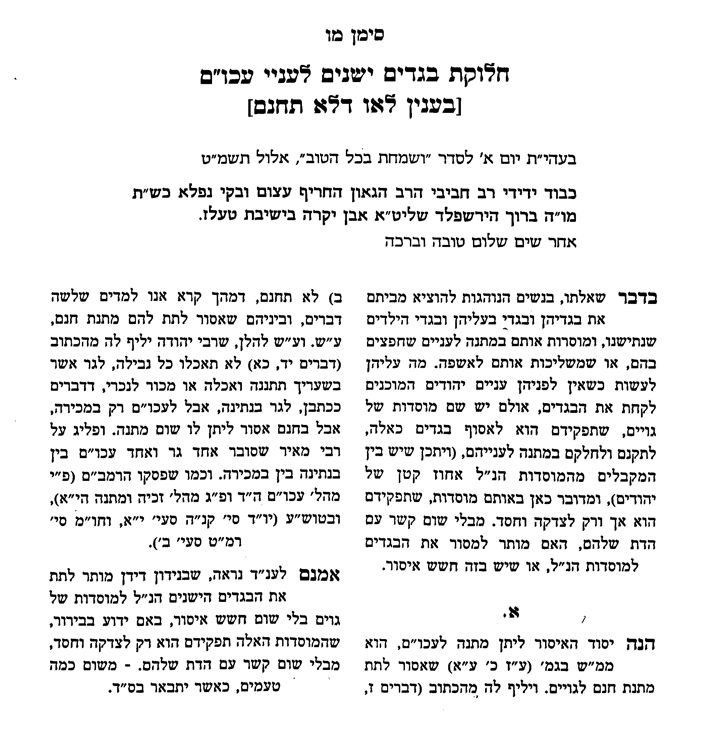
דאמר קרא (דברים ז, ב) לא תחנם דהכי אמר רחמנא לא תתן להם מתנת של חנם.
The source is that the verse states: “You should not show them mercy [lo teḥonnem]” (Deuteronomy 7:2), which is understood as meaning: “You should not show them mercy”; this teaches that you should not give them an undeserved gift.

יוֹדוּךָ יהוה כָּל מַעֲשֶׂיךָ,
וַחֲסִידֶיךָ יְבָרְכוּכָה
Your handiwork give thanks to Hashem, (i.e. this refers to creations who are on a lower level who are satisfied by thanking Hashem and praising Him without causing their praise to inspire others. This also includes animals who sing their individual praise as recorded in Perek Shirah)
and Your righteous ones bless You (this refers to creations who are on a higher level, who thank and praise Hashem via berachos to add to their perception of the Shechina in this world and causes others to also recognize Hashem's Shechina).
Indeed, the passuk implies that the handiwork, because of their inferior level, merely "thank" Hashem, whereas the pious ones are doing something greater by blessing Hashem.
Why is "blessing" Hashem a higher form of praise than "thanking" Him?

כְּבוֹד מַלְכוּתְךָ יֹאמֵרוּ,
וּגְבוּרָתְךָ יְדַבֵּרוּ
לְהוֹדִיעַ לִבְנֵי הָאָדָם גְּבוּרֹתָיו,
וּכְבוֹד הֲדַר מַלְכוּתוֹ
Explanation I
The glory of Your kingdom they will say, (this refers to people on a higher level who have the firm belief that Hashem is the King of the world, and that everything is controlled by Him)
and speak of your strengths (and with this pre-established recognition, speak of His strengths, which refer to the miracles that deviate from the natural order of the world. The demonstration of His strengths is thus not their proof that Hashem is the King, but a demonstration of His sovereignty. This pre-established knowledge is also imperative to the effect the demonstration that the strengths are meant to accomplish, because without it, the strengths can be entirely ineffective in proving Hashem's total dominance of the world.)
In order to announce to all people God’s strengths, (this refers to people on a lower level who's recognition of Hashem's control over the world isn't firmly planted just by experiencing the natural world. Only upon witnessing miraculous events do they come to that recognition)
and the honor and glory of His kingdom (that is, only after they witness the strengths which prove His control over the world do they accept His sovereignty).
What is the reason for this change?
To fully understand the explanation of these pesukim, let us introduce 3 more questions, and the foundational answer which will emerge could help us understand our pesukim.
The Midrash says in the beginning of Beshalach, discussing where Klal Yisroel is getting ready to cross the Yam Suf, that a term denoting "pain" is used. The Midrash says many explanations as to who this pain was felt by. But one "Subject" would seem to be the most unlikely to be "pained" by Klal Yisrael leaving, yet He is also listed:
(ט) מי קרא ווי הקב"ה קרא ווי, למה הדבר דומה למלך שנשבה בנו נלבש בלבוש נקמה באויביו והלך והביאו נטל את השבאי ותלאו בגרדון, התחיל לצער אותו ואמר ליה למה עשית כך לבני, עם שהוא מצערו התחיל להודות ואמר המלך ווי שהודה זה הייתי מבקש לצערו הרבה והודה מיד נתן לו אפיפורין.
כך פרעה שעבד את ישראל במצרים התחילו המכות באות עליו וכששלחן אמר הקב"ה ווי ששלח פרעה שנאמר ויהי בשלח פרעה.
(9) Who said "Woe"? Hashem said "Woe"...
This can be compared to a king whose son was captured. He decided to take revenge against the captors and wore his "cloak of revenge" and went to where the captors had his son hostage. When the king got there, he began to punish the captors all the while saying "Why did you do this to my son?!"
As he was punishing him, the captor admitted his mistake. Immediately, the king stopped punishing him and gave the captor a bandage. The king then said "Woe, that he admitted his mistake, for if he didn't I would be able to continue to punish him."
So too when Pharaoh enslaved the Jewish people, Hashem came to punish him with the plagues.
But when he sent them out and ceased to enslave them, there was no more opportunity to punish them for their actions, Hashem said "Woe, because I cannot punish them anymore."
The Midrash says later on in Beshalach:
בְּשָׁעָה שֶׁיָּצְאוּ יִשְׂרָאֵל מִמִּצְרַיִם עָמַד סמא"ל הַמַּלְאָךְ לְקַטְרֵג אוֹתָן, אָמַר לִפְנֵי הַקָּדוֹשׁ בָּרוּךְ הוּא "רִבּוֹנוֹ שֶׁל עוֹלָם עַד עַכְשָׁו הָיוּ אֵלּוּ עוֹבְדִים עֲבוֹדַת כּוֹכָבִים, וְאַתָּה קוֹרֵעַ לָהֶם אֶת הַיָּם?!"
When the Jews left Egypt, Samael (an accusing angel) laid an accusation against the Jews: He said before Hashem, "Master of the World, until now the Jews were serving idols, and now You are splitting the sea for them?!"
But another Midrash would seem to suggest that Klal Yisroel were on a high level of spirituality, one that allowed them to experience the highest of prophecies:
זה אלי. בִּכְבוֹדוֹ נִגְלָה עֲלֵיהֶם וְהָיוּ מַרְאִין אוֹתוֹ בְּאֶצְבַּע, רָאֲתָה שִׁפְחָה עַל הַיָּם מַה שֶּׁלֹּא רָאוּ נְבִיאִים (מכילתא):
זה אלי THIS IS MY GOD — In His glory did He reveal Himself to them and they pointed to Him — as it were — with the finger exclaiming “This is my God!” (Shir HaShirim Rabbah 3:15) A maid servant beheld at the Red Sea what even the prophets never saw (Mekhilta d'Rabbi Yishmael 15:2:2).
The Gemara in Berachos says:
״דַּבֶּר נָא בְּאָזְנֵי הָעָם״ וְגוֹ׳. אָמְרִי דְּבֵי רַבִּי יַנַּאי: אֵין ״נָא״ אֶלָּא לְשׁוֹן בַּקָּשָׁה, אָמַר לֵיהּ הַקָּדוֹשׁ בָּרוּךְ הוּא לְמֹשֶׁה: בְּבַקָּשָׁה מִמְּךָ, לֵךְ וֶאֱמוֹר לָהֶם לְיִשְׂרָאֵל: בְּבַקָּשָׁה מִכֶּם, שַׁאֲלוּ מִמִּצְרַיִם כְּלֵי כֶסֶף וּכְלֵי זָהָב, שֶׁלֹּא יֹאמַר אוֹתוֹ צַדִּיק, ״וַעֲבָדוּם וְעִנּוּ אֹתָם״ — קִייֵּם בָּהֶם, ״וְאַחֲרֵי כֵן יֵצְאוּ בִּרְכֻשׁ גָּדוֹל״ — לֹא קִייֵּם בָּהֶם.
With regard to the verse: “Speak, please [na] in the ears of the people, and they should borrow, every man from his fellow and every woman from her fellow, silver and gold vessels” (Exodus 11:2), the word please [na] is unclear. The students of the school of Rabbi Yannai said: Please [na] is nothing more than an expression of supplication. Why would God employ an expression of supplication in approaching Israel? The Gemara explains that the Holy One, Blessed be He, said to Moses: I beseech you, go and tell Israel: I beseech you; borrow vessels of silver and vessels of gold from the Egyptians in order to fulfill the promise I made to Abraham in the “Covenant between the Pieces,” so that that righteous person, Abraham, will not say: God fulfilled His pronouncement: “And they will be enslaved and afflicted,” but God did not fulfill His pronouncement: “And afterward, they will leave with great possessions.” As God said to Abraham: “Surely you shall know that your descendants will be foreigners in a land that is not theirs, and they will be enslaved and afflicted for four hundred years. And also that nation who enslaves them will I judge. And afterward, they will leave with great possessions” (Genesis 15:13–14).
But it begs the question, why did Hashem wait for Krias Yam Suf to deliver the main spoils ((bizah) to Klal Yisroel, and not earlier when they were initially leaving Mitzrayim?
A similar concept is found in respect to the two ways a woman becomes separated from her husband. The Mishna in Kiddushin says:
(א) הָאִשָּׁה...וְקוֹנָה אֶת עַצְמָהּ בִּשְׁתֵּי דְרָכִים בְּגֵט וּבְמִיתַת הַבָּעַל.
(1) A woman acquires herself, i.e., she terminates her marriage, in two ways, through a bill of divorce or through the death of the husband.
וְנִיתְנֵי הָאִישׁ קוֹנֶה וּמַקְנֶה מִשּׁוּם דְּאִיכָּא מִיתַת הַבַּעַל דְּלָאו אִיהוּ קָא מַקְנֵי מִן שְׁמַיָּא הוּא דְּמַקְנִי לָהּ.
Let it teach: The man can acquire a woman and transfer authority, i.e., grant her the release from marriage in the form of a bill of divorce. The Gemara answers: The mishna could not use the expression: Transfer, because there is the case of the husband’s death, in which it is not he who transfers authority. Rather, it is from Heaven that her freedom is transferred to her. Therefore, the mishna could not issue a general statement that the man can actively transfer to the woman her release from marriage.
But this was a huge mistake.
The whole build up of the Makkos and the myriad miracles that were performed for Klal Yisrael was to demonstrate that He is the true King and the true Redeemer, whereas Pharoah's role was a "puppet" that Hashem used to facilitate the Exodus.
Despite all of the evidence pointing to Hashem's central role as the Redeemer, Klal Yisroel still viewed Pharaoh as the one who granted our freedom and Hashem as the "accessory".
This explains the Medrash (Question 1), that Hashem was "pained", because at the moment when they could have seen Hashem's role as the true Redeemer in the Exodus, (similar to the second way a woman is released), they saw Pharaoh as the redeemer (similar to the first way a woman is released), as the passuk implies ויהי בשלח פרעה את ...העם
This is a bit difficult to me, since the Medrash is clear from the parable it gives to explain why Hashem was pained as being because Hashem wanted to further punish the Mitzriyim, not that He was upset at the Jews for not believing that He was the True Redeemer?
This is what Krias Yam Suf was set to accomplish - the unmistakable recognition that Hashem redeemed us from Mitzrayim, not Pharaoh.
This explains why right after Klal Yisrael witnessed the death of the Mitzriyim on the seashore, they came to that truth, and by internalizing that, they became worthy of the highest level of prophecy (answers Question 2) and worthy to claim the main spoils of Mitzrayim (answers Question 3).
There's a famous vort from R' Chaim from the Medrash that Pharaoh also sent them out (). According to this explanation, we would have to say that even so, it just looked as such that Pharaoh was releasing them, but really he was just a puppet in Hashem's act of redemption. It seems though from R' Chaim that the Kenyan and release of kinyan Pharaoh made was real, and Pharaoh was indeed part of redeeming Klal Yisrael.
Another point worth making as to why was it so important that Hashem be the redeemer and not Pharaoh, see Hagaadah Maasei Hashem on Avadim Hayinu.
See also Tzror Hamor to Beshalach who discusses this too.
The proof is from Klal Yisrael in Mitzrayim. Despite seeing numerous plagues and miracles left and right, without the established understanding that He is the Source of everything, they made the mistake to still see Pharaoh as an individual entity who held the key to their freedom.
Therefore, Dovid Hamelech says that those on a higher level (fits passuk) will establish Hashem's sovereignty in themselves first and see strengths in that context, but those on a lower level (second passuk) who haven't internalized that independent fact will not have the same appreciation and understanding of that G-d's strengths are a testament to His ultimate sovereignty.
The first passuk describes those who are on a higher level who recognize Hashem's involvement even without miraculous events; just looking into the wonders of Creation is enough for them to whole-heartedly believe in Hashem's Existence and Presence.
And the second passuk is describing a group who is on a lower level, who don't have that "discerning eye" that those in the earlier passuk have. They instead convince themselves that there is no G-d, and that the world just "runs on its own."
For them to realize Hashem's sovereignty, Hashem needs to "wake them up" by manipulating the Creation with open miracles to prove that the world belongs to Him and He is the All-powerful Ruler.


כְּבוֹד מַלְכוּתְךָ יֹאמֵרוּ,
וּגְבוּרָתְךָ יְדַבֵּרוּ
לְהוֹדִיעַ לִבְנֵי הָאָדָם גְּבוּרֹתָיו,
וּכְבוֹד הֲדַר מַלְכוּתוֹ
Explanation II (a)
They will tell (out loud, so that others can hear) of the glory of Your sovereignty,
and speak of your strengths (again, out loud for it to be audible to others)
Explanation II (b)
In order to announce (inform) to all people (this refers even to non-Jews) of God’s strengths,
and the honor and glory of His sovereignty (so that everyone should be aware of Hashem's greatness, because Hashem also desires that non-Jews recognize His Presence and accept his Kingdom).
The passuk there says תְּהִלַּ֜ת יהוה יְדַבֶּר פִּי.
Chida asks, why is there a need for one to verbalize his prayers? Hashem already knows what is in our hearts, so verbalizing it it out loud seems to be unnecessary, and yet it is a requirement in prayer. What, pray tell, is the reason one needs to audibly verbalize his tefillos?
Chida answers that the purpose of speaking out prayer is not for the purpose of reaching Hashem, rather it is so that other people can be inspired by hearing him speak his heart to Hashem, and in turn the onlooker will be inspired to also connect to Hashem.
This is alluded to in the conclusion of the passuk, וִיבָרֵיךְ כָּל בָּשָׂר שֵׁם קָדְשׁוֹ לְעוֹלָם וָעֶד.
in order to publicize and notify others of His greatness as well. לְהוֹדִיעַ לִבְנֵי הָאָדָם גְּבוּרֹתָיו) וּכְבוֹד הֲדַר מַלְכוּתוֹ).

One place where term בְנֵי הָאָדָם is found can provide us some insight into the identity of בְנֵי הָאָדָם.
The passuk says in Parshas Bereishis in reference to the people who built the Migdal Bavel (Tower of Babel):
(ה) וַיֵּ֣רֶד יְהֹוָ֔ה לִרְאֹ֥ת אֶת־הָעִ֖יר וְאֶת־הַמִּגְדָּ֑ל אֲשֶׁ֥ר בָּנ֖וּ בְּנֵ֥י הָאָדָֽם׃
(5) יהוה descended to look at the city and tower that the sons of man had built.
The answer is, that although they were wicked people who were literally "waging war" against Hashem, Hashem cared about them and was interested in their situation, because Hashem cares about all human beings, irrespective of whether they are righteous or wicked because He wants every being to be aware of His Existence. Therefore, the passuk stresses that although they were wicked, Hashem "descended" to see what they were doing and how the situation can improve.
היה רבי מאיר אומר מנין שאפילו עובד כוכבים ועוסק בתורה שהוא ככהן גדול תלמוד לומר (ויקרא יח, ה) אשר יעשה אותם האדם וחי בהם כהנים לוים וישראלים לא נאמר אלא האדם הא למדת שאפילו עובד כוכבים ועוסק בתורה הרי הוא ככהן גדול
Rabbi Meir would say: From where is it derived that even a gentile who engages in Torah study is considered like a High Priest? The verse states: “You shall therefore keep My statutes and My ordinances, which if a person do, and shall live by them” (Leviticus 18:5). It is not stated: Priests, Levites, and Israelites, but rather the general term “person.” From here you learn that even a gentile who engages in the study of Torah is like a High Priest.
See Noam Elimelech to Parshas Ki Sisa
מַלְכוּתְךָ מַלְכוּת כָּל עֹלָמִים,
וּמֶמְשַׁלְתְּךָ בְּכָל דּוֹר וָדֹר.
Your kingdom (which refers to a kingdom that is welcomed by the constituents) shall be for ever and ever (that will exist in the Time to Come, when we will recognize in hindsight that everything Hashem did was for the good)
and Your rulership (this refers to a kingdom that is thrust upon its constituents against their will) is in each and every generation (in the Exile, we don't see the reason for the actions Hashem takes in His kingship, and our acceptance of it is one of reluctance to accepting the decisions of His authority)
The passuk relates that after Yosef told his dreams which had implications of him having king-like authority over them to extent of them bowing at his feet, the brothers were not too pleased with this prediction, and they retorted:
(ח) וַיֹּ֤אמְרוּ לוֹ֙ אֶחָ֔יו הֲמָלֹ֤ךְ תִּמְלֹךְ֙ עָלֵ֔ינוּ אִם־מָשׁ֥וֹל תִּמְשֹׁ֖ל בָּ֑נוּ וַיּוֹסִ֤פוּ עוֹד֙ שְׂנֹ֣א אֹת֔וֹ עַל־חֲלֹמֹתָ֖יו וְעַל־דְּבָרָֽיו׃
(8) His brothers answered, “Do you mean to reign over us? Do you mean to rule over us?” And they hated him even more for his talk about his dreams.
(1) SHALT THOU INDEED REIGN OVER US? OR SHALT THOU INDEED HAVE DOMINION OVER US? Shall we appoint you as a king over us? Or shall you rule over us by force?
(טו) וַיֹּ֩אמֶר֩ ע֨וֹד אֱלֹהִ֜ים אֶל־מֹשֶׁ֗ה כֹּֽה־תֹאמַר֮ אֶל־בְּנֵ֣י יִשְׂרָאֵל֒...
זֶה־שְּׁמִ֣י לְעֹלָ֔ם וְזֶ֥ה זִכְרִ֖י לְדֹ֥ר דֹּֽר׃
(15) And God said further to Moses, “Thus shall you speak to the Israelites..
This shall be My name forever, This My appellation from generation to generation.
However, in the next world, in Olam Habah, everything will be clear to the true reason even "unfortunate" things happened to us, and that it was actually to our benefit, and our praise to Hashem for "bad" things will be the same as our praise of Him for good things, because in Olam Habah it will be clearly apparent even to us how everything was for the good.
Hashem supports all who have fallen, (When the Jewish nation puts all of their trust in Hashem and not in the other nations, then their survival is guaranteed and they thrive enormously. But when they put their trust in people and the other nations, the diametric opposite happens, and they in "fall" to the deepest pits, r"l)
and straightens all who are bent
אָמַר רַבִּי יוֹחָנָן: מִפְּנֵי מָה לֹא נֶאֱמַר נוּן בְּ״אַשְׁרֵי״ — מִפְּנֵי שֶׁיֵּשׁ בָּהּ מַפַּלְתָּן שֶׁל שׂוֹנְאֵי יִשְׂרָאֵל, דִּכְתִיב: ״נָפְלָה לֹא תוֹסִיף קוּם בְּתוּלַת יִשְׂרָאֵל״.
בְּמַעְרְבָא מְתָרְצִי לַהּ הָכִי: ״נָפְלָה וְלֹא תּוֹסִיף לִנְפּוֹל עוֹד, קוּם בְּתוּלַת יִשְׂרָאֵל״.
אָמַר רַב נַחְמָן בַּר יִצְחָק: אֲפִילּוּ הָכִי, חָזַר דָּוִד וּסְמָכָן בְּרוּחַ הַקֹּדֶשׁ, שֶׁנֶּאֱמַר ״סוֹמֵךְ ה׳ לְכָל הַנֹּפְלִים״.
Rabbi Yoḥanan said: Why is there no verse beginning with the letter nun in ashrei? Because it contains an allusion to the downfall of the enemies of Israel, a euphemism for Israel itself. As it is written: “The virgin of Israel has fallen and she will rise no more; abandoned in her land, none will raise her up” (Amos 5:2), which begins with the letter nun. Due to this verse, ashrei does not include a verse beginning with the letter nun.
In order to ease the harsh meaning of this verse, in the West, in Eretz Yisrael, they interpreted it with a slight adjustment: “She has fallen but she shall fall no more; rise, virgin of Israel.”
Rav Naḥman bar Yitzḥak adds: Even so, David went and provided support, through divine inspiration. Although King David did not include a verse beginning with the letter nun alluding to Israel’s downfall, he foresaw the verse that would be written by Amos through divine inspiration; and the very next verse, which begins with the letter samekh, reads: “The Lord upholds the fallen and raises up those who are bowed down” (Psalms 145:14). thereby offering hope and encouragement that although the virgin of Israel may have fallen, the Lord upholds the fallen.
Question 1: Ben Yehoyada and Rashba ask, there are many pesukim that don't necessarily begin with nun which have ominous content; one need not look further than the book of Eicha, which spells out the terrors and dejection of the destruction of the Beis HaMikdash, and it is organized in the order of the ales-beis, and each letter has ominous messages attached to it. If so, why is Dovid singling out the letter nun because of a passuk in Amos?


(The Ben Yehoyada asks this question in a slightly different manner: If Dovid indeed put in words of "support" to the "fall", if so the fall isn't a problem anymore, so the original question comes back, how come Dovid Hamelech didn't say nun in Ashrei?


יוּבַן הֵיטֵב בְּעִנְיַן סֵדֶר מַדְרֵגוֹת: דּוֹמֵם, צוֹמֵחַ, חַי, מְדַבֵּר,
We can clearly understand the subject of the order of the levels [of created beings]—the inorganic, the vegetative, the animal, and the articulate being (i.e., man)
For example, a when a flower (vegetative category) dies, it doesn't step down a level an join the inorganic group. The vegetative is on an entirely new level than the inorganic, and therefore when it ceases to exist in its group, it withers away completely.
The rule is, in order for something to survive in the world, it needs to live up to the conditions of the category it belongs to, otherwise it will have no use at all.
(ד) וכשם שקיום ישראל היא השמירה מן חלוק עצמם, שבזה יהיו אומה שלימה, וזהו קיום ישראל בגלותם. וכן ההבדל מן האומות - עד שהם אומה שלימה בעצמם - הוא קיום ישראל. שאם אין ישראל נבדלים מן האומות, הרי אינם אומה שלימה בעצמם. כי הדבר אשר הוא שלם בעצמו, הוא עומד בעצמו. ולכך הבדל ישראל מן האומות - עד שהם עומדים בעצמם ואין להם שום חבור אל האומות - הוא קיומם בגלותם:
(4) Klal Yisrael need to be careful not to be divided amongst themselves, so that they are a complete nation, for that is what establishes them in galus. [And to further strengthen their establishment as a nation] Klal Yisrael need to make themselves separated from the other nations, in order to make themselves a "complete nation", because so long as they are connected with the other nations, they are not a "complete nation" among themselves.
(ב) הן עם לבדד ישכון. הן בלשון יוית אחד אינו מחשבן עם אומה אחרת, תדע לך שהוא כן חשוב כל האותיות ותמצא כולן יש להן זוג וה"א ונו"ן אין להם זוג א' אחד ט' תשעה הרי עשרה. ב' שנים ח' שמונה הרי עשרה. א"ט ב"ח ג"ז ד"ו ה' אין לה זוג, וכן י"ץ כ"ף ל"ע מ"ס נ' אין לה זוג
(2) And they are a nation that dwells alone. The word הן is made up of the two letters in the aleph beis which do not have a counterpart number, 5 (ה) and 50 (ן).
To illustrate, 1 has 9, 2 has 8, 3 has 7, 4 has 6. The same goes for multiples of 10)
תָּנוּ רַבָּנַן מַעֲשֶׂה בְּרַבָּן יוֹחָנָן בֶּן זַכַּאי שֶׁהָיָה רוֹכֵב עַל הַחֲמוֹר וְהָיָה יוֹצֵא מִירוּשָׁלַיִם וְהָיוּ תַּלְמִידָיו מְהַלְּכִין אַחֲרָיו רָאָה רִיבָה אַחַת שֶׁהָיְתָה מְלַקֶּטֶת שְׂעוֹרִים מִבֵּין גֶּלְלֵי בְהֶמְתָּן שֶׁל עַרְבִיִּים כֵּיוָן שֶׁרָאֲתָה אוֹתוֹ נִתְעַטְּפָה בִּשְׂעָרָהּ וְעָמְדָה לְפָנָיו אָמְרָה לוֹ רַבִּי פַּרְנְסֵנִי אָמַר לָהּ בִּתִּי מִי אַתְּ אָמְרָה לוֹ בַּת נַקְדִּימוֹן בֶּן גּוּרְיוֹן אֲנִי אֲמַר לַהּ בִּתִּי מָמוֹן שֶׁל בֵּית אָבִיךָ הֵיכָן הָלַךְ ...
בָּכָה רַבָּן יוֹחָנָן בֶּן זַכַּאי וְאָמַר אַשְׁרֵיכֶם יִשְׂרָאֵל בִּזְמַן שֶׁעוֹשִׂין רְצוֹנוֹ שֶׁל מָקוֹם אֵין כׇּל אוּמָּה וְלָשׁוֹן שׁוֹלֶטֶת בָּהֶם וּבִזְמַן שֶׁאֵין עוֹשִׂין רְצוֹנוֹ שֶׁל מָקוֹם מוֹסְרָן בְּיַד אוּמָּה שְׁפָלָה וְלֹא בְּיַד אוּמָּה שְׁפָלָה אֶלָּא בְּיַד בְּהֶמְתָּן שֶׁל אוּמָּה שְׁפָלָה
The Sages taught: There was an incident involving Rabban Yoḥanan ben Zakkai. When he was riding on a donkey and leaving Jerusalem, and his students were walking after him to learn from him, he saw a certain young woman who was gathering barley from among the dung of the animals of Arabs. She was so poor that she subsisted on the undigested barley within the dung. When she saw him, she wrapped herself in her hair, as she had nothing else with which to cover herself, and stood before him. She said to him: My teacher, sustain me. He did not recognize her, so he said to her: My daughter, who are you? She said to him: I am the daughter of Nakdimon ben Guryon. He said to her: My daughter, the money of your father’s household, where did it go? How did you become so poor?...
Rabban Yoḥanan ben Zakkai cried and said: How fortunate are you, Israel, for when Israel performs the will of the Omnipresent, no nation or tongue can rule over them; and when Israel does not perform the will of the Omnipresent, He delivers them into the hand of a lowly nation. Not only are they delivered into the hand of a lowly nation, but even into the hand of the animals of a lowly nation, as in the pitiful instance of Nakdimon’s daughter.
The answer is that R' Yochanan ben Zakai is focusing to the aspect of Klal Yisrael's existence being totally dependent on us and our connection to Hashem. Yes it is unfortunate when we don't do His Will, and we fall, but knowing that we are in control of our own destiny and that if we choose to be close to Hashem He will support us, that is very empowering and gives us security.
The author of the Braisa in Berachos is no other than R' Yochanan ben Zakai, and the message of the nun being emblematic to the life-giving source of our existence and conversely as a free-fall into the pit of doom, and therefore in somewhat of a play on words, R' Yochanan calls Tehilla L'David "Ashrei" in the context of the reason the nun was left out.
עֵינֵי כֹל אֵלֶיךָ יְשַׂבֵּרוּ,
וְאַתָּה נוֹתֵן לָהֶם אֶת אָכְלָם בְּעִתּוֹ.
Every eye will turn to You,
and You give them food in its time.
The passuk here implies that we need to turn to Hashem when we are hungry to provide us with food. How can we understand this passuk?
Iyun Tefilla says that the passuk is referring to times of scarcity where food is only granted at its time, so this question would not have this difficulty.
(ג) (ג) וטוב ליזהר - כתבו הספרים בשם הזוה"ק שמצוה לאדם שיתפלל בכל יום על מזונו קודם האכילה.
ואם שכח להתפלל עד אחר שנטל ידיו לאכילה, יש מצדדים שיכול לומר תפלה זו אחר הנטילה דלא חשיב הפסק דהוי קצת כצורך סעודה [ויש שנהגו לכתחלה לומר מזמור ה' רועי בין נטילה להמוציא] ויותר נכון שיאמרנו אחר אכילת ברכת המוציא וכ"כ א"ר בשם של"ה:
The Seforim write in the name of the Zohar (Bereishis 199b) that there is a mitzvah for a person to pray every day before he partakes in a meal.
If already already washed and realizes that he forgot to say this prayer, some say that he should say it then and it isn't considered an interruption since it is somewhat a "necessity" for the meal.
The best practice is for one to say the prayer after he makes a Hamotzi. This is what Elya Rabbah quotes in the name of Shelah (Shaar HaOsios 100, 81b)

Usually we pray for things that we don't have, and make blessings on things that we do have. Why then are we praying for food when the food is already right in front of us?
פָּתַח רַבִּי נְחֶמְיָה בִּכְבוֹד אַכְסַנְיָא וְדָרַשׁ: מַאי דִּכְתִיב ״וַיֹּאמֶר שָׁאוּל אֶל הַקֵּינִי לְכוּ סֻּרוּ רְדוּ מִתּוֹךְ עֲמָלֵקִי פֶּן אוֹסִפְךָ עִמּוֹ וְאַתָּה עָשִׂיתָה חֶסֶד עִם כׇּל בְּנֵי יִשְׂרָאֵל״?
וַהֲלֹא דְּבָרִים קַל וָחוֹמֶר: וּמָה יִתְרוֹ שֶׁלֹּא קֵרַב אֶת מֹשֶׁה אֶלָּא לִכְבוֹד עַצְמוֹ — כָּךְ, הַמְאָרֵחַ תַּלְמִיד חָכָם בְּתוֹךְ בֵּיתוֹ, וּמַאֲכִילוֹ וּמַשְׁקֵהוּ וּמְהַנֵּהוּ מִנְּכָסָיו — עַל אַחַת כַּמָּה וְכַמָּה.
Rabbi Neḥemya began to speak in honor of the hosts and taught: What is the meaning of that which is written: “And Saul said unto the Kenites: Go, depart, get you down from among the Amalekites lest I destroy you with them, for you showed kindness to all the Children of Israel when they came up out of Egypt” (I Samuel 15:6)?
Isn’t this an a fortiori inference: Just as Jethro, the forbearer of the Kenite tribe, who only befriended Moses for his own honor, is treated in this way and rewarded that his merit would protect his descendants; all the more so should one who hosts a Torah scholar in his home, providing him with food and drink and availing him of his possessions, be rewarded with that protection.
You showed kindness - Yisro gave the elders to eat when he met them in the desert after, as the passuk says:
(יב) וַיִּקַּ֞ח יִתְר֨וֹ חֹתֵ֥ן מֹשֶׁ֛ה עֹלָ֥ה וּזְבָחִ֖ים לֵֽאלֹהִ֑ים וַיָּבֹ֨א אַהֲרֹ֜ן וְכֹ֣ל ׀ זִקְנֵ֣י יִשְׂרָאֵ֗ל לֶאֱכׇל־לֶ֛חֶם עִם־חֹתֵ֥ן מֹשֶׁ֖ה לִפְנֵ֥י הָאֱלֹהִֽים׃
(12) And Jethro, Moses’ father-in-law, brought a burnt offering and sacrifices for God; and Aaron came with all the elders of Israel to partake of the meal before God with Moses’ father-in-law.
"Don't let this supernatural experience become a distant memory", Yisro was demonstrating to them, "let it be the lens in which you see every subsequent meal even after you enter Eretz Yisrael."
The Chasam Sofer there says that Yisro actually brought flour to the desert and made it into bread when he got there. This fits beautifully with the explanation above, since he's further demonstrating how even when man exerts efforts into making food, it still should be attributed to Hashem, because He gives man the knowledge, the power, and the process itself of the food to be made - it's really all from Him!


(יד) וְהָיָ֞ה אִם־לֹ֧א חָפַ֣צְתָּ בָּ֗הּ וְשִׁלַּחְתָּהּ֙ לְנַפְשָׁ֔הּ וּמָכֹ֥ר לֹא־תִמְכְּרֶ֖נָּה בַּכָּ֑סֶף לֹא־תִתְעַמֵּ֣ר בָּ֔הּ תַּ֖חַת אֲשֶׁ֥ר עִנִּיתָֽהּ׃ {ס}
(14) Then, should you no longer want her, you must release her outright. You must not sell her for money: since you had your will of her, you must not enslave her.
See Kaf HaChaim who says that our passuk is actually one of the things that is said in the tefilla before eating, which fits well with our explanation. However, the passuk of Poseach es Yadecha is also said, which somewhat lowers the impact of just our passuk being mentioned there exclusively, rather its pesukim which are related to the idea of Hashem sustaining us.
פּוֹתֵחַ אֶת יָדֶךָ, וּמַשְׂבִּיעַ לְכָל חַי רָצוֹן
You open up Your hand,
and satiate all living creatures (especially humans) with their desire (that is, the desire to accomplish something with a passion and the ability to pursue their goal determinedly and successfully)
Iyun Tefila answers this question by positing that this passuk is being said in times of abundance when people are indeed satisfied with not only staples of living, but even their "wants."
But those on a higher level who don't emphasize their every bodily whim and desire, Hashem gives them enough to subsist on less than full satisfaction.
אין אדם יוצא מן העולם וחצי תאוותו בידו: מי שיש לו מנה, רוצה מאתיים. יש לו מאתיים, רוצה ארבע מאות"
No person leaves this world with half of his desires in his hand [fulfilled]. One who has one hundred wants two hundred. One who has two hundred wants four hundred.
The term in the second clause is "taava." Taava refers to how much of his desire is actually fulfilled, and in this context, a person who has 200 really won't be satisfied with another 200, he really desires more than that. Thus, the Medrash isn't self-contradictory, since they are discussing 2 different "emotions".)
A similar answer is given by R' Leib Chasman (brought in ArtScroll Edition of the Medrash Rabbah to Koheles, ibid):

I had a haara on this difference given by R' Yaakov between "ratzon" and "taava" from the Metzudos' explanation of the passuk "Poseach es yadecha umasbia l'chol chai ratzon. He writes:
(א) פותח. אתה פותח את ידך ומשביע לכל חי לפי רצונו ותאותו:
But if man is always wanting in his ratzon and taava, how can we say that Hashem fulfills all of man's wants and desires? It's also interesting how the Metzudos knows to add "taavaso" into his explanation of the passuk even though there is only mention of "ratzon" (unless he is just being verbose in his commentary).
This shows just how powerful the middah of ratzon is in a person, that no matter how much they may have attained, they always want more.)
Another difficulty I have on R' Shlesinger's explanation is that in the extra tefilla to Shema Koleinu we say: "And may you fulfill by me the passuk which says "You open up Your Hand...".
But if this passuk is discussing someone who is on a low level, why would we ask Hashem to manifest His ways he demonsrtates towards low level people towards us?
עד היכן תכלית יסורין אמר רבי אלעזר כל שארגו לו בגד ללבוש ואין מתקבל עליו מתקיף לה רבא זעירא ואיתימא רבי שמואל בר נחמני גדולה מזו אמרו אפילו נתכוונו למזוג בחמין ומזגו לו בצונן בצונן ומזגו לו בחמין ואת אמרת כולי האי מר בריה דרבינא אמר אפילו נהפך לו חלוקו רבא ואיתימא רב חסדא ואיתימא רבי יצחק ואמרי לה במתניתא תנא אפילו הושיט ידו לכיס ליטול שלש ועלו בידו שתים דווקא שלש ועלו בידו שתים אבל שתים ועלו בידו שלש
The Gemara asks: Until where is the minimum limit of suffering? What is the least amount pain that is included in the definition of suffering? Rabbi Elazar says: Anyone for whom they wove a garment to wear and the garment does not suit him, i.e., it does not fit him exactly. Rava the Younger objects to this, and some say Rabbi Shmuel bar Naḥmani objects: The Sages said an even greater statement than this, i.e., that even lesser inconvenience is still considered suffering: Even if people intended that they would dilute his wine with hot water, but they accidentally diluted it for him with cold water, it is considered suffering. Similarly, if he wanted it diluted with cold water, but they diluted it for him with hot water, this too is considered suffering. And you say all this, that it is considered suffering, only if the garment one ordered does not fit? Mar son of Ravina says: Even if one’s cloak turns around as he puts it on, so that he has to take it off and put it on again, this too is considered a form of suffering. Rava said, and some say it was Rav Ḥisda, and some say it was Rabbi Yitzḥak, and some say it was taught in a baraita: Even if one reached his hand into his pocket to take out three coins, but two coins came up in his hand, it is considered a form of suffering.
Study its ways and learn.
(ב) זֶה שֶׁאָמַר הַכָּתוּב (משלי ו, ו ח): לֵךְ אֶל נְמָלָה עָצֵל רְאֵה דְרָכֶיהָ וַחֲכָם אֲשֶׁר אֵין לָהּ קָצִין שֹׁטֵר וּמשֵׁל תָּכִין בַּקַּיִץ לַחְמָהּ אָגְרָה בַקָּצִיר מַאֲכָלָהּ, מָה רָאָה שְׁלֹמֹה לְלַמֵּד לְעָצֵל מִן הַנְּמָלָה, רַבָּנָן אָמְרֵי הַנְּמָלָה הַזּוֹ שְׁלשָׁה בָּתִּים יֵשׁ לָהּ, וְאֵינָהּ כּוֹנֶסֶת בָּעֶלְיוֹן מִפְּנֵי הַדֶּלֶף, וְלֹא בַּתַּחְתּוֹן מִפְּנֵי הַטִּינָה, אֶלָּא בָּאֶמְצָעִי, וְאֵינָהּ חַיָּה אֶלָּא שִׁשָּׁה חֳדָשִׁים, לָמָּה, שֶׁמִּי שֶׁאֵין לוֹ גִּידִים וַעֲצָמוֹת אֵינָהּ חַיָּה אֶלָּא שִׁשָּׁה חֳדָשִׁים, וְכָל מַאֲכָלָהּ אֵינָהּ אֶלָּא חִטָּה וּמֶחֱצָה, וְהִיא הוֹלֶכֶת וּמְכַנֶּסֶת בַּקַּיִץ כָּל מַה שֶּׁמּוֹצְאָה, חִטִּין וּשְׂעוֹרִין וַעֲדָשִׁים. אָמַר רַבִּי תַּנְחוּמָא וְכָל חַיֶּיהָ אֵינָהּ אֶלָּא חִטָּה וּמֶחֱצָה, וְהִיא כּוֹנֶסֶת אֶת אֵלּוּ, וְלָמָּה הִיא עוֹשָׂה כֵן, שֶׁאָמְרָה שֶׁמָּא יִגְזֹר עָלַי הַקָּדוֹשׁ בָּרוּךְ הוּא חַיִּים וְיִהְיֶה לִי מוּכָן לֶאֱכֹל. אָמַר רַבִּי שִׁמְעוֹן בֶּן יוֹחַאי מַעֲשֶׂה הָיָה וּמָצְאוּ בַּבּוֹר שֶׁלָּהּ שְׁלשׁ מֵאוֹת כּוֹר, מַה שֶּׁמְּכַנֶּסֶת מִן הַקַּיִץ לַחֹרֶף, לְפִיכָךְ אָמַר שְׁלֹמֹה לֵךְ אֶל נְמָלָה עָצֵל רְאֵה דְּרָכֶיהָ וַחֲכָם, אַף אַתֶּם הַתְקִינוּ לָכֶם מִצְווֹת מִן הָעוֹלָם הַזֶּה לָעוֹלָם הַבָּא.
(2) This is what Scripture says, "Lazybones, go to the ant; study its ways and learn. Without leaders, officers, or rulers, it lays up its stores during the summer, gathers in its food at the harvest."(Proverbs 6:6-6:8) What did Solomon see to learn from the ant regarding the lazy person? Our rabbis say that the ant has three houses (or floors), and it does not congregate in the top (floor) because of rain, nor does in the bottom because of mud, but rather in the middle. And it only lives for six months. Why? Because anything that does not have sinews or bones only lives six months. And all of its food is a grain and a half. And it goes and gathers in the summer all that it finds, grain and barley and lentils. Rabbi Tanchuma said: All of its life is a grain and a half and (yet) it gathers these? And why does it do this? Because it says: Perhaps the Holy One Blessed Be He will decree life and it will be prepared for me to eat. Rabbi Shimon ben Yochai said: It once happened that they found a pit of it (an ant) that had three hundred kor (of food grains). What they gather from the summer is for the winter, therefore Solomon said: "Lazybones, go to the ant; study its ways and learn." So to you shall fix for yourselves mitzvot from this world for the world to come.
When a person has ratzon, he can break all of his self-imposed barriers and can accomplish even beyond his abilities.
This power to gain a "larger than life" ratzon and in turn accomplish beyond what our wildest expectations is a gift from Hashem.
Perhaps it is this "ratzon" that our passuk is discussing. If a person decides wisely, he the can make his ratzon something to be in ruchniyus, an day focusing on his neshama and not chasing after worldly pursuits, he can be a person who is satisfied with what Hashem gives him.
This approach is the opposite way R' Shlesinger was learning, as according to this approach the passuk is discussing a tzaddik who is satisfied with his lot.
צַדִּיק יהוה בְּכָל דְּרָכָיו,
וְחָסִיד בְּכָל מַעֲשָׂיו
The Lord is righteous in all ways (towards those who act in accordance with the strict letter of the law, Hashem judges them strict justice),
and virtuous in all deeds (with those who go beyond the letter of the law or who can't survive based on strict judgement, their truthful judgement is manifested in with chesed commensurate to the amount of chesed they need "sliding scale" truth)
This difference between the two terms is expresses itself in practical Halacha as well. The Gemara in Moed Katan says:
וְהָתַנְיָא, שְׁלֹשָׁה דְּבָרִים נֶאֶמְרוּ בַּצִּפׇּרְנַיִם: הַקּוֹבְרָן — צַדִּיק, שׂוֹרְפָן — חָסִיד, זוֹרְקָן — רָשָׁע.
Three things were said about nails: One who buries them in the ground is deemed righteous. One who burns them is even better, as he is considered pious. One who merely throws them away is regarded as wicked.
ועיין בשיעוריו הנדפסים בהערות במסכת שבת דף ע"ה : על דברי הגמרא דחלשא ליה
Another place where this difference comes up is in halachos related to who can be buried next to whom. The Gemara in Sanhedrin says:
לא היו קוברין כו': וכל כך למה לפי שאין קוברין רשע אצל צדיק דאמר ר' אחא בר חנינא מנין שאין קוברין רשע אצל צדיק שנאמר (מלכים ב יג, כא) ויהי הם קוברים איש והנה ראו את הגדוד וישליכו את האיש בקבר אלישע ויגע האיש בעצמות אלישע ויחי ויקם על רגליו אמר ליה רב פפא ודילמא לאיקיומא (מלכים ב ב, ט) ויהי נא פי שנים ברוחך אלי אמר ליה אי הכי היינו דתניא על רגליו עמד ולביתו לא הלך אלא ויהי נא פי שנים היכי משכחת לה דאחייא א"ל רבי יוחנן שריפא צרעת נעמן שהיא שקולה כמת דכתיב (במדבר יב, יב) אל נא תהי כמת וכשם שאין קוברין רשע אצל צדיק כך אין קוברין רשע חמור אצל רשע קל וליתקון ארבע קברות שני קברות גמרא גמירי לה
The mishna teaches that they would not bury the executed transgressor in his ancestral burial plot, but rather in one of two special graveyards set aside for those executed by the court. The Gemara explains: And why is all this necessary? It is necessary because a wicked man is not buried next to a righteous man. As Rav Aḥa bar Ḥanina says: From where is it derived that a wicked man is not buried next to a righteous man? As it is stated: “And it came to pass, as they were burying a man, that behold, they spied a raiding party; and they cast the man into the tomb of Elisha; and as the man came there, he touched the bones of Elisha, and he revived and stood up on his feet” (II Kings 13:21). The man, who was not righteous, was miraculously resurrected so that he would not remain buried alongside Elisha. Rav Pappa said to Rav Aḥa bar Ḥanina: What proof is there from here? Perhaps the man was resurrected in order to fulfill Elisha’s request of Elijah: “I pray you, let a double portion of your spirit be upon me” (II Kings 2:9), as now Elisha resurrected two people, the son of the Shunammite woman and this man, as opposed to Elijah, who had resurrected only one person? Rav Aḥa bar Ḥanina said to Rav Pappa: If so, there is a difficulty, as is this a reasonable explanation in light of what is taught in a baraita: The words “and stood up on his feet” indicate that he arose, but he did not go to his home. The man did not in fact live again but for a moment, indicating that he was resurrected not in order to fulfill Elisha’s request for a double portion of Elijah’s spirit, but in order to prevent the disgrace of having a wicked man buried next to Elisha. The Gemara asks: But if so, with regard to the verse: “I pray you, let a double portion of your spirit be upon me,” where do you find that Elisha resurrected a second person? Rabbi Yoḥanan said to him: That request was fulfilled when he cured Naaman’s leprosy (see II Kings, chapter 5), an affliction that is considered to be equivalent to death, as it is written with regard to Miriam’s leprosy: “Let her not be as one dead” (Numbers 12:12). The mishna teaches that two graveyards were established for the burial of those executed by the court, one for those who were killed by decapitation or strangulation, and one for those who were stoned or burned. The Gemara explains: Just as a wicked man is not buried next to a righteous man, so too an extremely wicked man, i.e., one who committed a grave offense is not buried next to a less wicked man, i.e., one who committed a less severe offense. The Gemara challenges: If so, let them establish four different graveyards, one for each of the different modes of judicial execution. The Gemara answers. It is learned as a tradition that there are two graveyards for those executed by the court, and no more.
(ה) אין קוברין רשע אצל צדיק אפילו רשע חמור אצל רשע קל וכן אין קוברין צדיק וכשר ובינוני אצל חסיד מופלג: (אבל קוברים בעל תשובה אצל צדיק גמור) (ב"ז):
(5) They do not bury a wicked man beside a righteous one; even a grossly wicked person [is not buried] alongside a moderately wicked one. And likewise they do not bury a righteous person, and so much the more an average individual beside an extremely pious one. However, they may bury a repentent sinner beside a perfectly righteous person.
The discussion of whether animals are "punished" for their actions, for example if an animal would injure or kill a human being, is a controversial debate among the meforshim. Radak speaks at length about this topic and calls it a "big confusion among the scholars." Radak himself seems to side with the opinion that they are judged for their actions.
(א) צדיק. כי בצדק וביושר נותן לכל אחד אוכל ואע"פ שחי טורף את החי ואוכל כמו החתול לעכבר והאריה והדוב והנמר ושאר החיות האוכלות חיות אחרות וכן העופות הדורסים לעופות אחרים הכל צדק מאתו כי גם לחיות ולעופות הטורפים נותן להם גם כן מאכלם בחייהם, אלא שבהגיע קצם למות גזר מקודם שתהיה מיתתם פעמים בהניית בעלי חיים אחרים פעמים יגזור שימות מיתת עצמו או ע"י אחר. וזה מבוכה גדולה בין החכמים, כי מהם אומרים כי כשטורף האריה הכבש והדומה להם, הוא עונש הנטרף מאת האל יתברך. וכדומה לזה מצאתי בדברי רז"ל (חולין סג, א): ר' יוחנן כד הוי חזי שלך ששולה דגים מהים היה אומר (מזמור לו, ז): משפטיך תהום רבה. ומהם אומרים כי אין גמול ועונש בכל מיני החיים אלא לאדם בלבד, ואנחנו נאמר יש גמול ועונש לשאר מיני בעלי חיים בעסק האדם. כי הנה מצאנו (בראשית ט, ה): ומיד כל חיה אדרשנו, ונאמר (חבקוק ב, יז): ושד בהמות יחיתן, ונאמר בגמול (מ"א יג, כח): ולא שבר את החמור. ופירשו רז"ל גמול בבהמות כגון החמור והכלב, כי אמרו רז"ל (בכורות ה, ב): מה נשתנו פטרי חמורים מכל בהמות לפדותם? ופירשו, לפי שטענו ביזתם של ישראל. ונאמר (שמות כב, ל): לכלב תשליכון אותו, בשכר לא יחרץ כלב לשונו (שם יא, ז), מלמד שאין הקב"ה מקפח שכר כל בריאה ובריאה (מכילתא, משפטים קצה). ויש דעת אחרת ואין ראוי לכתבה: (ב) וחסיד בכל מעשיו. מזמין להם מה שהוא אינו מחוייב לתת והם אינם ראוים לקבל אלא שחסדו גבר עליהם:
(א) צדקתך - אמר ר' משה: כי צדקתך לא יוכלו בני אדם שאתה כי היא כהררי אל. והנכון: כי היא נשגבה לדעתה כהררי אל התקיפים, שלא יוכל אדם להגיע לשם וככה דעת משפטיך כתהום רבה שהיא עמוקה שלא יראנה אדם. (ב) וטעם: אדם ובהמה – שהוא ישפוט כל מרגיש על דרך: ומיד כל חיה אדרשנו.
(א) מיד כל חיה אדרשנו. מבואר במדרש קהלת ח׳ שהקב״ה עושה דין וחשבון אפי׳ עם אילני סרק אפי׳ עם מקל ורצועה מתחייבין ע״י אדם שניזק ע״י. מכש״כ שהקב״ה ידרוש נפש האדם מיד החיה:
The Gemara in Rosh Hashanah says:
רַב הוּנָא רָמֵי, כְּתִיב: ״צַדִּיק ה׳ בְּכׇל דְּרָכָיו״, וּכְתִיב: ״וְחָסִיד בְּכׇל מַעֲשָׂיו״! בַּתְּחִלָּה — צַדִּיק, וּלְבַסּוֹף — חָסִיד. רַבִּי אֶלְעָזָר רָמֵי, כְּתִיב: ״וּלְךָ ה׳ חָסֶד״, וּכְתִיב: ״כִּי אַתָּה תְשַׁלֵּם לְאִישׁ כְּמַעֲשֵׂהוּ״. בַּתְּחִלָּה — ״כִּי אַתָּה תְּשַׁלֵּם כְּמַעֲשֵׂהוּ״, וּלְבַסּוֹף — ״וּלְךָ ה׳ חָסֶד״. אִילְפַי, וְאָמְרִי לַהּ אִילְפָא רָמֵי, כְּתִיב: ״וְרַב חֶסֶד״, וּכְתִיב: ״וֶאֱמֶת״. בַּתְּחִלָּה — ״וֶאֱמֶת״, וּלְבַסּוֹף — ״וְרַב חֶסֶד״.
Rav Huna raised a contradiction between the two halves of a verse. It is written: “The Lord is righteous [tzaddik] in all His ways” (Psalms 145:17), indicating that God acts in accordance with the attribute of strict justice [tzedek], and then it is written in the same verse: “And kind [ḥasid] in all His works,” implying that He acts with grace and loving-kindness [ḥesed], going beyond the letter of the law. Rav Huna explained: Initially, at the time of judgment, He is righteous, but in the end, at the time of punishment, He is gracious. Rabbi Elazar raised a similar contradiction: It is written: “But to you, O Lord, belongs kindness” (Psalms 62:13), implying that God acts beyond the letter of the law, and then it is written in the same verse: “For You render to a man according to his deeds,” implying that He rewards and punishes measure for measure. Rabbi Elazar answered: Initially, at the time of judgment: “For You render to a man according to his deeds”; but in the end, at the time of punishment: “But to You, O Lord, belongs kindness.” Ilfai, and some say it was the Sage Ilfa, also raised a contradiction: It is written in the list of God’s attributes: “And abundant in kindness” (Exodus 34:6), and it is written in the same verse: “And truth,” which implies the attribute of justice. He answered: Initially, at the time of judgment: “And truth,” i.e., God employs strict justice, but in the end, when He sees that the world cannot survive on judgment based only on truth and justice: “And abundant in kindness,” i.e., He is merciful.
But if this was the case, asks Aruch L'Ner, the pesukim brought by R' Elazar and Ilfa should be said in the inverse, first stating His middah of truth and then His middah of mercy (וֶאֱמֶת וְרַב חֶסֶד)
(On the passuk brought by Rav Huna this isn't difficult, because there the passuk first says justice and then mercy)

Thus, the idea of Him acting with chesed isn't disconnected from His middah of truth, rather that because of the subjects' inability to survive on the strict judgeement, chesed becomes the new standard of "truth" for the subject’s judgement.
קָרוֹב יהוה לְכָל קֹרְאָיו,
לְכֹל אֲשֶׁר יִקְרָאֻהוּ בֶאֱמֶת
Hashem is close to all who call upon Him, (This refers to a prayer that they say before they even begin the formal prayer service, and that prayer is-)
to all who will call to Him with sincerity (that their prayers should be said with the proper intention, namely to act as a vehicle with which to come closer to Him, and not merely asking for a litany of needs for our own benefit).
We may be surprised to see that the passuk is teaching us a much deeper lesson that not only describes how Hashem answers tefillos, but also a directive for us to follow to make our tefillos more effective.
But enough with the foreshadowing.
Let's go through each question, one by one.
קָרוֹב יהוה לְכָל אֲשֶׁר יִקְרָאֻהוּ בֶאֱמֶת, "Hashem is close to all of those who call to Him in truth"?
(מג) אַתָּ֞ה תִּשְׁמַ֤ע הַשָּׁמַ֙יִם֙ מְכ֣וֹן שִׁבְתֶּ֔ךָ וְעָשִׂ֕יתָ כְּכֹ֛ל אֲשֶׁר־יִקְרָ֥א אֵלֶ֖יךָ הַנׇּכְרִ֑י לְמַ֣עַן יֵדְעוּן֩ כׇּל־עַמֵּ֨י הָאָ֜רֶץ אֶת־שְׁמֶ֗ךָ לְיִרְאָ֤ה אֹֽתְךָ֙ כְּעַמְּךָ֣ יִשְׂרָאֵ֔ל וְלָדַ֕עַת כִּֽי־שִׁמְךָ֣ נִקְרָ֔א עַל־הַבַּ֥יִת הַזֶּ֖ה אֲשֶׁ֥ר בָּנִֽיתִי׃
(43) oh, hear in Your heavenly abode and grant all that the foreigner asks You for. Thus all the peoples of the earth will know Your name and revere You, as does Your people Israel; and they will recognize that Your name is attached to this House that I have built.
חֲסִידִים הָרִאשׁוֹנִים הָיוּ שׁוֹהִין שָׁעָה אַחַת, וּמִתְפַּלְּלִין, כְּדֵי שֶׁיְּכַוְּונוּ לִבָּם לַאֲבִיהֶם שֶׁבַּשָּׁמַיִם.
There is a tradition that the early generations of pious men would wait one hour, in order to reach the solemn frame of mind appropriate for prayer, and then pray, so that they would focus their hearts toward their Father in Heaven.
But if they already prayed, what did they do with the newly acquired focus towards Hashem? The tefilla is already over?
It must be that the tefilla being discussed in the Mishna is a preliminary tefilla they did before the proper tefilla that they were going to do after they had their hearts focused to Hashem.
What is the nature of this tefilla that the Mishna is alluding to?
to the raven’s brood what they cry for.
It was this level of tefilla that the pious people mentioned in the Mishna were looking to achieve. But praying with such an attitude doesn't come if one just rushes into Shul. This attitude needs to be cultivated. And that's what the pious people prayed for when they entered the Shul early: "Please Hashem", they implored, "let our hearts pray with fervor and concentration and with the proper attitude for the purpose of becoming closer to You."
That was the tefilla, says Baal Shem Tov, that the Mishna is referring to, a tefilla to acquire the proper attitude said before they even opened their siddurim and uttered a single printed word.
Q1: The passuk adding "in truth" isn't describing a simple truthful and real desire of the petitioner, rather it is referring to this high-level intention of tefilla, a level of praying for its true purpose, to connect to Hashem.
Q2: And this is why there are two tenses here, the first calling out is the tefilla before praying, like that of the pious people, and after that prayer to have the right attitude, one then will pray the proper tefilla with the true purpose - to connect more with Hashem.
Q3: And this answers why the passuk is somewhat long-winded, because it is referring to two different tefillos, and therefore cannot be consolidated into a shorter sentence, because by doing so the allusion to the "preliminary tefilla" would be omitted.
Q4 : And with this we can answer why the passuk attributes tefilla as something unique to Klal Yisrael, because only Klal Yisrael has this understanding of that prayer isn't a dive wishlist gateway, rather it is meant to accomplish a much higher goal - to connect to Hashem.
Q5: And the fact that non-Jews are indeed answered in tefillos is not a question, because it is true that they do have the tool of tefilla, but the capacity they have is like that of the hungry raven, who's stole purpose is to receive and not to create a bond with their Creator. (In Melachim Shiur, we elaborated on this further)
רְצוֹן יְרֵאָיו יַעֲשֶׂה,
וְאֶת שַׁוְעָתָם יִשְׁמַע וְיוֹשִׁיעֵם
Explanation I
Hashem will do the will (that is, the act of tefilla itself) of those who fear Him,
and He will hear their cries and save them.
(א) (יט-כ) רצון יריאיו יעשה ואת שועתם ישמע, ואז ויושיעם, רק אחר ששועו לישועה אבל שומר ה' את כל אוהביו, את העובדים מאהבה הוא שומר תמיד בל תבא עליהם צרה, ולא יצטרכו לצעוק, זאת שנית שהעובדים מיראה אם יצעקו מני צר ועל רשעים שבאים להרע להם, אז רק יושיעם לבד, אבל לא ישמיד ויעשה נקמה באויביהם, אבל להעובדים מאהבה גם את הרשעים שרצו להרע להם ישמיד, שכפי מדרגת העבודה והקורבה לאלהים כן מדרגת ההשגחה:
(יד)אם נתאחר ובא לבהכ"נ בשעה שהצבור התחילו תפילת המנחה יתפלל עמהם ויאמר אשרי אח"כ:
אָמַר רַבִּי אֲבִינָא: כָּל הָאוֹמֵר ״תְּהִלָּה לְדָוִד״ בְּכָל יוֹם שָׁלֹשׁ פְּעָמִים — מוּבְטָח לוֹ שֶׁהוּא בֶּן הָעוֹלָם הַבָּא. מַאי טַעְמָא? אִילֵּימָא מִשּׁוּם דְּאָתְיָא בְּאָלֶף בֵּית, נֵימָא ״אַשְׁרֵי תְמִימֵי דָרֶךְ״ דְּאָתְיָא בִּתְמָנְיָא אַפִּין. אֶלָּא מִשּׁוּם דְּאִית בֵּיהּ ״פּוֹתֵחַ אֶת יָדֶךָ״, נֵימָא ״הַלֵּל הַגָּדוֹל״ דִּכְתִיב בֵּיהּ ״נֹתֵן לֶחֶם לְכָל בָּשָׂר״. אֶלָּא מִשּׁוּם דְּאִית בֵּיהּ תַּרְתֵּי.
Rabbi Elazar said that Rabbi Avina said: Anyone who recites: “A Psalm of David” (Psalms 145) three times every day is assured of a place in the World-to-Come. What is the reason that such significance is ascribed to this particular chapter? If you say that it is because it is arranged alphabetically, then let us say: “Happy are they who are upright in the way” (Psalms 119) where the alphabetical arrangement appears eight times. Rather, if you suggest that this particular chapter is recited because it contains praise for God’s provision of sustenance to all of creation: “You open Your hand and satisfy every living thing with favor” (Psalms 145:16), then let him recite the great hallel (Psalms 136), in which numerous praises are written, including: “Who provides food to all flesh, Whose kindness endures forever” (Psalms 136:25). Rather, the reason why tehilla leDavid is accorded preference is because it contains both an alphabetic acrostic as well as mention of God’s provision of sustenance to all creation.
תָּנוּ רַבָּנַן: אֵין עוֹמְדִין לְהִתְפַּלֵּל לֹא מִתּוֹךְ עַצְבוּת, וְלֹא מִתּוֹךְ עַצְלוּת, וְלֹא מִתּוֹךְ שְׂחוֹק, וְלֹא מִתּוֹךְ שִׂיחָה, וְלֹא מִתּוֹךְ קַלּוּת רֹאשׁ, וְלֹא מִתּוֹךְ דְּבָרִים בְּטֵלִים, אֶלָּא מִתּוֹךְ שִׂמְחָה שֶׁל מִצְוָה.
The Sages taught: One may neither stand to pray from an atmosphere of sorrow nor from an atmosphere of laziness, nor from an atmosphere of laughter, nor from an atmosphere of conversation, nor from an atmosphere of frivolity, nor from an atmosphere of purposeless matters. Rather, one should approach prayer from an atmosphere imbued with the joy of a mitzva.
אלא מתוך שמחה – כגון דברי תנחומים של תורה כגון סמוך לגאולת מצרים או סמוך לתהלה לדוד שהוא של שבח ותנחומין כגון רצון יראיו יעשה שומר ה' את כל אוהביו וכגון מקראות הסדורות בתפלת ערבית כי לא יטוש ה' את עמו וכיוצא בהן:
In my humble opinion, this question is a "shayla l'shem teshuva", since Rashi points to both this passuk and Shomer Hashem, so there is no individual attention to Retzon Yereiav. This also makes me wonder about the psak of Rav Daskal since according to this Rashi one should says Retzon and Shomer.
Maharal says that when an infant is thirsty it cries for its mother's milk. But it isn't really just the milk that the infant craves, but the mother. When the mother comes to pick up the infant, the infant already calms down because it associates the mother with the milk.
So too, when we daven to Hashem, our desire should not be just to receive our needs, but to be close to Hashem and receive our needs from Him.
The tefilla itself can become part of one’s ratzon!
This can be the explanation to our passuk "the desire of the ones who fear you." The desire we are referring to is the core desire of their tefilos - the desire of their davening as an opportunity to connect with Hashem and create a closer relationship between them and their Creator.
רְצוֹן יְרֵאָיו יַעֲשֶׂה,
וְאֶת שַׁוְעָתָם יִשְׁמַע וְיוֹשִׁיעֵם
Hashem will do the will of those who fear Him,
and (although He would do their will without even having them having to daven for it, He makes that they will need to daven for it because by doing so) He will hear their cries and save them (because when a salvation comes through tefilla, its result is more effective and lasting).
Chazal say that for this reason Hashem initially made the Avos and Imahos barren:
אָמַר רַבִּי יִצְחָק: מִפְּנֵי מָה הָיוּ אֲבוֹתֵינוּ עֲקוּרִים — מִפְּנֵי שֶׁהַקָּדוֹשׁ בָּרוּךְ הוּא מִתְאַוֶּה לִתְפִלָּתָן שֶׁל צַדִּיקִים.
Rabbi Yitzḥak said: For what reason were our forefathers initially infertile? Because the Holy One, Blessed be He, desires the prayers of the righteous, and He therefore wanted them to pray for children.
Why then does Hashem put tzaddikim in a position for them to have to ask for their needs?
״עַל זֹאת יִתְפַּלֵּל כָּל חָסִיד אֵלֶיךָ לְעֵת מְצֹא״, אָמַר רַבִּי חֲנִינָא: ״לְעֵת מְצֹא״ זוֹ אִשָּׁה, שֶׁנֶּאֱמַר: ״מָצָא אִשָּׁה מָצָא טוֹב״.
It is said, “For this, let every pious man pray to You in the time of finding, that the overflowing waters may not reach him” (Psalms 32:6). With regard to the phrase, the time of finding, Rabbi Ḥanina said: The time of finding refers to the time one must find a wife, that one should pray to find a suitable woman to marry. As it is said: “He who finds [matza] a wife finds [matza] good and obtains favor from the Lord” (Proverbs 18:22).
But with regards to finding a suitable match, that is something one wants to have forever, and therefore it specifically for that subject that a pious person invests the most concentration and kavanna.
שׁוֹמֵר יהוה אֶת כָּל אֹהֲבָיו,
וְאֵת כָּל הָרְשָׁעִים יַשְׁמִיד
Explanation I
Hashem guards all those who love Him,
and (in the Time to Come), He will destroy all of the wicked(ness) from the world.
However, Radak seems to understand the latter half of the passuk differently. According to Radak, the passuk is speaking about the times of Moshiach when the Jews will all see the truth and do teshuva, and consequently there no more wickedness will remain in the world.
In other words, the simple interpretation of the passuk is that Hashem will annihilate the individual wicked people from the world, but Radak is rendering the passuk to be saying that in the Time to Come, Hashem will annihilate wickedness from the world. He writes:
(א) שומר ה' את כל אוהביו. טובים מיראיו כי אהבוהו ללא תקות טובה ולא מפחד עונש אלא מאהבה זכה וישמרם שלא בא עליהם צרה לעולם וכן יהיו כל ישראל לעתיד לבא: ואז ואת כל הרשעים ישמיד. שלא ישאר רשע לעולם כמו שאומר והיו כל זדים וכל עושי רשעה קש ולהט אום היום הבא וגו':
שׁוֹמֵר יהוה אֶת כָּל אֹהֲבָיו,
וְאֵת כָּל הָרְשָׁעִים יַשְׁמִיד
Explanation II
Hashem guards (that is, He continues to guard and assist) all those who love Him (who demonstrate their love by continuously choosing to do the right thing and stay away from sin),
and He will destroy (that is He allows destruction and decline to ensue in the lives of) all of the wicked (who demonstrate their wickedness by choosing to do aveiros and neglect mitzvos day after day).
(אָמַר) רַבִּי חִיָּיא בַּר אַבָּא אָמַר רַבִּי יוֹחָנָן: כֵּיוָן שֶׁיָּצְאוּ רוֹב שְׁנוֹתָיו שֶׁל אָדָם וְלֹא חָטָא — שׁוּב אֵינוֹ חוֹטֵא, שֶׁנֶּאֱמַר: ״רַגְלֵי חֲסִידָיו יִשְׁמוֹר״, דְּבֵי רַבִּי שֵׁילָא אָמְרִי: כֵּיוָן שֶׁבָּאָה לְיָדוֹ דְּבַר עֲבֵירָה פַּעַם רִאשׁוֹנָה וּשְׁנִיָּה וְאֵינוֹ חוֹטֵא — שׁוּב אֵינוֹ חוֹטֵא, שֶׁנֶּאֱמַר: ״רַגְלֵי חֲסִידָיו יִשְׁמוֹר״.
Rabbi Ḥiyya bar Abba said that Rabbi Yoḥanan said: Once most of a person’s years have passed and he did not sin, he will never sin, as it is stated: “He will protect the feet of His pious ones” (I Samuel 2:9). Once a person has established himself as righteous, God will keep him from failing thereafter. In the school of Rabbi Sheila they say: Once the opportunity to perform a sinful act presents itself to a person a first time and a second, and he does not sin, he will never sin, as it is stated: “He will keep the feet of His pious ones” (I Samuel 2:9). Once he has refrained from sin several times, he has established himself as pious and God will protect him thereafter.
And the Gemara there continues that, unfortunately, the opposite is also true. The more one procrastinates to do teshuva and the more he continues to sin, the harder it is for him to refrain from continuing in his sinful pattern.
And conversely, when a person sins, he is slowly deteriorating his chances of turning around because his negative behavior spurs more such behavior making it harder for him to grow and easier to continue in a downward spiral.
A Gemara elsewhere encapsulates this idea:
אָמַר רֵישׁ לָקִישׁ, מַאי דִּכְתִיב: ״אִם לַלֵּצִים הוּא יָלִיץ וְלַעֲנָוִים יִתֶּן חֵן״, בָּא לִטַּמֵּא — פּוֹתְחִין לוֹ. בָּא לִטָּהֵר — מְסַיְּיעִין אוֹתוֹ.
Reish Lakish said: What is the meaning of that which is written: “If it concerns the scorners, He scorns them, but to the humble He gives grace” (Proverbs 3:34)? If one comes to impurify, they open before him the opportunity to exercise his free will and do as he pleases. If one comes to purify, they assist him.
תְּהִלַּ֜ת יהוה יְדַבֶּר פִּי,
וִיבָרֵיךְ כָּל בָּשָׂר שֵׁם קָדְשׁוֹ לְעוֹלָם וָעֶד
Explanation I
May the praise of Hashem fill my mouth (because although just my praises from my mouth can never suffice to give Hashem His due praise, at least I know I am doing everything I can with what I was given) and may all flesh bless His holy name forever and ever (just like other beings who bless Hashem according to their capacity).
אִלּוּ פִֽינוּ מָלֵא שִׁירָה כַּיָּם. וּלְשׁוֹנֵֽנוּ רִנָּה כַּהֲמוֹן גַּלָּיו. וְשִׂפְתוֹתֵֽינוּ שֶֽׁבַח כְּמֶרְחֲבֵי רָקִֽיעַ. וְעֵינֵֽינוּ מְאִירוֹת כַּשֶּֽׁמֶשׁ וְכַיָּרֵֽחַ. וְיָדֵֽינוּ פְרוּשׂוֹת כְּנִשְׁרֵי שָׁמָֽיִם. וְרַגְלֵֽינוּ קַלּוֹת כָּאַיָּלוֹת. אֵין אֲנַֽחְנוּ מַסְפִּיקִים לְהוֹדוֹת לְךָ יְהֹוָה אֱלֹהֵֽינוּ וֵאלֹהֵי אֲבוֹתֵֽינוּ. וּלְבָרֵךְ אֶת שְׁמֶֽךָ עַל אַחַת מֵאָֽלֶף אֶֽלֶף אַלְפֵי אֲלָפִים וְרִבֵּי רְבָבוֹת פְּעָמִים. הַטּוֹבוֹת שֶׁעָשִֽׂיתָ עִם אֲבוֹתֵֽינוּ וְעִמָּֽנוּ...
עַל כֵּן אֵבָרִים שֶׁפִּלַּֽגְתָּ בָּֽנוּ. וְרֽוּחַ וּנְשָׁמָה שֶׁנָּפַֽחְתָּ בְּאַפֵּֽינוּ. וְלָשׁוֹן אֲשֶׁר שַֽׂמְתָּ בְּפִֽינוּ. הֵן הֵם יוֹדוּ וִיבָרְכוּ וִישַׁבְּחוּ וִיפָאֲרוּ וִירוֹמְמוּ וְיַעֲרִֽיצוּ וְיַקְדִּֽישׁוּ וְיַמְלִֽיכוּ אֶת שִׁמְךָ מַלְכֵּֽנוּ.
Even if our mouths were filled with song like the sea, and our tongues with exultation like the roaring of its waves, and our lips with praise like the breadth of the firmament, and our eyes were radiant like the sun and the moon, and our hands outspread like [the] eagles of the sky, and our feet light as the deer— we would never sufficiently thank You, Adonoy, our God and God of our fathers, and bless Your Name for even one thousandth of the billions and trillions of favors which You did for our fathers and for us...
Therefore, the limbs which You apportioned for us, and the spirit and soul that You have breathed into our nostrils, and the tongue You have set in our mouth— behold, they will thank, bless, praise, glorify, exalt revere, sanctify, and proclaim the sovereignty of Your Name, our King.
But a few lines later we seem to say that precisely because of this situation, we are going to praise Hashem. How can we understand this sudden and seemingly "backwards" conclusion?
The minister happily obliged to the request and went about preparing a lavish feast for the king. The king came to the feast and saw that the minister was nervous the whole time and wasn't really enjoying himself there.
As short while later the king made a similar request to his beloved minister, but this time he said that he, the king, would foot the bill. The minister, again, happily obliged, and at this banquet the king noticed that the minister was having a great time at the banquet.
When the king saw this "contradictory" behavior, he became angry. He approached the minister and said, "At the first banquet, when you were spending your own money, you were acting nervous and unhappy at the banquet. But now that you're spending my money on the banquet you're happy? Am I not beloved enough to you to spend money on me?"
The minister said back to the king, "No, your Majesty. " Of course I love you, but the first time, when I was spending my own money, how could I have known if I was doing everything I could have done to properly respect you? I was worried that perhaps I had fallen short and you would see my efforts as unsatisfactory and an insult to the king. But at this banquet, you gave me a specified amount of money to work with, so I knew that whatever I did was acceptable because it was exactly what you apportioned and what you expected.
On a purely objective level, it is impossible for a mere mortal to express all of Hashem's praise, and one would never be content in his praise to Hashem because it will always be wanting.
In Hashem's great kindness and love towards us, in wanting us to praise Him (for our benefit), He gave us our faculties with which to praise Him. And although our faculties are limited and with them we cannot express all of His praises, by the mere fact that He apportioned us with these "limited" tools, we can go to sleep knowing that we did our very best with the tools we were given to praise Him, and therefore we can go about praising Hashem unfettered by the fact that we can't express all of His praise, because the limited amount that we can express is sanctioned by Hashem in how He made us.
The Etz Yosef says that the word yidaber is said in future-tense to symbolize that even after 145 psalms, Dovid HaMelech was emphasizing that what he had said until this point is like a "drop in the bucket", and it is as though he is just starting now.
Putting this in context with the above explanation the two go hand in hand. Although our capacity to say Hashem's praise is limited in essence, it does not minimize our responsibility to praise Him, to the contrary, we should maximize our potential in what we can do in praising Him.
תְּהִלַּ֜ת יהוה יְדַבֶּר פִּי,
וִיבָרֵיךְ כָּל בָּשָׂר שֵׁם קָדְשׁוֹ לְעוֹלָם וָעֶד
Explanation II
May my mouth speak of the praise of Hashem (that is, verbally and with enthusiasm, with little effort because of how enjoyable it is to me),
and may all flesh bless His holy name forever and ever (because by demonstrating this love and passion in my praise to Hashem, onlookers will surely be inspired and they too will join in praising Hashem).
The passuk says in Parshas Nitzavim:
(טו) רְאֵ֨ה נָתַ֤תִּי לְפָנֶ֙יךָ֙ הַיּ֔וֹם אֶת־הַֽחַיִּ֖ים וְאֶת־הַטּ֑וֹב וְאֶת־הַמָּ֖וֶת וְאֶת־הָרָֽע׃
(15) See, I set before you this day life and prosperity, death and adversity.
(יט) הַעִדֹ֨תִי בָכֶ֣ם הַיּוֹם֮ אֶת־הַשָּׁמַ֣יִם וְאֶת־הָאָ֒רֶץ֒ הַחַיִּ֤ים וְהַמָּ֙וֶת֙ נָתַ֣תִּי לְפָנֶ֔יךָ הַבְּרָכָ֖ה וְהַקְּלָלָ֑ה וּבָֽחַרְתָּ֙ בַּחַיִּ֔ים לְמַ֥עַן תִּֽחְיֶ֖ה אַתָּ֥ה וְזַרְעֶֽךָ׃
(19) I call heaven and earth to witness against you this day: I have put before you life and death, blessing and curse. Choose life—if you and your offspring would live.

And as we will see from other meforshim, this attitude not only benefits for the person himself - it also inspires those around him to be more excited about their Yiddishkeit too, because when a person sees someone enjoying themselves in the activity they are involved in it inspires them to also want to do it in order to experience the enjoyment they are witnessing.
Yismach Moshe (Parshas Beshalach) sees this idea expressed in the first passuk of the Shira that Klal Yisrael sang on the Yam Suf. The passuk says:
(א) אָ֣ז יָשִֽׁיר־מֹשֶׁה֩ וּבְנֵ֨י יִשְׂרָאֵ֜ל אֶת־הַשִּׁירָ֤ה הַזֹּאת֙ לַֽיהֹוָ֔ה וַיֹּאמְר֖וּ לֵאמֹ֑ר אָשִׁ֤ירָה לַֽיהֹוָה֙...
(1) Then Moses and the Israelites sang this song to יהוה. They said: I will sing to יהוה...
From here we see that in order to inspire others we need to verbalize and "share the wealth" with those around us.

(And from the last words, "Le'olam vaed" Dovid is asking Hashem that his audible praise should cause a lasting impression on the onlookers, so that they should continue to praise Hashem in a consistent and sustained basis.)
How do we know that that the dikduk of yidaber connotes one going about something "automatically"? In Klalei Dikduk a binyan pi-el is an "active" term not a "passive" term, so this would seem to go against the diyuk Rabbeinu is making in in the dikduk of this word.
And we bless God, from now until forever, Hallelukah!
(א) אַשְׁרֵי יוֹשְׁ֒בֵי בֵיתֶֽךָ עוֹד יְהַלְלֽוּךָ סֶּֽלָה: אַשְׁרֵי הָעָם שֶׁכָּֽכָה לּוֹ אַשְׁרֵי הָעָם שֶׁיְהֹוָה אֱלֹהָיו: תְּהִלָּה לְדָוִד אֲרוֹמִמְךָ אֱלוֹהַי הַמֶּֽלֶךְ וַאֲבָרְ֒כָה שִׁמְךָ לְעוֹלָם וָעֶד: בְּכָל־יוֹם אֲבָרְ֒כֶֽךָּ וַאֲהַלְלָה שִׁמְךָ לְעוֹלָם וָעֶד: גָּדוֹל יְהֹוָה וּמְהֻלָּל מְאֹד וְלִגְדֻלָּתוֹ אֵין חֵֽקֶר: דּוֹר לְדוֹר יְשַׁבַּח מַעֲשֶׂיךָ וּגְבוּרֹתֶֽיךָ יַגִּֽידוּ: הֲדַר כְּבוֹד הוֹדֶֽךָ וְדִבְרֵי נִפְלְ֒אֹתֶֽיךָ אָשִֽׂיחָה: וֶעֱזוּז נוֹרְ֒אֹתֶֽיךָ יֹאמֵרוּ וּגְדֻלָּתְ֒ךָ אֲסַפְּ֒רֶֽנָּה: זֵֽכֶר רַב־טוּבְ֒ךָ יַבִּֽיעוּ וְצִדְקָתְ֒ךָ יְרַנֵּֽנוּ: חַנּוּן וְרַחוּם יְהֹוָה אֶֽרֶךְ אַפַּֽיִם וּגְדָל־חָֽסֶד: טוֹב־יְהֹוָה לַכֹּל וְרַחֲמָיו עַל־כָּל־מַעֲשָׂיו: יוֹדֽוּךָ יְהֹוָה כָּל־מַעֲשֶֽׂיךָ וַחֲסִידֶֽיךָ יְבָרְ֒כֽוּכָה: כְּבוֹד מַלְכוּתְ֒ךָ יֹאמֵרוּ וּגְבוּרָתְ֒ךָ יְדַבֵּֽרוּ: לְהוֹדִֽיעַ לִבְנֵי הָאָדָם גְּבוּרֹתָיו וּכְבוֹד הֲדַר מַלְכוּתוֹ: מַלְכוּתְ֒ךָ מַלְכוּת כָּל־עֹלָמִים וּמֶמְשַׁלְתְּ֒ךָ בְּכָל־דּוֹר וָדֹר: סוֹמֵךְ יְהֹוָה לְכָל־הַנֹּפְ֒לִים וְזוֹקֵף לְכָל־הַכְּ֒פוּפִים: עֵינֵי־כֹל אֵלֶֽיךָ יְשַׂבֵּֽרוּ וְאַתָּה נוֹתֵן־לָהֶם אֶת־אָכְלָם בְּעִתּוֹ: פּוֹתֵֽחַ אֶת־יָדֶֽךָ וּמַשְׂבִּֽיעַ לְכָל־חַי רָצוֹן: צַדִּיק יְהֹוָה בְּכָל־דְּרָכָיו וְחָסִיד בְּכָל־מַעֲשָׂיו: קָרוֹב יְהֹוָה לְכָל־קֹרְ֒אָיו לְכֹל אֲשֶׁר יִקְרָאֻֽהוּ בֶאֱמֶת: רְצוֹן־יְרֵאָיו יַעֲשֶׂה וְאֶת־שַׁוְעָתָם יִשְׁמַע וְיוֹשִׁיעֵם: שׁוֹמֵר יְהֹוָה אֶת־כָּל־אֹהֲבָיו וְאֵת כָּל־הָרְ֒שָׁעִים יַשְׁמִיד: תְּהִלַּת יְהֹוָה יְדַבֶּר פִּי וִיבָרֵךְ כָּל־בָּשָׂר שֵׁם קָדְשׁוֹ לְעוֹלָם וָעֶד: וַאֲנַֽחְנוּ נְבָרֵךְ יָהּ מֵעַתָּה וְעַד־עוֹלָם הַלְ֒לוּיָהּ:
(ב) ואומר החזן חצי קדיש:
(ג) יִתְגַּדַּל וְיִתְקַדַּשׁ שְׁמֵהּ רַבָּא (אָמֵן)
(ד) בְּעָלְ֒מָֽא דִּי־בְרָא כִרְעוּתֵהּ וְיַמְלִיךְ מַלְכוּתֵהּ בְּחַיֵּיכוֹן וּבְיוֹמֵיכוֹן וּבְחַיֵּי דְכָל־בֵּית יִשְׂרָאֵל בַּעֲגָלָא וּבִזְמַן קָרִיב וְאִמְרוּ אָמֵן:
(ה) יְהֵא שְׁמֵהּ רַבָּא מְבָרַךְ לְעָלַם וּלְעָלְ֒מֵי עָלְ֒מַיָּא
(ו) יִתְבָּרַךְ וְיִשְׁתַּבַּח וְיִתְפָּאַר וְיִתְרוֹמַם וְיִתְנַשֵּׂא וְיִתְהַדָּר וְיִתְעַלֶּה וְיִתְהַלָּל שְׁמֵהּ דְקוּדְשָׁא בְּרִיךְ הוּא
(ז) לְעֵֽלָּא מִן־כָּל־ (בעשי"ת לְעֵֽלָּא לְעֵֽלָּא מִכָּל) בִּרְכָתָֽא וְשִׁירָתָֽא תֻּשְׁבְּ֒חָתָֽא וְנֶחָמָתָֽא דַּאֲמִירָן בְּעָלְ֒מָֽא וְאִמְרוּ אָמֵן:
(1) Fortunate are those who dwell in Your house;1This verse referred to the Kohanim and the Levites who served (dwelt) in the Holy Temple (Your House); it is at all times applicable to scholars and devout men who study and pray in houses of worship and study. may they continue to praise You, Selah.2Psalms 84:5. Fortunate is the people whose lot is thus; fortunate is the people for whom Adonoy is their God.3Psalms 144:15. A praise by David! I will exalt You, my God, the King, and bless Your Name forever and ever. Every day I will bless You4According to Rav S.R. Hirsch, David here declares, “I will dedicate myself to serve You and to fulfill Your will in loyal obedience,” for in serving God, man causes His Name to be blessed. and extol Your Name forever and ever. Adonoy is great and highly extolled, and His greatness is unfathomable. One generation to another will praise Your works, and Your mighty acts they will declare. The splendor of Your glorious majesty, and the words5Not simply נפלאתיך—a report of Your wonders—but דברי נפלאתיך the “words”—the lessons that Your wonders teach.—S.R. Hirsch of Your wonders I will speak. Of Your awesome might, they6People in general will speak of God’s wondrous might in punishing the wicked (Sodom, Egypt, etc.) while David will proclaim that God’s greatness is measured more by His kindliness than by His awesomeness.—Siach Yitzchok will speak, and Your greatness I will recount. Mention of Your bountifulness they will express, and in Your righteousness joyfully exult. Adonoy is gracious and merciful,7He is gracious in bestowing reward and merciful in punishment.—Siach Yitzchok slow to anger and great in kindliness. Adonoy is good to all, His mercy encompasses all His works. All Your works will thank You, Adonoy, and Your pious ones will bless You.8Your works, which are the cause of your being thanked by sensitive people; similarly, cause your pious ones to bless You.—based on S.R. Hirsch. Of the honor of Your kingship, they will speak, and Your might they will declare. To reveal to men His mighty acts, and the glorious splendor of His kingship. Your kingship is the kingship for all times, and Your dominion is in every generation. Adonoy supports all the fallen, and straightens all the bent. The eyes of all look expectantly to You, and You give them their food at its proper time. You open Your hand and satisfy the desire of every living being. Adonoy is just in all His ways and benevolent in all His deeds.9The penalties for transgressions are just, but God is gracious in the actual punishment inflicted on the sinner.—Siddur HaGra Adonoy is near to all who call upon Him, to all who call upon Him in truth.10He is near to all who call upon Him, but His nearness can be perceived only by those who call upon Him in truth, who truly mean to have God enter into their lives.—S.R. Hirsch The will of those who fear Him, He fulfills; He hears their cry and delivers them.11While God hears all who cry unto Him in truth. He answers those who fear Him, who subject their desires to His will.—Siach Yitzchok Adonoy watches over all those who love Him, and will destroy all the wicked. Praise of Adonoy, my mouth will declare and all flesh will bless His holy Name forever and ever. And we will bless God from now forever. Praise God.12Psalms 115:18. You should pause between עולם and הללויה. Similarly, in all the Psalms, the word הללויה is not connected to the preceding verse.
(2) The Half-Kaddish is recited by the Chazzan
(3) Exalted and sanctified1These opening words refer to the fulfillment of God’s prophecy, through Ezekiel (38:23) “And I will thus exalt Myself and sanctify Myself; and I will be known in the eyes of the many nations, and they will know that I am Adonoy.”—Levush, Siddur HaGra. One should be very careful to emphasize the letter gimel (ג) when saying the word “Yisgadal (יִתְגַּדַּל),” in order that it not be heard as “Yiskadal (יִתְקַּדַל),” from the word קְדָל which means neck.—Mishnah Berurah 56:2 be His great Name
(4) in the world which He created according to His will and may He rule His kingdom.2May His sovereignty be revealed. In your lifetime and in your days, and in the lifetime of the entire House of Israel, speedily and in the near future3We pray that the redemption will come speedily and that the process of the redemption itself will not be prolonged.—Siddur HaGra— and say Amein.
(5) May His great Name be blessed forever and for all eternity.
(6) Blessed and praised, glorified, and exalted and uplifted, honored and elevated and extolled5The ten expressions of praise in the Kaddish refer to the ten utterances by which God created the world. (See Maseches Avos 5:1.) be the Name of the Holy One, blessed is He;
(7) above (Ten Days of Penitence: far above) all the blessings and hymns,6May God be praised and exalted far beyond all the blessings, hymns and praises that are uttered.—Mishnah Berurah in the name of the Vilna Gaon 56:14. praises and consolations7Consolations are uttered because God is in mourning over the destruction of the Holy Temple and the exile of His people. which we utter in the world—and say Amein.
(א) צריך לכוין בתהלה לדוד דא"ר אלעזר כל האומר תהלה לדוד בכל יום ג"פ מובטח לו שהוא בן העולם הבא. ויותר יכוין בפסוק פותח את ידך, שעיקר מה שקבעוהו לומר בכל יום הוא בשביל אותו פסוק, שמזכיר בו שבחו של הקב"ה שמשגיח על בריותיו ומפרנסן. ונהגו לומר קודם לכן אשרי יושבי ביתך משום דילפינן מיניה שצריך אדם לישב שעה אחת קודם שיתפלל. ואחריו נהגו לומר ואנחנו נברך יה (טור, אורח חיים נ"א)
(ב) אַשְׁרֵי יוֹשְׁ֒בֵי בֵיתֶֽךָ עוֹד יְהַלְלֽוּךָ סֶּֽלָה: אַשְׁרֵי הָעָם שֶׁכָּֽכָה לּוֹ אַשְׁרֵי הָעָם שֶׁיְהֹוָה אֱלֹהָיו: תְּהִלָּה לְדָוִד אֲרוֹמִמְךָ אֱלוֹהַי הַמֶּֽלֶךְ וַאֲבָרְ֒כָה שִׁמְךָ לְעוֹלָם וָעֶד: בְּכָל־יוֹם אֲבָרְ֒כֶֽךָּ וַאֲהַלְלָה שִׁמְךָ לְעוֹלָם וָעֶד: גָּדוֹל יְהֹוָה וּמְהֻלָּל מְאֹד וְלִגְדֻלָּתוֹ אֵין חֵֽקֶר: דּוֹר לְדוֹר יְשַׁבַּח מַעֲשֶׂיךָ וּגְבוּרֹתֶֽיךָ יַגִּֽידוּ: הֲדַר כְּבוֹד הוֹדֶֽךָ וְדִבְרֵי נִפְלְ֒אֹתֶֽיךָ אָשִֽׂיחָה: וֶעֱזוּז נוֹרְ֒אֹתֶֽיךָ יֹאמֵרוּ וּגְדֻלָּתְ֒ךָ אֲסַפְּ֒רֶֽנָּה: זֵֽכֶר רַב־טוּבְ֒ךָ יַבִּֽיעוּ וְצִדְקָתְ֒ךָ יְרַנֵּֽנוּ: חַנּוּן וְרַחוּם יְהֹוָה אֶֽרֶךְ אַפַּֽיִם וּגְדָל־חָֽסֶד: טוֹב־יְהֹוָה לַכֹּל וְרַחֲמָיו עַל־כָּל־מַעֲשָׂיו: יוֹדֽוּךָ יְהֹוָה כָּל־מַעֲשֶֽׂיךָ וַחֲסִידֶֽיךָ יְבָרְ֒כֽוּכָה: כְּבוֹד מַלְכוּתְ֒ךָ יֹאמֵרוּ וּגְבוּרָתְ֒ךָ יְדַבֵּֽרוּ: לְהוֹדִֽיעַ לִבְנֵי הָאָדָם גְּבוּרֹתָיו וּכְבוֹד הֲדַר מַלְכוּתוֹ: מַלְכוּתְ֒ךָ מַלְכוּת כָּל־עֹלָמִים וּמֶמְשַׁלְתְּ֒ךָ בְּכָל־דּוֹר וָדֹר: סוֹמֵךְ יְהֹוָה לְכָל־הַנֹּפְ֒לִים וְזוֹקֵף לְכָל־הַכְּ֒פוּפִים: עֵינֵי־כֹל אֵלֶֽיךָ יְשַׂבֵּֽרוּ וְאַתָּה נוֹתֵן־לָהֶם אֶת־אָכְלָם בְּעִתּוֹ: פּוֹתֵֽחַ אֶת־יָדֶֽךָ וּמַשְׂבִּֽיעַ לְכָל־חַי רָצוֹן: צַדִּיק יְהֹוָה בְּכָל־דְּרָכָיו וְחָסִיד בְּכָל־מַעֲשָׂיו: קָרוֹב יְהֹוָה לְכָל־קֹרְ֒אָיו לְכֹל אֲשֶׁר יִקְרָאֻֽהוּ בֶאֱמֶת: רְצוֹן־יְרֵאָיו יַעֲשֶׂה וְאֶת־שַׁוְעָתָם יִשְׁמַע וְיוֹשִׁיעֵם: שׁוֹמֵר יְהֹוָה אֶת־כָּל־אֹהֲבָיו וְאֵת כָּל־הָרְ֒שָׁעִים יַשְׁמִיד: תְּהִלַּת יְהֹוָה יְדַבֶּר פִּי וִיבָרֵךְ כָּל־בָּשָׂר שֵׁם קָדְשׁוֹ לְעוֹלָם וָעֶד: וַאֲנַֽחְנוּ נְבָרֵךְ יָהּ מֵעַתָּה וְעַד־עוֹלָם הַלְ֒לוּיָהּ:
(1) Rav S.R. Hirsch writes that the six concluding chapters of the Book of Psalms are the most important gift of David’s Divinely-inspired hymns that Israel treasures so greatly. These six psalms, 145-150, are an essential component of our daily prayers. Our Sages attach much significance to Psalm 145 in particular, and stated: “Whoever recites ‘A praise by David’ three times a day is assuredly worthy of a share in the world to come” (Maseches Berachos 4b). When recited in prayer this psalm is always introduced with two verses from other Psalms (84:5 and 144:15). These verses contain the word fortunate three times, an allusion to this psalm being recited three times a day. These verses are so closely identified with Psalm 145 that it is commonly referred to as Ashrei (Fortunate).
(2) Fortunate are those who dwell in Your house;1This verse referred to the Kohanim and the Levites who served (dwelt) in the Holy Temple (Your House); it is at all times applicable to scholars and devout men who study and pray in houses of worship and study. may they continue to praise You, Selah.2Psalms 84:5. Fortunate is the people whose lot is thus; fortunate is the people for whom Adonoy is their God.3Psalms 144:15. A praise by David! I will exalt You, my God, the King, and bless Your Name forever and ever. Every day I will bless You4According to Rav S.R. Hirsch, David here declares, “I will dedicate myself to serve You and to fulfill Your will in loyal obedience,” for in serving God, man causes His Name to be blessed. and extol Your Name forever and ever. Adonoy is great and highly extolled, and His greatness is unfathomable. One generation to another will praise Your works, and Your mighty acts they will declare. The splendor of Your glorious majesty, and the words5Not simply נפלאתיך—a report of Your wonders—but דברי נפלאתיך the “words”—the lessons that Your wonders teach.—S.R. Hirsch of Your wonders I will speak. Of Your awesome might, they6People in general will speak of God’s wondrous might in punishing the wicked (Sodom, Egypt, etc.) while David will proclaim that God’s greatness is measured more by His kindliness than by His awesomeness.—Siach Yitzchok will speak, and Your greatness I will recount. Mention of Your bountifulness they will express, and in Your righteousness joyfully exult. Adonoy is gracious and merciful,7He is gracious in bestowing reward and merciful in punishment.—Siach Yitzchok slow to anger and great in kindliness. Adonoy is good to all, His mercy encompasses all His works. All Your works will thank You, Adonoy, and Your pious ones will bless You.8Your works, which are the cause of your being thanked by sensitive people; similarly, cause your pious ones to bless You.—based on S.R. Hirsch. Of the honor of Your kingship, they will speak, and Your might they will declare. To reveal to men His mighty acts, and the glorious splendor of His kingship. Your kingship is the kingship for all times, and Your dominion is in every generation. Adonoy supports all the fallen, and straightens all the bent. The eyes of all look expectantly to You, and You give them their food at its proper time. You open Your hand and satisfy the desire of every living being. Adonoy is just in all His ways and benevolent in all His deeds.9The penalties for transgressions are just, but God is gracious in the actual punishment inflicted on the sinner.—Siddur HaGra Adonoy is near to all who call upon Him, to all who call upon Him in truth.10He is near to all who call upon Him, but His nearness can be perceived only by those who call upon Him in truth, who truly mean to have God enter into their lives.—S.R. Hirsch The will of those who fear Him, He fulfills; He hears their cry and delivers them.11While God hears all who cry unto Him in truth. He answers those who fear Him, who subject their desires to His will.—Siach Yitzchok Adonoy watches over all those who love Him, and will destroy all the wicked. Praise of Adonoy, my mouth will declare and all flesh will bless His holy Name forever and ever. And we will bless God from now forever. Praise God.12Psalms 115:18. You should pause between עולם and הללויה. Similarly, in all the Psalms, the word הללויה is not connected to the preceding verse.
(א) אַשְׁרֵי יוֹשְׁ֒בֵי
(ב) בֵיתֶֽךָ
(ג) עוֹד יְהַלְ֒לֽוּךָ סֶּֽלָה:
(ד) אַשְׁרֵי הָעָם שֶׁכָּֽכָה לּוֹ
(ה) אַשְׁרֵי הָעָם
(ו) שֶׁיְהֹוָה אֱלֹהָיו:
(ז) תְּהִלָּה לְדָוִד
(ח) אֲרוֹמִמְךָ אֱלוֹהַי הַמֶּֽלֶךְ
(ט) וַאֲבָרְ֒כָה שִׁמְךָ לְעוֹלָם וָעֶד:
(י) בְּכָל־יוֹם אֲבָרְ֒כֶֽךָ
(יא) וַאֲהַלְ֒לָה שִׁמְךָ לְעוֹלָם וָעֶד:
(יב) גָּדוֹל יְהֹוָה וּמְהֻלָּל מְאֹד
(יג) וְלִגְ֒דֻלָּתוֹ אֵין חֵֽקֶר:
(יד) דּוֹר לְדוֹר
(טו) יְשַׁבַּח מַעֲשֶׂיךָ
(טז) וּגְ֒בוּרֹתֶֽיךָ יַגִּֽידוּ:
(יז) הֲדַר כְּבוֹד הוֹדֶֽךָ
(יח) וְדִבְרֵי נִפְלְ֒אֹתֶֽיךָ אָשִֽׂיחָה:
(יט) וֶעֱזוּז נוֹרְ֒אֹתֶֽיךָ יֹאמֵרוּ
(כ) וּגְ֒דֻלָּתְ֒ךָ אֲסַפְּ֒רֶֽנָּה:
(כא) זֵֽכֶר רַב־טוּבְ֒ךָ
(כב) יַבִּֽיעוּ
(כג) וְצִדְ֒קָתְ֒ךָ יְרַנֵּֽנוּ:
(כד) חַנּוּן וְרַחוּם יְהֹוָה
(כה) אֶֽרֶךְ אַפַּֽיִם וּגְ֒דָל־חָֽסֶד:
(כו) טוֹב־יְהֹוָה לַכֹּל
(כז) וְרַחֲמָיו עַל־כָּל־מַעֲשָׂיו:
(כח) יוֹדֽוּךָ יְהֹוָה כָּל־מַעֲשֶֽׂיךָ
(כט) וַחֲסִידֶֽיךָ יְבָרְ֒כֽוּכָה:
(ל) כְּבוֹד מַלְכוּתְ֒ךָ
(לא) יֹאמֵרוּ
(לב) וּגְ֒בוּרָתְ֒ךָ יְדַבֵּֽרוּ:
(לג) לְהוֹדִֽיעַ לִבְנֵי הָאָדָם גְּבוּרֹתָיו
(לד) וּכְ֒בוֹד הֲדַר מַלְכוּתוֹ:
(לה) מַלְכוּתְ֒ךָ מַלְכוּת כָּל־עֹלָמִים
(לו) וּמֶמְשַׁלְתְּךָ בְּכָל־דּוֹר וָדֹר:
(לז) סוֹמֵךְ יְהֹוָה לְכָל־הַנֹּפְ֒לִים
(לח) וְזוֹקֵף לְכָל־הַכְּ֒פוּפִים:
(לט) עֵינֵי־כֹל אֵלֶֽיךָ יְשַׂבֵּֽרוּ
(מ) וְאַתָּה נוֹתֵן־לָהֶם
(מא) אֶת־אָכְלָם בְּעִתּוֹ:
(מב) פּוֹתֵֽחַ אֶת־יָדֶֽךָ
(מג) וּמַשְׂבִּֽיעַ לְכָל־חַי רָצוֹן:
(מד) צַדִּיק יְהֹוָה בְּכָל־דְּרָכָיו
(מה) וְחָסִיד בְּכָל־מַעֲשָׂיו:
(מו) קָרוֹב יְהֹוָה לְכָל־קֹרְ֒אָיו
(מז) לְכֹל אֲשֶׁר יִקְרָאֻֽהוּ בֶאֱמֶת:
(מח) רְצוֹן־יְרֵאָיו יַעֲשֶׂה
(מט) וְאֶת־שַׁוְעָתָם יִשְׁמַע וְיוֹשִׁיעֵם:
(נ) שׁוֹמֵר יְהֹוָה אֶת־כָּל־אֹהֲבָיו
(נא) וְאֵת כָּל־הָרְ֒שָׁעִים יַשְׁמִיד:
(נב) תְּהִלַּת יְהֹוָה יְדַבֶּר פִּי
(נג) וִיבָרֵךְ כָּל־בָּשָׂר
(נד) שֵׁם קָדְשׁוֹ לְעוֹלָם וָעֶד:
(נה) וַאֲנַֽחְנוּ נְבָרֵךְ יָהּ
(נו) מֵעַתָּה וְעַד־עוֹלָם
(נז) הַלְ֒לוּיָהּ:
(נט) יִתְגַּדַּל וְיִתְקַדַּשׁ שְׁמֵהּ רַבָּא
(ס) בְּעָלְ֒מָא דִּי בְרָא
(סא) כִרְעוּתֵהּ
(סב) וְיַמְלִיךְ מַלְכוּתֵהּ
(סג) וְיַצְמַח פּוּרְקָנֵהּ
(סד) וִיקָרֵב (קֵץ) מְשִׁיחֵהּ.
(סה) בְּחַיֵּיכוֹן וּבְיוֹמֵיכוֹן
(סו) וּבְחַיֵּי
(סז) דְכָל בֵּית יִשְׂרָאֵל,
(סח) בַּעֲגָלָא וּבִזְמַן קָרִיב
(סט) וְאִמְרוּ אָמֵן:
(ע) יְהֵא שְׁמֵהּ רַבָּא מְבָרַךְ
(עא) לְעָלַם וּלְעָלְ֒מֵי עָלְ֒מַיָּא:
(עב) יִתְבָּרַךְ וְיִשְׁתַּבַּח
(עג) וְיִתְפָּאַר וְיִתְרוֹמַם וְיִתְנַשֵּׂא
(עד) וְיִתְהַדָּר וְיִתְעַלֶּה וְיִתְהַלָּל
(עה) שְׁמֵהּ דְקוּדְשָׁא, בְּרִיךְ הוּא
(עו) לְעֵֽלָּא (בעשי"ת וּלְעֵֽלָּא מִכָּל)
(עז) מִן כָּל בִּרְכָתָא וְשִׁירָתָא,
(עח) תֻּשְׁבְּחָתָא וְנֶחֱמָתָא,
(עט) דַּאֲמִירָן בְּעָלְ֒מָא, וְאִמְרוּ אָמֵן:
(1) Fortunate are those who dwell
(2) in Your house;
(3) may they continue to praise You, Selah.
(4) Fortunate is the people whose lot is thus;
(5) fortunate is the people
(6) for whom Adonoy is their God.
(7) A praise by David!
(8) I will exalt You, my God, the King,
(9) and bless Your Name forever and ever.
(10) Every day I will bless You
(11) and extol Your Name forever and ever.
(12) Adonoy is great and highly extolled,
(13) and His greatness is unfathomable.
(14) One generation to another
(15) will praise Your works,
(16) and Your mighty acts they will declare.
(17) The splendor of Your glorious majesty,
(18) and the words of Your wonders I will speak.
(19) Of Your awesome might, they will speak,
(20) and Your greatness I will recount.
(21) Mention of Your bountifulness
(22) they will express,
(23) and in Your righteousness joyfully exult.
(24) Adonoy is gracious and merciful,
(25) slow to anger and great in kindliness.
(26) Adonoy is good to all,
(27) His mercy encompasses all His works.
(28) All Your works will thank You, Adonoy,
(29) and Your pious ones will bless You.
(30) Of the honor of Your kingship,
(31) they will speak,
(32) and Your might they will declare.
(33) To reveal to men His mighty acts,
(34) and the glorious splendor of His kingship.
(35) Your kingship is the kingship for all times,
(36) and Your dominion is in every generation.
(37) Adonoy supports all the fallen,
(38) and straightens all the bent.
(39) The eyes of all look expectantly to You,
(40) and You give them
(41) their food at its proper time.
(42) You open Your hand
(43) and satisfy the desire of every living being.
(44) Adonoy is just in all His ways
(45) and benevolent in all His deeds.
(46) Adonoy is near to all who call upon Him,
(47) to all who call upon Him in truth.
(48) The will of those who fear Him, He fulfills;
(49) He hears their cry and delivers them.
(50) Adonoy watches over all those who love Him,
(51) and will destroy all the wicked.
(52) Praise of Adonoy, my mouth will declare
(53) and all flesh will bless
(54) His holy Name forever and ever.
(55) And we will bless God
(56) from now forever.
(57) Praise God.
(58) The Chazzan recites the following half-Kaddish
(59) Exalted and sanctified be His great Name
(60) in the world which He created
(61) according to His will
(62) and may He rule His kingdom
(63) bring forth His redemption
(64) and hasten the coming of His Mashiach.
(65) In your lifetime and in your days,
(66) and in the lifetime
(67) of the entire House of Israel,
(68) speedily and in the near future—
(69) and say Amein.
(70) May His great Name be blessed
(71) forever and for all eternity.
(72) Blessed and praised,
(73) glorified, and exalted and uplifted,
(74) honored and elevated and extolled
(75) be the Name of the Holy One, blessed is He;
(76) above (Ten Days of Penitence: far above)
(77) all the blessings and hymns,
(78) praises and consolations
(79) which we utter in the world—and say Amein.
(א) אַשְׁרֵי יוֹשְׁבֵי בֵיתֶֽךָ עוֹד יְהַלְלֽוּךָ סֶּֽלָה: אַשְׁרֵי הָעָם שֶׁכָּֽכָה לּוֹ אַשְׁרֵי הָעָם שֶׁיְיָ אֱלֹהָיו: תְּהִלָּה לְדָוִד אֲרוֹמִמְךָ אֱלוֹהַי הַמֶּֽלֶךְ וַאֲבָרְכָה שִׁמְךָ לְעוֹלָם וָעֶד: בְּכָל־יוֹם אֲבָרְכֶֽךָּ וַאֲהַלְלָה שִׁמְךָ לְעוֹלָם וָעֶד: גָּדוֹל יְיָ וּמְהֻלָּל מְאֹד וְלִגְדֻלָּתוֹ אֵין חֵֽקֶר: דּוֹר לְדוֹר יְשַׁבַּח מַעֲשֶׂיךָ וּגְבוּרֹתֶֽיךָ יַגִּֽידוּ: הֲדַר כְּבוֹד הוֹדֶֽךָ וְדִבְרֵי נִפְלְאֹתֶֽיךָ אָשִֽׂיחָה: וֶעֱזוּז נוֹרְאֹתֶֽיךָ יֹאמֵרוּ וּגְדֻלָּתְךָ אֲסַפְּרֶֽנָּה: זֶֽכֶר רַב־טוּבְךָ יַבִּֽיעוּ וְצִדְקָתְךָ יְרַנֵּֽנוּ: חַנּוּן וְרַחוּם יְיָ אֶֽרֶךְ אַפַּֽיִם וּגְדָל־חָֽסֶד: טוֹב־יְיָ לַכֹּל וְרַחֲמָיו עַל־כָּל־מַעֲשָׂיו: יוֹדֽוּךָ יְיָ כָּל־מַעֲשֶֽׂיךָ וַחֲסִידֶֽיךָ יְבָרְכֽוּכָה: כְּבוֹד מַלְכוּתְךָ יֹאמֵרוּ וּגְבוּרָתְךָ יְדַבֵּֽרוּ: לְהוֹדִֽיעַ לִבְנֵי הָאָדָם גְּבוּרֹתָיו וּכְבוֹד הֲדַר מַלְכוּתוֹ: מַלְכוּתְךָ מַלְכוּת כָּל־עֹלָמִים וּמֶמְשַׁלְתְּךָ בְּכָל־דּוֹר וָדֹר: סוֹמֵךְ יְיָ לְכָל־הַנֹּפְלִים וְזוֹקֵף לְכָל־הַכְּפוּפִים: עֵינֵי־כֹל אֵלֶֽיךָ יְשַׂבֵּֽרוּ וְאַתָּה נוֹתֵן־לָהֶם אֶת־אָכְלָם בְּעִתּוֹ: פּוֹתֵֽחַ אֶת־יָדֶֽךָ וּמַשְׂבִּֽיעַ לְכָל־חַי רָצוֹן: צַדִּיק יְיָ בְּכָל־דְּרָכָיו וְחָסִיד בְּכָל־מַעֲשָׂיו: קָרוֹב יְיָ לְכָל־קֹרְאָיו לְכֹל אֲשֶׁר יִקְרָאֻֽהוּ בֶאֱמֶת: רְצוֹן־יְרֵאָיו יַעֲשֶׂה וְאֶת־שַׁוְעָתָם יִשְׁמַע וְיוֹשִׁיעֵם: שׁוֹמֵר יְיָ אֶת־כָּל־אֹהֲבָיו וְאֵת כָּל־הָרְשָׁעִים יַשְׁמִיד: תְּהִלַּת יְיָ יְדַבֶּר פִּי וִיבָרֵךְ כָּל־בָּשָׂר שֵׁם קָדְשׁוֹ לְעוֹלָם וָעֶד: וַאֲנַֽחְנוּ נְבָרֵךְ יָהּ מֵעַתָּה וְעַד־עוֹלָם הַלְלוּיָהּ:
(ב) הש״ץ אומר חצי קדיש:
(ג) יִתְגַּדַּֽל וְיִתְקַדַּֽשׁ שְׁמֵהּ רַבָּֽא. אמן בְּעָלְמָֽא דִּי בְרָֽא כִרְעוּתֵהּ וְיַמְלִֽיךְ מַלְכוּתֵֽהּ, וְיַצְמַח פּוּרְקָנֵהּ וִיקָרֵב מְשִׁיחֵהּ. אמן בְּחַיֵּיכוֹן וּבְיוֹמֵיכוֹן וּבְחַיֵּֽי דְכָל־בֵּֽית יִשְׂרָאֵֽל, בַּעֲגָלָא וּבִזְמַֽן קָרִיב וְאִמְרֽוּ אָמֵֽן: יְהֵא שְׁמֵהּ רַבָּֽא מְבָרַֽךְ לְעָלַֽם וּלְעָלְמֵֽי עָלְמַיָּֽא. יִתְבָּרֵֽךְ, וְיִשְׁתַּבַּֽח, וְיִתְפָּאֵֽר, וְיִתְרוֹמָֽם, וְיִתְנַשֵּֽׂא, וְיִתְהַדָּֽר, וְיִתְעַלֶּֽה, וְיִתְהַלָּֽל, שְׁמֵהּ דְקוּדְשָׁא בְּרִיךְ הוּא. אמן לְעֵֽלָּא מִן כָּל־בִּרְכָתָא וְשִׁירָתָא, תֻּשְׁבְּחָתָא וְנֶחֱמָתָא, דַּאֲמִירָן בְּעָלְמָֽא, וְאִמְרוּ אָמֵן:
I will extol You, my God and king,
and bless Your name forever and ever. (2) Every day will I bless You
and praise Your name forever and ever. (3) Great is the LORD and much acclaimed;
His greatness cannot be fathomed. (4) One generation shall laud Your works to another
and declare Your mighty acts. (5) The glorious majesty of Your splendor
aA Qumran Pss. scroll reads: “they will speak of, and Your wonders.”and Your wondrous acts-a will I recite. (6) Men shall talk of the might of Your awesome deeds,
and I will recount Your greatness. (7) They shall celebrate Your abundant goodness,
and sing joyously of Your beneficence. (8) The LORD is gracious and compassionate,
slow to anger and abounding in kindness. (9) The LORD is good to all,
and His mercy is upon all His works. (10) All Your works shall praise You, O LORD,
and Your faithful ones shall bless You. (11) They shall talk of the majesty of Your kingship,
and speak of Your might, (12) to make His mighty acts known among men
and the majestic glory of His kingship. (13) Your kingship is an eternal kingship;
Your dominion is for all generations. (14) The LORD supports all who stumble,
and makes all who are bent stand straight. (15) The eyes of all look to You expectantly,
and You give them their food when it is due. (16) You give it openhandedly,
feeding every creature to its heart’s content. (17) The LORD is beneficent in all His ways
and faithful in all His works. (18) The LORD is near to all who call Him,
to all who call Him with sincerity. (19) He fulfills the wishes of those who fear Him;
He hears their cry and delivers them. (20) The LORD watches over all who love Him,
but all the wicked He will destroy. (21) My mouth shall utter the praise of the LORD,
and all creaturesbLit. “flesh.” shall bless His holy name forever and ever.