


As often as you can, take a trip
out to the fields to pray.
All the grasses will join you.
They will enter your prayers
and give you strength to sing
praises to God...
(The Empy Chair, p. 86)
Grant me the ability to be alone; may it be my custom to go outdoors each day among the trees and grass - among all growing things and there may I be alone, and enter into prayer, to talk with the One to whom I belong. May I express there everything in my heart, and may all the foliage of the field - all grasses, trees, and plants - awake at my coming, to send the powers of their life into the words of my prayer so that my prayer and speech are made whole through the life and spirit of all growing things, which are made as one by their transcendent Source. May I then pour out the words of my heart before your Presence like water, O L-rd, and lift up my hands to You in worship, on my behalf, and that of my children!
(7) But ask the beasts, and they will teach you; The birds of the sky, they will tell you, (8) Or speak to the earth, it will teach you; The fish of the sea, they will inform you. (9) Who among all these does not know That the hand of the LORD has done this? (10) In God's hand is every living soul And the breath of all humankind.
Discussion Questions:
- Do you connect with these texts? why/why not
- Studies show that prayer, jogging, meditation, solitary hikes etc. have similar impacts on our physiology. Do you think that there is something inherently spiritual about nature like the above texts seem to suggest?
- What about morality? Do you agree that we can learn from nature or is that a bit of a stretch?
- What then is our responsibility to nature?
(יט) כִּֽי־תָצ֣וּר אֶל־עִיר֩ יָמִ֨ים רַבִּ֜ים לְֽהִלָּחֵ֧ם עָלֶ֣יהָ לְתָפְשָׂ֗הּ לֹֽא־תַשְׁחִ֤ית אֶת־עֵצָהּ֙ לִנְדֹּ֤חַ עָלָיו֙ גַּרְזֶ֔ן כִּ֚י מִמֶּ֣נּוּ תֹאכֵ֔ל וְאֹת֖וֹ לֹ֣א תִכְרֹ֑ת כִּ֤י הָֽאָדָם֙ עֵ֣ץ הַשָּׂדֶ֔ה לָבֹ֥א מִפָּנֶ֖יךָ בַּמָּצֽוֹר׃
יומא חד הוה אזל באורחא חזייה לההוא גברא דהוה נטע חרובא אמר ליה האי עד כמה שנין טעין אמר ליה עד שבעין שנין אמר ליה פשיטא לך דחיית שבעין שנין אמר ליה האי [גברא] עלמא בחרובא אשכחתיה כי היכי דשתלי לי אבהתי שתלי נמי לבראי יתיב קא כריך ריפתא אתא ליה שינתא נים אהדרא ליה משוניתא איכסי מעינא ונים שבעין שנין כי קם חזייה לההוא גברא דהוה קא מלקט מינייהו אמר ליה את הוא דשתלתיה א"ל בר בריה אנא אמר ליה שמע מינה דניימי שבעין שנין.
One day he [Honi the Circle Drawer] was journeying on the road and he saw a man planting a carob tree; he asked him, How long does it take [for this tree] to bear fruit? The man replied: Seventy years. He then further asked him: Are you certain that you will live another seventy years? The man replied: I found [ready grown] carob trees in the world; as my forefathers planted these for me so I too plant these for my children. Honi sat down to have a meal and sleep overcame him. As he slept a rocky formation enclosed upon him which hid him from sight and he continued to sleep for seventy years. When he awoke he saw a man gathering the fruit of the carob tree and he asked him, Are you the man who planted the tree? The man replied: I am his grandson. Thereupon he exclaimed: It is clear that I slept for seventy years.
בְּשָׁעָה שֶׁבָּרָא הַקָּדוֹשׁ בָּרוּךְ הוּא אֶת אָדָם הָרִאשׁוֹן, נְטָלוֹ וְהֶחֱזִירוֹ עַל כָּל אִילָנֵי גַּן עֵדֶן, וְאָמַר לוֹ, רְאֵה מַעֲשַׂי כַּמָּה נָאִים וּמְשֻׁבָּחִין הֵן, וְכָל מַה שֶּׁבָּרָאתִי בִּשְׁבִילְךָ בָּרָאתִי, תֵּן דַּעְתְּךָ שֶׁלֹא תְקַלְקֵל וְתַחֲרִיב אֶת עוֹלָמִי, שֶׁאִם קִלְקַלְתָּ אֵין מִי שֶׁיְתַקֵּן אַחֲרֶיךָ.
When God created the first human beings, God led them around all the trees of the Garden of Eden and said: “Look at My works! See how beautiful they are—how excellent! For your sake I created them all. See to it that you do not spoil and destroy My world; for if you do, there will be no one else to repair it.”
(ז) רַבָּנָן אָמְרֵי אֲפִלּוּ דְבָרִים שֶׁאַתָּה רוֹאֶה אוֹתָן שֶׁהֵן יְתֵירָה בָּעוֹלָם, כְּגוֹן זְבוּבִין וּפַרְעוֹשִׁין וְיַתּוּשִׁין, אַף הֵן בִּכְלַל בְּרִיָּתוֹ שֶׁל עוֹלָם הֵן, וּבַכֹּל הַקָּדוֹשׁ בָּרוּךְ הוּא עוֹשֶׂה שְׁלִיחוּתוֹ, אֲפִלּוּ עַל יְדֵי נָחָשׁ, אֲפִלּוּ עַל יְדֵי יַתּוּשׁ, אֲפִלּוּ עַל יְדֵי צְפַרְדֵּעַ. רַבִּי תַּנְחוּמָא אָמַר לָהּ בְּשֵׁם רַבִּי מְנַחְמָה, רַבִּי בֶּרֶכְיָה בְּשֵׁם רַבִּי חֶלְבּוֹ, רַבִּי אַחָא הֲוָה מִשְׁתָּעֵי הָדֵין עוֹבָדָא: חַד בַּר נָשׁ הֲוָה קָאֵים עַל כֵּיף נַהֲרָא, חֲמָא חַד עוּרְדְּעָן טָעֲנָה חָדָא עַקְרָב, וּמְגִיזָה יָתֵיהּ נַהֲרָא, וְכֵיוָן דְּעָבְדַת שְׁלִיחוּתֵיהּ אַחְזַרְתֵּא לְאַתְרֵהּ.
Our Rabbis said: Even those things which you may regard as completely superfluous to the creation of the world, such as fleas, gnats, and flies, even they too are included in the creation of the world, and the Holy One, blessed be He, carries out His purpose through everything, even through a snake, a scorpion, a gnat, or a frog. R. Aha related this story: A man was standing by the bank of a river when he saw a frog bearing a scorpion and carrying it across the river; as soon as it had carried out its commission, it carried it back to its place.
אם היתה נטיעה בתוך ידך ויאמרו לך הרי לך המשיח. בוא ונטע את הנטיעה (ואח”כ צא והקביל).
Midrash Avot Derabbi Natan, Version B, Chapter 31
If you had a sapling in your hand and were told that the Messiah had come, first plant the sapling [and then go out to greet the Messiah].
עֲ֝מֹ֗ד וְהִתְבּוֹנֵ֤ן ׀ נִפְלְא֬וֹת אֵֽל׃
Stand still and consider the wondrous works of God.
Discussion Questions:
- This is only the tip of the ice berg when it comes to commentary and commandments regarding preserving nature. Throughout the Torah, Talmud, and thousands of years of Jewish texts we are told to (1) to not destroy nature (2) to create nature (3) and to treat nature with the same respect as human beings. How do you feel about this?
- One of these texts even went so far as to say that rather than greeting the messiah, we should plant a tree. What do you think this is trying to teach us?
- Why would we be commanded to appreciate the wonder of nature? Why, from a Jewish point of view would would stopping to appreciate nature be so important that it is brought up biblically?
(יז) ... אֲבָל כָּל שֶׁמַּעֲשָׂיו מְרֻבִּין מֵחָכְמָתוֹ, לְמַה הוּא דוֹמֶה, לְאִילָן שֶׁעֲנָפָיו מֻעָטִין וְשָׁרָשָׁיו מְרֻבִּין, שֶׁאֲפִלּוּ כָל הָרוּחוֹת שֶׁבָּעוֹלָם בָּאוֹת וְנוֹשְׁבוֹת בּוֹ אֵין מְזִיזִין אוֹתוֹ מִמְּקוֹמוֹ, שֶׁנֶּאֱמַר (שם) וְהָיָה כְּעֵץ שָׁתוּל עַל מַיִם וְעַל יוּבַל יְשַׁלַּח שָׁרָשָׁיו וְלֹא יִרְאֶה כִּי יָבֹא חֹם, וְהָיָה עָלֵהוּ רַעֲנָן, וּבִשְׁנַת בַּצֹּרֶת לֹא יִדְאָג, וְלֹא יָמִישׁ מֵעֲשׂוֹת פֶּרִי:
(17) ... But one whose deeds exceed their wisdom, what is this one like? Like a tree whose branches are few but whose roots are many; since even if all the winds of the world come and blow upon it, they do not move it from its place, as it is said; "One shall be like a tree planted by the waters, and spreads out its roots by the river, and shall not perceive when heat comes, but its leaf shall remain fresh; and it will not be troubled in the year of drought, nor will it cease to bear fruit." (Jeremiah 17:8).
(א) דַּע, כְּשֶׁהָאָדָם מִתְפַּלֵּל בַּשָּׂדֶה, אֲזַי כָּל הָעֲשָׂבִים כֻּלָּם בָּאִין בְּתוֹךְ הַתְּפִלָּה, וּמְסַיְּעִין לוֹ, וְנוֹתְנִין לוֹ כֹּחַ בִּתְפִלָּתוֹ.
(1) Know! when a person prays in the fields, all the flora enters into the prayer, helping him and strengthening his prayer. This is the reason prayer is called SiChah (conversation), the concept of “SiaCh (shrub) of the field” (Genesis 2:5). All the shrubs of the field empower and assist his prayer.
(ד) חמשה קולן יוצא מסוף העולם ועד סופו ואין הקול נשמע. בשעה שכורתין את האילן שהוא עושה פרי הקול יוצא מסוף העולם ועד סופו ואין הקול נשמע, ובשעה שהנחש נפשט, ובשעה שהאשה מתגרשת מבעלה, (ובשעה שהאשה עם בעלה בעילה ראשונה, אבל אין קולה נשמע) ובשעה שהולד יוצא מן הגוף עד שתראה את השכינה.
(4) There are five whose voices go out from one end of the world to the other, and yet the voice is not heard; In the moment that they cut down a tree that produces fruit- the voice goes out from one end of the world to the other, and yet the voice is not heard. When the infant comes forth from its mother's womb... When the soul departs from the body, the cry goes forth from one end of the world to the other, and the voice is not heard. The soul does not go out of the body until it beholds the Shekhinah, as it is said, "For man shall not see me and live" (Ex. 33:20).

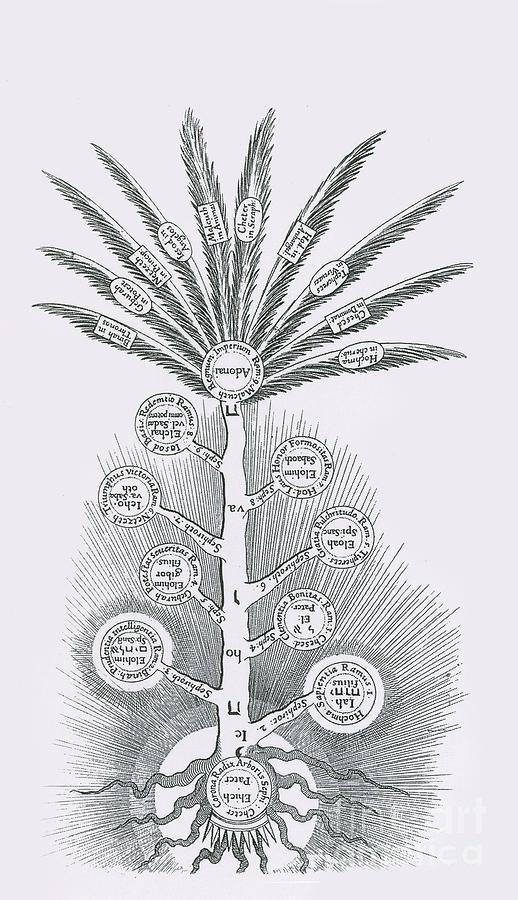
Discussion Questions:
- These texts seem to implicitly if not explicitly suggest that trees have spiritual significance equal to humans. What do you think?
- In fact, it even seems to suggest that trees are something we should try to emanate. A lot of this has foundation around the Tree of life, in kabbalah the Sephirot, from which we get all our characteristics. Does this emanate with you? Why/Why not?
(כג) וְהָאָ֗רֶץ לֹ֤א תִמָּכֵר֙ לִצְמִתֻ֔ת כִּי־לִ֖י הָאָ֑רֶץ כִּֽי־גֵרִ֧ים וְתוֹשָׁבִ֛ים אַתֶּ֖ם עִמָּדִֽי׃
(23) But the land must not be sold beyond reclaim, for the land is Mine; you are but strangers resident with Me.
(1) And the LORD spoke to Moses in mount Sinai, saying: (2) Speak to the children of Israel, and say to them: When you come into the land which I give you, then shall the land keep a sabbath for the LORD. (3) Six years shall you sow your field, and six years you shall prune your vineyard, and gather its produce. (4) But the seventh year shall be a sabbath of solemn rest for the land, a sabbath for the LORD; you shall not sow your field, nor prune your vineyard. (5) That which grows by itself from your harvest, you shalt not reap, and the grapes of your untended vine, you shall not gather [in quantity, as if to sell]; it shall be a year of solemn rest for the land. (6) And the sabbath-produce of the land shall be for food for you: for you, and for your servant and for your maid, and for your hired servant and for the traveler who sojourns with you; (7) and for your cattle, and for the wild beasts that are in your land, shall all the abundance be for food.
...I will make the land desolate, so that your enemies who settle in it shall be appalled by it. And you I will scatter among the nations, and I will unsheath the sword against you. Your land shall become a desolation and your cities a ruin. Then shall the land make up for its sabbath years throughout the time that it is desolate and you are in the land of your enemies; then shall the land rest and make up for its sabbath years. Throughout the time that it is desolate, it shall observe the rest that it did not observe in your sabbath years while you were dwelling upon it.
Discussion Questions:
- Reading the above texts, what would you say is the relationship between hashem, people, and nature if there even is any?