


(ה) כִּֽי־יֵשְׁב֨וּ אַחִ֜ים יַחְדָּ֗ו וּמֵ֨ת אַחַ֤ד מֵהֶם֙ וּבֵ֣ן אֵֽין־ל֔וֹ לֹֽא־תִהְיֶ֧ה אֵֽשֶׁת־הַמֵּ֛ת הַח֖וּצָה לְאִ֣ישׁ זָ֑ר יְבָמָהּ֙ יָבֹ֣א עָלֶ֔יהָ וּלְקָחָ֥הּ ל֛וֹ לְאִשָּׁ֖ה וְיִבְּמָֽהּ׃ (ו) וְהָיָ֗ה הַבְּכוֹר֙ אֲשֶׁ֣ר תֵּלֵ֔ד יָק֕וּם עַל־שֵׁ֥ם אָחִ֖יו הַמֵּ֑ת וְלֹֽא־יִמָּחֶ֥ה שְׁמ֖וֹ מִיִּשְׂרָאֵֽל׃ (ז) וְאִם־לֹ֤א יַחְפֹּץ֙ הָאִ֔ישׁ לָקַ֖חַת אֶת־יְבִמְתּ֑וֹ וְעָלְתָה֩ יְבִמְתּ֨וֹ הַשַּׁ֜עְרָה אֶל־הַזְּקֵנִ֗ים וְאָֽמְרָה֙ מֵאֵ֨ן יְבָמִ֜י לְהָקִ֨ים לְאָחִ֥יו שֵׁם֙ בְּיִשְׂרָאֵ֔ל לֹ֥א אָבָ֖ה יַבְּמִֽי׃ (ח) וְקָֽרְאוּ־ל֥וֹ זִקְנֵי־עִיר֖וֹ וְדִבְּר֣וּ אֵלָ֑יו וְעָמַ֣ד וְאָמַ֔ר לֹ֥א חָפַ֖צְתִּי לְקַחְתָּֽהּ׃ (ט) וְנִגְּשָׁ֨ה יְבִמְתּ֣וֹ אֵלָיו֮ לְעֵינֵ֣י הַזְּקֵנִים֒ וְחָלְצָ֤ה נַעֲלוֹ֙ מֵעַ֣ל רַגְל֔וֹ וְיָרְקָ֖ה בְּפָנָ֑יו וְעָֽנְתָה֙ וְאָ֣מְרָ֔ה כָּ֚כָה יֵעָשֶׂ֣ה לָאִ֔ישׁ אֲשֶׁ֥ר לֹא־יִבְנֶ֖ה אֶת־בֵּ֥ית אָחִֽיו׃ (י) וְנִקְרָ֥א שְׁמ֖וֹ בְּיִשְׂרָאֵ֑ל בֵּ֖ית חֲל֥וּץ הַנָּֽעַל׃ {ס}
והיה הבכור אשר תלד - יכול אם היה שמו יוסי, יקרא שמו יוסי, היה שמו יוחנן, יקרא שמו יוחנן? ת"ל "יקום על שם אחיו" - מכל מקום. אם כן, למה נאמר "והיה הבכור"? מלמד שמצוה על הגדול ליבם.
הלכה: מִצְוָה בַגָּדוֹל לְייַבֶּם וְאִם קָדַם הַקָּטָן זָכָה כול׳.
מִצְוָה בַגָּדוֹל לְייַבֶּם. שֶׁנֶּאֱמָר וְהָיָה הַבְּכוֹר אֲשֶׁר תֵּלֵד.
מַה אֲנָן קַייָמִין? אִם בְּנוֹלָד. יֹאמַר קִרְייָה "יָקוּם עַל שֵׁם אָבִיו הַמֵּת",
אֶלָּא עַד שֶׁיְּהֵא הַנּוֹלָד בְּכוֹר (?)
מֵעַתָּה אֲפִילוּ הָיוּ לוֹ בָנִים וּמֵתוּ וְאַחַר כָּךְ מֵת הוּא לֹא תִהְיֶה אִשְׁתּוֹ זְקוּקָה לְיִיבּוּם? וְיֹאמַר קִרְייָה "וּבָנִים לֹא הָיוּ לוֹ"?
אֶלָּא אִם אֵינוֹ עִנְייָן לַנּוֹלָד תְּנֵיהוּ עִנְייָן לַמְייַבֶּם - מִצְוָה בַגָּדוֹל לְייַבֶּם.
מהדורת ב"מ לוין, עמ' 69-70, נוסח "צרפתי"
ולפום האכי איתוספא הוראה דרא דבתר דארא עד ראבינא דאיפסקא כי דחזא שמואל ירחינאה בסיפרו דאדם הראשון אשי ורבינא סוף הוראה.
ובתר הכי אע"ג דודאי הוראה לא הוה איכא פירושי וסבארי קרובים להוראה. ואיקרו הני רבואתא רבנן סבוראי וכל מאי דהוה תלי וקאים פרשוה. כגון רב רחומי ורבה יוסי ורב אחא[י] מבי חתים דאמרינן ב"המביא" פריש וצקלג. ובי חתים היא עיר בסביבי נהרדעא.
מהדורת ב"מ לוין, עמ' 97-98, נוסח "צרפתי"
והוו רבנן רבנן סבוראי ורוביהון שכיבו בשנים מועטות דהכין פרישו ראשונים בספרי זכרונות דברי הימים. בשנת תתי"ה שכיב רבנא סמא בריה דרבנא יהודה בסיון ואמרין דדיינא דבבא הוה. ובחד בשבא דהוא ד' באדר בשנת תתי"ו שכיב רב אח[א]י בר רב הונא.
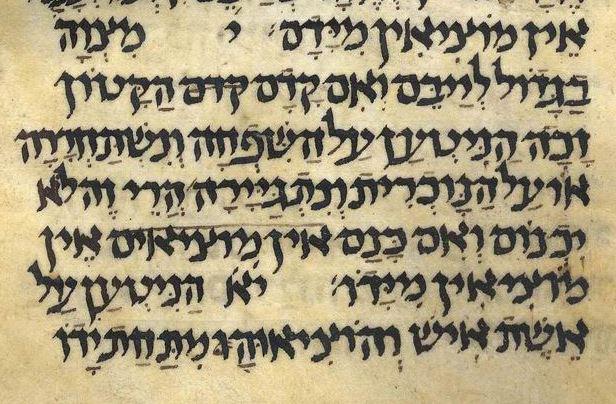
הנטען מאשת איש ונתגרשה ע"י אחר ה"ז לא יכנוס, ואם כנס לא יוציא.
הנטען מן האשה לא ישא אמה ובתה ואחותה, ואם כנס - לא יוציא.
גוי ועבד הבא על בת ישראל אע"פ שחזרו הגוי ונתגייר עבד ונשתחרר ה"ז לא יכנוס, ואם כנס לא יוציא.
ישראל הבא על השפחה ועל הנכרית אע"פ שחזרה שפחה ונשתחררה נכרית ונתגיירה ה"ז לא יכנוס, ואם כנס לא יוציא.
כל המתגייר משום אשה משום אהבה משום יראה - אין זה גר.
וכן היו ר׳ יהודה ור׳ נחמיה אומרים: כל אותם שנתגיירו בימי מרדכי ואסתר אינם גרים שנא׳ "ורבים מעמי הארץ מתיהדים כי נפל פחד היהודים עליהם" וכל שאינו מתגייר לשם שמים אינו גר.
ע"פ כ"י ליידן
המתגייר לשם אהבה וכן איש מפני אשה וכן אשה מפני איש וכן גירי שולחן מלכים וכן גירי אריות וכן גירי מרדכי ואסתר - אין מקבלין אותן.
רב אמר: הלכה - גרים הן ואין דוחין אותן כדרך שדוחין את הגרים תחילה, אבל מקבלין אותן וצריכין קירוב פנים שמא גיירו לשם.
ע"פ קטע הגניזה Cambridge T-S F17.2
רב אמר... וצריכין קירוב פעם שניה.
הַנִּטְעָן עַל אֵשֶׁת אִישׁ.
רַב אָמַר: בְּנִטְעָן בְּעֵדִים.
רִבִּי יוֹסֵי בָּעֵי: אִם בְּנִטְעָן בְּעֵדִים בְּהָא תַנֵּי "וְהוֹצִיאָהּ מִתַּחַת יָדוֹ, אַף עַל פִּי שֶׁכָּנַס יוֹצִיא" וּמִתַּחַת יְדֵי אַחֵר יְקַייֵם? אִם בְּנִטְעָן בְּעֵדִים אֲפִילוּ מִתַּחַת יְדֵי אַחֵר יוֹצִיא!
אֶלָּא כֵּן אֲנָן קַייָמִין: בְּנִטְעָן שֶׁלֹּא בְעֵדִים וְהוֹצִיאָהּ מִתַּחַת יְדֵי אַחֵר - יְקַייֵם.
(יד) אַל יַעֲלֶה עַל דַּעְתְּךָ שֶׁשִּׁמְשׁוֹן הַמּוֹשִׁיעַ אֶת יִשְׂרָאֵל אוֹ שְׁלֹמֹה מֶלֶךְ יִשְׂרָאֵל שֶׁנִּקְרָא יְדִיד ה' נָשְׂאוּ נָשִׁים נָכְרִיּוֹת בְּגֵיוּתָן. אֶלָּא סוֹד הַדָּבָר כָּךְ הוּא. שֶׁהַמִּצְוָה הַנְּכוֹנָה כְּשֶׁיָּבֹא הַגֵּר אוֹ הַגִּיֹּרֶת לְהִתְגַּיֵּר בּוֹדְקִין אַחֲרָיו שֶׁמָּא בִּגְלַל מָמוֹן שֶׁיִּטּל אוֹ בִּשְׁבִיל שְׂרָרָה שֶׁיִּזְכֶּה לָהּ אוֹ מִפְּנֵי הַפַּחַד בָּא לְהִכָּנֵס לַדָּת. וְאִם אִישׁ הוּא בּוֹדְקִין אַחֲרָיו שֶׁמָּא עֵינָיו נָתַן בְּאִשָּׁה יְהוּדִית. וְאִם אִשָּׁה הִיא בּוֹדְקִין שֶׁמָּא עֵינֶיהָ נָתְנָה בְּבָחוּר מִבַּחוּרֵי יִשְׂרָאֵל. אִם לֹא נִמְצָא לָהֶם עִלָּה מוֹדִיעִין אוֹתָן כֹּבֶד עֹל הַתּוֹרָה וְטֹרַח שֶׁיֵּשׁ בַּעֲשִׂיָּתָהּ עַל עַמֵּי הָאֲרָצוֹת כְּדֵי שֶׁיִּפְרשׁוּ. אִם קִבְּלוּ וְלֹא פֵּרְשׁוּ וְרָאוּ אוֹתָן שֶׁחָזְרוּ מֵאַהֲבָה מְקַבְּלִים אוֹתָן שֶׁנֶּאֱמַר (רות א יח) "וַתֵּרֶא כִּי מִתְאַמֶּצֶת הִיא לָלֶכֶת אִתָּהּ וַתֶּחְדַּל לְדַבֵּר אֵלֶיהָ":
(טו) לְפִיכָךְ לֹא קִבְּלוּ בֵּית דִּין גֵּרִים כָּל יְמֵי דָּוִד וּשְׁלֹמֹה. בִּימֵי דָּוִד שֶׁמָּא מִן הַפַּחַד חָזְרוּ. וּבִימֵי שְׁלֹמֹה שֶׁמָּא בִּשְׁבִיל הַמַּלְכוּת וְהַטּוֹבָה וְהַגְּדֻלָּה שֶׁהָיוּ בָּהּ יִשְׂרָאֵל חָזְרוּ. שֶׁכָּל הַחוֹזֵר מִן הָעַכּוּ''ם בִּשְׁבִיל דָּבָר מֵהַבְלֵי הָעוֹלָם אֵינוֹ מִגֵּרֵי הַצֶּדֶק. וְאַף עַל פִּי כֵן הָיוּ גֵּרִים הַרְבֵּה מִתְגַּיְּרִים בִּימֵי דָּוִד וּשְׁלֹמֹה בִּפְנֵי הֶדְיוֹטוֹת. וְהָיוּ בֵּית דִּין הַגָּדוֹל חוֹשְׁשִׁין לָהֶם לֹא דּוֹחִין אוֹתָן אַחַר שֶׁטָּבְלוּ מִכָּל מָקוֹם וְלֹא מְקָרְבִין אוֹתָן עַד שֶׁתֵּרָאֶה אַחֲרִיתָם:
(טז) וּלְפִי שֶׁגִּיֵּר שְׁלֹמֹה נָשִׁים וּנְשָׂאָן. וְכֵן שִׁמְשׁוֹן גִּיֵּר וְנָשָׂא. וְהַדָּבָר יָדוּעַ שֶׁלֹּא חָזְרוּ אֵלּוּ אֶלָּא בִּשְׁבִיל דָּבָר וְלֹא עַל פִּי בֵּית דִּין גִּיְּרוּם חֲשָׁבָן הַכָּתוּב כְּאִלּוּ הֵן עַכּוּ''ם וּבְאִסּוּרָן עוֹמְדִין. וְעוֹד שֶׁהוֹכִיחַ סוֹפָן עַל תְּחִלָּתָן שֶׁהֵן עוֹבְדוֹת כּוֹכָבִים וּמַזָּלוֹת שֶׁלָּהֶן וּבָנוּ לָהֶן בָּמוֹת וְהֶעֱלָה עָלָיו הַכָּתוּב כְּאִלּוּ הוּא בְּנָאָן שֶׁנֶּאֱמַר (מלכים א יא ז) "אָז יִבְנֶה שְׁלֹמֹה בָּמָה":
(יז) גֵּר שֶׁלֹּא בָּדְקוּ אַחֲרָיו אוֹ שֶׁלֹּא הוֹדִיעוּהוּ הַמִּצְוֹת וְעָנְשָׁן וּמָל וְטָבַל בִּפְנֵי שְׁלֹשָׁה הֶדְיוֹטוֹת הֲרֵי זֶה גֵּר. אֲפִלּוּ נוֹדַע שֶׁבִּשְׁבִיל דָּבָר הוּא מִתְגַּיֵּר הוֹאִיל וּמָל וְטָבַל יָצָא מִכְּלַל הָעַכּוּ''ם וְחוֹשְׁשִׁין לוֹ עַד שֶׁיִּתְבָּאֵר צִדְקוּתוֹ. וַאֲפִלּוּ חָזַר וְעָבַד עֲבוֹדָה זָרָה הֲרֵי הוּא כְּיִשְׂרָאֵל מוּמָר שֶׁקִּדּוּשָׁיו קִדּוּשִׁין. וּמִצְוָה לְהַחֲזִיר אֲבֵדָתוֹ מֵאַחַר שֶׁטָּבַל נַעֲשָׂה כְּיִשְׂרָאֵל. וּלְפִיכָךְ קִיְּמוּ שִׁמְשׁוֹן וּשְׁלֹמֹה נְשׁוֹתֵיהֶן וְאַף עַל פִּי שֶׁנִּגְלָה סוֹדָן:
(1) There are three ways in which someone enters the covenant: by circumcision, by immersion, and by a Temple offering.
(2) Circumcision as it was in Egypt, as it says, "Every uncircumcised person shall not eat of it (the Passover offering)." Moses our teacher circumcised them and everyone spurned the covenant in Egypt with the exception of the Tribe of Levi. On this it says, "Your covenant was withheld."
(3) Immersion was in the desert before receiving the Torah, as is said, "Sanctify yourselves today and tomorrow; wash your clothes." The offering, as is said, "Send the young ones of Israel to bring elevation offerings" - and everyone in Israel brought them.
(4) Throughout the generations, any non-Jew who wants to enter the covenant and come in under the 'wings of the Presence of God' accepts upon him or herself the yoke of Torah - he needs circumcision, immersion and a Temple offering. If female, she needs only immersion and an offering, as is said "As for you, so for the foreigner." That's to say, just as you (entered via) circumcision, immersion and an offering, so too the foreigner (shall enter via) circumcision, immersion and an offering.
(5) What's a convert's offering? An elevation offering or two doves or two turtledoves (and the two are considered an offering). At this time in history where there are no offerings, one needs (merely) circumcision and immersion. Once the Temple is built, one will bring an offering.
(6) A convert who was circumcised and has not immersed, or has immersed and not circumcised is not a convert until he is circumcised and immersed. And it is necessary to immerse before three (men). And since the matter requires a Beit Din (counsel) - no immersion is done on the Sabbath, nor Yom Tov (holiday) nor at night. And if he was immersed, he is a convert.
(7) A minor convert - is immersed upon the knowledge of Beit Din (counsel), because it is in his interest. A pregnant woman who converts and immerses - her child does not need immersion. If he immersed in front of only himself, and converted to himself, or even in front of two, he is not a convert. If he comes and say "I converted in the Beit Din of so and so and they immersed me" - he is not trusted to come into the community until he brings witnesses.
(8) If he married an Israelite woman or a convert and he has children, and he says “I converted myself”, he is trusted to disqualify himself, but not to disqualify his children. And he immerses again before a beit din.
1. "פריך רב אחא" - כתבי היד: פריך רב אחאי.
2. "אמר... משמיה דרב: הלכה כדברי האומר כולם גרים הם" - כתבי היד: אמר... משמיה דרב: הלכה כולם גרים הם".
3. "ומאי דוחקיה לאוקמיה למתניתין ביש לה בנים ויש לה עדים" - חסר ברוב כתבי היד.