


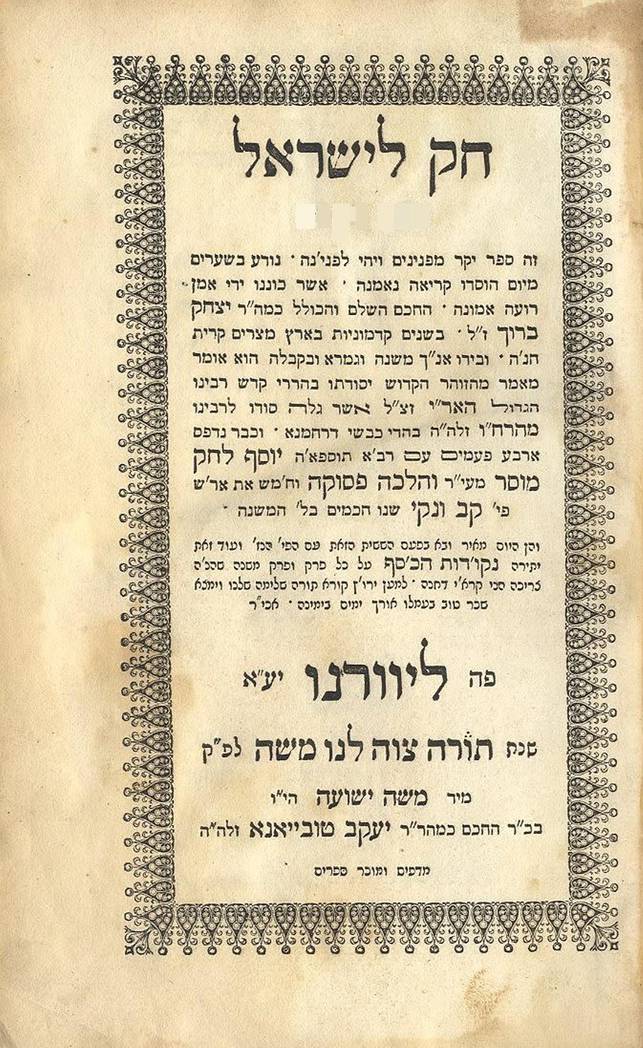
תורה
יכוין בקריאת ארבע פסוקים אלו שהם כנגד דֲ דמילוי יו''ד דשם ב''ן להשאיר בו הארה מתוספת הרוח משבת שעברה:
כב (ח) וַיֹּ֣אמֶר אֲלֵיהֶ֗ם לִ֤ינוּ פֹה֙ הַלַּ֔יְלָה וַהֲשִׁבֹתִ֤י אֶתְכֶם֙ דָּבָ֔ר כַּאֲשֶׁ֛ר יְדַבֵּ֥ר יְהֹוָ֖ה אֵלָ֑י וַיֵּשְׁב֥וּ שָׂרֵֽי־מוֹאָ֖ב עִם־בִּלְעָֽם׃
וַאֲמַר לְהוֹן בִּיתוּ הָכָא בְּלֵילְיָא וְאָתֵב יָתְכוֹן פִּתְגָּמָא כְּמָא דִּי מַלֵּיל יְיָ עִמִּי וְאוֹרִיכוּ רַבְרְבֵי מוֹאָב עִם בִּלְעָם:
(ט) וַיָּבֹ֥א אֱלֹהִ֖ים אֶל־בִּלְעָ֑ם וַיֹּ֕אמֶר מִ֛י הָאֲנָשִׁ֥ים הָאֵ֖לֶּה עִמָּֽךְ׃
וַאֲתָא מֵימַר מִן קֳדָם יְיָ לְוָת בִּלְעָם וַאֲמַר מָן גֻּבְרַיָּא הָאִלֵּין דְּעִמָּךְ:
(י) וַיֹּ֥אמֶר בִּלְעָ֖ם אֶל־הָאֱלֹהִ֑ים בָּלָ֧ק בֶּן־צִפֹּ֛ר מֶ֥לֶךְ מוֹאָ֖ב שָׁלַ֥ח אֵלָֽי׃
וַאֲמַר בִּלְעָם קֳדָם יְיָ בָּלָק בַּר צִפּוֹר מַלְכָּא דְמוֹאָב שְׁלַח לְוָתִי:
(יא) הִנֵּ֤ה הָעָם֙ הַיֹּצֵ֣א מִמִּצְרַ֔יִם וַיְכַ֖ס אֶת־עֵ֣ין הָאָ֑רֶץ עַתָּ֗ה לְכָ֤ה קָֽבָה־לִּי֙ אֹת֔וֹ אוּלַ֥י אוּכַ֛ל לְהִלָּ֥חֶם בּ֖וֹ וְגֵרַשְׁתִּֽיו׃
הָא עַמָּא דִּי נְפַק מִמִּצְרַיִם וַחֲפָא יָת עֵין שִׁמְשָׁא דְאַרְעָא כְּעַן אִיתָא לוֹט לִי יָתֵיהּ מָאִים אֵיכוּל לְאַגָּחָא בֵיהּ קְרָב וַאֲתָרֵכִנֵּיהּ:
22 (8) And he said to them, Lodge here this night, and I will bring you back word, as the Lord shall speak to me: and the princes of Mo᾽av abode with Bil῾am.
(9) And God came to Bil῾am, and said, What men are these with thee?
(10) And Bil῾am said to God, Balaq the son of Żippor, king of Mo᾽av, has sent to me, saying,
(11) Behold, the people that is come out of Miżrayim, covers the face of the earth: come now, curse me them; perhaps I shall be able to overcome them, and drive them out.
נביאים
ה (יב) וְהִכְרַתִּ֧י פְסִילֶ֛יךָ וּמַצֵּבוֹתֶ֖יךָ מִקִּרְבֶּ֑ךָ וְלֹא־תִשְׁתַּחֲוֶ֥ה ע֖וֹד לְמַעֲשֵׂ֥ה יָדֶֽיךָ׃
וֶאֱשֵׁיצֵי צַלְמֵי עַמְמַיָא וְקָמָתְהוֹן מִבֵּינָךְ וְלָא תִשְׁתַּעְבֵּיד עוֹד לְעוֹבָדֵי יְדָךְ:
(יג) וְנָתַשְׁתִּ֥י אֲשֵׁירֶ֖יךָ מִקִּרְבֶּ֑ךָ וְהִשְׁמַדְתִּ֖י עָרֶֽיךָ׃
וְאַעֲקַר שְׁתִילֵי עַמְמַיָא מִבֵּינָךְ וֶאֱשֵׁיצֵי בַּעֲלֵי דְבָבָךְ:
(יד) וְעָשִׂ֜יתִי בְּאַ֧ף וּבְחֵמָ֛ה נָקָ֖ם אֶת־הַגּוֹיִ֑ם אֲשֶׁ֖ר לֹ֥א שָׁמֵֽעוּ׃ {פ}
וְאַעְבֵּיד בִּרְגַז וּבְחֵימָא יַת פּוּרְעֲנוּת דִין מִן עַמְמַיָא דְלָא קַבִּילוּ אוּלְפַן אוֹרַיְתָא:
ו (א) שִׁמְעוּ־נָ֕א אֵ֥ת אֲשֶׁר־יְהֹוָ֖ה אֹמֵ֑ר ק֚וּם רִ֣יב אֶת־הֶהָרִ֔ים וְתִשְׁמַ֥עְנָה הַגְּבָע֖וֹת קוֹלֶֽךָ׃
שְׁמָעוּ כְעַן יַת דַייָ אֲמַר קוּם דוֹן עִם טוּרַיָא וְיִשְׁמַעַן רָמָתָא קָלָךְ:
5 (12) thy carved idols and thy pillars also will I cut off, out of the midst of thee; and thou shalt no more worship the work of thy hands.
(13) And I will pluck up thy Asherim out of the midst of thee: and I will destroy thy cities.
(14) And I will execute vengeance in anger and fury upon the nations, such as they have not heard.
6 (1) Hear now what the Lord says; Arise, contend before the mountains, and let the hills hear thy voice.
כתובים
מג (ה) מַה־תִּשְׁתּ֬וֹחֲחִ֨י ׀ נַפְשִׁי֮ וּֽמַה־תֶּהֱמִ֢י עָ֫לָ֥י הוֹחִ֣ילִי לֵ֭אלֹהִים כִּי־ע֣וֹד אוֹדֶ֑נּוּ יְשׁוּעֹ֥ת פָּ֝נַ֗י וֵאלֹהָֽי׃ {פ}
מַה תִּתְמַכְּכִין נַפְשִׁי וּמַה תִּרְגְשִׁי עֲלָי אוֹרִיכִי לֵאלָהָא אֲרוּם תּוּב אֲשַׁבְּחִנֵיהּ בְּפוּרְקָנֵיהּ דְמִן קָדָמוֹי דִי הוּא אֱלָהִי:
מד (א) לַמְנַצֵּ֬חַ ׀ לִבְנֵי־קֹ֬רַח מַשְׂכִּֽיל׃
לְשַׁבָּחָא לְדָוִד עַל יְדֵיהוֹן דִבְנֵי קֹרַח שִׂכְלָא טָבָא:
(ב) אֱלֹהִ֤ים ׀ בְּאׇזְנֵ֬ינוּ שָׁמַ֗עְנוּ אֲבוֹתֵ֥ינוּ סִפְּרוּ־לָ֑נוּ פֹּ֥עַל פָּעַ֥לְתָּ בִ֝ימֵיהֶ֗ם בִּ֣ימֵי קֶֽדֶם׃
יְיָ בְּאוּדְנָנָא שְׁמַעְנָא אֲבָהָתָנָא אִשְׁתַּעָיוּ לָנָא עוֹבָדָא דַעֲבַדְתָּא בִימֵיהוֹן בְּיוֹמַיָא דִי מִלְקַדְמִין:
(ג) אַתָּ֤ה ׀ יָדְךָ֡ גּוֹיִ֣ם ה֭וֹרַשְׁתָּ וַתִּטָּעֵ֑ם תָּרַ֥ע לְ֝אֻמִּ֗ים וַֽתְּשַׁלְּחֵֽם׃
אַנְתְּ בִּידָא דִגְבוּרְתָּךְ עַמַיָא כְּנַעֲנָאֵי תָרֵכְתָּא וּנְצַבְתִּנוּן לְבֵית יִשְׂרָאֵל בְּאַרְעֲהוֹן תַּבַּרְתָּ עַמַיָא וּפְסַדְתִּנוּן:
43 (5) Why art thou cast down, O my soul? and why dost thou moan within me? hope in God: for I shall yet praise him, who is the health of my countenance, and my God.
44 (1) To the chief Musician for the sons of Qoraĥ, A Maskil.
(2) We have heard with our ears, O God; our fathers have told us, what work Thou didst in their days, in the times of old:
(3) how Thou didst drive out nations with Thy hand, and didst plant them; how Thou didst batter the peoples, and cast them out.
משנה
א. אֵלּוּ דְבָרִים בַּפֶּסַח דּוֹחִין אֶת הַשַּׁבָּת, שְׁחִיטָתוֹ וּזְרִיקַת דָּמוֹ וּמִחוּי קְרָבָיו וְהֶקְטֵר חֲלָבָיו. אֲבָל צְלִיָּתוֹ וַהֲדָחַת קְרָבָיו אֵינָן דּוֹחִין אֶת הַשַּׁבָּת. הַרְכָּבָתוֹ וַהֲבָאָתוֹ מִחוּץ לַתְּחוּם, וַחֲתִיכַת יַבַּלְתּוֹ, אֵין דּוֹחִין אֶת הַשַּׁבָּת. רַבִּי אֱלִיעֶזֶר אוֹמֵר, דּוֹחִין:
ב. אָמַר רַבִּי אֱלִיעֶזֶר, וַהֲלֹא דִין הוּא, מָה אִם שְׁחִיטָה שֶׁהִיא מִשּׁוּם מְלָאכָה דּוֹחָה אֶת הַשַּׁבָּת, אֵלּוּ שֶׁהֵן מִשּׁוּם שְׁבוּת לֹא יִדְחוּ אֶת הַשַּׁבָּת. אָמַר לוֹ רַבִּי יְהוֹשֻׁעַ, יוֹם טוֹב יוֹכִיחַ, שֶׁהִתִּירוּ בוֹ מִשּׁוּם מְלָאכָה, וְאָסוּר בּוֹ מִשּׁוּם שְׁבוּת. אָמַר לוֹ רַבִּי אֱלִיעֶזֶר, מַה זֶּה, יְהוֹשֻׁעַ, מָה רְאָיָה רְשׁוּת לְמִצְוָה. הֵשִׁיב רַבִּי עֲקִיבָא וְאָמַר, הַזָּאָה תוֹכִיחַ, שֶׁהִיא מִצְוָה וְהִיא מִשּׁוּם שְׁבוּת וְאֵינָהּ דּוֹחָה אֶת הַשַּׁבָּת, אַף אַתָּה אַל תִּתְמַהּ עַל אֵלּוּ, שֶׁאַף עַל פִּי שֶׁהֵן מִצְוָה וְהֵן מִשּׁוּם שְׁבוּת, לֹא יִדְחוּ אֶת הַשַּׁבָּת. אָמַר לוֹ רַבִּי אֱלִיעֶזֶר, וְעָלֶיהָ אֲנִי דָן, וּמָה אִם שְׁחִיטָה שֶׁהִיא מִשּׁוּם מְלָאכָה, דּוֹחָה אֶת הַשַּׁבָּת, הַזָּאָה שֶׁהִיא מִשּׁוּם שְׁבוּת, אֵינוֹ דִּין שֶׁדּוֹחָה אֶת הַשַּׁבָּת. אָמַר לוֹ רַבִּי עֲקִיבָא, אוֹ חִלּוּף, מָה אִם הַזָּאָה שֶׁהִיא מִשּׁוּם שְׁבוּת, אֵינָהּ דּוֹחָה אֶת הַשַּׁבָּת, שְׁחִיטָה שֶׁהִיא מִשּׁוּם מְלָאכָה, אֵינוֹ דִין שֶׁלֹּא תִדְחֶה אֶת הַשַּׁבָּת. אָמַר לוֹ רַבִּי אֱלִיעֶזֶר, עֲקִיבָא, עָקַרְתָּ מַה שֶּׁכָּתוּב בַּתּוֹרָה, בֵּין הָעַרְבַּיִם בְּמֹעֲדוֹ (במדבר ט), בֵּין בְּחֹל בֵּין בְּשַׁבָּת. אָמַר לוֹ, רַבִּי, הָבֵא לִי מוֹעֵד לָאֵלּוּ כַּמּוֹעֵד לַשְּׁחִיטָה. כְּלָל אָמַר רַבִּי עֲקִיבָא, כָּל מְלָאכָה שֶׁאֶפְשָׁר לַעֲשׂוֹתָהּ מֵעֶרֶב שַׁבָּת, אֵינָהּ דּוֹחָה אֶת הַשַּׁבָּת. שְׁחִיטָה שֶׁאִי אֶפְשָׁר לַעֲשׂוֹתָהּ מֵעֶרֶב שַׁבָּת, דּוֹחָה אֶת הַשַּׁבָּת:
ג. אֵימָתַי מֵבִיא חֲגִיגָה עִמּוֹ, בִּזְמַן שֶׁהוּא בָא בְּחֹל, בְּטָהֳרָה וּבְמֻעָט. וּבִזְמַן שֶׁהוּא בָא בְּשַׁבָּת, בִּמְרֻבֶּה וּבְטֻמְאָה, אֵין מְבִיאִין עִמּוֹ חֲגִיגָה:
ד. חֲגִיגָה הָיְתָה בָאָה מִן הַצֹּאן, מִן הַבָּקָר, מִן הַכְּבָשִׂים וּמִן הָעִזִּים, מִן הַזְּכָרִים וּמִן הַנְּקֵבוֹת. וְנֶאֱכֶלֶת לִשְׁנֵי יָמִים וְלַיְלָה אֶחָד:
ה. הַפֶּסַח שֶׁשְּׁחָטוֹ שֶׁלֹּא לִשְׁמוֹ בְשַׁבָּת, חַיָּב עָלָיו חַטָּאת. וּשְׁאָר כָּל הַזְּבָחִים שֶׁשְּׁחָטָן לְשׁוּם פֶּסַח, אִם אֵינָן רְאוּיִין, חַיָּב. וְאִם רְאוּיִין הֵן, רַבִּי אֱלִיעֶזֶר מְחַיֵּב חַטָּאת, וְרַבִּי יְהוֹשֻׁעַ פּוֹטֵר. אָמַר רַבִּי אֱלִיעֶזֶר, מָה אִם הַפֶּסַח שֶׁהוּא מֻתָּר לִשְׁמוֹ, כְּשֶׁשִּׁנָּה אֶת שְׁמוֹ, חַיָּב, זְבָחִים שֶׁהֵן אֲסוּרִין לִשְׁמָן, כְּשֶׁשִּׁנָּה אֶת שְׁמָן, אֵינוֹ דִין שֶׁיְּהֵא חַיָּב. אָמַר לוֹ רַבִּי יְהוֹשֻׁעַ, לֹא, אִם אָמַרְתָּ בַּפֶּסַח, שֶׁשִּׁנָּהוּ לְדָבָר אָסוּר, תֹּאמַר בַּזְּבָחִים, שֶׁשִּׁנָּן לְדָבָר הַמֻּתָּר. אָמַר לוֹ רַבִּי אֱלִיעֶזֶר, אֵמוּרֵי צִבּוּר יוֹכִיחוּ, שֶׁהֵן מֻתָּרִין לִשְׁמָן, וְהַשּׁוֹחֵט לִשְׁמָן, חַיָּב. אָמַר לוֹ רַבִּי יְהוֹשֻׁעַ, לֹא, אִם אָמַרְתָּ בְאֵמוּרֵי צִבּוּר שֶׁיֵּשׁ לָהֶן קִצְבָּה, תֹּאמַר בַּפֶּסַח שֶׁאֵין לוֹ קִצְבָּה. רַבִּי מֵאִיר אוֹמֵר, אַף הַשּׁוֹחֵט לְשֵׁם אֵמוּרֵי צִבּוּר, פָּטוּר:
ו. שְׁחָטוֹ שֶׁלֹּא לְאוֹכְלָיו וְשֶׁלֹּא לִמְנוּיָיו, לַעֲרֵלִין וְלִטְמֵאִין, חַיָּב. לְאוֹכְלָיו וְשֶׁלֹּא לְאוֹכְלָיו, לִמְנוּיָיו וְשֶׁלֹּא לִמְנוּיָיו, לְמוּלִין וְלַעֲרֵלִין, לִטְהוֹרִים וְלִטְמֵאִים, פָּטוּר. שְׁחָטוֹ וְנִמְצָא בַעַל מוּם, חַיָּב. שְׁחָטוֹ וְנִמְצָא טְרֵפָה בַסֵּתֶר, פָּטוּר. שְׁחָטוֹ וְנוֹדַע שֶׁמָּשְׁכוּ הַבְּעָלִים אֶת יָדָם, אוֹ שֶׁמֵּתוּ אוֹ שֶׁנִּטְמְאוּ, פָּטוּר, מִפְּנֵי שֶׁשָּׁחַט בִּרְשׁוּת:
1. These are the matters related to the Paschal lamb that override Shabbat, when the eve of Passover occurs on Shabbat: Its slaughter, the sprinkling of its blood, the cleaning of its intestines and the burning of its fats on the altar, all of which are services that must be performed on Passover eve while it is still day. However, its roasting and the washing of its intestines, which need not be done by day, do not override Shabbat; rather, one waits until after Shabbat to perform these tasks. Carrying the Paschal lamb through a public domain does not override Shabbat. The Paschal offering consisted of either a lamb or a goat, sometimes quite young and unable to walk the entire way, so that it had to be carried on a person’s shoulders. Similarly, bringing it from outside the Shabbat limit and cutting off its wart do not override Shabbat, as all these tasks could have been performed before Shabbat. A wart is considered a blemish that disqualifies the animal from being brought as an offering, but once the wart is removed, the animal is fit to be sacrificed on the altar. Rabbi Eliezer says: All of these procedures override Shabbat.
2. Rabbi Eliezer said: Could this not be derived through an a fortiori inference? If slaughter, which is ordinarily forbidden on Shabbat as a biblically prohibited labor, nonetheless overrides Shabbat when performed for the sake of the Paschal lamb, then these activities, namely carrying the animal, bringing it from outside the Shabbat limit, and the like, which are prohibited due to rabbinic decree, should they not override Shabbat? Rabbi Yehoshua said to him: The law governing a Festival proves otherwise, for the Torah permitted on it acts that are normally prohibited as labor, such as slaughtering, cooking, and baking, and yet it is forbidden to do on it acts that are prohibited due to rabbinic decree. Thus, we cannot derive policy with regard to rabbinic prohibitions from the rules that govern Torah laws. Rabbi Eliezer said to him: What is this, Yehoshua? How can you suggest such a weak proof? What proof can be deduced from optional activities that would apply to a mitzva? How does the fact that rabbinic decrees remain in effect on a Festival with respect to optional activities prove that one is also forbidden to transgress a rabbinic decree in order to fulfill the mitzva of offering the Paschal lamb? Rabbi Akiva responded and said in defense of Rabbi Yehoshua’s opinion: Sprinkling the purifying water of a red heifer upon someone who had contracted ritual impurity through contact with a corpse proves the matter, for it is done for the sake of a mitzva, in order to allow the person to offer the Paschal lamb, and it is prohibited only due to rabbinic decree, and nonetheless it does not override Shabbat, for the purification rite is not performed on the eve of Passover that falls on Shabbat. So, too, you should not be surprised about these activities, namely carrying the animal, bringing it from outside the Shabbat limit, and cutting off its wart, that although they are performed for the sake of a mitzva and they are prohibited only due to rabbinic decree, they do not override Shabbat. Rabbi Eliezer said to him: I do not accept this proof. With regard to this sprinkling itself, I infer that it, too, is permitted for the same reason: If slaughter, which is a biblically prohibited labor, overrides Shabbat, is it not right that sprinkling the purifying water of a red heifer, which is prohibited only due to rabbinic decree, should override Shabbat? You cannot challenge me based on a premise with which I disagree. Rabbi Akiva said to Rabbi Eliezer: Or perhaps we can reverse the order of your argument and say the opposite: If, as we know by accepted tradition, sprinkling the purifying water on Shabbat, which is prohibited only due to rabbinic decree, does not override Shabbat, then with regard to slaughter, which is prohibited as a biblically prohibited labor, is it not right that it should not override Shabbat? Therefore, it should be prohibited to slaughter the Paschal lamb when the eve of Passover occurs on Shabbat. Rabbi Eliezer said to him: Akiva, how can you say this? You have thus uprooted what is written in the Torah: “Let the children of Israel offer the Paschal lamb in its appointed time” (Numbers 9:2); the phrase “at its appointed time” indicates that the offering must be brought on that day, whether it is a weekday or Shabbat. Rabbi Akiva said to Rabbi Eliezer: My teacher, bring me an appointed time stated in the Torah for these tasks, namely, carrying the animal or bringing it from outside the Shabbat limits, like the appointed time stated with respect to slaughter. The Paschal lamb must be slaughtered on the fourteenth of Nisan, but there is no fixed time when the animal must be brought to the Temple, and it is therefore possible to transport it before Shabbat. Rabbi Akiva stated a principle: Any prohibited labor required for the offering of the sacrifice that can be performed on the eve of Shabbat does not override Shabbat; slaughter, which cannot be performed on the eve of Shabbat, overrides Shabbat.
3. When does one bring a Festival peace-offering with the Paschal lamb? A special offering is brought on the fourteenth of Nisan together with the Paschal lamb when the Paschal lamb comes on a weekday rather than on Shabbat, and when it comes in a state of ritual purity as opposed to when it is brought in a state of impurity because most of the community is impure, and when many people are registered for the Paschal lamb so that each person will receive only a small portion from it. When these three conditions are met, the Festival peace-offering is eaten first and the Paschal lamb is eaten afterward. When, however, the Paschal lamb comes on Shabbat, or when few people are registered for it so that each person will receive a large portion, or when it is brought in a state of ritual impurity, one does not bring a Festival peace-offering with it.
4. With regard to the extra offering itself, the Festival peace-offering would come from the flock, from the herd, from sheep or from goats, from males or from females, as the Festival peace-offering is not bound by the limitations governing the Paschal offering, which must be specifically a young male sheep or goat. And the Festival peace-offering is eaten for two days and one night like other peace-offerings.
5. A Paschal lamb that one slaughtered for a different purpose on Shabbat, not knowing that it is prohibited for him to do so, is disqualified, and he is liable to bring a sin-offering for it because he unwittingly performed a prohibited labor on Shabbat. As for all other offerings, such as a peace-offering, that one unwittingly slaughtered on Shabbat for the purpose of a Paschal offering, if they were not fit for the Paschal offering, e.g., if they were female or cattle or more than a year old and clearly ineligible for the Paschal offering, he is liable to bring a sin-offering. Because he did not fulfill the mitzva to bring a Paschal offering, his act of slaughter was therefore unnecessary. And if they were fit, Rabbi Eliezer nevertheless deems him liable to bring a sin-offering for his unwitting transgression. But Rabbi Yehoshua exempts him, because he maintains that if someone intended to perform a mitzva, and despite his error he in fact performed a mitzva, he is not liable to bring a sin-offering. And in this case he performed a mitzva, because offerings that are sacrificed for a different purpose are still fit. Rabbi Eliezer said to Rabbi Yehoshua: If, with regard to the Paschal lamb, which is permitted to be slaughtered on Shabbat for its own purpose, when one changed its purpose he is nevertheless liable, then, with regard to other offerings that are forbidden to be slaughtered on Shabbat even for their own purpose, when one changed their purpose, is it not right that he should be liable? Rabbi Yehoshua said to him: No, this reasoning is faulty. If you say that one is liable to bring a sin-offering if he slaughtered a Paschal lamb for a different purpose, it is because he changed its purpose for something forbidden, as the offering he intended it to be may not be slaughtered on Shabbat. But can you necessarily say the same thing about other offerings that he slaughtered for the purpose of a Paschal offering and thus changed their purpose for something that is permitted to be sacrificed on Shabbat? Rabbi Eliezer said to Rabbi Yehoshua: Let the communal offerings, such as the daily offering and the additional-offerings of Shabbat and the Festivals, prove the matter, for they are permitted to be slaughtered on Shabbat for their own purpose, and nevertheless, one who unnecessarily slaughters a different offering for their purpose is liable.This indicates that even when a particular offering may be slaughtered, one is nevertheless liable if he slaughtered a different offering for the purpose of the permitted offering. Rabbi Yehoshua said to him: No, if you say this halakha with regard to communal offerings, it is because they have a limit, as there is a specific number of communal offerings that must be offered on any particular day and there is no reason one would mistakenly sacrifice extra offerings for this purpose. But can you necessarily say the same thing about the Paschal lamb, which does not have a limit, making it more likely for someone to make a mistake? Rabbi Meir says: According to Rabbi Yehoshua, even one who unwittingly slaughters other offerings for the purpose of communal offerings beyond their daily limit is exempt for the same reason, i.e., that he intended to fulfill a mitzva that is permitted on Shabbat.
6. The mishna continues with another halakha with regard to the Paschal lamb: If one slaughtered a Paschal lamb on Shabbat and mistakenly intended it for those who cannot eat it, such as sick or elderly people who are unable to eat the meat, or for those who did not register for it, or for the sake of the uncircumcised or for those ritually impure, the offering is disqualified and he is liable to bring a sin-offering for his unnecessary act of slaughter. If, however, he slaughtered it for those who can eat it and for those who cannot eat it, or for those who registered for it and for those who did not register for it, or for the circumcised and for those who are uncircumcised, or for those who are ritually impure and those who are ritually pure, he is exempt. Since a Paschal lamb slaughtered with dual intentions of these types is valid, the act of slaughter was justified. If he slaughtered it and it was found to have a blemish, the offering is disqualified, and he is liable to bring a sin-offering for having unwittingly performed a prohibited labor on Shabbat, as he should have examined the animal before it was slaughtered. If he slaughtered it and it was found to have a hidden condition that would cause it to die within twelve months [tereifa] and that could not have been discovered before the slaughter even if it were examined properly, the offering is disqualified, but he is exempt from bringing a sin-offering. This is not a case of shogeg, unwitting violation of Shabbat, but rather of ones, an unavoidable accident. If he slaughtered it and afterward it became known that the owners had withdrawn from it and registered for a different Paschal lamb, in which case this one was slaughtered unnecessarily, as no one was registered for it, or it became known that they had died or became ritually impure, in all these cases he is exempt from bringing a sin-offering, because he slaughtered with permission. At the time of the slaughter, he did not know and had no reason to suspect that the offering would be disqualified.
גמרא
אָמַר רִבִּי אֱלִיעֶזֶר וּמַה אִם שְׁחִיטָה וְכוּלֵי רִבִּי יְהוֹשֻׁעַ לְטַעְמֵיהּ דְּאָמַר שִׂמְחַת יוֹם טוֹב נָמֵי מִצְוָה הִיא. דְּתַנְיָא רִבִּי אֱלִיעֶזֶר אוֹמֵר אֵין לוֹ לְאָדָם בְּיוֹם טוֹב אֶלָּא אוֹ אוֹכֵל וְשׁוֹתֶה אוֹ יוֹשֵׁב וְשׁוֹנֶה. רִבִּי יְהוֹשֻׁעַ אוֹמֵר חָלְקֵהוּ חֶצְיוֹ לַאֲכִילָה וּשְׁתִיָה וְחֶצְיוֹ לְבֵית הַמִּדְרָשׁ. וְאָמַר רִבִּי יוֹחָנָן וּשְׁנֵיהֶם מִקְרָא אֶחָד דָּרְשׁוּ כָּתוּב אֶחָד אוֹמֵר (דברים יז) עֲצֶרֶת לַה' אֱלֹהֶיךָ וְכָתוּב אֶחָד אוֹמֵר (במדבר כט) עֲצֶרֶת תִּהְיֶה לָכֶם. רִבִּי אֱלִיעֶזֶר סָבַר אוֹ כֻּלּוֹ לַה' אוֹ כֻּלּוֹ לָכֶם. וְרִבִּי יְהוֹשֻׁעַ סָבַר חָלְקֵהוּ. חֶצְיוֹ לַה' וְחֶצְיוֹ לָכֶם. אָמַר רִבִּי אֱלְעָזָר הַכֹּל מוֹדִים בַּעֲצֶרֶת. דְּבַּעֵינָן נָמֵי לָכֶם. מָאי טַעְמָא יוֹם שֶׁנִּתְּנָה בוֹ תוֹרָה הוּא. אָמַר רַבָּה הַכֹּל מוֹדִים בְּשַׁבָּת דְּבַעֵינָן נָמֵי לָכֶם. מָאי טַעְמָא (ישעי' נח) וְקָרָאתָ לַשַּׁבָּת עוֹנֶג. אָמַר רַב יוֹסֵף הַכֹּל מוֹדִים בְּפוּרִים דְבַעֵינָן נָמֵי לָכֶם מָאי טַעְמָא יְמֵי מִשְׁתֶּה וְשִׂמְחָה כְּתִיב בֵּיהּ. מָר בְּרֵיהּ דְּרָבִינָא כֻּלֵּיהּ שַׁתָּא הֲוָה יָתִיב בְּתַעֲנִיתָא לְבַר מֵעֲצַרְתָּא וּפוּרְיָא וּמַעֲלֵי יוֹמָא דְכִפּוּרֵי. עֲצֶרֶת יוֹם שֶׁנִתְּנָה בוֹ תוֹרָה. פּוּרְיָא (אסתר ט) יְמֵי מִשְׁתֶּה וְשִׂמְחָה כְתִיב. מַעֲלֵי יוֹמָא דְכִפּוּרֵי דְּתָנָא חִיָּיא בַר רַב מִדִּפְתִּי (ויקרא כג) וְעִנִּיתֶם אֶת נַפְשׁוֹתֵיכֶם בְּתִשְׁעָה לַחֹדֶשׁ וְכִי בְּתִשְׁעָה הֵם מִתְעַנִּין וַהֲלֹא בַעֲשִׂירִי מִתְעַנִּין אֶלָּא לוֹמַר לָךְ כָּל הָאוֹכֵל וְשׁוֹתֶה בְּתִשְׁעָה בוֹ מַעֲלֶה עָלָיו הַכָּתוּב כְּאִילוּ מִתְעַנֶּה תְּשִׁיעִי וַעֲשִׂירִי. רַב יוֹסֵף בְּיוֹמָא דַעֲצַרְתָּא עַבְדֵי לֵיהּ עֶגְלָא תִלְתָא. אָמַר אִי לָאו הָאי יוֹמָא דְקָא גָרִים כַּמָּה יוֹסֵף אִיכָּא בְשׁוּקָא. רַב שֵׁשַׁת כָּל תְּלָתִין יוֹמִין מְהַדֵּר לֵיהּ תַּלְמוּדֵיהּ וְתָלִי וְקָאִי בְּעִיבְרָא דְדַשָּׁא וְאָמַר חַדָאי נַפְשָׁאִי. חַדָאי נַפְשָׁאִי. לָךְ קָרָאי. לָךְ תָּנָאי. אֵינִי וְהָא אָמַר רִבִּי אֱלְעָזָר אִלְמָלֵא תוֹרָה לֹא נִתְקַיְּימוּ שָׁמַיִם וָאָרֶץ שֶׁנֶּאֱמַר (ירמי' לג) אִם לֹא בְרִיתִי יוֹמָם וָלַיְלָה חֻקּוֹת שָׁמַיִם וָאָרֶץ לֹא שָׂמְתִּי מְעִיקָרָא כִּי עָבִיד אֵינִישׁ אַדַעְתָּא דְנַפְשֵׁיהּ קָא עָבִיד. אָמַר רַב אָשֵׁי וּלְמָאי דְקָאמַר רִבִּי אֱלִיעֶזֶר נָמֵי יוֹם טוֹב רְשׁוּת אִית לֵיה פִירְכָא וּמַה יוֹם טוֹב שֶׁהִתִּיר בּוֹ מְלָאכָה שֶׁל רְשׁוּת לֹא הִתִּיר שְׁבוּת שֶׁעִמָּהּ שַׁבָּת שֶׁלֹּא הִתִּיר בָּהּ אֶלָּא מְלָאכָה שֶׁל מִצְוָה אֵינוֹ דִין שֶׁלֹּא תַתִּיר שְׁבוּת שֶׁעִמָּהּ. וְרִבִּי אֱלִיעֶזֶר שְׁבוּת דְּמִצְוָה עָדִיף לֵיהּ:
We learned in the mishna that Rabbi Eliezer said that if slaughter, which is ordinarily forbidden on Shabbat as a biblically prohibited labor, nevertheless overrides Shabbat when performed for the sake of the Paschal lamb, then activities that are prohibited by rabbinic decree should certainly override Shabbat when performed for that purpose. Rabbi Yehoshua disagreed, arguing that the law governing a Festival proves otherwise. Rabbi Eliezer countered that the law governing an optional activity, such as preparing food on a Festival, cannot be brought as proof with regard to the mitzva of offering the Paschal lamb. The Gemara notes that Rabbi Yehoshua follows his regular line of reasoning, for he said that rejoicing on a Festival is also a mitzva, and therefore whatever one does in order to enhance one’s enjoyment of the Festival is considered an act performed for the sake of a mitzva, just like the offering of a sacrifice.
For it was taught in a baraita that these two tanna’im disagreed about this matter: Rabbi Eliezer says: A person has nothing but to choose on a Festival; he either eats and drinks or sits and learns the entire day, but there is no specific mitzva to eat on the Festival. Rabbi Yehoshua, on the other hand, says: Divide the day, half of it for eating and drinking and half of it for the study hall, for he holds that eating and drinking are obligatory on the Festival.
And Rabbi Yoḥanan said: And both of them derived their opinions from one verse, i.e., the two of them addressed the same textual difficulty, resolving it in different ways. For one verse says: “It shall be an assembly for the Lord your God; you shall do no labor” (Deuteronomy 16:8), which indicates that the day is set aside for Divine service, and another verse says: “It shall be an assembly for you; you shall do no servile labor” (Numbers 29:35), which indicates a celebratory assembly for the Jewish people. Rabbi Eliezer holds that the two verses should be understood as offering a choice: The day is to be either entirely for God or entirely for you. And Rabbi Yehoshua holds that it is possible to fulfill both verses: Split the day into two, half of it for God and half of it for you.
Ayin, beit, mem is a mnemonic consisting of the first letter of Atzeret, the middle letter of Shabbat and the final letter of Purim. Rabbi Elazar said: All agree with regard to Atzeret, the holiday of Shavuot, that we require that it be also “for you,” meaning that it is a mitzva to eat, drink, and rejoice on that day. What is the reason? It is the day on which the Torah was given, and one must celebrate the fact that the Torah was given to the Jewish people. Rabba said: All agree with regard to Shabbat that we require that it be also “for you.” What is the reason? Because the verse states: “If you proclaim Shabbat a delight, the sacred day of God honored” (Isaiah 58:13). Rav Yosef said: All agree with regard to Purim that we require that it be also “for you.” What is the reason? Because it is written: “To observe them as days of feasting and gladness” (Esther 9:22).
The Gemara relates: Mar, son of Ravina, would spend the entire year fasting during the day and eating only sparsely at night, except for Shavuot, Purim, and the eve of Yom Kippur. He made these exceptions for the following reasons: Shavuot because it is the day on which the Torah was given and there is a mitzva to demonstrate one’s joy on that day; Purim because “days of feasting and gladness” is written about it; the eve of Yom Kippur, as Ḥiyya bar Rav of Difti taught: “And you shall afflict your souls on the ninth day of the month in the evening, from evening to evening you shall keep your Sabbath” (Leviticus 23:32). But does one fast on the ninth of Tishrei? Doesn’t one fast on the tenth of Tishrei? Rather, this comes to tell you: One who eats and drinks on the ninth, the verse ascribes him credit as if he fasted on both the ninth and the tenth of Tishrei.
The Gemara relates that Rav Yosef, on the day of Shavuot, would say: Prepare me a choice third-born calf. He said: If not for this day on which the Torah was given that caused the Jewish people to have the Torah, how many Yosefs would there be in the market? It is only due to the importance of Torah study that I have become a leader of the Jewish people, and I therefore have a special obligation to rejoice on this day.
A somewhat similar story is told about Rav Sheshet, that every thirty days he would review his studies that he had learned over the previous month, and he would stand and lean against the bolt of the door and say: Rejoice my soul, rejoice my soul, for you I have read Scripture, for you I have studied Mishna. The Gemara asks: Is that so, that Torah study is beneficial only for the soul of the person who has studied? But didn’t Rabbi Elazar say: If not for the Torah and its study, heaven and earth would not be sustained, as it is stated: “If not for My covenant by day and by night, I would not have set up the laws of heaven and earth” (Jeremiah 33:25). It is the Torah, the eternal covenant that is studied day and night, that justifies the continued existence of the world. The Gemara answers: This is indeed correct, but at the outset when a person does this mitzva, he does it for himself, and only afterward does he have in mind the benefit that will be brought to the entire world.
Rav Ashi said: And even according to what Rabbi Eliezer said, that rejoicing on a Festival is optional, there is a refutation: If on a Festival, when a biblically prohibited labor, such as slaughtering, baking, or cooking, is permitted even when it is performed for an optional activity, nonetheless a rabbinic decree that is with it is not permitted, and we do not say that since they permitted an optional activity they permitted everything associated with it; how much more so on Shabbat, when a biblically prohibited labor is only permitted when it is performed for a mitzva, isn’t it right not to permit a rabbinic decree that is with it? Activities that are forbidden due to a rabbinic decree should thus be prohibited on Shabbat even for the purpose of a mitzva, against the opinion of Rabbi Eliezer.
And Rabbi Eliezer rejects this refutation because, in his opinion, permitting a rabbinic decree for the sake of a mitzva is preferable. We cannot derive through an a fortiori inference that since rabbinic decrees were not permitted for optional activities associated with rejoicing on festivals, they must not be permitted for the purpose of a mitzva on Shabbat. This is because it is possible that they permitted rabbinic decrees for mitzva purposes due to the importance of the mitzva.
זוהר
אָמַר רִבִּי אֶלְעָזָר אֲרִימִית יְדִי בְצַלוּ לְקָמֵי מַלְכָּא קַדִּישָׁא דְהָא תָנֵינָן אָסִיר לֵיהּ לְבַר נָשׁ לְאָרָמָא יְדוֹי לְעֵילָא בַר בְּצַלוּ וּבְבִרְכָאן וְתַחֲנוּנִים לְמָרֵיהּ דִכְתִּיב (בראשית י''ד) הֲרִימוֹתִי יָדִי אֶל יְיָ אֵל עֶלְיוֹן וּמִתַּרְגְּמִינָן אֲרִימִית יְדַי בְּצַלוּ דְהָא אֶצְבְּעָאן דִּידִין מִלִין עִלָאִין אִית בְּהוּ. וְהַשְׁתָּא אֲנָא הָכִי עֲבִידְנָא וַאֲמֵינָא דְכָל מָאן דְּאִלֵין אַרְבָּע יִסְדַּר קָמֵי מָארֵיהּ וְעָבִיד גַּרְמֵיהּ בִּרְעוּתָא בְתִיקוּנָא דָא כַדְקָא יֵאוֹת בְּתִקּוּנָא דָא לָא תֶהְדַר צְלוֹתֵיהּ בְּרֵיקָנַיָּא. בְּקַדְמֵיתָא עֶבֶד לְסַדְּרָא שְׁבָחָא קָמֵי מָארֵיהּ וּלְזַמְּרָא קָמֵיהּ. וְדָא בְּתוּשְׁבְּחָן דְּקָמֵי צְלוֹתָא וּלְבָתַר עֶבֶד לְבָתַר דְצַלֵי צְלוֹתָא דַעֲמִידָה אִיהוּ עַבְדָּא דְסִדֵּר צְלוֹתָא דְמָארֵיהּ. וּלְבָתַר עֶבֶד לְבָתַר דְּצַלֵי כָל צְלוֹתֵיהּ וְאָזִיל לֵיהּ. וְעַל דָא דָוִד תְּלַת זִמְנִין עָבַד גַרְמֵיהּ בִּצְלוֹתָא דָא עֶבֶד דִּכְתִּיב הוֹשַׁע עַבְדְךָ אַתָּה אֱלֹהַי שַׂמֵּחַ נֶפֶשׁ עַבְדֶּךָ וּכְתִּיב (תהלים פ''ו) תְּנָה עֻזְךָ לְעַבְדֶּךָ. הָא תְלַת זִמְנִין אִצְטְרִיךְ לְשַׁוָּאָה גַרְמֵיהּ עֶבֶד לְבָתָר לְשַׁוָּאָה גַרְמֵיה גּוֹ אִינוּן דְּמָסְרֵי נַפְשַׁיְיהוּ עַל קְדּוּשַׁת שְׁמֵיהּ וְהָיִינוּ בְיִחוּדָא דִּשְׁמַע יִשְׂרָאֵל דְּכָל מָאן דְּשַׁוֵּי הָכִי רְעוּתֵיהּ בְּהָאי קְרָא אִתְחֲשִׁיב לֵיהּ כְּאִלוּ מָסַר נַפְשֵׁיהּ עַל קְדוּשַׁת שְׁמֵיהּ לְבָתָר לְשַׁוָּאָה גַרְמֵיהּ עָנִי בְזִמְנָא דְעָאל וְדָפִיק דָּשִׁין דְּרוֹמֵי מְרוֹמִים כַּד אָמַר אֱמֶת וְיַצִיב וְסָמִיךְ גְּאוּלָה לִתְּפִלָה לְמֵהֱוֵי בִצְלוֹתָא דַעֲמִידָה תְבִיר לִבָא עַנְיָא וּמִסְכְּנָא. וּלְשַׁוָּאָה רְעוּתֵיהּ לְאִתְכַּלְלָא גוֹ מִסְכְּנֵי בִתְבִירוּ דְלִבָא בִמְאִיכוּ דְנַפְשָׁא. לְבָתָר לְשַׁוָּאָה גַרְמֵיהּ גוֹ חֲסִידִים בְּשׁוֹמֵעַ תְפִלָּה לְפָרְשָׁא חֶטְאוֹ דְהָכִי אִצְטְרִיךְ יָחִיד בְּשׁוֹמֵעַ תְּפִלָּה בְגִין לְאִתְדַבְּקָא בִימִינָא דִפְשׁוּטָה לְקַבְּלָא לְאִינוּן דְתָבִין וּכְדֵין אִקְרֵי חָסִיד הָא אַרְבָּע אִלֵין כַּדְקָא יָאוּת. מָאן כָּלִיל לְכָל הָנֵי הַהוּא דְקָא אִצְטְרִיךְ לְכַלְלָא לוֹן וְהָאי אִיהוּ עֶבֶד דְּאַכְלִיל לְכָל שְׁאַר. תְּלַת עַבְדִּין אִינוּן בִּתְלַת דּוּכְתִּין וְכֻלְּהוּ חָד וְעָלַיְיהוּ כְתִיב הִנֵּה כְעֵינֵי עֲבָדִים אֶל יַד אֲדוֹנֵיהֶם וְגוֹמֵר. בֵּין עֶבֶד לְעֶבֶד אִינוּן אַחֲרָנִין בֵּין עֶבֶד קַדְמָאָה לְעֶבֶד תִּנְיָינָא אִית לֵיהּ לְמִמְסָר נַפְשֵׁיהּ עַל יִחוּדָא דִקְדוּשַׁת שְׁמֵיהּ וּלְשַׁוָּאָה גַרְמֵיהּ עָנִי וּמִסְכְּנָא בִצְלוֹתָא דַעֲמִידָה וּלְשַׁוָּאָה גַרְמֵיהּ גוֹ חֲסִידִים בְּשׁוֹמֵעַ תְּפִלָּה. עֶבֶד תְלִיתָאָה בָתָר דְּסִיֵים וְסִדֵּר כֹּלָא. תְּנָן בְּהַהִיא שָׁעְתָּא דְסִדֵּר בַּר נָשׁ כָּל הָנֵי סִדּוּרִין אַרְבָּע בִּרְעוּ דְלִבָא קֻדְשָׁא בְרִיךְ הוּא נִיחָא קָמֵיהּ וּפָרִישׁ יְמִינֵיהּ עָלֵיהּ בְּהַהוּא עֶבֶד תְלִיתָאָה וְקָרָא עָלֵיהּ וְאָמַר לֵיהּ עַבְדִּי אַתָּה דִכְתִּיב (ישעיה מ''ט) וַיֹּאמֶר לִי עַבְדִי אַתָּה יִשְׂרָאֵל אֲשֶׁר בְּךָ אֶתְפָּאַר. וַדָּאי צְלוֹתָא דְהָאי בַר נָשׁ לָא יֶהְדָר בְּרֵיקָנַיָּא לְעַלְמִין. אָתָא רִבִּי אַבָּא וּנְשָׁקֵיהּ:
אָמַר רַבִּי אֶלְעָזָר, הֲרִימוֹתִי יָדִי בִּתְפִלָּה לִפְנֵי הַמֶּלֶךְ הַקָּדוֹשׁ. כִּי לָמַדְנוּ, אָסוּר לָאָדָם לְהָרִים יָדָיו לְמַעְלָה חוּץ מִבַּתְּפִלָּה וּבִבְרָכוֹת וּבְתַחֲנוּנִים לַאֲדוֹנוֹ. שֶׁכָּתוּב, הֲרִימוֹתִי יָדִי אֶל ה' אֵל עֶלְיוֹן, וּמְתָרְגֵם, אֲרִימִית יָדִי בְּצִלּוֹ, דְּהַיְנוּ בִּתְפִלָּה. כִּי אֶצְבְּעוֹת הַיָּדַיִם יֵשׁ בָּהֶם דְּבָרִים עֶלְיוֹנִים. וְעַתָּה אֲנִי עוֹשֶׂה כָּךְ, שֶׁאֲנִי מֵרִים יָדִי בִּתְפִלָּה. וַאֲנִי אוֹמֵר, שֶׁכָּל מִי שֶׁמְּסַדֵּר אֵלּוּ הָאַרְבָּעָה הַנִּזְכָּרִים לְעֵיל, עֲנִיִּים חֲסִידִים עֲבָדִים וּבַעֲלֵי קִדּוּשׁ הַשֵׁם, לְפִי אֲדוֹנוֹ, וְעוֹשֶׂה עַצְמוֹ בְּחֵפֶץ לֵב בַּתִּקּוּן הַזֶּה כָּרָאוּי, הִנֵּה בַּתִּקּוּן הַזֶה, לֹא תַּחֲזוֹר תְּפִלָּתוֹ רֵיקָם. בַּתְּחִלָּה צָרִיךְ לַעֲשׂוֹת עַצְמוֹ עֶבֶד, דְּהַיְנוּ לְסַדֵּר שְׁבָחִים לִפְנֵי אֲדוֹנוֹ וּלְזַמֵּר לְפָנָיו. וְזֶהוּ בַּתִּשְׁבָּחוֹת שֶׁלִּפְנֵי הַתְּפִלָּה. וְאַחַר כָּךְ יַעֲשֶׂה עַצְמוֹ עֶבֶד, לְאַחַר שֶׁהִתְפַּלֵּל תְּפִלָּה הָעֲמִידָה, הוּא עֶבֶד הַמְּסַדֵּר תְּפִלָּה לַאֲדוֹנוֹ. וְאַחַר כָּךְ יַעֲשֶׂה עַצְמוֹ עֶבֶד, אַחַר שֶׁהִתְפַּלֵּל כָּל תְּפִלָּתוֹ וְהָלַךְ לוֹ. וְעַל כֵּן דָּוִד עָשָׂה עַצְמוֹ שָׁלֹשׁ פְּעָמִים בִּתְפִלָּה זוֹ עֶבֶד. שֶׁכָּתוּב, הוֹשַׁע עַבְדְּךְ אַתָּה אֱלֹקָי, שַׂמַּח נֶפֶשׁ עָבְדֶךְ, וְכָתוּב תְּנָה עֻזְךְ לְעַבְדֶּךְ, הֲרֵי שָׁלֹשׁ פְּעָמִים שֶׁצְרִיכִים לַעֲשׂוֹת עַצְמוֹ עֶבֶד, דְּהַיְנוּ לִפְנֵי הַתְּפִלָּה, וְאַחַר תְּפִלַּת שְׁמוֹנֶה עֶשְׂרֵה, וְאַחַר כָּל הַתְּפִלָּה כַּנִּזְכָּר לְעֵיל. אַחַר כָּךְ, צָרִיךְ לָשִׂים עַצְמוֹ תּוֹךְ אֵלּוּ שֶׁמָּסְרוּ נַפְשָׁם עַל קִדּוּשׁ הַשֵּׁם. וְהַיְנוּ בְּיִחוּד שֶׁל שְׁמַע יִשְׂרָאֵל. שֶׁכָּל מִי שֶׁמֵּשִׂים רְצוֹנוֹ כָּךְ בַּמִּקְרָא הַזֶּה, נֶחֱשָׁב לוֹ כְּאִלּוּ מָסַר נַפְשׁוֹ עַל קְדֻשַּׁת שְׁמוֹ. צָרִיךְ לָשִׂים עַצְמוֹ עָנִי, כִּי בַּזְּמָן שֶׁנִּכְנְסוּ וְדוֹפֵק עַל פְּתָחִים שֶׁל רוּם מְרוֹמִים, כְּשֶׁאוֹמֵר אֱמֶת וְיַצִיב, וְסוֹמֵךְ גְּאֻלָּה לִתְפִלָּה, יִהְיֶה בִּתְפִלַּת עֲמִידָה, בִּשְׁמוֹנֶה עֶשְׂרֵה, שְׁבוּר לֵב עָנִי וְאֶבְיוֹן, וְיָשִׂים רְצוֹנוֹ לְהִתְכַּלֵּל בְּתוֹךְ הָאֶבְיוֹנִים בִּשְׁבִירַת הַלֵּב, וּבְשִׁפְלוּת נֶפֶשׁ. אַחַר כָּךְ, צָרִיךְ לָשִׂים עַצְמוֹ תּוֹךְ חֲסִידִים בְּשׁוֹמֵעַ תְּפִלָּה, לְפָרֵשׁ חַטָּאָיו, כִּי כָּךְ צָרִיךְ לַעֲשׂוֹת יָחִיד בְּשׁוֹמֵעַ תְּפִלָּה, כְּדֵי לְהִתְדַבֵּק בַּיָּמִין, שֶׁהוּא חֶסֶד, הַפְּשׁוּטָה לְקַבֵּל שָׁבִים, וְאָז נִקְרָא חָסִיד. הֲרֵי אַרְבָּעָה אֵלּוּ כָּרָאוּי. שׁוֹאֵל, מִי כּוֹלֵל אֶת כָּל אֵלּוּ הַנִּזְכָּרִים לְעֵיל. וּמֵשִׁיב, הוּא מִי שֶׁצָרִיךְ לִכְלוֹל אוֹתָם, וְזֶהוּ הוּא, עֶבֶד, הַכּוֹלֵל אֶת כָּל הַשְּׁאָר, שֶׁהֵם, קִדּוּשׁ הַשֵּׁם, עָנִי, חָסִיד. שָׁלֹשׁ עֲבָדִים הֵם בִּשְׁלֹשָה מְקוֹמוֹת, וְכֻלָּם אֶחָד, וַעֲלֵיהֶם כָּתוּב, הִנֵּה כְעֵינֵי עֲבָדִים אֶל יַד אֲדוֹנֵיהֶם וְגוֹ'. בֵּין עֶבֶד לְעֶבֶד נִמְצָאִים אֵלּוּ הָאֲחֵרִים, דְּהַיְנוּ בֵּין עֶבֶד הָרִאשׁוֹן שֶׁלִּפְנֵי הַתְּפִלָּה, לָעֶבֶד הָאַחֲרוֹן, שֶׁלְֹּאַחַר תְּפִלַּת הָעֲמִידָה, יֵשׁ לוֹ לִמְסוֹר נַפְשׁוֹ עַל קִדּוּשׁ הַשֵּׁם, וְלַעֲשׂוֹת עַצְמוֹ עָנִי וְאֶבְיוֹן בִּתְפִלַּת הָעֲמִידָה וְלָשִׂים עַצְמוֹ תּוֹךְ הַחֲסִידִים בְּשׁוֹמֵעַ תְּפִלָּה. עֶבֶד הַשְּׁלִישִׁי הוּא אַחַר שֶׁגָּמַר וְסִדֵּר אֶת הַכֹּל, דְּהַיְנוּ לְאַחַר כָּל הַתְּפִלָּה. לָמַדְנוּ, בְּאוֹתָהּ שָׁעָה שֶׁסִּדֵּר הָאָדָם כָּל אֵלּוּ אַרְבָּעַת הַסְּדָרִים בְּרָצוֹן הַלֵּב, הוּא לְרָצוֹן לִפְנֵי הַקָּדוֹשׁ בָּרוּךְ הוּא, וּפוֹרֵשׂ יְמִינוֹ עָלָיו בָּעֶבֶד הַהוּא הַשְּׁלִישִׁי, שֶׁלְֹּאַחַר כָּל הַתְּפִלָּה, וְקוֹרֵא עָלָיו וְאוֹמֵר לוֹ, עַבְדִּי אַתָּה. שֶׁכָּתוּב, וַיֹּאמֶר לִי עַבְדִּי אַתָּה יִשְׂרָאֵל אֲשֶׁר בְּךְ אֶתְפָּאֵר וַדַּאי הוּא, שֶׁתְּפִלָּתוֹ שֶׁל הָאָדָם הַזֶּה לֹא תָּשׁוּב רֵיקָם לְעוֹלָם. בָּא רַבִּי אַבָּא וּנְשָׁקוֹ.
הלכה פסוקה
א. כָּל מָקוֹם שֶׁהַיָּחִיד חוֹזֵר וּמִתְפַּלֵּל שְׁלִיחַ צִבּוּר חוֹזֵר וּמִתְפַּלֵּל אִם טָעָה כְּמוֹתוֹ בְּעֵת שֶׁהִתְפַּלֵּל בְּקוֹל רָם. חוּץ מִשַּׁחֲרִית שֶׁל רֹאשׁ חֹדֶשׁ שֶׁאִם שָׁכַח שְׁלִיחַ צִבּוּר וְלֹא הִזְכִּיר יַעֲלֶה וְיָבֹא עַד שֶׁהִשְׁלִים תְּפִלָּתוֹ אֵין מַחֲזִירִין אוֹתוֹ מִפְּנֵי טוֹרַח צִבּוּר שֶׁהֲרֵי תְּפִלַּת הַמּוּסָפִין לְפָנָיו שֶׁהוּא מַזְכִּיר בָּהּ רֹאשׁ חֹדֶשׁ:
ב. עֲשָׂרָה יָמִים שֶׁמֵּרֹאשׁ הַשָּׁנָה עַד יוֹם הַכִּפּוּרִים טָעָה וְחָתַם בָּהֶם בִּבְרָכָה שְׁלִישִׁית הָאֵל הַקָּדוֹשׁ חוֹזֵר לְרֹאשׁ טָעָה וְחָתַם בְּעַשְׁתֵּי עֶשְׂרֵה מֶלֶךְ אוֹהֵב צְדָקָה וּמִשְׁפָּט חוֹזֵר לִתְחִלַּת הַבְּרָכָה וְחוֹתֵם בָּהּ הַמֶּלֶךְ הַמִּשְׁפָּט וּמִתְפַּלֵּל וְהוֹלֵךְ עַל הַסֵּדֶר וְאִם לֹא נִזְכַּר אֶלָּא עַד שֶׁהִשְׁלִים כָּל תְּפִלָּתוֹ חוֹזֵר לְרֹאשׁ אֶחָד יָחִיד וְאֶחָד שְׁלִיחַ צִבּוּר:
In all cases where an individual praying for himself has to recite the Amidah a second time, the reader of the congregation does likewise, if he committed a similar error when reciting the Amidah aloud. The morning service on the first day of the month forms an exception. If on such a day, the reader forgot to recite the added passage beginning, "May it ascend and come", till he had concluded the Amidah, he is not to read it a second time, so as not to incommode the congregation. The reason is that he has still to read the additional service which contains a reference to the first day of the month.
During the ten days from the New Year to the Day of Atonement, if, by mistake, one concluded the third blessing with the phrase, "the holy God" (instead of "the holy King"), he turns back to the beginning of the Amidah. If by mistake, one concluded the eleventh blessing, "King who loveth righteousness and judgment" (instead of King of judgment) he turns back to the beginning of this blessing, and concludes it with the phrase "King of judgment". He then continues the service in the regular order. If he did not become aware of the error till he had concluded the entire Amidah, he turns back to its beginning. This rule applies to an individual praying for himself and to the Reader of the congregation reciting the Amidah aloud.
מוסר
כְּשֶׁרָבָּה דְיוֹ עַל אוֹת לֹא יִכְתּוֹב אֶת ה' מִמֶּנּוּ וְכֵן אִם רָבָּה עַל שֵׁם לֹא יִכְתּוֹב מִמֶּנּוּ אוֹת אַחֶרֶת: (דברים יא) וַאֲהַבְתֶּם אֶת הַגֵּר מְצַוֶּה אוֹתָנוּ לְאַהֲבָה אֶת הַנִּכְנַס תַּחַת כַנְפֵי הַשְּׁכִינָה לְקַיֵּים אֶת כָּל הַמִּצְוָה וְהַתּוֹרָה וּבִשְׁלֹשִים וְשִּׁשָּׁה מְקוֹמוֹת הִזְהִירָה תּוֹרָה עַל אַהֲבָתוֹ וְשֶׁלֹּא לְהוֹנּוֹתָם בֵּין אוֹנָאַת מָמוֹן בֵין אוֹנָאַת דְּבָרִים וּגְדוֹלָה אַהֲבָתָן וַחֲבִיבָה לִפְנֵי הַמָּקוֹם יוֹתֵר מֵאַהֲבָתָן שֶׁל יִשְׂרָאֵל מָשָׁל לִשְׁנֵי בְנֵי אָדָם אֶחָד אוֹהֵב אֶת הַמֶּלֶךְ וְהָאֶחָד הַמֶּלֶךְ אוֹהֲבוֹ מִי גָּדוֹל אוֹתוֹ שֶׁהַמֶּלֶךְ אוֹהֲבוֹ נִמְצָא יִשְׂרָאֵל אוֹהֲבִים הַקָּדוֹשׁ בָּרוּךְ הוּא וְהַקָּדוֹשׁ בָּרוּךְ הוּא אוֹהֵב אֶת הַגֵּר שֶׁנֶּאֱמַר (שם) וְאוֹהֵב גֵר לָתֶת לוֹ לֶחֶם וְשִׂמְלָה עַל כֵּן מִצְוָה עָלֵינוּ לֶאֱהוֹב מִי שֶׁהַמֶּלֶךְ אוֹהֵב לְפִיכָךְ כָּתוּב וַאַהֲבְתֶּם אֶת הַגֵּר: