


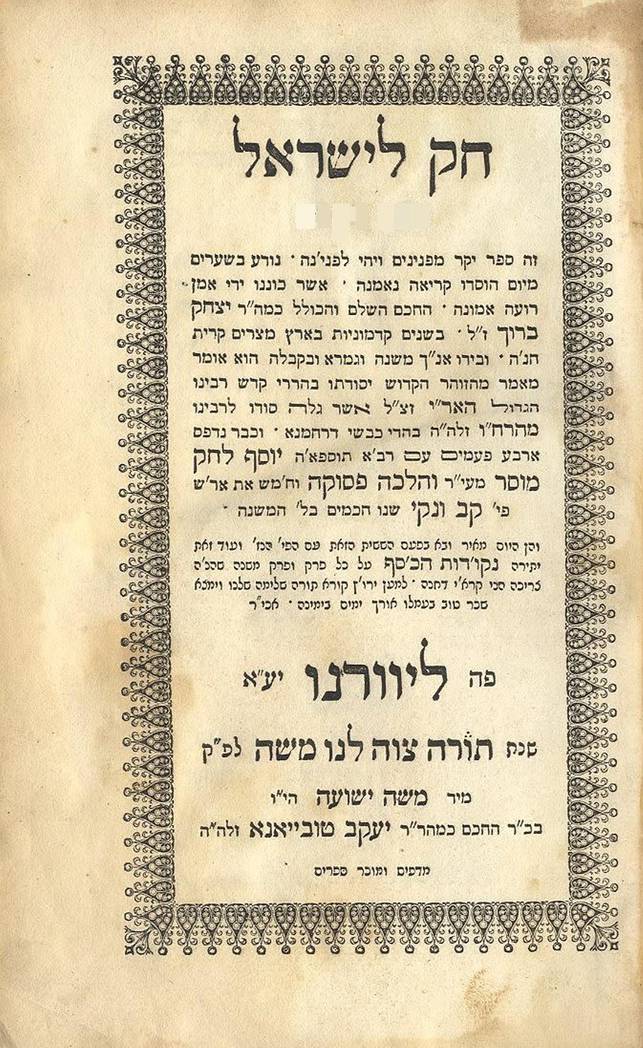
תורה
יכוין בקריאת ששה פסוקים אלו שהם כנגד וָ דמילוי וו דשם ב''ן לקנות הארת מתוספת נפש יתרה משבת הבאה:
ד (לו) וַיִּהְי֥וּ פְקֻדֵיהֶ֖ם לְמִשְׁפְּחֹתָ֑ם אַלְפַּ֕יִם שְׁבַ֥ע מֵא֖וֹת וַחֲמִשִּֽׁים׃
וַהֲווֹ מְנְיָנֵיהוֹן לְזַרְעֲיַתְהוֹן תְּרֵין אַלְפִין שְׁבַע מְאָה וְחַמְשִׁין:
(לז) אֵ֤לֶּה פְקוּדֵי֙ מִשְׁפְּחֹ֣ת הַקְּהָתִ֔י כׇּל־הָעֹבֵ֖ד בְּאֹ֣הֶל מוֹעֵ֑ד אֲשֶׁ֨ר פָּקַ֤ד מֹשֶׁה֙ וְאַהֲרֹ֔ן עַל־פִּ֥י יְהֹוָ֖ה בְּיַד־מֹשֶֽׁה׃ {ס}
אִלֵּין מִנְיָנֵי זַרְעֲיַת קְהָת כָּל דְּפָלַח בְּמַשְׁכַּן זִמְנָא דִּי מְנָא משֶׁה וְאַהֲרֹן עַל מֵימְרָא דַיְיָ בִּידָא דְמשֶׁה:
(לח) וּפְקוּדֵ֖י בְּנֵ֣י גֵרְשׁ֑וֹן לְמִשְׁפְּחוֹתָ֖ם וּלְבֵ֥ית אֲבֹתָֽם׃
וּמִנְיָנֵי בְּנֵי גֵרְשׁוֹן לְזַרְעֲיַתְהוֹן וּלְבֵית אֲבָהַתְהוֹן:
(לט) מִבֶּ֨ן שְׁלֹשִׁ֤ים שָׁנָה֙ וָמַ֔עְלָה וְעַ֖ד בֶּן־חֲמִשִּׁ֣ים שָׁנָ֑ה כׇּל־הַבָּא֙ לַצָּבָ֔א לַעֲבֹדָ֖ה בְּאֹ֥הֶל מוֹעֵֽד׃
מִבַּר תְּלָתִין שְׁנִין וּלְעֵלָּא וְעַד בַּר חַמְשִׁין שְׁנִין כָּל דְּאָתֵי לְחֵילָא לְפָלְחָנָא בְּמַשְׁכַּן זִמְנָא:
(מ) וַיִּֽהְיוּ֙ פְּקֻ֣דֵיהֶ֔ם לְמִשְׁפְּחֹתָ֖ם לְבֵ֣ית אֲבֹתָ֑ם אַלְפַּ֕יִם וְשֵׁ֥שׁ מֵא֖וֹת וּשְׁלֹשִֽׁים׃
וַהֲווֹ מִנְיָנֵיהוֹן לְזַרְעֲיַתְהוֹן לְבֵית אֲבָהַתְהוֹן תְּרֵין אַלְפִין וְשִׁית מְאָה וּתְלָתִין:
(מא) אֵ֣לֶּה פְקוּדֵ֗י מִשְׁפְּחֹת֙ בְּנֵ֣י גֵרְשׁ֔וֹן כׇּל־הָעֹבֵ֖ד בְּאֹ֣הֶל מוֹעֵ֑ד אֲשֶׁ֨ר פָּקַ֥ד מֹשֶׁ֛ה וְאַהֲרֹ֖ן עַל־פִּ֥י יְהֹוָֽה׃
אִלֵּין מִנְיָנֵי זַרְעֲיַת בְּנֵי גֵרְשׁוֹן כָּל דְּפָלַח בְּמַשְׁכַּן זִמְנָא דִּי מְנָא משֶׁה וְאַהֲרֹן עַל מֵימְרָא דַיְיָ:
4 (36) and those that were numbered of them by their families were two thousand seven hundred and fifty.
(37) These were they that were numbered of the families of the Qehati, all that might do service in the Tent of Meeting, whom Moshe and Aharon did number according to the commandment of the Lord by the hand of Moshe.
(38) And those that were numbered of the sons of Gershon, throughout their families, and by the house of their fathers,
(39) from thirty years old and upward to fifty years old, everyone that enters into the service, for work in the Tent of Meeting,
(40) even those that were numbered of them, by their families, by the house of their fathers, were two thousand, six hundred and thirty.
(41) These are they that were numbered of the families of the sons of Gershon, of all that might do service in the Tent of Meeting, whom Moshe and Aharon did number according to the commandment of the Lord.
נביאים
יג (יז) וַיֹּ֧אמֶר מָנ֛וֹחַ אֶל־מַלְאַ֥ךְ יְהֹוָ֖ה מִ֣י שְׁמֶ֑ךָ כִּֽי־יָבֹ֥א (דבריך) [דְבָרְךָ֖] וְכִבַּדְנֽוּךָ׃
וַאֲמַר מָנוֹחַ לְמַלְאָכָא דַייָ מַה שְׁמָךְ אֲרֵי יִתְקַיְמוּן פִּתְגָמָךְ וּנְיַקְרִינָךְ:
(יח) וַיֹּ֤אמֶר לוֹ֙ מַלְאַ֣ךְ יְהֹוָ֔ה לָ֥מָּה זֶּ֖ה תִּשְׁאַ֣ל לִשְׁמִ֑י וְהוּא־פֶֽלִאי׃ {פ}
וַאֲמַר לֵיהּ מַלְאָכָא דַייָ לְמָא דְנַן אַתְּ שָׁאֵיל לִשְׁמִי וְהוּא מְפָרָשׁ:
(יט) וַיִּקַּ֨ח מָנ֜וֹחַ אֶת־גְּדִ֤י הָֽעִזִּים֙ וְאֶת־הַמִּנְחָ֔ה וַיַּ֥עַל עַל־הַצּ֖וּר לַֽיהֹוָ֑ה וּמַפְלִ֣א לַעֲשׂ֔וֹת וּמָנ֥וֹחַ וְאִשְׁתּ֖וֹ רֹאִֽים׃
וּנְסִיב מָנוֹחַ יַת גַדְיָא בַּר עִזֵי וְיַת תִּקְרוֹבְתָּא וְאַסִיק עַל טִינָרָא קֳדָם יְיָ וּמַפְרַשׁ לְמֶעְבַּד וּמָנוֹחַ וְאִתְּתֵיהּ חָזָן:
(כ) וַיְהִי֩ בַעֲל֨וֹת הַלַּ֜הַב מֵעַ֤ל הַמִּזְבֵּ֙חַ֙ הַשָּׁמַ֔יְמָה וַיַּ֥עַל מַלְאַךְ־יְהֹוָ֖ה בְּלַ֣הַב הַמִּזְבֵּ֑חַ וּמָנ֤וֹחַ וְאִשְׁתּוֹ֙ רֹאִ֔ים וַיִּפְּל֥וּ עַל־פְּנֵיהֶ֖ם אָֽרְצָה׃
וַהֲוָה בְּמֵיסַק שַׁלְהוֹבִיתָא מֵעִלַוֵי מַדְבְּחָא לְצֵית שְׁמַיָא וּסְלֵיק מַלְאָכָא דַייָ בְּשַׁלְהוֹבִית מַדְבְּחָא וּמָנוֹחַ וְאִתְּתֵיהּ חָזָן וּנְפַלוּ עַל אַפֵּיהוֹן עַל אַרְעָא:
(כא) וְלֹא־יָ֤סַף עוֹד֙ מַלְאַ֣ךְ יְהֹוָ֔ה לְהֵרָאֹ֖ה אֶל־מָנ֣וֹחַ וְאֶל־אִשְׁתּ֑וֹ אָ֚ז יָדַ֣ע מָנ֔וֹחַ כִּֽי־מַלְאַ֥ךְ יְהֹוָ֖ה הֽוּא׃
וְלָא אוֹסִיף עוֹד מַלְאָכָא דַייָ לְאִתְחַזָאָה לְמָנוֹחַ וּלְאִתְּתֵיהּ בְּכֵן יְדַע מָנוֹחַ אֲרֵי מַלְאָכָא דַייָ הוּא:
(כב) וַיֹּ֧אמֶר מָנ֛וֹחַ אֶל־אִשְׁתּ֖וֹ מ֣וֹת נָמ֑וּת כִּ֥י אֱלֹהִ֖ים רָאִֽינוּ׃
וַאֲמַר מָנוֹחַ לְאִתְּתֵיהּ מֵמַת נְמוּת אֲרֵי מַלְאָכָא דַייָ חֲזֵינָא:
13 (17) And Manoaĥ said to the angel of the Lord, What is thy name, that when thy sayings come to pass we may do thee honour?
(18) And the angel of the Lord said to him, Why askest thou thus after my name, seeing it is hidden?
(19) So Manoaĥ took the kid with the meal offering, and offered it upon the rock to the Lord: and the angel did wondrously, and Manoaĥ and his wife looked on.
(20) For it came to pass, when the flame went up toward heaven from off the altar, that the angel of the Lord ascended in the flame of the altar. And Manoaĥ and his wife looked on it, and fell on their faces to the ground.
(21) But the angel of the Lord appeared no more to Manoaĥ and to his wife. Then Manoaĥ knew that he was an angel of the Lord.
(22) And Manoaĥ said to his wife, We shall surely die, because we have seen God.
כתובים
לא (טז) זָֽמְמָ֣ה שָׂ֭דֶה וַתִּקָּחֵ֑הוּ מִפְּרִ֥י כַ֝פֶּ֗יהָ (נטע) [נָ֣טְעָה] כָּֽרֶם׃
וְאִתְחַשְׁבֵת בְּתַרְעִיתָא וּנְסֵבַת חַקְלָא וּמִן פֵּרֵי דִידָהָא נְצֵבַת כַּרְמָא:
(יז) חָֽגְרָ֣ה בְע֣וֹז מׇתְנֶ֑יהָ וַ֝תְּאַמֵּ֗ץ זְרוֹעֹתֶֽיהָ׃
וַאֲסַרַת בְּעוּשְׁנָא חַרְצָהָא וּזְרֵזַת דְרָעָהָא:
(יח) טָ֭עֲמָה כִּי־ט֣וֹב סַחְרָ֑הּ לֹא־יִכְבֶּ֖ה (בליל) [בַלַּ֣יְלָה] נֵרָֽהּ׃
וּטְעַמַת מְטוּל דְטָבְתָא תַגָרוּתָהּ וְלָא דָעֵךְ בְּלֵילְיָא שְׁרָגָהּ:
(יט) יָ֭דֶיהָ שִׁלְּחָ֣ה בַכִּישׁ֑וֹר וְ֝כַפֶּ֗יהָ תָּ֣מְכוּ פָֽלֶךְ׃
יְדָהָא פָּשְׁטָא בְּכוּנְשִׁרָא וִידָהָא לָבְכִין מָעְזְלָא:
(כ) כַּ֭פָּהּ פָּֽרְשָׂ֣ה לֶעָנִ֑י וְ֝יָדֶ֗יהָ שִׁלְּחָ֥ה לָאֶבְיֽוֹן׃
יְדָהּ פָּשְׁטָא לַעֲנִיָא וּדְרַעְיָה מוֹשִׁיטָא לַעֲלִיבֵי:
(כא) לֹא־תִירָ֣א לְבֵיתָ֣הּ מִשָּׁ֑לֶג כִּ֥י כׇל־בֵּ֝יתָ֗הּ לָבֻ֥שׁ שָׁנִֽים׃
לָא יִדְחֲלוּן בְּנֵי בַּיְתָהּ מִן תַּלְגָא מְטוּל דְכוּלְהוֹן בְּנֵי בַיְתָהּ לְבִישִׁין הֲווֹ זְהוֹרִיתָא:
31 (16) She considers a field, and buys it: with the fruit of her hands she plants a vineyard.
(17) She girds her loins with strength, and she makes her arms strong.
(18) She perceives that her merchandise is good: her candle does not go out by night.
(19) She lays her hands to the distaff, and her palms hold the spindle.
(20) She stretches out her palm to the poor; yea, she reaches forth her hands to the needy.
(21) She is not afraid of the snow for her household: for all her household are clothed with scarlet.
משנה
א. הָיוּ בוֹדְקִין אוֹתָן בְּשֶׁבַע חֲקִירוֹת, בְּאֵיזֶה שָׁבוּעַ, בְּאֵיזוֹ שָׁנָה, בְּאֵיזֶה חֹדֶשׁ, בְּכַמָּה בַחֹדֶשׁ, בְּאֵיזֶה יוֹם, בְּאֵיזוֹ שָׁעָה, בְּאֵיזֶה מָקוֹם. רַבִּי יוֹסֵי אוֹמֵר בְּאֵיזֶה יוֹם, בְּאֵיזוֹ שָׁעָה, בְּאֵיזֶה מָקוֹם. מַכִּירִין אַתֶּם אוֹתוֹ. הִתְרֵיתֶם בּוֹ. הָעוֹבֵד עֲבוֹדָה זָרָה, אֶת מִי עָבַד, וּבַמֶּה עָבָד:
ב. כָּל הַמַּרְבֶּה בִבְדִיקוֹת, הֲרֵי זֶה מְשֻׁבָּח. מַעֲשֶׂה וּבָדַק בֶּן זַכַּאי בְּעֻקְצֵי תְאֵנִים. וּמַה בֵּין חֲקִירוֹת לִבְדִיקוֹת. חֲקִירוֹת, אֶחָד אוֹמֵר אֵינִי יוֹדֵעַ, עֵדוּתָן בְּטֵלָה. בְּדִיקוֹת, אֶחָד אוֹמֵר אֵינִי יוֹדֵעַ, וַאֲפִלּוּ שְׁנַיִם אוֹמְרִים אֵין אָנוּ יוֹדְעִין, עֵדוּתָן קַיָּמֶת. אֶחָד חֲקִירוֹת וְאֶחָד בְּדִיקוֹת, בִּזְמַן שֶׁמַּכְחִישִׁין זֶה אֶת זֶה, עֵדוּתָן בְּטֵלָה:
ג. אֶחָד אוֹמֵר בִּשְׁנַיִם בַּחֹדֶשׁ וְאֶחָד אוֹמֵר בִּשְׁלֹשָׁה בַחֹדֶשׁ, עֵדוּתָן קַיֶּמֶת, שֶׁזֶּה יוֹדֵעַ בְּעִבּוּרוֹ שֶׁל חֹדֶשׁ וְזֶה אֵינוֹ יוֹדֵעַ בְּעִבּוּרוֹ שֶׁל חֹדֶשׁ. אֶחָד אוֹמֵר בִּשְׁלֹשָׁה וְאֶחָד אוֹמֵר בַּחֲמִשָּׁה, עֵדוּתָן בְּטֵלָה. אֶחָד אוֹמֵר בִּשְׁתֵּי שָׁעוֹת וְאֶחָד אוֹמֵר בְּשָׁלֹשׁ שָׁעוֹת, עֵדוּתָן קַיֶּמֶת. אֶחָד אוֹמֵר בְּשָׁלֹשׁ וְאֶחָד אוֹמֵר בְּחָמֵשׁ, עֵדוּתָן בְּטֵלָה. רַבִּי יְהוּדָה אוֹמֵר, קַיָּמֶת. אֶחָד אוֹמֵר בְּחָמֵשׁ וְאֶחָד אוֹמֵר בְּשֶׁבַע, עֵדוּתָן בְּטֵלָה, שֶׁבְּחָמֵשׁ חַמָּה בַמִּזְרָח וּבְשֶׁבַע חַמָּה בַמַּעֲרָב:
ד. וְאַחַר כָּךְ מַכְנִיסִין אֶת הַשֵּׁנִי וּבוֹדְקִין אוֹתוֹ. אִם נִמְצְאוּ דִבְרֵיהֶם מְכֻוָּנִין, פּוֹתְחִין בִּזְכוּת. אָמַר אֶחָד מִן הָעֵדִים יֶשׁ לִי לְלַמֵּד עָלָיו זְכוּת, אוֹ אֶחָד מִן הַתַּלְמִידִים יֶשׁ לִי לְלַמֵּד עָלָיו חוֹבָה, מְשַׁתְּקִין אוֹתוֹ. אָמַר אֶחָד מִן הַתַּלְמִידִים יֶשׁ לִי לְלַמֵּד עָלָיו זְכוּת, מַעֲלִין אוֹתוֹ וּמוֹשִׁיבִין אוֹתוֹ בֵינֵיהֶן, וְלֹא הָיָה יוֹרֵד מִשָּׁם כָּל הַיּוֹם כֻּלּוֹ. אִם יֵשׁ מַמָּשׁ בִּדְבָרָיו, שׁוֹמְעִין לוֹ. וַאֲפִלּוּ הוּא אוֹמֵר יֶשׁ לִי לְלַמֵּד עַל עַצְמִי זְכוּת, שׁוֹמְעִין לוֹ, וּבִלְבַד שֶׁיֵּשׁ מַמָּשׁ בִּדְבָרָיו:
ה. אִם מָצְאוּ לוֹ זְכוּת, פְּטָרוּהוּ. וְאִם לָאו, מַעֲבִירִין דִּינוֹ לְמָחָר. הָיוּ מִזְדַּוְּגִין זוּגוֹת זוּגוֹת, וּמְמַעֲטִין בְּמַאֲכָל, וְלֹא הָיוּ שׁוֹתִין יַיִן כָּל הַיּוֹם, וְנוֹשְׂאִין וְנוֹתְנִין כָּל הַלַּיְלָה, וְלַמָּחֳרָת מַשְׁכִּימִין וּבָאִין לְבֵית דִּין. הַמְזַכֶּה אוֹמֵר אֲנִי מְזַכֶּה וּמְזַכֶּה אֲנִי בִמְקוֹמִי, וְהַמְחַיֵּב אוֹמֵר אֲנִי מְחַיֵּב וּמְחַיֵּב אֲנִי בִמְקוֹמִי. הַמְלַמֵּד חוֹבָה מְלַמֵּד זְכוּת, אֲבָל הַמְלַמֵּד זְכוּת אֵינוֹ יָכוֹל לַחֲזֹר וּלְלַמֵּד חוֹבָה. טָעוּ בְדָּבָר, שְׁנֵי סוֹפְרֵי הַדַּיָּנִין מַזְכִּירִין אוֹתָן. אִם מָצְאוּ לוֹ זְכוּת, פְּטָרוּהוּ. וְאִם לָאו, עוֹמְדִים לְמִנְיָן. שְׁנֵים עָשָׂר מְזַכִּין וְאַחַד עָשָׂר מְחַיְּבִין, זַכַּאי. שְׁנֵים עָשָׂר מְחַיְּבִין וְאַחַד עָשָׂר מְזַכִּין, וַאֲפִלּוּ אַחַד עָשָׂר מְזַכִּין וְאַחַד עָשָׂר מְחַיְּבִין וְאֶחָד אוֹמֵר אֵינִי יוֹדֵעַ, וַאֲפִלּוּ עֶשְׂרִים וּשְׁנַיִם מְזַכִּין אוֹ מְחַיְּבִין וְאֶחָד אוֹמֵר אֵינִי יוֹדֵעַ, יוֹסִיפוּ הַדַּיָּנִין. עַד כַּמָּה מוֹסִיפִין, שְׁנַיִם שְׁנַיִם עַד שִׁבְעִים וְאֶחָד. שְׁלֹשִׁים וְשִׁשָּׁה מְזַכִּין וּשְׁלֹשִׁים וַחֲמִשָּׁה מְחַיְּבִין, זַכַּאי. שְׁלֹשִׁים וְשִׁשָּׁה מְחַיְּבִין וּשְׁלֹשִׁים וַחֲמִשָּׁה מְזַכִּין, דָּנִין אֵלּוּ כְּנֶגֶד אֵלּוּ עַד שֶׁיִּרְאֶה אֶחָד מִן הַמְחַיְּבִין דִּבְרֵי הַמְזַכִּין:
1. The court would examine the witnesses in capital cases with seven interrogations, i.e., interrogatory questions, and they are: In which seven-year period, that is, in which cycle of seven years within a jubilee did the event occur; in which year of the Sabbatical cycle did the event occur; in which month did the event occur; on which day of the month did the event occur; on which day of the week did the event occur; at which hour did the event occur; and in what place did the event occur. Rabbi Yosei says: The court would examine the witnesses with only three interrogations: On which day did the event occur, at which hour, and in what place. They would also ask: Do you recognize him as the man who committed the transgression? Did you warn him? They would then ask the witnesses about the particulars of the incident. For example, in the case of one who is an accused idol worshipper, they ask the witnesses: Whom, i.e., which idol, did he worship, and in what manner did he worship it, and so on.
2. With regard to all judges who increase the number of examinations, i.e., who add questions about the details of the event, this is praiseworthy, as this may clarify that the witnesses are lying. An incident occurred and ben Zakkai examined the witnesses by questioning them about the color and shape of the stems of figs in order to unearth a contradiction between the witnesses. The mishna explains: What is the difference between interrogations and examinations? With regard to interrogations, if one of the witnesses says: I do not know the answer, their testimony is void immediately. With regard to examinations, if one says: I do not know the answer, and even if two say: We do not know the answer, their testimony still stands. Both with regard to interrogations and examinations, at a time when the witnesses contradict one another, their testimony is void.
3. The mishna clarifies: If one witness says the event occurred on the second of the month, and one witness says that the event occurred on the third of the month, this is not regarded as a contradiction and their testimony stands, since it is possible to say that this witness knows of the addition of a day to the previous month, and according to his tally the event occurred on the second of the month, and that witness does not know of the addition of a day to the previous month, and according to his tally the event occurred on the third of the month. Their testimony is not considered incongruent. By contrast, if this witness says the event occurred on the third of the month and one witness says the event occurred on the fifth of the month, their testimony is void, as this disparity cannot be attributed to a mere error. Therefore, their testimony is not congruent. Similarly, if one witness says that the event occurred at two hours, i.e., the second hour of the day from sunrise, and one witness says that the event occurred at three hours, their testimony stands, as one could reasonably err this amount in estimating the hour of the day. By contrast, if one says that the event occurred at three hours, and one says that the event occurred at five hours, their testimony is void. Rabbi Yehuda says: Also in this case their testimony stands, as one could reasonably err concerning even this length of time. Rabbi Yehuda adds: But if one says that the event occurred at five hours, and one says that the event occurred at seven hours, their testimony is void. Here the difference is recognizable to all, since at five hours the sun is in the east and at seven the sun is in the west, and one could not err concerning this. Therefore, their testimony is not congruent.
4. The mishna continues: And afterward, after the court examines the first witness, they bring in the second witness and examine him. If the statements of the witnesses are found to be congruent, the court begins to deliberate the matter. They open the deliberations with an appeal to anyone who can find a reason to acquit the accused. If one of the witnesses said: I can teach a reason to acquit him, or if one of the students sitting before the judges said: I can teach a reason to deem him liable, the judges silence him, i.e., both the witness and the student. The reason is that these people are not allowed to offer information such as this. But if one of the students said: I can to teach a reason to acquit him, they raise him to the seat of the court and seat him among them, and he would not descend from there the entire day, but would sit and participate in their deliberations. If the statement of that student has substance, the court listens to him. And if even the accused says: I can teach a reason to acquit me, the court listens to him and considers his statement, provided that his statement has substance.
5. And if the court found it fit to acquit him during the deliberations, as all or a majority of the judges agreed to acquit him, they excuse him. But if a majority does not find it fit to acquit him, they delay his verdict to the following day, and they then assign pairs of judges to discuss the matter with each other. They would minimize their food intake and they would not drink wine all day. And they would deliberate all night, and the following day they would arise early and come to court and then vote again and tally the votes of the judges. One who yesterday was of the opinion to acquit the defendant says: I said to acquit, and I acquit in my place, i.e., I stand by my statement to acquit. And one who yesterday was of the opinion to deem him liable says: I said to deem him liable, and I deem him liable in my place. One who yesterday taught a reason to deem him liable may then teach a reason to acquit, but one who yesterday taught a reason to acquit may not then teach a reason to deem him liable. If they erred in the matter, as one of the judges forgot what he had said the previous day, two judges’ scribes, who recorded the statements of the judges, remind him. If the court then found it fit to acquit him unanimously, they excuse him, and if not all of the judges determine to acquit, they stand to count the vote. If twelve judges vote to acquit him and eleven judges deem him liable, he is acquitted. The mishna continues: In a case where twelve judges deem him liable and eleven judges acquit; or even if eleven judges acquit and eleven deem him liable and one judge says: I do not know; or even if twenty-two judges acquit or deem him liable and one judge says: I do not know, the judge who said he does not know is disregarded, and the judges add additional judges to the court until they reach a definitive ruling. And how many judges do they add? They add pairs of two judges each time they do not reach a ruling until there are seventy-one judges, but no more than that. At that point, if thirty-six judges acquit and thirty-five judges deem him liable, he is acquitted. If thirty-six judges deem him liable and thirty-five judges acquit, they continue to deliberate the matter, these judges against those judges, until one of those who deems him liable sees the validity of the statements of those who acquit and changes his position, as the court does not condemn a defendant to death by a majority of one judge.
גמרא
אָמַר רִבִּי אַחָא בַר חֲנִינָא אָמַר רַב אָסֵי אָמַר רִבִּי יוֹחָנָן עַד כַּמָּה מְבָרְכִין עַל הַחֹדֶשׁ עַד שֶׁתִּתְמַלֵּא פְּגִימָתָהּ. וְכַמָּה אָמַר רִבִּי יַעֲקֹב בַּר אִידִי אָמַר רַב יְהוּדָה עַד שִׁבְעָה. נְהַרְדֶעֵי אֲמָרֵי עַד שִׁשָּׁה עָשָׂר. וְתַרְוַיְיהוּ כְּרִבִּי יוֹחָנָן סְבִירָא לְהוּ הָא לְמֵיהֲוֵי כִּי יְתִירָא הָא לְמֵיהְוֵי כִּי נַפְיָא. אָמַר לֵיהּ רַב אַחָא מִדִּפְתִּי לְרָבִינָא וְלִיבְרִיךְ הַטּוֹב וְהַמֵּטִיב. אָמַר לֵיהּ אַטוּ כִּי חָסֵר מִי מְבָרְכִינָן דַּיַּין הָאֱמֶת דְּלִבְרִיךְ הַטּוֹב וְהַמֵּטִיב. וְלִיבָרְכִינְהוּ לְתַרְוַיְיהוּ כֵּיוָן דְּהַיְינוּ אוֹרְחֵיהּ לָא מְבָרְכִינָן. וְאָמַר רַב אַחָא בַר חֲנִינָא אָמַר רַב אָסֵי אָמַר רִבִּי יוֹחָנָן כָּל הַמְבָרֵךְ עַל הַחֹדֶשׁ בִּזְמַנּוֹ כְּאִלּוּ מְקַבֵּל פְּנֵי שְׁכִינָה כְּתִיב הָכָא (שמות י''ב) הַחֹדֶשׁ הַזֶּה וּכְתִיב הָתָם (שם ט''ו) זֶה אֵלִי וְאַנְוֵהוּ. תָּנָא דְבֵי רִבִּי יִשְׁמָעֵאל אִלְמָלֵא לֹא זָכוּ יִשְׂרָאֵל אֶלָּא לְהַקְבִּיל פְּנֵי אֲבִיהֶם שֶׁבַּשָּׁמַיִם כָּל חֹדֶשׁ וְחֹדֶשׁ דַּיָּין. אָמַר אַבַּיֵּי הִלְכָּךְ נִימְרִינְהוּ מֶעוֹמֶד. מְרֵימֹר וּמֹר זוּטְרָא מְכַתְּפֵי אַהֲדָדֵי וּמְבָרְכֵי. אָמַר לֵיהּ רַב אַחָא לְרַב אָשֵׁי בְּמַעֲרָבָא מְבָרְכֵי בָּרוּךְ מְחַדֵּשׁ חֳדָשִׁים. אָמַר לֵיהּ הָאי נַשֵּׁי דִידַן נָמֵי מְבָרְכֵי אֶלָא כִּדְרַב יְהוּדָה דְאָמַר רַב יְהוּדָה בָּרוּךְ אֲשֶׁר בְּמַאֲמָרוֹ בָּרָא שְׁחָקִים וּבְרוּחַ פִּיו כָּל צְבָאָם חוֹק וּזְמַן נָתַן לָהֶם שֶׁלֹּא יְשַׁנּוּ אֶת תַּפְקִידָם שָׂשִׂים וּשְׂמֵחִים לַעֲשׂוֹת רְצוֹן קוֹנָם פּוֹעֲלֵי אֱמֶת שֶׁפְּעוּלָתָם אֱמֶת וְלַלְּבָנָה אָמַר שֶׁתִּתְחַדֵּשׁ עֲטֶרֶת תִּפְאֶרֶת לַעֲמוּסֵי בָטֶן שֶׁהֵן עֲתִידִין לְהִתְחַדֵּשׁ כְּמוֹתָהּ וּלְפָאֵר לְיוֹצְרָם עַל שֵׁם כְּבוֹד מַלְכוּתוֹ בָּרוּךְ אַתָּה ה' מְחַדֵּשׁ חֳדָשִׁים:
§ Having cited a statement of Rabbi Aḥa bar Ḥanina, citing Rabbi Asi, citing Rabbi Yoḥanan, the Gemara cites another statement in his name: Rabbi Aḥa bar Ḥanina says that Rav Asi says that Rabbi Yoḥanan says: Until how many days into a new month may one recite a blessing on the month, i.e., Birkat HaLevana? Until the flaw of the moon is filled, when it no longer appears deficient. And until how many days is that? Rav Ya’akov bar Idi says that Rav Yehuda says: Until seven days of the month have passed. The Sages of Neharde’a say: Until sixteen days of the month have passed.
The Gemara comments: And they both hold in accordance with the opinion of Rabbi Yoḥanan that one can recite the blessing until the flaw of the moon is filled. The dispute is that this one, i.e., Rav Ya’akov bar Idi, who holds one can recite the blessing until seven days have passed, understands Rabbi Yoḥanan to be referring to the day when the moon will be like the string of a bow. Before that point the moon appeared merely as a bow, and after seven days it appears like a half-circle, like a bow that has a string. That one, i.e., the Sages of Neharde’a, who holds one can recite the blessing until sixteen days have passed, understands Rabbi Yoḥanan to be referring to the day when the moon will be like a sieve, i.e., a full circle.
§ Rav Aḥa of Difti said to Ravina: And they should bless the blessing of: Blessed are You, Lord our God, King of the Universe, Who is good and Who does good, for the benefit that people derive from the light of moon. Ravina said to him: Is that to say that when the moon is shrinking we bless, as we do for other disasters: Blessed are You, Lord our God, King of the Universe, the true Judge, so that we should conversely bless: Blessed are You, Lord our God, King of the Universe, Who is good and Who does good, when the moon is growing? Rav Aḥa of Difti said to him: You are correct, and we should say them both: The blessing of the true Judge, when the moon is waning, and the blessing of Who is good and Who does good, when the moon is waxing. Ravina answered him: Since this is its nature, we do not bless the moon. The waxing and waning of the moon is not an unexpected occurrence that requires these blessings.
And Rabbi Aḥa bar Ḥanina says that Rabbi Asi says that Rabbi Yoḥanan says: With regard to anyone who blesses the new month in its proper time, it is as if he greets the Face of the Divine Presence. Alluding to this, it is written here concerning the sanctification of the new month: “This month shall be for you the beginning of months” (Exodus 12:2), and it is written there, where the Jewish people encountered the Divine Presence at the splitting of the sea: “This is my God and I will glorify Him” (Exodus 15:2). The term “this” is employed in both verses. The school of Rabbi Yishmael taught: If the Jewish people merited to greet the Face of their Father in Heaven only one time each and every month, it would suffice for them, since in the blessing of the moon there is an aspect of greeting the Divine Presence. Abaye said: Therefore, we will say the blessing while standing, in honor of the Divine Presence.
The Gemara relates: Mareimar and Mar Zutra would lean on one another’s shoulders and recite the blessing. Rav Aḥa said to Rav Ashi: In the West, Eretz Yisrael, they recite the following blessing on the moon: Blessed is He Who renews the months. Rav Ashi said to him: Our women also recite that blessing, meaning that this is an abridged version for the unlettered.
Rather, the full version of the blessing is the version of Rav Yehuda. As Rav Yehuda says: Blessed are You, Lord our God, King of the Universe, Who by His word created the heavens, and by the breath of his mouth all their hosts. He set for them a law and a time, that they should not deviate from their task. And they are joyous and glad to perform the will of their Owner; they are workers of truth whose work is truth. And to the moon He said that it should renew itself as a crown of beauty for those He carried from the womb, as they are destined to be renewed like it, and to praise their Creator for the name of His glorious kingdom. Blessed are You the Lord, Who renews the months.
זוהר
רִבִּי חִזְקִיָּה פָּתַח (תהלים קכ''ב) אֶשְׁתְּךָ כְּגֶפֶן פּוֹרִיָּה וְגוֹמֵר. מַה גֶפֶן לָא מְקַבְּלַת עָלָהּ אֶלָּא מִדִּידָהּ כַּךְ אִתְּתָא דְיִשְׂרָאֵל קַיְימָא בְּהָא גוֹוָנָא דְלָא מְקַבְּלָא עָלָהּ אֶלָּא הַהוּא בַר זוּגָּהּ כְּשַׁפְנִינָא (נ''א כְתוֹרָא) דָא דְלָא מְקַבְּלָא אֶלָּא הַהוּא בַר זוּגָהּ. וְעַל דָּא כְגֶפֶן פּוֹרִיָה בְּיַרְכְּתֵי בֵיתֶךָ. מָהוּ פּוֹרִיָּה כְּמָה דְאַתְּ אָמֵר (דברים כ''ט) פּוֹרֶה רֹאשׁ פּוֹרִיָּה פּוֹרַחַת דַּאֲפִיקַת עֲנָפִים לְכָל סִטְרָא. וְאָן בְּיַרְכְּתֵי בֵיתֶךָ וְלָאו לְבַר בְּשׁוּקָא בְּגִין דְּלָא תֵיתֵי לְשַׁקְּרָא בִּבְרִית עִלָּאָה וּשְׁלֹמֹה אָמַר (משלי ב') הַעוֹזֶבֶת אַלּוּף נְעוּרֶיהָ וְאֶת בְּרִית אֱלֹהֶיהָ שָׁכֵחָה מָאן בְּרִית אֱלֹהֶיהָ הַהוּא אַתַר דְּאִקְרֵי בְרִית וְהִיא אִתְקַשְּׁרָא בֵיהּ בְּגִין כַּךְ בְּיַרְכְּתֵי בֵיתֶךָ. אָמַר רִבִּי חִזְקִיָּה תּוּנְבָא לֵיתֵי עַל הַהוּא בַר נָשׁ דְשָׁבַק לְאִנְתְּתֵיהּ. דְּיִתְחֲזֵי מִשַׂעְרָא דְרֵישָׁא לְבַר. וְדָא הוּא חָד מֵאִינוּן צְנִיעוּתָא דְבֵיתָא. וְאִתְּתָא דַאֲפִיקַת מִשַׁעְרָא דְרֵישָׁא לְבַר לְאִתַּתְקְנָא בֵיהּ גָּרִים מִסְכְּנוּתָא לְבֵיתָא וְגָרִים לִבְנָהָא דְלָא יִתְחַשְּׁבוּן בְּדָרָא וְגָרִים מִלָּה אַחֲרָא דְשַׁרְיָא בְּבֵיתָא מָאן גָרִים דָּא הַהוּא שַׂעְרָא דְאִתְחֲזֵי מֵרֵישָׁהּ לְבָר. וּמַה בְבֵיתָא הָאי כָּל שֶׁכֵּן בְּשׁוּקָא וְכָל שֶׁכֵּן חֲצִיפוּתָא אַחֲרָא וּבְגִין כַּךְ אֶשְׁתְּךָ כְּגֶפֶן פּוֹרִיָּה בְּיַרכְּתֵי בֵיתֶךָ אָמַר רִבִּי יְהוּדָא שַׂעְרָא דְרֵישָׁא דְאִתְּתָא דְאִתְגַּלְיָיא גָרִים שַׂעְרָא אַחֲרָא לְאִתְגַּלְיָיא וּלְאִפַּגְמָא לָהּ בְּגִין כַּךְ בַּעְיָא אִתְּתָא דַאֲפִילוּ טְסִירֵי דְבֵיתָא לָא יֶחֱמוּן שַׂעְרָא חַד מֵרֵישָׁהּ כָּל שֶׁכֵּן לְבָר. תָּא חֲזֵי כְמָה בִדְכוּרָא שַׂעְרָא הוּא חוּמְרָא דְכֹלָא הָכִי נָמֵי לְנוּקְבָא. פּוּק חֲמֵי כַמָּה פְּגִימוּ גָרִים הַהוּא שַׂעְרָא דְאִתְּתָא. גָרִים לְעֵילָא גָרִים לְתַתָּא גָרִים לְבַעְלָהּ דְּאִתְלַטְיָיא גָרִים מִסְכְּנוּתָא גָרִים מִלָּה אַחֲרָא בְּבֵיתָא גָרִים דְּיִסְתְּלִיק חֲשִׁיבוּתָא מִבְּנָהָא. רַחֲמָנָא לִישֵׁיזְבָן מֵחֲצִיפוּ דִילְהוֹן. וְעַל דָּא בַעְיָא אִתְּתָא לְאִתְכַּסְיָיא בִזִיווֹהִי דְבֵיתָא וְאִי עַבְדַת כֵּן מַה כְתִיב (תהלים קכ''א) בָּנֶיךָ כִּשְׁתִילֵי זֵיתִים. מַהוּ כִּשְׁתִילֵי זֵיתִים. מַה זַיִת דָּא בֵּין בְּסִתְוָא בֵּין בְּקַיְיטָא לָא אִתְאֲבִידוּ טַרְפּוֹי וְתָדִיר אִשְׁתְּכַח בֵּיהּ חֲשִׁיבוּת יַתִּיר עַל שְׁאַר אִילָנִין. כַּךְ בְּנָהָא יִסְתַּלְּקוּן בַּחֲשִׁיבוּ עַל שְׁאַר בְּנֵי עַלְמָא וְלֹא עוֹד אֶלָּא דְבַעְלָהּ מִתְבָּרֵךְ בְּכֹלָא בְּבִרְכָאן דִּלְעֵילָא בְּבִרָכָאן דִלְתַתָּא בְעוּתְרָא בִּבְנִין בִּבְנֵי בְנִין. הָדָא הוּא דִכְתִיב (שם) הִנֵּה כִּי כֵן יְבוֹרַךְ גָּבֶר יְרֵא יְיָ. וּכְתִיב יְבָרֶכְךָ יְיָ מִצִיּוֹן וּרְאֵה בְּטוּב יְרוּשָׁלָיִם כֹּל יְמֵי חַיֶּיךָ וּרְאֵה בָנִים לְבָנֶיךָ שָׁלוֹם עַל יִשְׂרָאֵל (יִשְׂרָאֵל סָבָא קַדִּישָׁא):
רַבִּי חִזְקִיָּה פָּתַח, (תהלים קכ''ח) אֶשְׁתְּךְ כְּגֶפֶן פּוֹרִיָּה וְגוֹ'. מַה גֶּפֶן אֵינָהּ מְקַבֶּלֶת עָלֶיהָ מִמִּין אַחֵר אֶלָּא מֵהַמִּין שֶׁלָּהּ. כָּךְ אִשָּׁה בְּיִשְׂרָאֵל עוֹמֶדֶת בְּאוֹתוֹ אֹפֶן, שֶׁאֵינָהּ מְקַבֶּלֶת עָלֶיהָ אֶלָּא בֶּן זוּגָהּ, כַּיּוֹנָה זוֹ שֶׁאֵינָהּ מְקַבֶּלֶת אֶלָּא בֶּן זוּגָהּ. וְעַל כֵּן, כְּגֶפֶן פּוֹרִיָּה בְּיַרְכְּתֵי בֵּיתֶךְ. מַהוּ פּוֹרִיָּה. הוּא כְּמוֹ שֶׁנֶּאֱמַר (דברים כ''ט) פּוֹרֶה רֹאשׁ. פּוֹרִיָּה, הַיְנוּ שֶׁפּוֹרַחַת וּמוֹצִיאָה עֲנָפִים לְכָל צַד. וְאֵיפֹה הוּא, בְּיַרְכְּתֵי בֵּיתֶךְ, וְלֹא בַּחוּץ בַּשּׁוּק, כְּדֵי שֶׁלֹא תָּבוֹא לְשַׁקֵּר בִּבְרִית עֶלְיוֹן. וּשְׁלֹמֹה אָמַר (משלי ב') הֲעוֹזֶבֶת אַלּוּף נְעוּרֶיהָ וְאֶת בְּרִית אֱלֹקֶיהָ שָׁכְחָה. מַהוּ בְּרִית אֱלֹקֶיהָ. הַיְנוּ הַמָּקוֹם הַהוּא שֶׁנִּקְרָא בְּרִית, שֶׁהוּא יְסוֹד, וְהִיא נִתְקַשְּׁרָה בּוֹ. מִשּׁוּם זֶה כָּתוּב, בְּיַרְכְּתֵי בֵיתֶךְ. אָמַר רַבִּי חִזְקִיָּה, חֲלְחָלָה תָּבוֹא עַל אוֹתוֹ אָדָם, הַמַּנִּיחַ לְאִשְׁתּוֹ שֶׁתַּרְאֶה מִשַּׂעֲרוֹת רֹאשָׁה לַחוּץ, וְזֶה הוּא אֶחָד מֵאֵלּוּ עִנְיְנֵי הַצְנִיעוּת שֶׁבַּבַּיִת. וְאִשָּׁה הַמּוֹצִיאָה מִשַּׂעֲרוֹת רֹאשָׁה לַחוּץ לְהִתְיַפּוֹת בּוֹ, גּוֹרֶמֶת עֲנִיּוּת לַבַּיִת. וְגוֹרֶמֶת שֶׁבָּנֶיהָ לֹא יִהְיוּ חֲשׁוּבִים בַּדּוֹר. וְגוֹרֶמֶת דָּבָר אַחֵר שֶׁיִּשְׁרֶה בַּבַּיִת, דְּהַיְנוּ צָרַעַת. מִי גָּרַם לְכָל זֶה, הַיְנוּ הַשֵּׂעָר הַהוּא שֶׁנִּרְאֶה מֵרֹאשָׁה לַחוּץ. וּמַה בַּבַּיִת כָּךְ, כָּל שֶׁכֵּן בַּשּׁוּק, וְכָל שֶׁכֵּן חֲצִיפוּת אַחֶרֶת אִם תֵּרָאֶה מִמֶּנָּהּ. וּמִשּׁוּם זֶה כָּתוּב, אֶשְׁתְּךְ כְּגֶפֶן פּוֹרִיָּה בְּיַרְכְּתֵי בֵּיתֶךְ. אָמַר רַבִּי יְהוּדָה, שַׂעֲרוֹת רֹאשָׁה שֶׁל הָאִשָּׁה שֶׁנִּגְלוּ גּוֹרְמִים לְשֵׂעָר אַחֵר לְהִתְגַלּוֹת, דְּהַיְנוּ כֹּחוֹת הַסִּטְרָא אָחֳרָא הַנֶּאֱחָזִים בַּשַּׂעֲרוֹת, וְלִפְגוֹם אוֹתָהּ. מִשּׁוּם זֶה צְרִיכָה הָאִשָּׁה שֶׁאֲפִלּוּ קוֹרוֹת בֵּיתָהּ לֹא יִרְאוּ שֵׂעָר אֶחָד מֵרֹאשָׁה, כָּל שֶׁכֵּן בַּחוּץ. בֹּא וּרְאֵה, כְּמוֹ בְּזָכָר, נִמְצָאוֹת הַשַּׂעֲרוֹת קָשׁוֹת מִכֹּל, שֶׁהֵם דִּינִים, כֵּן הוּא בִּנְקֵבָה. צֵא וּרְאֵה כַּמָּה פְּגָמִים גּוֹרְמוֹת הַשַּׂעֲרוֹת שֶׁל הָאִשָּׁה. גּוֹרְמוֹת לְמַעְלָה, גּוֹרְמוֹת לְמַטָּה. גּוֹרְמוֹת לְבַעֲלָה שֶׁיִּתְקַלֵּל, גּוֹרְמוֹת עֲנִיּוּת גּוֹרְמוֹת דָּבָר אַחֵר בַּבַּיִת, דְּהַיְנוּ צָרַעַת, גּוֹרְמוֹת לְסִלּוּק הַחֲשִׁיבוּת מִבָּנֶיהָ. הָרַחֲמָן יַצִילֵנוּ מֵהַחוּצְפָּה שֶׁלָּהֶן. וְעַל כֵּן צְרִיכָה הָאִשָּׁה לְהִתְכַּסוֹת בְּזָוִיּוֹת הַבַּיִת. וְאִם עוֹשָׂה כֵּן, מַה כָּתוּב (תהלים קכ''ח) בָּנֶיךְ כִּשְׁתִילֵי זֵיתִים. מַהוּ כִּשְׁתִילֵי זֵיתִים. הַיְנוּ, מַה זַּיִת זֶה בֵּין בַּחוֹרֶף וּבֵין בַּקַּיִץ אֵינוֹ מְאַבֵּד עָלָיו, וְתָמִיד נִמְצֵאת בּוֹ חֲשִׁיבוּת יוֹתֵר מִשְּׁאָר הָאִילָנוֹת, כָּךְ בָּנֶיהָ יִתְעֲלוּ בַּחֲשִׁיבוּת עַל שְׁאָר בְּנֵי הָעוֹלָם. וְלֹא עוֹד אֶלָּא שֶׁבַּעֲלָהּ מִתְבָּרֵךְ בַּכֹּל, בִּבְרָכוֹת שֶׁלְּמַעְלָה וּבִבְרָכוֹת שֶׁלְּמַטָּה, בְּעֹשֶר, בְּבָנִים וּבִבְנֵי בָּנִים. זֶה שֶׁנֶּאֱמַר (שם) הִנֵּה כִי כֵן יְבוֹרָךְ גָּבֶר יְרֵא ה'. וְכָתוּב (שם) יְבָרֶכְךְ ה' מִצִיּוֹן וּרְאֵה בְּטוּב יְרוּשָׁלָיִם כָּל יְמֵי חַיֶּיךְ וּרְאֵה בָנִים לְבָנֶיךְ שָׁלוֹם עַל יִשְׂרָאֵל:
הלכה פסוקה
א. שִׁבְּחוּ חֲכָמִים לְמִי שֶׁקּוֹרֵא זְמִירוֹת מִסֵּפֶר תְּהִלִּים בְּכָל יוֹם וָיוֹם מִתְּהִלָּה לְדָוִד עַד סוֹף הַסֵּפֶר. וּכְבַר נָהֲגוּ לִקְרוֹת פְּסוּקִים לִפְנֵיהֶם וּלְאַחֲרֵיהֶם וְתִקְּנוּ בְרָכָה לִפְנֵי הַזְּמִירוֹת וְהִיא בָּרוּךְ שֶׁאָמַר וּבְרָכָה לְאַחֲרֵיהֶם וְהִיא יִשְׁתַּבַּח. וְאַחַר כַּךְ מְבָרֵךְ עַל קְרִיאַת שְׁמַע וְקוֹרֵא קְרִיאַת שְׁמַע:
ב. יֵשׁ מְקוֹמוֹת שֶׁנַּהֲגוּ בָּהֶן לִקְרוֹא בְּכָל יוֹם אַחַר שֶׁמְּבָרְכִין יִשְׁתַּבַּח שִׁירַת הַיָּם וְאַחַר כַּךְ מְבָרְכִין עַל שְׁמַע. וְיֵשׁ מְקוֹמוֹת שֶׁקּוֹרִין שִׁירַת הַאֲזִינוּ וְיֵשׁ יְחִידִים שֶׁקוֹרִין שְׁתֵּי הַשִּׁירוֹת הַכֹּל לְפִי הַמִּנְהָג:
The early Sages lauded one who reads every day psalms from the Psalter, beginning with "the Psalm of David" (Psalm 145) and continuing till the end of the book. It is also settled practice to read verses before and after these Psalms. The Sages appointed a blessing to be recited before the psalms, the one beginning, "Blessed be He who spake", and a blessing to be recited after them, beginning, "Praised be Thy name." Then the blessings for the Shema are recited and the Shema is read.
In some places, it is the custom, after the blessing beginning, "Praised by Thy name," to read daily "The Song of the Red Sea" (Exodus 15:1-18), and then the blessings before the Shema. In other places, the custom is to read Haazinu (Deuteronomy Chapter 32.) Some individuals read both Songs. In this regard, custom always rules.
מוסר
אַשְׁרֵי אִישׁ יָרֵא אֶת ה' בְּמִצְוֹתָיו חָפֵץ מְאֹד. (תהלים קיב) דָּרְשׁוּ רַבּוֹתֵינוּ אַשְׁרֵי הָעוֹשֶׂה תְּשׁוּבָה כְּשֶׁהוּא אִישׁ כְּלוֹמַר שֶׁהוּא בְּבַחְרוּתוֹ וּבְעוּזוֹ שֶׁיִצְרוֹ תוֹקְפוֹ וְהוּא מִתְגַּבֵּר עָלָיו. בְּמִצְוֹתָיו חָפֵץ מְאֹד וְלֹא בִשְׂכַר מִצְוֹתָיו וְהַיְּינוּ דִתְנַן אַל תִּהְיוּ כַּעֲבָדִים הַמְּשַׁמְּשִׁים אֶת הָרַב עַל מְנַת לְקַבֵּל פְּרַס וְשָׂכָר. לְעוֹלָם יַחְשׁוֹב אָדָם כְּאִלּוּ קִּבֵּל שְׂכָרוֹ וְיָשִׂים אֶל לִבּוֹ כַּדְּבָרִים אֵלּוּ מִי יִתֵּן שֶׁבְּכָל הַיָּמִים אוּכַל לְתַקֵּן אֶת הַמְעֻוָּת אֲשֶׁר הֶעֱוֵיתִי וְכָל מַה שֶׁאֲנִי עוֹשֶׂה מִן הַדִין אֵין לִי תַשְׁלוּם שָׂכָר בְּזֶה כִּי כָל מַעֲשַׂי אֵינָם תּוֹעֶלֶת וְתַקָּנָה עַל כָּל עֲוֹנוֹתַי וְהַלְוָאי יוֹעִיל לִי שֶׁלֹּא אֶעֱמוֹד בַּדִין וְגַם אִם הָיָה צַדִיק גָמוּר וּמִיָמָיו לֹא עָשָׂה רַע אֵין לוֹ מִן הַדִּין שׁוּם שָׂכָר כִּי לוּ יִחְיֶה אֶלֶף שָׁנִים פַּעֲמָיִם לֹא יוּכַל לְשַׁלֵּם גְּמוּל אַחַת מֵהַקְּטַנוֹת שֶׁבַּקְטָנוֹת מִן הַטּוֹבוֹת אֲשֶׁר הַקָּדוֹשׁ בָּרוּךְ הוּא עוֹשֶׂה עִמּוֹ: