
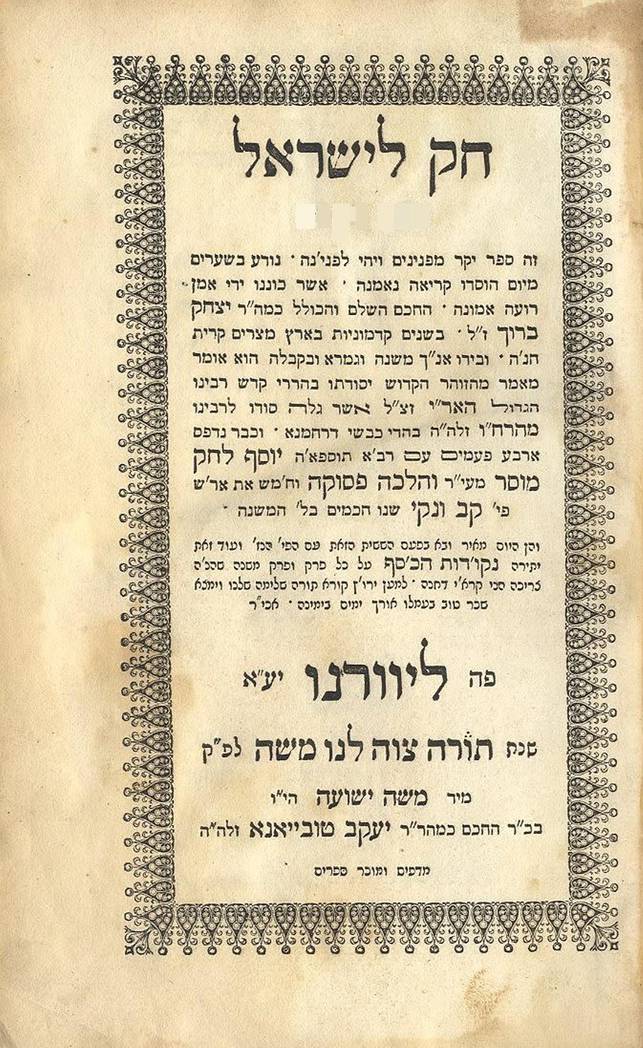
Save "חק לישראל - פרשת ויצא יום שישי"
חק לישראל - פרשת ויצא יום שישי

תורה

כדי להשלים כל הסדרה שנים מקרא ואחד תרגום הצגנו תשלום כל הסדרה ותרגום והפטרה:
ל (ה) וַתַּ֣הַר בִּלְהָ֔ה וַתֵּ֥לֶד לְיַעֲקֹ֖ב בֵּֽן׃
וְעַדִּיאַת בִּלְהָה וִילִידַת לְיַעֲקֹב בָּר:
(ו) וַתֹּ֤אמֶר רָחֵל֙ דָּנַ֣נִּי אֱלֹהִ֔ים וְגַם֙ שָׁמַ֣ע בְּקֹלִ֔י וַיִּתֶּן־לִ֖י בֵּ֑ן עַל־כֵּ֛ן קָרְאָ֥ה שְׁמ֖וֹ דָּֽן׃
וַאֲמֶרֶת רָחֵל דְּנַנִּי יְיָ וְאַף קַבִּיל צְלוֹתִי וִיהַב לִי בָּר עַל כֵּן קְרַת שְׁמֵיהּ דָּן:
(ז) וַתַּ֣הַר ע֔וֹד וַתֵּ֕לֶד בִּלְהָ֖ה שִׁפְחַ֣ת רָחֵ֑ל בֵּ֥ן שֵׁנִ֖י לְיַעֲקֹֽב׃
וְעַדִּיאַת עוֹד וִילִידַת בִּלְהָה אַמְתָא דְרָחֵל בָּר תִּנְיָן לְיַעֲקֹב:
(ח) וַתֹּ֣אמֶר רָחֵ֗ל נַפְתּוּלֵ֨י אֱלֹהִ֧ים ׀ נִפְתַּ֛לְתִּי עִם־אֲחֹתִ֖י גַּם־יָכֹ֑לְתִּי וַתִּקְרָ֥א שְׁמ֖וֹ נַפְתָּלִֽי׃
וַאֲמֶרֶת רָחֵל קַבִּיל יְיָ בָּעוּתִי בְּאִתְחַנָּנוּתִי בִּצְלוֹתִי חֲמֵידַת דִּיהֵי לִי וְלַד כַּאֲחָתִי אַף אִתְיְהִיב לִי וּקְרַת שְׁמֵיהּ נַפְתָּלִי:
(ט) וַתֵּ֣רֶא לֵאָ֔ה כִּ֥י עָמְדָ֖ה מִלֶּ֑דֶת וַתִּקַּח֙ אֶת־זִלְפָּ֣ה שִׁפְחָתָ֔הּ וַתִּתֵּ֥ן אֹתָ֛הּ לְיַעֲקֹ֖ב לְאִשָּֽׁה׃
וַחֲזַת לֵאָה אֲרֵי קָמַת מִלְּמֵילַד וּדְבָרַת יָת זִלְפָּה אַמְתַהּ וִיהָבַת יָתַהּ לְיַעֲקֹב לְאִנְתּוּ:
(י) וַתֵּ֗לֶד זִלְפָּ֛ה שִׁפְחַ֥ת לֵאָ֖ה לְיַעֲקֹ֥ב בֵּֽן׃
וִילִידַת זִלְפָּה אַמְתָא דְלֵאָה לְיַעֲקֹב בָּר:
(יא) וַתֹּ֥אמֶר לֵאָ֖ה (בגד) [בָּ֣א גָ֑ד] וַתִּקְרָ֥א אֶת־שְׁמ֖וֹ גָּֽד׃
וַאֲמֶרֶת לֵאָה אֲתָא גָד וּקְרַת יָת שְׁמֵיהּ גָּד:
(יב) וַתֵּ֗לֶד זִלְפָּה֙ שִׁפְחַ֣ת לֵאָ֔ה בֵּ֥ן שֵׁנִ֖י לְיַעֲקֹֽב׃
וִילִידַת זִלְפָּה אַמְתָא דְלֵאָה בָּר תִּנְיָן לְיַעֲקֹב:
(יג) וַתֹּ֣אמֶר לֵאָ֔ה בְּאׇשְׁרִ֕י כִּ֥י אִשְּׁר֖וּנִי בָּנ֑וֹת וַתִּקְרָ֥א אֶת־שְׁמ֖וֹ אָשֵֽׁר׃
וַאֲמֶרֶת לֵאָה תֻּשְׁבַּחְתָּא הֲוַת לִי אֲרֵי בְכֵן יְשַׁבְּחֻנַּנִי נְשַׁיָּא וּקְרַת יָת שְׁמֵיהּ אָשֵׁר:
30 (5) And Bilha conceived, and bore Ya῾aqov a son.
(6) And Raĥel said, God has judged me, and has also heard my voice, and has given me a son: therefore called she his name Dan.
(7) And Bilha Raĥel’s maid conceived again, and bore Ya῾aqov a second son.
(8) And Raĥel said, With great wrestlings have I wrestled with my sister, and I have prevailed: and she called his name Naftali.
(9) When Le᾽a saw that she had stopped bearing, she took Zilpa her maid, and gave her to Ya῾aqov to wife.
(10) And Zilpa Le᾽a’s maid bore Ya῾aqov a son.
(11) And Le᾽a said, Fortune comes, and she called his name Gad.
(12) And Zilpa Le᾽a’s maid bore Ya῾aqov a second son.
(13) And Le᾽a said, Happy am I, for the daughters will call me blessed: and she called his name Asher.
ל (יד) וַיֵּ֨לֶךְ רְאוּבֵ֜ן בִּימֵ֣י קְצִיר־חִטִּ֗ים וַיִּמְצָ֤א דֽוּדָאִים֙ בַּשָּׂדֶ֔ה וַיָּבֵ֣א אֹתָ֔ם אֶל־לֵאָ֖ה אִמּ֑וֹ וַתֹּ֤אמֶר רָחֵל֙ אֶל־לֵאָ֔ה תְּנִי־נָ֣א לִ֔י מִדּוּדָאֵ֖י בְּנֵֽךְ׃
וַאֲזַל רְאוּבֵן בְּיוֹמֵי חֲצַד חִטִּין וְאַשְׁכַּח יַבְרוּחִין בְּחַקְלָא וְאַיְתִי יָתְהוֹן לְלֵאָה אִמֵּיהּ וַאֲמֶרֶת רָחֵל לְלֵאָה הָבִי כְעַן לִי מִיַּבְרוּחֵי דִּבְרִיךְ:
(טו) וַתֹּ֣אמֶר לָ֗הּ הַמְעַט֙ קַחְתֵּ֣ךְ אֶת־אִישִׁ֔י וְלָקַ֕חַת גַּ֥ם אֶת־דּוּדָאֵ֖י בְּנִ֑י וַתֹּ֣אמֶר רָחֵ֗ל לָכֵן֙ יִשְׁכַּ֤ב עִמָּךְ֙ הַלַּ֔יְלָה תַּ֖חַת דּוּדָאֵ֥י בְנֵֽךְ׃
וַאֲמֶרֶת לַהּ הַזְעֵיר דִּדְבַרְתְּ יָת בַּעְלִי וְתִסְּבִין אַף יָת יַבְרוּחֵי דִּבְרִי וַאֲמֶרֶת רָחֵל בְּכֵן יִשְׁכּוּב עִמָךְ בְּלֵילְיָא חֳלַף יַבְרוּחֵי דִבְרִיךְ:
(טז) וַיָּבֹ֨א יַעֲקֹ֣ב מִן־הַשָּׂדֶה֮ בָּעֶ֒רֶב֒ וַתֵּצֵ֨א לֵאָ֜ה לִקְרָאת֗וֹ וַתֹּ֙אמֶר֙ אֵלַ֣י תָּב֔וֹא כִּ֚י שָׂכֹ֣ר שְׂכַרְתִּ֔יךָ בְּדוּדָאֵ֖י בְּנִ֑י וַיִּשְׁכַּ֥ב עִמָּ֖הּ בַּלַּ֥יְלָה הֽוּא׃
וַאֲתָא (נ"א וְעַל) יַעֲקֹב מִן חַקְלָא בְּרַמְשָׁא וּנְפָקַת לֵאָה לְקַדָּמוּתֵיהּ וַאֲמֶרֶת לְוָתִי תֵיעוֹל אֲרֵי מֵיגַר אֲגַרְתִּיךְ בְּיַבְרוּחֵי דִּבְרִי וּשְׁכִיב עִמַּהּ בְּלֵילְיָא הוּא:
(יז) וַיִּשְׁמַ֥ע אֱלֹהִ֖ים אֶל־לֵאָ֑ה וַתַּ֛הַר וַתֵּ֥לֶד לְיַעֲקֹ֖ב בֵּ֥ן חֲמִישִֽׁי׃
וְקַבִּיל יְיָ צְלוֹתַהּ דְּלֵאָה וְעַדִּיאַת וִילִידַת לְיַעֲקֹב בַּר חֲמִישָׁאִי:
(יח) וַתֹּ֣אמֶר לֵאָ֗ה נָתַ֤ן אֱלֹהִים֙ שְׂכָרִ֔י אֲשֶׁר־נָתַ֥תִּי שִׁפְחָתִ֖י לְאִישִׁ֑י וַתִּקְרָ֥א שְׁמ֖וֹ יִשָּׂשכָֽר׃
וַאֲמֶרֶת לֵאָה יְהַב יְיָ אַגְרִי דִּיהָבִית אַמְתִי לְבַעְלִי וּקְרַת שְׁמֵיהּ יִשָּׂשׂכָר:
(יט) וַתַּ֤הַר עוֹד֙ לֵאָ֔ה וַתֵּ֥לֶד בֵּן־שִׁשִּׁ֖י לְיַעֲקֹֽב׃
וְעַדִּיאַת עוֹד לֵאָה וִילִידַת בַּר שִׁתִיתָאִי לְיַעֲקֹב:
(כ) וַתֹּ֣אמֶר לֵאָ֗ה זְבָדַ֨נִי אֱלֹהִ֥ים ׀ אֹתִי֮ זֵ֣בֶד טוֹב֒ הַפַּ֙עַם֙ יִזְבְּלֵ֣נִי אִישִׁ֔י כִּֽי־יָלַ֥דְתִּי ל֖וֹ שִׁשָּׁ֣ה בָנִ֑ים וַתִּקְרָ֥א אֶת־שְׁמ֖וֹ זְבֻלֽוּן׃
וַאֲמֶרֶת לֵאָה יְהַב יְיָ יָתֵיהּ לִי חֳלַק טַב הָדָא זִמְנָא יְהֵי מְדוֹרֵיהּ דְּבַעְלִי לְוָתִי אֲרֵי יְלֵידִית לֵיהּ שִׁתָּא בְנִין וּקְרַת יָת שְׁמֵיהּ זְבֻלוּן:
(כא) וְאַחַ֖ר יָ֣לְדָה בַּ֑ת וַתִּקְרָ֥א אֶת־שְׁמָ֖הּ דִּינָֽה׃
וּבָתַר כֵּן יְלִידַת בְּרַתָּא וּקְרַת יָת שְׁמַהּ דִּינָה:
(כב) וַיִּזְכֹּ֥ר אֱלֹהִ֖ים אֶת־רָחֵ֑ל וַיִּשְׁמַ֤ע אֵלֶ֙יהָ֙ אֱלֹהִ֔ים וַיִּפְתַּ֖ח אֶת־רַחְמָֽהּ׃
וְעַל דּוּכְרָנָא דְרָחֵל קֳדָם יְיָ וְקַבִּיל צְלוֹתַהּ יְיָ וִיהַב לַהּ עִדּוּי:
(כג) וַתַּ֖הַר וַתֵּ֣לֶד בֵּ֑ן וַתֹּ֕אמֶר אָסַ֥ף אֱלֹהִ֖ים אֶת־חֶרְפָּתִֽי׃
וְעַדִּיאַת וִילִידַת בָּר וַאֲמֶרֶת כְּנַשׁ יְיָ יָת חִסּוּדִי:
(כד) וַתִּקְרָ֧א אֶת־שְׁמ֛וֹ יוֹסֵ֖ף לֵאמֹ֑ר יֹסֵ֧ף יְהֹוָ֛ה לִ֖י בֵּ֥ן אַחֵֽר׃
וּקְרַת יָת שְׁמֵיהּ יוֹסֵף לְמֵימָר יוֹסֵף יְיָ לִי בַּר אָחֳרָן:
(כה) וַיְהִ֕י כַּאֲשֶׁ֛ר יָלְדָ֥ה רָחֵ֖ל אֶת־יוֹסֵ֑ף וַיֹּ֤אמֶר יַעֲקֹב֙ אֶל־לָבָ֔ן שַׁלְּחֵ֙נִי֙ וְאֵ֣לְכָ֔ה אֶל־מְקוֹמִ֖י וּלְאַרְצִֽי׃
וַהֲוָה כַּד יְלִידַת רָחֵל יָת יוֹסֵף וַאֲמַר יַעֲקֹב לְלָבָן שַׁלְּחַנִי וְאֵיהַךְ לְאַתְרִי וּלְאַרְעִי:
(כו) תְּנָ֞ה אֶת־נָשַׁ֣י וְאֶת־יְלָדַ֗י אֲשֶׁ֨ר עָבַ֧דְתִּי אֹֽתְךָ֛ בָּהֵ֖ן וְאֵלֵ֑כָה כִּ֚י אַתָּ֣ה יָדַ֔עְתָּ אֶת־עֲבֹדָתִ֖י אֲשֶׁ֥ר עֲבַדְתִּֽיךָ׃
הַב יָת נְשַׁי וְיָת בְּנַי דִּי פְלָחִית יָתָךְ בְּהֵן וְאֵזֵיל אֲרֵי אַתְּ יְדַעְתָּ יָת פָּלְחָנִי דִּפְלָחִתָּךְ:
(כז) וַיֹּ֤אמֶר אֵלָיו֙ לָבָ֔ן אִם־נָ֛א מָצָ֥אתִי חֵ֖ן בְּעֵינֶ֑יךָ נִחַ֕שְׁתִּי וַיְבָרְכֵ֥נִי יְהֹוָ֖ה בִּגְלָלֶֽךָ׃
וַאַמַר לֵיהּ לָבָן אִם כְּעַן אַשְׁכָּחִית רַחֲמִין קֳדָמָךְ נַסֵּיתִי וּבָרְכַנִי יְיָ בְּדִילָךְ:
30 (14) And Re᾽uven went in the days of the wheat harvest, and found mandrakes in the field, and brought them to his mother Le᾽a. Then Raĥel said to Le᾽a, Give me, I pray thee, of thy son’s mandrakes.
(15) And she said to her, Is it a small matter that thou hast taken my husband? and wouldst thou take away my son’s mandrakes also? And Raĥel said, Therefore he shall lie with thee tonight for thy son’s mandrakes.
(16) And Ya῾aqov came out of the field in the evening, and Le᾽a went out to meet him, and said, Thou must come in to me; for indeed I have hired thee with my son’s mandrakes. And he lay with her that night.
(17) And God hearkened to Le᾽a, and she conceived, and bore Ya῾aqov a fifth son.
(18) And Le᾽a said, God has given me my hire, because I have given my maiden to my husband: and she called his name Yissakhar.
(19) And Le᾽a conceived again, and bore Ya῾aqov a sixth son.
(20) And Le᾽a said, God has endowed me with a good dowry; now will my husband dwell with me, because I have born him six sons: and she called his name Zevulun.
(21) And afterwards she bore a daughter, and called her name Dina.
(22) And God remembered Raĥel, and God hearkened to her, and opened her womb.
(23) And she conceived, and bore a son; and said, God has taken away my reproach:
(24) and she called his name Yosef; and said, The Lord shall add to me another son.
(25) And it came to pass, when Raĥel had born Yosef, that Ya῾aqov said to Lavan, Send me away, that I may go to my own place, and to my country.
(26) Give me my wives and my children, for whom I have served thee, and let me go: for thou knowst my service which I have done thee.
(27) And Lavan said to him, I pray thee, if I have found favour in thine eyes, I have learned by signs that the Lord has blessed me for thy sake.
ל (כח) וַיֹּאמַ֑ר נׇקְבָ֧ה שְׂכָרְךָ֛ עָלַ֖י וְאֶתֵּֽנָה׃
וַאֲמָר פָּרֵישׁ אַגְרָךְ עֲלַי וְאֶתֵּן:
(כט) וַיֹּ֣אמֶר אֵלָ֔יו אַתָּ֣ה יָדַ֔עְתָּ אֵ֖ת אֲשֶׁ֣ר עֲבַדְתִּ֑יךָ וְאֵ֛ת אֲשֶׁר־הָיָ֥ה מִקְנְךָ֖ אִתִּֽי׃
וַאֲמַר לֵיהּ אַתְּ יְדַעְתָּ יָת דִּפְלָחִתָּךְ וְיָת דַּהֲוָה בְעִירָךְ עִמִּי:
(ל) כִּ֡י מְעַט֩ אֲשֶׁר־הָיָ֨ה לְךָ֤ לְפָנַי֙ וַיִּפְרֹ֣ץ לָרֹ֔ב וַיְבָ֧רֶךְ יְהֹוָ֛ה אֹתְךָ֖ לְרַגְלִ֑י וְעַתָּ֗ה מָתַ֛י אֶֽעֱשֶׂ֥ה גַם־אָנֹכִ֖י לְבֵיתִֽי׃
אֲרֵי זְעֵיר דִּי הֲוָה לָךְ קֳדָמַי וּתְקֵיף לְמִסְגֵּי וּבָרִיךְ יְיָ יָתָךְ בְּדִילִי וּכְעַן אֵימָתַי אֶעְבֵּיד אַף אֲנָא לְבֵיתִי:
(לא) וַיֹּ֖אמֶר מָ֣ה אֶתֶּן־לָ֑ךְ וַיֹּ֤אמֶר יַעֲקֹב֙ לֹא־תִתֶּן־לִ֣י מְא֔וּמָה אִם־תַּֽעֲשֶׂה־לִּי֙ הַדָּבָ֣ר הַזֶּ֔ה אָשׁ֛וּבָה אֶרְעֶ֥ה צֹֽאנְךָ֖ אֶשְׁמֹֽר׃
וַאֲמַר מָה אֶתֶּן לָךְ וַאֲמַר יַעֲקֹב לָא תִתֶּן לִי מִדַּעַם אִם תַּעְבֶּד לִי פִּתְגָּמָא הָדֵין אֱתוּב אֶרְעֵי עָנָךְ אֶטָּר:
(לב) אֶֽעֱבֹ֨ר בְּכׇל־צֹֽאנְךָ֜ הַיּ֗וֹם הָסֵ֨ר מִשָּׁ֜ם כׇּל־שֶׂ֣ה ׀ נָקֹ֣ד וְטָל֗וּא וְכׇל־שֶׂה־חוּם֙ בַּכְּשָׂבִ֔ים וְטָל֥וּא וְנָקֹ֖ד בָּעִזִּ֑ים וְהָיָ֖ה שְׂכָרִֽי׃
אֶעְבַּר בְּכָל עָנָךְ יוֹמָא דֵין הַעֲדֵי (נ"א אַעְדִּי) מִתַּמָּן כָּל אִמָּר נְמוֹר וּרְקוֹעַ וְכָל אִמָּר שְׁחוּם בְּאִמְּרַיָּא וּרְקוֹעַ וּנְמוֹר בְּעִזַּיָּא וִיהֵי אַגְרִי:
(לג) וְעָֽנְתָה־בִּ֤י צִדְקָתִי֙ בְּי֣וֹם מָחָ֔ר כִּֽי־תָב֥וֹא עַל־שְׂכָרִ֖י לְפָנֶ֑יךָ כֹּ֣ל אֲשֶׁר־אֵינֶ֩נּוּ֩ נָקֹ֨ד וְטָל֜וּא בָּֽעִזִּ֗ים וְחוּם֙ בַּכְּשָׂבִ֔ים גָּנ֥וּב ה֖וּא אִתִּֽי׃
וְתַסְהֵד בִּי זָכוּתִי בְּיוֹם דִּמְחָר אֲרֵי תֵיעוֹל עַל אַגְרִי קֳדָמָךְ כֹּל דִּי לֵיתוֹהִי נְמוֹר וּרְקוֹעַ בְּעִזַּיָּא וּשְׁחוּם בְּאִמְּרַיָּא גְּנוּבָא הוּא עִמִּי:
(לד) וַיֹּ֥אמֶר לָבָ֖ן הֵ֑ן ל֖וּ יְהִ֥י כִדְבָרֶֽךָ׃
וַאֲמַר לָבָן בְּרָם לְוַי יְהֵי כְפִתְגָּמָךְ:
(לה) וַיָּ֣סַר בַּיּוֹם֩ הַה֨וּא אֶת־הַתְּיָשִׁ֜ים הָֽעֲקֻדִּ֣ים וְהַטְּלֻאִ֗ים וְאֵ֤ת כׇּל־הָֽעִזִּים֙ הַנְּקֻדּ֣וֹת וְהַטְּלֻאֹ֔ת כֹּ֤ל אֲשֶׁר־לָבָן֙ בּ֔וֹ וְכׇל־ח֖וּם בַּכְּשָׂבִ֑ים וַיִּתֵּ֖ן בְּיַד־בָּנָֽיו׃
וְאַעְדִּי בְיוֹמָא הַהוּא יָת תְּיָשַׁיָּא רְגוֹלַיָּא וּרְקוֹעַיָּא וְיָת כָּל עִזַיָּא נְמוֹרְתָא וּרְקוֹעֲתָא כֹּל דִּי חִוָּר בֵּיהּ וְכָל דִּשְׁחוּם בְּאִמְּרַיָּא וִיהַב בְּיַד בְּנוֹהִי:
(לו) וַיָּ֗שֶׂם דֶּ֚רֶךְ שְׁלֹ֣שֶׁת יָמִ֔ים בֵּינ֖וֹ וּבֵ֣ין יַעֲקֹ֑ב וְיַעֲקֹ֗ב רֹעֶ֛ה אֶת־צֹ֥אן לָבָ֖ן הַנּוֹתָרֹֽת׃
וְשַׁוִּי מַהֲלַךְ תְּלָתָא יוֹמִין בֵּינוֹהִי וּבֵין יַעֲקֹב וְיַעֲקֹב רָעֵי יָת עָנָא דְלָבָן דְּאִשְׁתָּאֳרַן:
(לז) וַיִּֽקַּֽח־ל֣וֹ יַעֲקֹ֗ב מַקַּ֥ל לִבְנֶ֛ה לַ֖ח וְל֣וּז וְעַרְמ֑וֹן וַיְפַצֵּ֤ל בָּהֵן֙ פְּצָל֣וֹת לְבָנ֔וֹת מַחְשֹׂף֙ הַלָּבָ֔ן אֲשֶׁ֖ר עַל־הַמַּקְלֽוֹת׃
וּנְסִיב לֵיהּ יַעֲקֹב חוּטְרִין דִּלְבָן רַטִּיבִין דִּדְלוּז וְדִדְלוּף וְקַלִיף בְּהוֹן קִלְפִין חִוָּרִין קִלוּף חִוָּר דִּי עַל חוּטְרַיָּא:
(לח) וַיַּצֵּ֗ג אֶת־הַמַּקְלוֹת֙ אֲשֶׁ֣ר פִּצֵּ֔ל בָּרְהָטִ֖ים בְּשִֽׁקְת֣וֹת הַמָּ֑יִם אֲשֶׁר֩ תָּבֹ֨אןָ הַצֹּ֤אן לִשְׁתּוֹת֙ לְנֹ֣כַח הַצֹּ֔אן וַיֵּחַ֖מְנָה בְּבֹאָ֥ן לִשְׁתּֽוֹת׃
וְדַעֵיץ יָת חוּטְרַיָּא דִּי קַלִּיף בִּרְהָטַיָּא אֲתַר בֵּית שָׁקְיָא דְמַיָּא אֲתַר דְּאָתָן (נ"א דְּאָתְיָן) עָנָא לְמִשְׁתֵּי לְקִבְלֵהוֹן דְּעָנָא וּמִתְיַחֲמָן בְּמֵיתֵיהוֹן לְמִשְׁתֵּי:
(לט) וַיֶּחֱמ֥וּ הַצֹּ֖אן אֶל־הַמַּקְל֑וֹת וַתֵּלַ֣דְןָ הַצֹּ֔אן עֲקֻדִּ֥ים נְקֻדִּ֖ים וּטְלֻאִֽים׃
וְאִתְיַחֲמָא עָנָא בְּחוּטְרַיָּא וִילִידָא עָנָא רְגוֹלִין נְמוֹרִין וּרְקוֹעִין:
(מ) וְהַכְּשָׂבִים֮ הִפְרִ֣יד יַעֲקֹב֒ וַ֠יִּתֵּ֠ן פְּנֵ֨י הַצֹּ֧אן אֶל־עָקֹ֛ד וְכׇל־ח֖וּם בְּצֹ֣אן לָבָ֑ן וַיָּֽשֶׁת־ל֤וֹ עֲדָרִים֙ לְבַדּ֔וֹ וְלֹ֥א שָׁתָ֖ם עַל־צֹ֥אן לָבָֽן׃
וְאִמְּרַיָּא אַפְרֵשׁ יַעֲקֹב וִיהַב בְּרֵישׁ עָנָא כָּל דִּרְגוֹל וְכָל דִּשְׁחוּם בְּעָנָא דְלָבָן וְשַׁוִּי לֵיהּ עֶדְרִין בִּלְחוֹדוֹהִי וְלָא עֲרֵבִנּוּן עִם עָנָא דְלָבָן:
(מא) וְהָיָ֗ה בְּכׇל־יַחֵם֮ הַצֹּ֣אן הַמְקֻשָּׁרוֹת֒ וְשָׂ֨ם יַעֲקֹ֧ב אֶת־הַמַּקְל֛וֹת לְעֵינֵ֥י הַצֹּ֖אן בָּרְהָטִ֑ים לְיַחְמֵ֖נָּה בַּמַּקְלֽוֹת׃
וַהֲוֵי בְּכָל עִדַּן דְּמִתְיַחֲמָן עָנָא מְבַכַּרְתָּא וּמְשַׁוִּי יַעֲקֹב יָת חוּטְרַיָּא לְעֵינֵי עָנָא בִּרְהָטַיָּא לְיַחָמוּתְהוֹן בְּחוּטְרַיָּא:
(מב) וּבְהַעֲטִ֥יף הַצֹּ֖אן לֹ֣א יָשִׂ֑ים וְהָיָ֤ה הָעֲטֻפִים֙ לְלָבָ֔ן וְהַקְּשֻׁרִ֖ים לְיַעֲקֹֽב׃
וּבְלַקִּישׁוּת עָנָא לָא מְשַׁוֵּי וַהֲווֹ לַקְּשַׁיָא לְלָבָן וּבַכִּירַיָּא לְיַעֲקֹב:
(מג) וַיִּפְרֹ֥ץ הָאִ֖ישׁ מְאֹ֣ד מְאֹ֑ד וַֽיְהִי־לוֹ֙ צֹ֣אן רַבּ֔וֹת וּשְׁפָחוֹת֙ וַעֲבָדִ֔ים וּגְמַלִּ֖ים וַחֲמֹרִֽים׃
וּתְקֵיף גַּבְרָא לַחֲדָא לַחֲדָא וַהֲווֹ לֵיהּ עָן סַגִּיאָן וַאַמְהָן וְעַבְדִּין וְגַמְלִין וַחֲמָרִין:
לא (א) וַיִּשְׁמַ֗ע אֶת־דִּבְרֵ֤י בְנֵֽי־לָבָן֙ לֵאמֹ֔ר לָקַ֣ח יַעֲקֹ֔ב אֵ֖ת כׇּל־אֲשֶׁ֣ר לְאָבִ֑ינוּ וּמֵאֲשֶׁ֣ר לְאָבִ֔ינוּ עָשָׂ֕ה אֵ֥ת כׇּל־הַכָּבֹ֖ד הַזֶּֽה׃
וּשְׁמַע יָת פִּתְגָּמֵי בְנֵי לָבָן דְּאָמְרִין נְסִיב יַעֲקֹב יָת כָּל דִּי לְאָבוּנָא וּמִדִּי לְאָבוּנָא קְנָא יָת כָּל נִכְסַיָּא הָדֵין:
(ב) וַיַּ֥רְא יַעֲקֹ֖ב אֶת־פְּנֵ֣י לָבָ֑ן וְהִנֵּ֥ה אֵינֶ֛נּוּ עִמּ֖וֹ כִּתְמ֥וֹל שִׁלְשֽׁוֹם׃
וַחֲזָא יַעֲקֹב יָת סְבַר אַפֵּי לָבָן וְהָא לֵיתוֹהִי עִמֵּיהּ כְּמֵאִתְמַלֵּי וּמִדְּקַמּוֹהִי:
(ג) וַיֹּ֤אמֶר יְהֹוָה֙ אֶֽל־יַעֲקֹ֔ב שׁ֛וּב אֶל־אֶ֥רֶץ אֲבוֹתֶ֖יךָ וּלְמוֹלַדְתֶּ֑ךָ וְאֶֽהְיֶ֖ה עִמָּֽךְ׃
וַאֲמַר יְיָ לְיַעֲקֹב תּוּב לְאַרְעָא דַאֲבָהָתָךְ וּלְיַלָּדְתָּךְ וִיהֵי מֵימְרִי בְּסַעְדָּךְ:
(ד) וַיִּשְׁלַ֣ח יַעֲקֹ֔ב וַיִּקְרָ֖א לְרָחֵ֣ל וּלְלֵאָ֑ה הַשָּׂדֶ֖ה אֶל־צֹאנֽוֹ׃
וּשְׁלַח יַעֲקֹב וּקְרָא לְרָחֵל וּלְלֵאָה לְחַקְלָא לְוַת עָנֵיהּ:
(ה) וַיֹּ֣אמֶר לָהֶ֗ן רֹאֶ֤ה אָנֹכִי֙ אֶת־פְּנֵ֣י אֲבִיכֶ֔ן כִּֽי־אֵינֶ֥נּוּ אֵלַ֖י כִּתְמֹ֣ל שִׁלְשֹׁ֑ם וֵֽאלֹהֵ֣י אָבִ֔י הָיָ֖ה עִמָּדִֽי׃
וַאֲמַר לְהֵן חָזֵי אֲנָא יָת סְבַר אַפֵּי אֲבוּכֶן אֲרֵי לֵיתוֹהִי עִמִּי כְּמֵאִתְמַלִּי וּמִדְּקַמּוֹהִי וֵאלָהֵהּ דְּאַבָּא הֲוָה בְּסַעְדִּי:
(ו) וְאַתֵּ֖נָה יְדַעְתֶּ֑ן כִּ֚י בְּכׇל־כֹּחִ֔י עָבַ֖דְתִּי אֶת־אֲבִיכֶֽן׃
וְאַתִּין יְדַעְתִּין אֲרֵי בְּכָל חֵילִי פְּלָחִית יָת אֲבוּכֶן:
(ז) וַאֲבִיכֶן֙ הֵ֣תֶל בִּ֔י וְהֶחֱלִ֥ף אֶת־מַשְׂכֻּרְתִּ֖י עֲשֶׂ֣רֶת מֹנִ֑ים וְלֹֽא־נְתָנ֣וֹ אֱלֹהִ֔ים לְהָרַ֖ע עִמָּדִֽי׃
וַאֲבוּכֶן שְׁקַּר בִּי וְאַשְׁנִי יָת אַגְרִי עֲשַׂר זִמְנִין וְלָא שָׁבְקֵיהּ יְיָ לְאַבְאָשָׁא עִמִּי:
(ח) אִם־כֹּ֣ה יֹאמַ֗ר נְקֻדִּים֙ יִהְיֶ֣ה שְׂכָרֶ֔ךָ וְיָלְד֥וּ כׇל־הַצֹּ֖אן נְקֻדִּ֑ים וְאִם־כֹּ֣ה יֹאמַ֗ר עֲקֻדִּים֙ יִהְיֶ֣ה שְׂכָרֶ֔ךָ וְיָלְד֥וּ כׇל־הַצֹּ֖אן עֲקֻדִּֽים׃
אִם כְּדֵין הֲוָה אֲמַר נְמוֹרִין יְהֵא אַגְרָךְ וִילִידָן כָּל עָנָא נְמוֹרִין וְאִם כְּדֵין הֲוָה אֲמַר רְגוֹלִין יְהֵא אַגְרָךְ וִילִידָן כָּל עָנָא רְגוֹלִין:
(ט) וַיַּצֵּ֧ל אֱלֹהִ֛ים אֶת־מִקְנֵ֥ה אֲבִיכֶ֖ם וַיִּתֶּן־לִֽי׃
וְאַפְרֵשׁ יְיָ יָת גֵּיתֵי דַאֲבוּכוֹן וִיהַב לִי:
(י) וַיְהִ֗י בְּעֵת֙ יַחֵ֣ם הַצֹּ֔אן וָאֶשָּׂ֥א עֵינַ֛י וָאֵ֖רֶא בַּחֲל֑וֹם וְהִנֵּ֤ה הָֽעַתֻּדִים֙ הָעֹלִ֣ים עַל־הַצֹּ֔אן עֲקֻדִּ֥ים נְקֻדִּ֖ים וּבְרֻדִּֽים׃
וַהֲוָה בְּעִדַּן דְּאִתְיַחֲמָא עָנָא וּזְקָפִית עַיְנַי וַחֲזֵית בְּחֶלְמָא וְהָא תְיָשַׁיָּא דְּסָלְקִין עַל עָנָא רְגוֹלִין נְמוֹרִין וּפַצִּיחִין:
(יא) וַיֹּ֨אמֶר אֵלַ֜י מַלְאַ֧ךְ הָאֱלֹהִ֛ים בַּחֲל֖וֹם יַֽעֲקֹ֑ב וָאֹמַ֖ר הִנֵּֽנִי׃
וַאֲמַר לִי מַלְאָכָא דַיְיָ בְּחֶלְמָא יַעֲקֹב וַאֲמָרִית הָא אֲנָא:
(יב) וַיֹּ֗אמֶר שָׂא־נָ֨א עֵינֶ֤יךָ וּרְאֵה֙ כׇּל־הָֽעַתֻּדִים֙ הָעֹלִ֣ים עַל־הַצֹּ֔אן עֲקֻדִּ֥ים נְקֻדִּ֖ים וּבְרֻדִּ֑ים כִּ֣י רָאִ֔יתִי אֵ֛ת כׇּל־אֲשֶׁ֥ר לָבָ֖ן עֹ֥שֶׂה לָּֽךְ׃
וַאֲמַר זְקוֹף כְּעַן עַיְנָךְ וַחֲזֵי כָּל תְּיָשַׁיָּא דְּסָלְקִין עַל עָנָא רְגוֹלִין נְמוֹרִין וּפַצִּיחִין אֲרֵי גְלֵי קֳדָמַי יָת כָּל דִּי לָבָן עָבֵד לָךְ:
(יג) אָנֹכִ֤י הָאֵל֙ בֵּֽית־אֵ֔ל אֲשֶׁ֨ר מָשַׁ֤חְתָּ שָּׁם֙ מַצֵּבָ֔ה אֲשֶׁ֨ר נָדַ֥רְתָּ לִּ֛י שָׁ֖ם נֶ֑דֶר עַתָּ֗ה ק֥וּם צֵא֙ מִן־הָאָ֣רֶץ הַזֹּ֔את וְשׁ֖וּב אֶל־אֶ֥רֶץ מוֹלַדְתֶּֽךָ׃
אֲנָא אֱלָהָא דְּאִתְגְּלֵיתִי עֲלָךְ בְּבֵית אֵל דִּי מְשַׁחְתָּא תַמָּן קָמָא דִּי קַיִּמְתָּא קֳדָמַי תַּמָּן קְיָם כְּעַן קוּם פּוּק מִן אַרְעָא הָדָא וְתוּב לְאַרְעָא יַלָּדוּתָךְ:
(יד) וַתַּ֤עַן רָחֵל֙ וְלֵאָ֔ה וַתֹּאמַ֖רְנָה ל֑וֹ הַע֥וֹד לָ֛נוּ חֵ֥לֶק וְנַחֲלָ֖ה בְּבֵ֥ית אָבִֽינוּ׃
וַאֲתִיבַת רָחֵל וְלֵאָה וַאֲמָרַן לֵיהּ הַעוֹד (כְּעַן) לָנָא חֳלָק וְאַחֲסָנָא בְּבֵית אֲבוּנָא:
(טו) הֲל֧וֹא נׇכְרִיּ֛וֹת נֶחְשַׁ֥בְנוּ ל֖וֹ כִּ֣י מְכָרָ֑נוּ וַיֹּ֥אכַל גַּם־אָכ֖וֹל אֶת־כַּסְפֵּֽנוּ׃
הֲלָא נוּכְרָאָן אִתְחֲשַׁבְנָא לֵיהּ אֲרֵי זַבְּנָנָא וַאֲכַל אַף מֵיכַל יָת כַּסְפָּנָא:
(טז) כִּ֣י כׇל־הָעֹ֗שֶׁר אֲשֶׁ֨ר הִצִּ֤יל אֱלֹהִים֙ מֵֽאָבִ֔ינוּ לָ֥נוּ ה֖וּא וּלְבָנֵ֑ינוּ וְעַתָּ֗ה כֹּל֩ אֲשֶׁ֨ר אָמַ֧ר אֱלֹהִ֛ים אֵלֶ֖יךָ עֲשֵֽׂה׃
אֲרֵי כָל עוּתְרָא דִּי אַפְרֵשׁ יְיָ מֵאֲבוּנָא דִּילָנָא הוּא וּלְבָנָנָא וּכְעַן כֹּל דִּי אֲמַר יְיָ לָךְ עָבֵד:
30 (28) And he said, Appoint me thy wages, and I will give it.
(29) And he said to him, Thou knowst how I have served thee, and how thy cattle were with me.
(30) For the little which thou hadst before I came is now increased to a multitude; and the Lord has blessed thee since my coming: and now when shall I provide for my own house also?
(31) And he said, What shall I give thee? And Ya῾aqov said, Thou shalt not give me anything: if thou wilt do this thing for me, I will again feed and keep thy flock.
(32) I will pass through all thy flock today, removing from there all the speckled and spotted cattle, and all the brown ones among the sheep, and the spotted and speckled among the goats: and of such shall be my hire.
(33) So shall my righteousness answer for me in time to come, when thou shalt come to see my hire before thy face: every one that is not speckled and spotted among the goats, and brown among the sheep, that shall be counted stolen with me.
(34) And Lavan said, Behold, would it might be according to thy word.
(35) And he removed that day the he goats that were streaked and spotted, and all the she goats that were speckled and spotted, and every one that had some white in it, and all the brown ones among the sheep, and gave them into the hand of his sons.
(36) And he set three days’ journey between himself and Ya῾aqov: and Ya῾aqov tended the rest of Lavan’s flocks.
(37) And Ya῾aqov took him rods of green poplar, and of the almond and plane tree; and peeled white streaks in them, and made the white appear which was in the rods.
(38) And he set the rods which he had peeled before the flocks in the gutters in the watering troughs when the flocks came to drink, that they should conceive when they came to drink.
(39) And the flocks conceived before the rods, and brought forth cattle streaked, speckled, and spotted.
(40) And Ya῾aqov separated the lambs, and set the faces of the flocks toward the streaked and all the brown in the flock of Lavan; and he put his own flocks by themselves, and put them not to Lavan’s cattle.
(41) And it came to pass, whenever the stronger cattle did conceive, that Ya῾aqov laid the rods before the eyes of the cattle in the gutters, that they might conceive among the rods.
(42) But when the cattle were feeble, he did not put them in: so the feebler were Lavan’s, and the stronger Ya῾aqov’s.
(43) And the man increased exceedingly, and had much cattle, and maidservants, and menservants, and camels, and asses.
31 (1) And he heard the words of Lavan’s sons, saying, Ya῾aqov has taken away all that was our father’s; and of that which was our father’s has he gotten all his glory.
(2) And Ya῾aqov beheld the face of Lavan, and, behold, it was not towards him as before.
(3) And the Lord said to Ya῾aqov, Return to the land of thy fathers, and to thy kindred; and I will be with thee.
(4) And Ya῾aqov sent and called Raĥel and Le᾽a to the field to his flock,
(5) and he said to them, I see your father’s face, that it is not towards me as before; but the God of my father has been with me.
(6) And you know that with all my power I have served your father.
(7) And your father has deceived me, and changed my wages ten times; but God did not allow him to hurt me.
(8) If he said thus, The speckled shall be thy wages; then all the flock bore speckled: and if he said thus, The streaked shall be thy hire; then all the flock bore streaked.
(9) Thus God has taken away the cattle of your father, and given it to me.
(10) And it came to pass at the time that the flock conceived, that I raised my eyes, and saw in a dream, and, behold, the rams which leaped upon the cattle were streaked, speckled, and grizzled.
(11) And the angel of God spoke to me in a dream, saying, Ya῾aqov: And I said, Here I am.
(12) And he said, Lift up now thy eyes, and see, all the rams which leap upon the flock are streaked, speckled, and grizzled: for I have seen all that Lavan does to thee.
(13) I am the God of Bet-el, where thou didst anoint a pillar, and where thou didst vow a vow to me: now arise, get out of this land, and return to the land of thy birth.
(14) And Raĥel and Le᾽a answered and said to him, Is there yet any portion or inheritance for us in our father’s house?
(15) Are we not counted strangers by him? for he has sold us, and has quite devoured also our money.
(16) For all the riches which God has taken from our father, it is ours, and our children’s: now then, whatever God has said to thee, do.
לא (יז) וַיָּ֖קׇם יַעֲקֹ֑ב וַיִּשָּׂ֛א אֶת־בָּנָ֥יו וְאֶת־נָשָׁ֖יו עַל־הַגְּמַלִּֽים׃
וְקָם יַעֲקֹב וּנְטַל יָת בְּנוֹהִי וְיָת נְשׁוֹהִי עַל גַּמְלַיָּא:
(יח) וַיִּנְהַ֣ג אֶת־כׇּל־מִקְנֵ֗הוּ וְאֶת־כׇּל־רְכֻשׁוֹ֙ אֲשֶׁ֣ר רָכָ֔שׁ מִקְנֵה֙ קִנְיָנ֔וֹ אֲשֶׁ֥ר רָכַ֖שׁ בְּפַדַּ֣ן אֲרָ֑ם לָב֛וֹא אֶל־יִצְחָ֥ק אָבִ֖יו אַ֥רְצָה כְּנָֽעַן׃
וּדְבַר יָת כָּל גֵּיתוֹהִי וְיָת כָּל קִנְיָנֵיהּ דִּקְנָא גֵּיתֵי קִנְיָנֵיהּ דִּי קְנָא בְּפַדַּן אֲרָם לְמֵיתֵי לְוַת יִצְחָק אֲבוּהִי לְאַרְעָא כְנָעַן:
(יט) וְלָבָ֣ן הָלַ֔ךְ לִגְזֹ֖ז אֶת־צֹאנ֑וֹ וַתִּגְנֹ֣ב רָחֵ֔ל אֶת־הַתְּרָפִ֖ים אֲשֶׁ֥ר לְאָבִֽיהָ׃
וְלָבָן אֲזַל לְמִגַּז יָת עָנֵיהּ וְכַסִּיאַת רָחֵל יָת צַלְמָנַיָּא דִּי לַאֲבוּהָא:
(כ) וַיִּגְנֹ֣ב יַעֲקֹ֔ב אֶת־לֵ֥ב לָבָ֖ן הָאֲרַמִּ֑י עַל־בְּלִי֙ הִגִּ֣יד ל֔וֹ כִּ֥י בֹרֵ֖חַ הֽוּא׃
וְכַסִּי יַעֲקֹב מִן לִבָּא דְלָבָן אֲרַמָּאָה עַל דְּלָא חַוִּי לֵיהּ אֲרֵי אָזֵל הוּא:
(כא) וַיִּבְרַ֥ח הוּא֙ וְכׇל־אֲשֶׁר־ל֔וֹ וַיָּ֖קׇם וַיַּעֲבֹ֣ר אֶת־הַנָּהָ֑ר וַיָּ֥שֶׂם אֶת־פָּנָ֖יו הַ֥ר הַגִּלְעָֽד׃
וַאֲזַל הוּא וְכָל דִּי לֵיהּ וְקָם וַעֲבַר יָת פְּרָת וְשַׁוִּי יָת אַפּוֹהִי לְטוּרָא דְגִלְעָד:
(כב) וַיֻּגַּ֥ד לְלָבָ֖ן בַּיּ֣וֹם הַשְּׁלִישִׁ֑י כִּ֥י בָרַ֖ח יַעֲקֹֽב׃
וְאִתְחֲוָה לְלָבָן בְּיוֹמָא תְלִיתָאָה אֲרֵי אָזֵל יַעֲקֹב:
(כג) וַיִּקַּ֤ח אֶת־אֶחָיו֙ עִמּ֔וֹ וַיִּרְדֹּ֣ף אַחֲרָ֔יו דֶּ֖רֶךְ שִׁבְעַ֣ת יָמִ֑ים וַיַּדְבֵּ֥ק אֹת֖וֹ בְּהַ֥ר הַגִּלְעָֽד׃
וּדְבַר יָת אָחוּהִי עִמֵּיהּ וּרְדַף בַּתְרוֹהִי מַהֲלַךְ שִׁבְעַת יוֹמִין וְאַדְבֵּק יָתֵיהּ בְּטוּרָא דְגִלְעָד:
(כד) וַיָּבֹ֧א אֱלֹהִ֛ים אֶל־לָבָ֥ן הָאֲרַמִּ֖י בַּחֲלֹ֣ם הַלָּ֑יְלָה וַיֹּ֣אמֶר ל֗וֹ הִשָּׁ֧מֶר לְךָ֛ פֶּן־תְּדַבֵּ֥ר עִֽם־יַעֲקֹ֖ב מִטּ֥וֹב עַד־רָֽע׃
וַאֲתָא מֵימַר מִן קֳדָם יְיָ לְוַת לָבָן אֲרַמָּאָה בְּחֵילְמָא דְלֵילְיָא וַאֲמַר לֵיהּ אִסְתַּמַּר לָךְ דִּילְמָא תְמַלֵּיל עִם יַעֲקֹב מִטַּב עַד בִּישׁ:
(כה) וַיַּשֵּׂ֥ג לָבָ֖ן אֶֽת־יַעֲקֹ֑ב וְיַעֲקֹ֗ב תָּקַ֤ע אֶֽת־אׇהֳלוֹ֙ בָּהָ֔ר וְלָבָ֛ן תָּקַ֥ע אֶת־אֶחָ֖יו בְּהַ֥ר הַגִּלְעָֽד׃
וְאַדְבֵּיק לָבָן יָת יַעֲקֹב וְיַעֲקֹב פְּרַס יָת מַשְׁכְּנֵיהּ בְּטוּרָא וְלָבָן אַשְׁרֵי יָת אֲחוֹהִי בְּטוּרָא דְגִלְעָד:
(כו) וַיֹּ֤אמֶר לָבָן֙ לְיַעֲקֹ֔ב מֶ֣ה עָשִׂ֔יתָ וַתִּגְנֹ֖ב אֶת־לְבָבִ֑י וַתְּנַהֵג֙ אֶת־בְּנֹתַ֔י כִּשְׁבֻי֖וֹת חָֽרֶב׃
וַאֲמַר לָבָן לְיַעֲקֹב מָה עֲבַדְתָּ וְכַסֵּיתָא מִנִּי וּדְבַרְתָּא יָת בְּנָתַי כְּשַׁבְיוֹת חַרְבָּא:
(כז) לָ֤מָּה נַחְבֵּ֙אתָ֙ לִבְרֹ֔חַ וַתִּגְנֹ֖ב אֹתִ֑י וְלֹא־הִגַּ֣דְתָּ לִּ֔י וָֽאֲשַׁלֵּחֲךָ֛ בְּשִׂמְחָ֥ה וּבְשִׁרִ֖ים בְּתֹ֥ף וּבְכִנּֽוֹר׃
לְמָה אִטְמַרְתָּ לְמֵיזַל וְכַסֵּיתָא מִנִּי וְלָא חַוֵּיתָא לִי וְשַׁלָּחִתָּךְ פּוֹן בְּחֶדְוָא וּבְתוּשְׁבְּחָן בְּתוּפִין וּבְכִנָּרִין:
(כח) וְלֹ֣א נְטַשְׁתַּ֔נִי לְנַשֵּׁ֥ק לְבָנַ֖י וְלִבְנֹתָ֑י עַתָּ֖ה הִסְכַּ֥לְתָּֽ עֲשֽׂוֹ׃
וְלָא שְׁבַקְתַּנִי לְנַשָּׁקָא לִבְנַי וְלִבְנָתָי כְּעַן אַסְכֶּלְתָּא לְמֶעְבָּד:
(כט) יֶשׁ־לְאֵ֣ל יָדִ֔י לַעֲשׂ֥וֹת עִמָּכֶ֖ם רָ֑ע וֵֽאלֹהֵ֨י אֲבִיכֶ֜ם אֶ֣מֶשׁ ׀ אָמַ֧ר אֵלַ֣י לֵאמֹ֗ר הִשָּׁ֧מֶר לְךָ֛ מִדַּבֵּ֥ר עִֽם־יַעֲקֹ֖ב מִטּ֥וֹב עַד־רָֽע׃
אִית חֵילָא בִידִי לְמֶעְבַּד עִמְּכוֹן בִּישׁ וֵאלָהָא דַאֲבוּכוֹן בְּרַמְשָׁא אֲמַר לִי לְמֵימַר אִסְתַּמַּר לָךְ מִלְּמַלָּלָא עִם יַעֲקֹב מִטַּב עַד בִּישׁ:
(ל) וְעַתָּה֙ הָלֹ֣ךְ הָלַ֔כְתָּ כִּֽי־נִכְסֹ֥ף נִכְסַ֖פְתָּה לְבֵ֣ית אָבִ֑יךָ לָ֥מָּה גָנַ֖בְתָּ אֶת־אֱלֹהָֽי׃
וּכְעַן מֵיזַל אֲזַלְתָּ אֲרֵי חַמָּדָא חַמֵּדְתָּא לְבֵית אָבוּךְ לְמָא נְסִבְתָּא יָת דַּחַלְתִּי:
(לא) וַיַּ֥עַן יַעֲקֹ֖ב וַיֹּ֣אמֶר לְלָבָ֑ן כִּ֣י יָרֵ֔אתִי כִּ֣י אָמַ֔רְתִּי פֶּן־תִּגְזֹ֥ל אֶת־בְּנוֹתֶ֖יךָ מֵעִמִּֽי׃
וַאֲתֵיב יַעֲקֹב וַאֲמַר לְלָבָן אֲרֵי דְחֵילִית אֲרֵי אֲמָרִית דִּילְמָא תָנֵיס יָת בְּנָתָךְ מִנִּי:
(לב) עִ֠ם אֲשֶׁ֨ר תִּמְצָ֣א אֶת־אֱלֹהֶ֘יךָ֮ לֹ֣א יִֽחְיֶה֒ נֶ֣גֶד אַחֵ֧ינוּ הַֽכֶּר־לְךָ֛ מָ֥ה עִמָּדִ֖י וְקַֽח־לָ֑ךְ וְלֹֽא־יָדַ֣ע יַעֲקֹ֔ב כִּ֥י רָחֵ֖ל גְּנָבָֽתַם׃
עִם (נ"א אֲתַר) דִּי תַשְׁכַּח יָת דַּחַלְתָּךְ לָא יִתְקַיַּם קֳדָם אֲחָנָא אִשְׁתְּמוֹדַע לָךְ מָה דְעִמִּי וְסַב לָךְ וְלָא יְדַע יַעֲקֹב אֲרֵי רָחֵל נְסִיבָתְהוֹן:
(לג) וַיָּבֹ֨א לָבָ֜ן בְּאֹ֥הֶל יַעֲקֹ֣ב ׀ וּבְאֹ֣הֶל לֵאָ֗ה וּבְאֹ֛הֶל שְׁתֵּ֥י הָאֲמָהֹ֖ת וְלֹ֣א מָצָ֑א וַיֵּצֵא֙ מֵאֹ֣הֶל לֵאָ֔ה וַיָּבֹ֖א בְּאֹ֥הֶל רָחֵֽל׃
וְעַל לָבָן בְּמַשְׁכְּנָא דְיַעֲקֹב וּבְמַשְׁכְּנָא דְלֵאָה וּבְמַשְׁכְּנָא דְּתַרְתֵּין לְחֵינָתָא וְלָא אַשְׁכַּח וּנְפַק מִמַּשְׁכְּנָא דְלֵאָה וְעַל בְּמַשְׁכְּנָא דְרָחֵל:
(לד) וְרָחֵ֞ל לָקְחָ֣ה אֶת־הַתְּרָפִ֗ים וַתְּשִׂמֵ֛ם בְּכַ֥ר הַגָּמָ֖ל וַתֵּ֣שֶׁב עֲלֵיהֶ֑ם וַיְמַשֵּׁ֥שׁ לָבָ֛ן אֶת־כׇּל־הָאֹ֖הֶל וְלֹ֥א מָצָֽא׃
וְרָחֵל נְסִיבַת יָת צַלְמָנַיָּא וְשַׁוִּתִּנּוּן בַּעֲבִיטָא דְגַמְלָא וִיתִיבַת עֲלֵיהוֹן וּמַשִּׁישׁ לָבָן יָת כָּל מַשְׁכְּנָא וְלָא אַשְׁכָּח:
(לה) וַתֹּ֣אמֶר אֶל־אָבִ֗יהָ אַל־יִ֙חַר֙ בְּעֵינֵ֣י אֲדֹנִ֔י כִּ֣י ל֤וֹא אוּכַל֙ לָק֣וּם מִפָּנֶ֔יךָ כִּי־דֶ֥רֶךְ נָשִׁ֖ים לִ֑י וַיְחַפֵּ֕שׂ וְלֹ֥א מָצָ֖א אֶת־הַתְּרָפִֽים׃
וַאֲמֶרֶת לַאֲבוּהָא לָא יִתְקֵף בְּעֵינֵי רִבּוֹנִי אֲרֵי לָא אִכּוּל לְמֵיקַם מִן קֳדָמָךְ אֲרֵי אֹרַח נְשִׁין לִי וּבְלַשׁ וְלָא אַשְׁכַּח יָת צַלְמָנַיָּא:
(לו) וַיִּ֥חַר לְיַעֲקֹ֖ב וַיָּ֣רֶב בְּלָבָ֑ן וַיַּ֤עַן יַעֲקֹב֙ וַיֹּ֣אמֶר לְלָבָ֔ן מַה־פִּשְׁעִי֙ מַ֣ה חַטָּאתִ֔י כִּ֥י דָלַ֖קְתָּ אַחֲרָֽי׃
וּתְקֵיף לְיַעֲקֹב וּנְצָא עִם לָבָן וַאֲתֵיב יַעֲקֹב וַאֲמַר לְלָבָן מַה חוֹבִי מַה סוּרְחָנִי אֲרֵי רְדַפְתָּא בַּתְרָי:
(לז) כִּֽי־מִשַּׁ֣שְׁתָּ אֶת־כׇּל־כֵּלַ֗י מַה־מָּצָ֙אתָ֙ מִכֹּ֣ל כְּלֵי־בֵיתֶ֔ךָ שִׂ֣ים כֹּ֔ה נֶ֥גֶד אַחַ֖י וְאַחֶ֑יךָ וְיוֹכִ֖יחוּ בֵּ֥ין שְׁנֵֽינוּ׃
אֲרֵי מַשִּׁשְׁתָּא יָת כָּל מָנַי מָה אַשְׁכַּחְתָּא מִכֹּל מָנֵי בֵיתָךְ שַׁוִּי הָכָא קֳדָם אַחַי וְאַחָיךְ וְיוֹכִיחוּן בֵּין תַּרְוָנָא:
(לח) זֶה֩ עֶשְׂרִ֨ים שָׁנָ֤ה אָנֹכִי֙ עִמָּ֔ךְ רְחֵלֶ֥יךָ וְעִזֶּ֖יךָ לֹ֣א שִׁכֵּ֑לוּ וְאֵילֵ֥י צֹאנְךָ֖ לֹ֥א אָכָֽלְתִּי׃
דְּנַן עֶסְרִין שְׁנִין אֲנָא עִמָּךְ רְחֵלָךְ וְעִזָּךְ לָא אַתְכִּילוּ וְדִכְרֵי עָנָךְ לָא אֲכָלִית:
(לט) טְרֵפָה֙ לֹא־הֵבֵ֣אתִי אֵלֶ֔יךָ אָנֹכִ֣י אֲחַטֶּ֔נָּה מִיָּדִ֖י תְּבַקְשֶׁ֑נָּה גְּנֻֽבְתִ֣י י֔וֹם וּגְנֻֽבְתִ֖י לָֽיְלָה׃
דִּתְבִירָא לָא אַיְתֵיתִי לְוָתָךְ דַּהֲוָה שָׁגְיָא מִמִּנְיָנָא מִנִּי אַתְּ בָּעֵי לַהּ נְטָרִית בִּימָמָא וּנְטָרִית בְּלֵילְיָא:
(מ) הָיִ֧יתִי בַיּ֛וֹם אֲכָלַ֥נִי חֹ֖רֶב וְקֶ֣רַח בַּלָּ֑יְלָה וַתִּדַּ֥ד שְׁנָתִ֖י מֵֽעֵינָֽי׃
הֲוֵיתִי בִימָמָא אֲכַלְנִי שַׁרְבָא וּגְלִידָא (הֲוָה) נָחֵית עֲלַי בְּלֵילְיָא וּנְדַד שִׁנְתִּי מֵעֵינָי:
(מא) זֶה־לִּ֞י עֶשְׂרִ֣ים שָׁנָה֮ בְּבֵיתֶ֒ךָ֒ עֲבַדְתִּ֜יךָ אַרְבַּֽע־עֶשְׂרֵ֤ה שָׁנָה֙ בִּשְׁתֵּ֣י בְנֹתֶ֔יךָ וְשֵׁ֥שׁ שָׁנִ֖ים בְּצֹאנֶ֑ךָ וַתַּחֲלֵ֥ף אֶת־מַשְׂכֻּרְתִּ֖י עֲשֶׂ֥רֶת מֹנִֽים׃
דְּנַן לִי עֶסְרִין שְׁנִין בְּבֵיתָךְ פְּלָחִתָּךְ אַרְבַּע עֶסְרֵי שְׁנִין בְּתַרְתֵּין בְּנָתָיךְ וְשִׁתְּ שְׁנִין בְּעָנָךְ וְאַשְׁנֵיתָא יָת אַגְרִי עֲשַׂר זִמְנִין:
(מב) לוּלֵ֡י אֱלֹהֵ֣י אָבִי֩ אֱלֹהֵ֨י אַבְרָהָ֜ם וּפַ֤חַד יִצְחָק֙ הָ֣יָה לִ֔י כִּ֥י עַתָּ֖ה רֵיקָ֣ם שִׁלַּחְתָּ֑נִי אֶת־עׇנְיִ֞י וְאֶת־יְגִ֧יעַ כַּפַּ֛י רָאָ֥ה אֱלֹהִ֖ים וַיּ֥וֹכַח אָֽמֶשׁ׃
אִילוּלָא פוֹן אֱלָהֵהּ דְּאַבָּא אֱלָהֵהּ דְּאַבְרָהָם וּדְדָחִיל לֵיהּ יִצְחָק הֲוָה בְּסַעְדִּי אֲרֵי כְעַן רֵיקָן שִׁלַּחְתָּנִי יָת עַמְלִי וְיָת לֵיאוּת יְדַי גְּלֵי קֳדָם יְיָ וְאוֹכַח בְּרַמְשָׁא:
31 (17) Then Ya῾aqov rose up, and set his sons and his wives on the camels;
(18) and he carried away all his cattle, and all his goods which he had acquired, the cattle of his getting, which he had acquired in Paddan-aram, to go to Yiżĥaq his father in the land of Kena῾an.
(19) And Lavan went to shear his sheep. Now Raĥel had stolen the images that were her father’s.
(20) And Ya῾aqov outwitted Lavan the Arammian, in that he told him not that he fled.
(21) So he fled with all that he had; and he rose up, and passed over the river and set his face toward the mount Gil῾ad.
(22) And it was told Lavan on the third day that Ya῾aqov was fled.
(23) And he took his brethren with him, and pursued after him a seven days’ journey; and they overtook him in the mount Gil῾ad.
(24) And God came to Lavan the Arammian in a dream by night, and said to him, Take heed that thou speak not to Ya῾aqov either good or bad. Then Lavan overtook Ya῾aqov.
(25) Now Ya῾aqov had pitched his tent in the mount: and Lavan with his brethren pitched in the mount of Gil῾ad.
(26) And Lavan said to Ya῾aqov, What hast thou done, that thou hast cheated me, and carried away my daughters, as captives taken with the sword?
(27) Why didst thou flee away secretly, and rob me; and didst not tell me, that I might have sent thee away with mirth, and with songs, with timbrel, and with lyre?
(28) And hast not suffered me to kiss my sons and my daughters? thou hast now done foolishly.
(29) It is in the power of my hand to do you hurt: but the God of your father spoke to me last night, saying, Take thou heed that thou speak not to Ya῾aqov either good or bad.
(30) And now, though thou wouldst needs be gone, because thou dost long after thy father’s house, yet why hast thou stolen my gods?
(31) And Ya῾aqov answered and said to Lavan, Because I was afraid: for I said, Perhaps thou wouldst take by force thy daughters from me.
(32) Anyone with whom thou findest thy gods, let him not live: before our brethren discern thou what is thine with me, and take it to thee. For Ya῾aqov knew not that Raĥel had stolen them.
(33) And Lavan went into Ya῾aqov’s tent, and into Le᾽a’s tent, and into the two maidservants’ tents; but he found them not. Then he went out of Le᾽a’s tent, and entered into Raĥel’s tent.
(34) Now Raĥel had taken the images, and put them in the camel’s saddle, and sat upon them. And Lavan searched all the tent, but found them not.
(35) And she said to her father, Let it not displease my lord that I cannot rise up before thee; for the way of women is upon me. And he searched, but found not the images.
(36) And Ya῾aqov was angry and strove with Lavan: and Ya῾aqov answered and said to Lavan, What is my trespass? what is my sin, that thou hast so hotly pursued after me?
(37) Although thou hast searched all my stuff what hast thou found of all thy household goods? set it here before my brethren and thy brethren, that they may judge between us both.
(38) This twenty years have I been with thee; thy ewes and thy she goats have not cast their young, and the rams of thy flock have I not eaten.
(39) That which was torn of beasts I brought not to thee; I bore the loss of it; of my hand didst thou require it, whether stolen by day, or stolen by night.
(40) Thus I was; in the day the drought consumed me, and the frost by night; and my sleep departed from my eyes.
(41) Thus have I been twenty years in thy house; I served thee fourteen years for thy two daughters, and six years for thy cattle: and thou hast changed my wages ten times.
(42) Were it not that the God of my father, the God of Avraham, and the Fear of Yiżĥaq, had been with me, surely thou hadst sent me away now empty. God has seen my affliction and the labour of my hands, and He rebuked thee last night.
לא (מג) וַיַּ֨עַן לָבָ֜ן וַיֹּ֣אמֶר אֶֽל־יַעֲקֹ֗ב הַבָּנ֨וֹת בְּנֹתַ֜י וְהַבָּנִ֤ים בָּנַי֙ וְהַצֹּ֣אן צֹאנִ֔י וְכֹ֛ל אֲשֶׁר־אַתָּ֥ה רֹאֶ֖ה לִי־ה֑וּא וְלִבְנֹתַ֞י מָֽה־אֶעֱשֶׂ֤ה לָאֵ֙לֶּה֙ הַיּ֔וֹם א֥וֹ לִבְנֵיהֶ֖ן אֲשֶׁ֥ר יָלָֽדוּ׃
וַאֲתֵיב לָבָן וַאֲמַר לְיַעֲקֹב בְּנָתָא בְּנָתַי וּבְנַיָּא בְנַי וְעָנָא עָנִי וְכֹל דִּי אַתְּ חָזֵי דִּילִי הוּא וְלִבְנָתַי מָה אֶעְבֵּיד לְאִלֵּין יוֹמָא דֵין אוֹ לִבְנֵיהֶן דִּילִידָן:
(מד) וְעַתָּ֗ה לְכָ֛ה נִכְרְתָ֥ה בְרִ֖ית אֲנִ֣י וָאָ֑תָּה וְהָיָ֥ה לְעֵ֖ד בֵּינִ֥י וּבֵינֶֽךָ׃
וּכְעַן אֱתָא נִגְזַר קְיָם אֲנָא וְאָתְּ וִיהֵי לְסָהִיד בֵּינִי וּבֵינָךְ:
(מה) וַיִּקַּ֥ח יַעֲקֹ֖ב אָ֑בֶן וַיְרִימֶ֖הָ מַצֵּבָֽה׃
וּנְסִיב יַעֲקֹב אַבְנָא וּזְקָפַהּ קָמָא:
(מו) וַיֹּ֨אמֶר יַעֲקֹ֤ב לְאֶחָיו֙ לִקְט֣וּ אֲבָנִ֔ים וַיִּקְח֥וּ אֲבָנִ֖ים וַיַּֽעֲשׂוּ־גָ֑ל וַיֹּ֥אכְלוּ שָׁ֖ם עַל־הַגָּֽל׃
וַאֲמַר יַעֲקֹב לַאֲחוֹהִי לְקוּטוּ אַבְנִין וּנְסִיבוּ אַבְנִין וַעֲבָדוּ דְגוֹרָא וַאֲכָלוּ תַמָּן עַל דְּגוֹרָא:
(מז) וַיִּקְרָא־ל֣וֹ לָבָ֔ן יְגַ֖ר שָׂהֲדוּתָ֑א וְיַֽעֲקֹ֔ב קָ֥רָא ל֖וֹ גַּלְעֵֽד׃
וּקְרָא לֵיהּ לָבָן יְגַר שַׂהֲדוּתָא וְיַעֲקֹב קְרָא לֵיהּ גַּלְעֵד:
(מח) וַיֹּ֣אמֶר לָבָ֔ן הַגַּ֨ל הַזֶּ֥ה עֵ֛ד בֵּינִ֥י וּבֵינְךָ֖ הַיּ֑וֹם עַל־כֵּ֥ן קָרָֽא־שְׁמ֖וֹ גַּלְעֵֽד׃
וַאֲמַר לָבָן דְּגוֹרָא הָדֵין סָהִיד בֵּינִי וּבֵינָךְ יוֹמָא דֵין עַל כֵּן קְרָא שְׁמֵיהּ גַּלְעֵד:
(מט) וְהַמִּצְפָּה֙ אֲשֶׁ֣ר אָמַ֔ר יִ֥צֶף יְהֹוָ֖ה בֵּינִ֣י וּבֵינֶ֑ךָ כִּ֥י נִסָּתֵ֖ר אִ֥ישׁ מֵרֵעֵֽהוּ׃
וְסָכוּתָא דִּי אֲמַר יִסֶךְ מֵימְרָא דַיְיָ בֵּינִי וּבֵינָךְ אֲרֵי נִתְכַּסִּי גְּבַר מֵחַבְרֵיהּ:
(נ) אִם־תְּעַנֶּ֣ה אֶת־בְּנֹתַ֗י וְאִם־תִּקַּ֤ח נָשִׁים֙ עַל־בְּנֹתַ֔י אֵ֥ין אִ֖ישׁ עִמָּ֑נוּ רְאֵ֕ה אֱלֹהִ֥ים עֵ֖ד בֵּינִ֥י וּבֵינֶֽךָ׃
אִם תְּעַנֵּי יָת בְּנָתַי וְאִם תִּסַּב נְשִׁין עַל בְּנָתַי לֵית אֱנַשׁ עִמָּנָא חָזֵי מֵימְרָא דַיְיָ סָהִיד בֵּינִי וּבֵינָךְ:
(נא) וַיֹּ֥אמֶר לָבָ֖ן לְיַעֲקֹ֑ב הִנֵּ֣ה ׀ הַגַּ֣ל הַזֶּ֗ה וְהִנֵּה֙ הַמַּצֵּבָ֔ה אֲשֶׁ֥ר יָרִ֖יתִי בֵּינִ֥י וּבֵינֶֽךָ׃
וַאֲמַר לָבָן לְיַעֲקֹב הָא דְגוֹרָא הָדֵין וְהָא קַמְתָא דִי אֲקֵימִית בֵּינִי וּבֵינָךְ:
(נב) עֵ֚ד הַגַּ֣ל הַזֶּ֔ה וְעֵדָ֖ה הַמַּצֵּבָ֑ה אִם־אָ֗נִי לֹֽא־אֶעֱבֹ֤ר אֵלֶ֙יךָ֙ אֶת־הַגַּ֣ל הַזֶּ֔ה וְאִם־אַ֠תָּ֠ה לֹא־תַעֲבֹ֨ר אֵלַ֜י אֶת־הַגַּ֥ל הַזֶּ֛ה וְאֶת־הַמַּצֵּבָ֥ה הַזֹּ֖את לְרָעָֽה׃
סָהִיד דְּגוֹרָא הָדֵין וְסָהֲדָא קָמָא אִם אֲנָא לָא אֶעְבַּר לְוָתָךְ יָת דְּגוֹרָא הָדֵין וְאִם אַתְּ לָא תֵעִבַּר לְוָתִי יָת דְּגוֹרָא הָדֵין וְיָת קַמְתָא הָדָא לְבִישׁוּ:
(נג) אֱלֹהֵ֨י אַבְרָהָ֜ם וֵֽאלֹהֵ֤י נָחוֹר֙ יִשְׁפְּט֣וּ בֵינֵ֔ינוּ אֱלֹהֵ֖י אֲבִיהֶ֑ם וַיִּשָּׁבַ֣ע יַעֲקֹ֔ב בְּפַ֖חַד אָבִ֥יו יִצְחָֽק׃
אֱלָהֵהּ דְּאַבְרָהָם וֵאֱלָהֵהּ דְּנָחוֹר יְדוּנוּן בֵּינָנָא אֱלָהֵהּ דַאֲבוּהוֹן וְקַיֵּים יַעֲקֹב בִּדְדָחִיל לֵיהּ אֲבוּהִי יִצְחָק:
(נד) וַיִּזְבַּ֨ח יַעֲקֹ֥ב זֶ֙בַח֙ בָּהָ֔ר וַיִּקְרָ֥א לְאֶחָ֖יו לֶאֱכׇל־לָ֑חֶם וַיֹּ֣אכְלוּ לֶ֔חֶם וַיָּלִ֖ינוּ בָּהָֽר׃
וּנְכֵס יַעֲקֹב נִכְסָתָא בְּטוּרָא וּקְרָא לַאֲחוֹהִי לְמֵיכַל לַחֲמָא וַאֲכָלוּ לַחֲמָא וּבִיתוּ בְּטוּרָא:
לב (א) וַיַּשְׁכֵּ֨ם לָבָ֜ן בַּבֹּ֗קֶר וַיְנַשֵּׁ֧ק לְבָנָ֛יו וְלִבְנוֹתָ֖יו וַיְבָ֣רֶךְ אֶתְהֶ֑ם וַיֵּ֛לֶךְ וַיָּ֥שׇׁב לָבָ֖ן לִמְקֹמֽוֹ׃
וְאַקְדֵם לָבָן בְּצַפְרָא וּנְשַׁק לִבְנוֹהִי וְלִבְנָתֵיהּ וּבָרִיךְ יָתְהֵן וַאֲזַל וְתַב לָבָן לְאַתְרֵיהּ:
(ב) וְיַעֲקֹ֖ב הָלַ֣ךְ לְדַרְכּ֑וֹ וַיִּפְגְּעוּ־ב֖וֹ מַלְאֲכֵ֥י אֱלֹהִֽים׃
וְיַעֲקֹב אָזַל לְאָרְחֵיהּ וַעֲרָעוּ בֵיהּ מַלְאָכַיָּא דַיְיָ:
(ג) וַיֹּ֤אמֶר יַעֲקֹב֙ כַּאֲשֶׁ֣ר רָאָ֔ם מַחֲנֵ֥ה אֱלֹהִ֖ים זֶ֑ה וַיִּקְרָ֛א שֵֽׁם־הַמָּק֥וֹם הַה֖וּא מַֽחֲנָֽיִם׃ {פ}
וַאֲמַר יַעֲקֹב כַּד חֲזָנוּן מַשְׁרִיתָא מִן קֳדָם יְיָ דֵּין וּקְרָא שְׁמָא דְאַתְרָא הַהוּא מַחֲנָיִם:
31 (43) And Lavan answered and said to Ya῾aqov, These daughters are my daughters, and these children are my children, and these cattle are my cattle, and all that thou seest is mine: and what can I do this day for these my daughters, or for their children whom they have born?
(44) Now therefore come thou, let us make a covenant, I and thou; and let it be for a witness between me and thee.
(45) And Ya῾aqov took a stone, and set it up for a pillar.
(46) And Ya῾aqov said to his brethren, Gather stones; and they took stones, and made a heap: and they did eat there upon the heap.
(47) And Lavan called it Yegar-sahaduta: but Ya῾aqov called it Gal῾ed.
(48) And Lavan said, This heap is a witness between me and thee this day.
(49) Therefore was the name of it called Gal῾ed; and also Miżpa; for he said, The Lord watch between me and thee, when we are absent one from another.
(50) If thou shalt afflict my daughters, or if thou shalt take other wives beside my daughters, no man is with us; see, God is witness between me and thee.
(51) And Lavan said to Ya῾aqov, Behold this heap, and behold this pillar, which I have set between me and thee;
(52) this heap be witness, and this pillar be witness, that I will not pass over this heap to thee, and that thou shalt not pass over this heap and this pillar to me, for harm.
(53) The God of Avraham, and the god of Naĥor, the god of their father, judge between us. And Ya῾aqov swore by the Fear of his father Yiżĥaq.
(54) Then Ya῾aqov offered sacrifice upon the mount, and called his brethren to eat bread: and they did eat bread, and tarried all night on the mountain.
32 (1) And early in the morning Lavan rose up, and kissed his sons and his daughters, and blessed them: and Lavan departed, and returned to his place.
(2) And Ya῾aqov went on his way, and angels of God met him.
(3) And when Ya῾aqov saw them, he said, This is God’s camp: and he called the name of that place Maĥanayim.

הפטרה

הפטרת ויצא כמנהג הספרדים:
(ז) וְעַמִּ֥י תְלוּאִ֖ים לִמְשׁוּבָתִ֑י וְאֶל־עַל֙ יִקְרָאֻ֔הוּ יַ֖חַד לֹ֥א יְרוֹמֵֽם׃ (ח) אֵ֞יךְ אֶתֶּנְךָ֣ אֶפְרַ֗יִם אֲמַגֶּנְךָ֙ יִשְׂרָאֵ֔ל אֵ֚יךְ אֶתֶּנְךָ֣ כְאַדְמָ֔ה אֲשִֽׂימְךָ֖ כִּצְבֹאיִ֑ם נֶהְפַּ֤ךְ עָלַי֙ לִבִּ֔י יַ֖חַד נִכְמְר֥וּ נִֽחוּמָֽי׃ (ט) לֹ֤א אֶֽעֱשֶׂה֙ חֲר֣וֹן אַפִּ֔י לֹ֥א אָשׁ֖וּב לְשַׁחֵ֣ת אֶפְרָ֑יִם כִּ֣י אֵ֤ל אָנֹכִי֙ וְלֹא־אִ֔ישׁ בְּקִרְבְּךָ֣ קָד֔וֹשׁ וְלֹ֥א אָב֖וֹא בְּעִֽיר׃ (י) אַחֲרֵ֧י יְהֹוָ֛ה יֵלְכ֖וּ כְּאַרְיֵ֣ה יִשְׁאָ֑ג כִּֽי־ה֣וּא יִשְׁאַ֔ג וְיֶחֶרְד֥וּ בָנִ֖ים מִיָּֽם׃ (יא) יֶחֶרְד֤וּ כְצִפּוֹר֙ מִמִּצְרַ֔יִם וּכְיוֹנָ֖ה מֵאֶ֣רֶץ אַשּׁ֑וּר וְהוֹשַׁבְתִּ֥ים עַל־בָּתֵּיהֶ֖ם נְאֻם־יְהֹוָֽה׃ {ס} (א) סְבָבֻ֤נִֽי בְכַ֙חַשׁ֙ אֶפְרַ֔יִם וּבְמִרְמָ֖ה בֵּ֣ית יִשְׂרָאֵ֑ל וִיהוּדָ֗ה עֹ֥ד רָד֙ עִם־אֵ֔ל וְעִם־קְדוֹשִׁ֖ים נֶאֱמָֽן׃ (ב) אֶפְרַ֜יִם רֹעֶ֥ה ר֙וּחַ֙ וְרֹדֵ֣ף קָדִ֔ים כׇּל־הַיּ֕וֹם כָּזָ֥ב וָשֹׁ֖ד יַרְבֶּ֑ה וּבְרִית֙ עִם־אַשּׁ֣וּר יִכְרֹ֔תוּ וְשֶׁ֖מֶן לְמִצְרַ֥יִם יוּבָֽל׃ (ג) וְרִ֥יב לַיהֹוָ֖ה עִם־יְהוּדָ֑ה וְלִפְקֹ֤ד עַֽל־יַעֲקֹב֙ כִּדְרָכָ֔יו כְּמַעֲלָלָ֖יו יָשִׁ֥יב לֽוֹ׃ (ד) בַּבֶּ֖טֶן עָקַ֣ב אֶת־אָחִ֑יו וּבְאוֹנ֖וֹ שָׂרָ֥ה אֶת־אֱלֹהִֽים׃ (ה) וַיָּ֤שַׂר אֶל־מַלְאָךְ֙ וַיֻּכָ֔ל בָּכָ֖ה וַיִּתְחַנֶּן־ל֑וֹ בֵּֽית־אֵל֙ יִמְצָאֶ֔נּוּ וְשָׁ֖ם יְדַבֵּ֥ר עִמָּֽנוּ׃ (ו) וַיהֹוָ֖ה אֱלֹהֵ֣י הַצְּבָא֑וֹת יְהֹוָ֖ה זִכְרֽוֹ׃ (ז) וְאַתָּ֖ה בֵּאלֹהֶ֣יךָ תָשׁ֑וּב חֶ֤סֶד וּמִשְׁפָּט֙ שְׁמֹ֔ר וְקַוֵּ֥ה אֶל־אֱלֹהֶ֖יךָ תָּמִֽיד׃ (ח) כְּנַ֗עַן בְּיָד֛וֹ מֹאזְנֵ֥י מִרְמָ֖ה לַעֲשֹׁ֥ק אָהֵֽב׃ (ט) וַיֹּ֣אמֶר אֶפְרַ֔יִם אַ֣ךְ עָשַׁ֔רְתִּי מָצָ֥אתִי א֖וֹן לִ֑י כׇּל־יְגִיעַ֕י לֹ֥א יִמְצְאוּ־לִ֖י עָוֹ֥ן אֲשֶׁר־חֵֽטְא׃ (י) וְאָנֹכִ֛י יְהֹוָ֥ה אֱלֹהֶ֖יךָ מֵאֶ֣רֶץ מִצְרָ֑יִם עֹ֛ד אוֹשִֽׁיבְךָ֥ בׇאֳהָלִ֖ים כִּימֵ֥י מוֹעֵֽד׃ (יא) וְדִבַּ֙רְתִּי֙ עַל־הַנְּבִיאִ֔ים וְאָנֹכִ֖י חָז֣וֹן הִרְבֵּ֑יתִי וּבְיַ֥ד הַנְּבִיאִ֖ים אֲדַמֶּֽה׃ (יב) אִם־גִּלְעָ֥ד אָ֙וֶן֙ אַךְ־שָׁ֣וְא הָי֔וּ בַּגִּלְגָּ֖ל שְׁוָרִ֣ים זִבֵּ֑חוּ גַּ֤ם מִזְבְּחוֹתָם֙ כְּגַלִּ֔ים עַ֖ל תַּלְמֵ֥י שָׂדָֽי׃ (יג) וַיִּבְרַ֥ח יַעֲקֹ֖ב שְׂדֵ֣ה אֲרָ֑ם וַיַּעֲבֹ֤ד יִשְׂרָאֵל֙ בְּאִשָּׁ֔ה וּבְאִשָּׁ֖ה שָׁמָֽר׃ (יד) וּבְנָבִ֕יא הֶעֱלָ֧ה יְהֹוָ֛ה אֶת־יִשְׂרָאֵ֖ל מִמִּצְרָ֑יִם וּבְנָבִ֖יא נִשְׁמָֽר׃

11 (7) And my people are bent on turning away from me: though they called them to rise, none at all would raise himself. (8) How shall I give thee up, O Efrayim? how shall I surrender thee, O Yisra᾽el? how shall I make thee like Adma; how shall I set thee like Żevoyim? my heart is turned within me, all my compassion is kindled. (9) I will not execute the fierceness of my anger, I will not turn to destroy Efrayim: for I am God, and not man; the Holy One in the midst of thee: and I will not come as an enemy. (10) They shall walk after the Lord, who shall roar like a lion: when he shall roar, then the children shall come trembling from the west. (11) They shall come trembling like a bird out of Miżrayim and like a dove out of the land of Ashshur: and I will place them in their houses, says the Lord. 12 (1) Efrayim compasses me about with lies, and the house of Yisra᾽el with deceit: but Yehuda still rules with God, and is faithful with holy ones. (2) Efrayim guards the wind, and follows after the east wind: he daily increases lies and desolation; and they make an alliance with Ashshur, and oil is carried into Miż­rayim. (3) The Lord has also a controversy with Yehuda, and will punish Ya῾aqov according to his ways: according to his doings will he recompense him. (4) He took his brother by the heel in the womb, and by his strength he strove with God: (5) and he strove with an angel, and prevailed: he wept, and made supplication to him: he would find him in Bet-el, and there he would speak with us. (6) But the Lord is the God of hosts; The Lord is his name. (7) Therefore turn thou to thy God: keep troth and justice, and wait on thy God continually. (8) As for the merchant, the balances of deceit are in his hand: he loves to oppress. (9) And Efrayim said, Yet I am become rich, I have found wealth for myself: in all my labours they shall find no iniquity in me that were sin. (10) But I am the Lord thy God from the land of Miżrayim. I will yet make thee dwell in tents, as in the days of the appointed feast. (11) I have also spoken by the prophets, and I have multiplied visions, and used similes by means of the prophets. (12) Indeed, Gil῾ad is iniquitous; they are become mere vanity; in Gilgal they have sacrificed bullocks: their altars are like droppings on the furrows of the field. (13) And Ya῾aqov fled into the country of Aram, and Yisra᾽el served for a wife, and for a wife he kept sheep. (14) And by a prophet the Lord brought Yisra᾽el out of Miżrayim, and by a prophet was he preserved.

הפטרת ויצא כמנהג האשכנזים:
(יג) וַיִּבְרַ֥ח יַעֲקֹ֖ב שְׂדֵ֣ה אֲרָ֑ם וַיַּעֲבֹ֤ד יִשְׂרָאֵל֙ בְּאִשָּׁ֔ה וּבְאִשָּׁ֖ה שָׁמָֽר׃ (יד) וּבְנָבִ֕יא הֶעֱלָ֧ה יְהֹוָ֛ה אֶת־יִשְׂרָאֵ֖ל מִמִּצְרָ֑יִם וּבְנָבִ֖יא נִשְׁמָֽר׃ (טו) הִכְעִ֥יס אֶפְרַ֖יִם תַּמְרוּרִ֑ים וְדָמָיו֙ עָלָ֣יו יִטּ֔וֹשׁ וְחֶ֨רְפָּת֔וֹ יָשִׁ֥יב ל֖וֹ אֲדֹנָֽיו׃ (א) כְּדַבֵּ֤ר אֶפְרַ֙יִם֙ רְתֵ֔ת נָשָׂ֥א ה֖וּא בְּיִשְׂרָאֵ֑ל וַיֶּאְשַׁ֥ם בַּבַּ֖עַל וַיָּמֹֽת׃ (ב) וְעַתָּ֣ה ׀ יוֹסִ֣פוּ לַחֲטֹ֗א וַיַּעֲשׂ֣וּ לָהֶם֩ מַסֵּכָ֨ה מִכַּסְפָּ֤ם כִּתְבוּנָם֙ עֲצַבִּ֔ים מַעֲשֵׂ֥ה חָרָשִׁ֖ים כֻּלֹּ֑ה לָהֶם֙ הֵ֣ם אֹמְרִ֔ים זֹבְחֵ֣י אָדָ֔ם עֲגָלִ֖ים יִשָּׁקֽוּן׃ (ג) לָכֵ֗ן יִֽהְיוּ֙ כַּעֲנַן־בֹּ֔קֶר וְכַטַּ֖ל מַשְׁכִּ֣ים הֹלֵ֑ךְ כְּמֹץ֙ יְסֹעֵ֣ר מִגֹּ֔רֶן וּכְעָשָׁ֖ן מֵאֲרֻבָּֽה׃ (ד) וְאָנֹכִ֛י יְהֹוָ֥ה אֱלֹהֶ֖יךָ מֵאֶ֣רֶץ מִצְרָ֑יִם וֵאלֹהִ֤ים זוּלָתִי֙ לֹ֣א תֵדָ֔ע וּמוֹשִׁ֥יעַ אַ֖יִן בִּלְתִּֽי׃ (ה) אֲנִ֥י יְדַעְתִּ֖יךָ בַּמִּדְבָּ֑ר בְּאֶ֖רֶץ תַּלְאֻבֽוֹת׃ (ו) כְּמַרְעִיתָם֙ וַיִּשְׂבָּ֔עוּ שָׂבְע֖וּ וַיָּ֣רׇם לִבָּ֑ם עַל־כֵּ֖ן שְׁכֵחֽוּנִי׃ (ז) וָאֱהִ֥י לָהֶ֖ם כְּמוֹ־שָׁ֑חַל כְּנָמֵ֖ר עַל־דֶּ֥רֶךְ אָשֽׁוּר׃ (ח) אֶפְגְּשֵׁם֙ כְּדֹ֣ב שַׁכּ֔וּל וְאֶקְרַ֖ע סְג֣וֹר לִבָּ֑ם וְאֹכְלֵ֥ם שָׁם֙ כְּלָבִ֔יא חַיַּ֥ת הַשָּׂדֶ֖ה תְּבַקְּעֵֽם׃ (ט) שִׁחֶתְךָ֥ יִשְׂרָאֵ֖ל כִּי־בִ֥י בְעֶזְרֶֽךָ׃ (י) אֱהִ֤י מַלְכְּךָ֙ אֵפ֔וֹא וְיוֹשִׁיעֲךָ֖ בְּכׇל־עָרֶ֑יךָ וְשֹׁ֣פְטֶ֔יךָ אֲשֶׁ֣ר אָמַ֔רְתָּ תְּנָה־לִּ֖י מֶ֥לֶךְ וְשָׂרִֽים׃ (יא) אֶֽתֶּן־לְךָ֥ מֶ֙לֶךְ֙ בְּאַפִּ֔י וְאֶקַּ֖ח בְּעֶבְרָתִֽי׃ {פ}
(יב) צָרוּר֙ עֲוֺ֣ן אֶפְרָ֔יִם צְפוּנָ֖ה חַטָּאתֽוֹ׃ (יג) חֶבְלֵ֥י יוֹלֵדָ֖ה יָבֹ֣אוּ ל֑וֹ הוּא־בֵן֙ לֹ֣א חָכָ֔ם כִּי־עֵ֥ת לֹֽא־יַעֲמֹ֖ד בְּמִשְׁבַּ֥ר בָּנִֽים׃ (יד) מִיַּ֤ד שְׁאוֹל֙ אֶפְדֵּ֔ם מִמָּ֖וֶת אֶגְאָלֵ֑ם אֱהִ֨י דְבָרֶ֜יךָ מָ֗וֶת אֱהִ֤י קָֽטׇבְךָ֙ שְׁא֔וֹל נֹ֖חַם יִסָּתֵ֥ר מֵעֵינָֽי׃ (טו) כִּ֣י ה֔וּא בֵּ֥ין אַחִ֖ים יַפְרִ֑יא יָב֣וֹא קָדִים֩ ר֨וּחַ יְהֹוָ֜ה מִמִּדְבָּ֣ר עֹלֶ֗ה וְיֵב֤וֹשׁ מְקוֹרוֹ֙ וְיֶחֱרַ֣ב מַעְיָנ֔וֹ ה֣וּא יִשְׁסֶ֔ה אוֹצַ֖ר כׇּל־כְּלִ֥י חֶמְדָּֽה׃ (א) תֶּאְשַׁם֙ שֹׁמְר֔וֹן כִּ֥י מָרְתָ֖ה בֵּאלֹהֶ֑יהָ בַּחֶ֣רֶב יִפֹּ֔לוּ עֹלְלֵיהֶ֣ם יְרֻטָּ֔שׁוּ וְהָרִיּוֹתָ֖יו יְבֻקָּֽעוּ׃ {פ}
(ב) שׁ֚וּבָה יִשְׂרָאֵ֔ל עַ֖ד יְהֹוָ֣ה אֱלֹהֶ֑יךָ כִּ֥י כָשַׁ֖לְתָּ בַּעֲוֺנֶֽךָ׃ (ג) קְח֤וּ עִמָּכֶם֙ דְּבָרִ֔ים וְשׁ֖וּבוּ אֶל־יְהֹוָ֑ה אִמְר֣וּ אֵלָ֗יו כׇּל־תִּשָּׂ֤א עָוֺן֙ וְקַח־ט֔וֹב וּֽנְשַׁלְּמָ֥ה פָרִ֖ים שְׂפָתֵֽינוּ׃ (ד) אַשּׁ֣וּר ׀ לֹ֣א יוֹשִׁיעֵ֗נוּ עַל־סוּס֙ לֹ֣א נִרְכָּ֔ב וְלֹא־נֹ֥אמַר ע֛וֹד אֱלֹהֵ֖ינוּ לְמַעֲשֵׂ֣ה יָדֵ֑ינוּ אֲשֶׁר־בְּךָ֖ יְרֻחַ֥ם יָתֽוֹם׃ (ה) אֶרְפָּא֙ מְשׁ֣וּבָתָ֔ם אֹהֲבֵ֖ם נְדָבָ֑ה כִּ֛י שָׁ֥ב אַפִּ֖י מִמֶּֽנּוּ׃ (ו) אֶהְיֶ֤ה כַטַּל֙ לְיִשְׂרָאֵ֔ל יִפְרַ֖ח כַּשּׁוֹשַׁנָּ֑ה וְיַ֥ךְ שׇׁרָשָׁ֖יו כַּלְּבָנֽוֹן׃ (ז) יֵֽלְכוּ֙ יֹֽנְקוֹתָ֔יו וִיהִ֥י כַזַּ֖יִת הוֹד֑וֹ וְרֵ֥יחַֽ ל֖וֹ כַּלְּבָנֽוֹן׃ (ח) יָשֻׁ֙בוּ֙ יֹשְׁבֵ֣י בְצִלּ֔וֹ יְחַיּ֥וּ דָגָ֖ן וְיִפְרְח֣וּ כַגָּ֑פֶן זִכְר֖וֹ כְּיֵ֥ין לְבָנֽוֹן׃ (ט) אֶפְרַ֕יִם מַה־לִּ֥י ע֖וֹד לָעֲצַבִּ֑ים אֲנִ֧י עָנִ֣יתִי וַאֲשׁוּרֶ֗נּוּ אֲנִי֙ כִּבְר֣וֹשׁ רַעֲנָ֔ן מִמֶּ֖נִּי פֶּרְיְךָ֥ נִמְצָֽא׃ (י) מִ֤י חָכָם֙ וְיָ֣בֵֽן אֵ֔לֶּה נָב֖וֹן וְיֵדָעֵ֑ם כִּֽי־יְשָׁרִ֞ים דַּרְכֵ֣י יְהֹוָ֗ה וְצַדִּקִים֙ יֵ֣לְכוּ בָ֔ם וּפֹשְׁעִ֖ים יִכָּ֥שְׁלוּ בָֽם׃

(13) And Ya῾aqov fled into the country of Aram, and Yisra᾽el served for a wife, and for a wife he kept sheep.

(14) And by a prophet the Lord brought Yisra᾽el out of Miżrayim, and by a prophet was he preserved.

(15) Efrayim provoked him to anger most bitterly: therefore shall he leave his blood guilt upon him, and his Lord shall requite his reproach on him.

13 (1) When Efrayim spoke, there was trembling; he exalted himself in Yisra᾽el; but when he became guilty through the Ba῾al, he died.

(2) And now they sin more and more, and have made for themselves molten images of their silver, and idols according to their own understanding, all of it the work of the craftsmen: they say of them, Let the men who sacrifice kiss calves.

(3) Therefore they shall be as the morning cloud, and as the dew that passes early away, as the chaff that is driven with the wind out of the floor, and as the smoke out of the window.

(4) Yet I am the Lord thy God from the land of Miżrayim, and thou knowst no god but me: for there is no saviour besides me.

(5) I did know thee in the wilderness, in the land of great drought.

(6) When they were fed, they became full; they were filled, and their heart was exalted; therefore they have forgotten me.

(7) Therefore I will be to them as a lion: as a leop­ard by the way I will observe them:

(8) I will meet them like a bear that is bereaved of her whelps, and I will rend their closed up heart, and there will I devour them like a lion: the wild beast shall tear them.

(9) O Yisra᾽el thou hast destroyed thyself; for thou art against me, against thy help.

(10) Where is thy king, that he may save thee in all thy cities? and thy judges of whom thou didst say, Give me a king and princes?

(11) I give thee a king in my anger, and take him away in my wrath.

(12) The iniquity of Efrayim is bound up; his sin is laid in store.

(13) The pangs of a travailing woman shall come upon him: he is an unwise son; for this is no time to tarry, at the moment of childbirth.

(14) I would ransom them from the power of She᾽ol; I would redeem them from death: O death where are thy plagues? O She᾽ol, where is thy destruction? compassion shall be hidden from my eyes.

(15) Though he be fertile among the reed grass, an east wind shall come, the wind of the Lord shall come up from the wilderness, and his spring shall become dry, and his fountain shall be dried up: he shall spoil the treasure of all precious vessels.

14 (1) Shomeron shall be found guilty, for she has rebelled against her God: they shall fall by the sword: their infants shall be dashed in pieces, and their women with child shall be ripped up.

(2) O Yisra᾽el, return to the Lord thy God; for thou hast stumbled in thy iniquity.

(3) Take with you words, and turn to the Lord: say to him, Forgive all iniquity, and receive us graciously: so we will offer the words of our lips instead of calves.

(4) Ashshur shall not save us; we will not ride upon horses: nor shall we say any more to the work of our hands, You are our gods: for in Thee the fatherless finds mercy.

(5) I will heal their backsliding, I will love them freely: for my anger is turned away from him.

(6) I will be as the dew to Yisra᾽el: he shall flower like the lily, and cast forth his roots like the Levanon.

(7) His branches shall spread, and his beauty shall be like the olive tree, and his fragrance like the Levanon.

(8) They who dwell in his shadow, shall return; they shall revive like corn, and blossom like the vine: their fragrance shall be like the wine of Levanon.

(9) Efrayim shall say, What have I to do any more with idols? I answer him and look on him: I am like a leafy cypress tree; from me is thy fruit found.

(10) Whoever is wise, let him understand these things: whoever is prudent let him know them; for the ways of the Lord are right, and the just do walk in them: but the transgressors shall stumble in them.

אחר קריאת פרשת השבוע שנים מקרא ואחד תרגום והפטרה, ומזמור ה' מלך גאות לבש או מזמור שיר ליום השבת וה' מלך, יצל''ח דברו משנה והלכה מסדר טהרות שהוא נגד היסוד בחינת היום.

משנה

א. יֵשׁ מַעֲלִין אֶת הַמִּקְוֶה וְלֹא פוֹסְלִין, פּוֹסְלִין וְלֹא מַעֲלִין, לֹא מַעֲלִין וְלֹא פוֹסְלִין. אֵלּוּ מַעֲלִין וְלֹא פוֹסְלִין, הַשֶּׁלֶג, וְהַבָּרָד, וְהַכְּפוֹר, וְהַגְּלִיד, וְהַמֶּלַח, וְהַטִּיט הַנָּרוֹק. אָמַר רַבִּי עֲקִיבָא, הָיָה רַבִּי יִשְׁמָעֵאל דָּן כְּנֶגְדִּי לוֹמַר, הַשֶּׁלֶג אֵינוֹ מַעֲלֶה אֶת הַמִּקְוֶה. וְהֵעִידוּ אַנְשֵׁי מֵידְבָא מִשְּׁמוֹ שֶׁאָמַר לָהֶם, צְאוּ וְהָבִיאוּ שֶׁלֶג וַעֲשׂוּ מִקְוֶה בַּתְּחִלָּה. רַבִּי יוֹחָנָן בֶּן נוּרִי אוֹמֵר, אֶבֶן הַבָּרָד, כַּמָּיִם. כֵּיצַד מַעֲלִין וְלֹא פוֹסְלִין. מִקְוֶה שֶׁיֶּשׁ בּוֹ אַרְבָּעִים סְאָה חָסֵר אַחַת, נָפַל מֵהֶם סְאָה לְתוֹכוֹ וְהֶעֱלָהוּ, נִמְצְאוּ מַעֲלִין וְלֹא פוֹסְלִין:
ב. אֵלּוּ פוֹסְלִין וְלֹא מַעֲלִין, הַמַּיִם, בֵּין טְמֵאִים בֵּין טְהוֹרִים, וּמֵי כְבָשִׁים וּמֵי שְׁלָקוֹת, וְהַתֶּמֶד עַד שֶׁלֹּא הֶחֱמִיץ. כֵּיצַד פּוֹסְלִין וְלֹא מַעֲלִין. מִקְוֶה שֶׁיֶּשׁ בּוֹ אַרְבָּעִים סְאָה חָסֵר קֹרְטוֹב, וְנָפַל מֵהֶן קֹרְטוֹב לְתוֹכוֹ, לֹא הֶעֱלָהוּ, פּוֹסְלוֹ בִשְׁלשָׁה לֻגִּין. אֲבָל שְׁאָר הַמַּשְׁקִין, וּמֵי פֵרוֹת, וְהַצִּיר, וְהַמֻּרְיָס, וְהַתֶּמֶד מִשֶּׁהֶחֱמִיץ, פְּעָמִים מַעֲלִין וּפְעָמִים שֶׁאֵינָן מַעֲלִין. כֵּיצַד. מִקְוֶה שֶׁיֶּשׁ בּוֹ אַרְבָּעִים סְאָה חָסֵר אַחַת, נָפַל לְתוֹכוֹ סְאָה מֵהֶם, לֹא הֶעֱלָהוּ. הָיוּ בוֹ אַרְבָּעִים סְאָה, נָתַן סְאָה וְנָטַל סְאָה, הֲרֵי זֶה כָשֵׁר:
ג. הֵדִיחַ בּוֹ סַלֵּי זֵיתִים וְסַלֵּי עֲנָבִים, וְשִׁנּוּ אֶת מַרְאָיו, כָּשֵׁר. רַבִּי יוֹסֵי אוֹמֵר, מֵי הַצֶּבַע פּוֹסְלִין אוֹתוֹ בִשְׁלשָׁה לֻגִּין, וְאֵינָן פּוֹסְלִין אוֹתוֹ בְשִׁנּוּי מַרְאֶה. נָפַל לְתוֹכוֹ יַיִן, וּמֹחַל, וְשִׁנּוּ אֶת מַרְאָיו, פָּסוּל. כֵּיצַד יַעֲשֶׂה. יַמְתִּין לוֹ עַד שֶׁיֵּרְדוּ גְשָׁמִים וְיַחְזְרוּ מַרְאֵיהֶן לְמַרְאֵה הַמָּיִם. הָיוּ בוֹ אַרְבָּעִים סְאָה, מְמַלֵּא בַכָּתֵף וְנוֹתֵן לְתוֹכוֹ עַד שֶׁיַּחְזְרוּ מַרְאֵיהֶן לְמַרְאֵה הַמָּיִם:
ד. נָפַל לְתוֹכוֹ יַיִן אוֹ מֹחַל וְשִׁנּוּ מִקְצָת מַרְאָיו, אִם אֵין בּוֹ מַרְאֵה מַיִם אַרְבָּעִים סְאָה, הֲרֵי זֶה לֹא יִטְבֹּל בּוֹ:
ה. שְׁלשָׁה לֻגִּין מַיִם, וְנָפַל לְתוֹכָן קֹרְטוֹב יַיִן, וַהֲרֵי מַרְאֵיהֶן כְּמַרְאֵה הַיַּיִן, וְנָפְלוּ לְמִקְוֶה, לֹא פְסָלוּהוּ. שְׁלשָׁה לֻגִּין מַיִם חָסֵר קֹרְטוֹב, וְנָפַל לְתוֹכָן קֹרְטוֹב חָלָב, וַהֲרֵי מַרְאֵיהֶן כְּמַרְאֵה הַמַּיִם, וְנָפְלוּ לְמִקְוֶה, לֹא פְסָלוּהוּ. רַבִּי יוֹחָנָן בֶּן נוּרִי אוֹמֵר, הַכֹּל הוֹלֵךְ אַחַר הַמַּרְאֶה:
ו. מִקְוֶה שֶׁיֶּשׁ בּוֹ אַרְבָּעִים סְאָה מְכֻוָּנוֹת, יָרְדוּ שְׁנַיִם וְטָבְלוּ זֶה אַחַר זֶה, הָרִאשׁוֹן טָהוֹר, וְהַשֵּׁנִי טָמֵא. רַבִּי יְהוּדָה אוֹמֵר, אִם הָיוּ רַגְלָיו שֶׁל רִאשׁוֹן נוֹגְעוֹת בַּמַּיִם, אַף הַשֵּׁנִי טָהוֹר. הִטְבִּיל בּוֹ אֶת הַסָּגוֹס וְהֶעֱלָהוּ, מִקְצָתוֹ נוֹגֵעַ בַּמַּיִם, טָהוֹר. הַכַּר וְהַכֶּסֶת שֶׁל עוֹר, כֵּיוָן שֶׁהִגְבִּיהַּ שִׂפְתוֹתֵיהֶם מִן הַמַּיִם, הַמַּיִם שֶׁבְּתוֹכָן שְׁאוּבִין. כֵּיצַד יַעֲשֶׂה, מַטְבִּילָן וּמַעֲלֶה אוֹתָם דֶּרֶךְ שׁוּלֵיהֶם:
ז. הִטְבִּיל בּוֹ אֶת הַמִּטָּה, אַף עַל פִּי שֶׁרַגְלֶיהָ שׁוֹקְעוֹת בַּטִּיט הֶעָבֶה, טְהוֹרָה, מִפְּנֵי שֶׁהַמַּיִם מְקַדְּמִין. מִקְוֶה שֶׁמֵּימָיו מְרֻדָּדִין, כּוֹבֵשׁ אֲפִלּוּ חֲבִילֵי עֵצִים, אֲפִלּוּ חֲבִילֵי קָנִים, כְּדֵי שֶׁיִּתְפְּחוּ הַמַּיִם, וְיוֹרֵד וְטוֹבֵל. מַחַט שֶׁהִיא נְתוּנָה עַל מַעֲלוֹת הַמְּעָרָה, הָיָה מוֹלִיךְ וּמֵבִיא בַמַּיִם, כֵּיוָן שֶׁעָבַר עָלֶיהָ הַגַּל, טְהוֹרָה:
1. Some materials raise the mikveh up [to the required quantity] and do not make it invalid. Some make it invalid and do not raise it up [to the required quantity]; And some neither raise it up [to the required quantity] nor make it invalid. These raise it up to the required quantity and do not make the mikveh invalid. Snow, hail, frosted dew, ice, salt, and thin mud. Rabbi Akiva said: Rabbi Ishmael once argued against me saying; snow does not raise up the mikveh [to its required quantity]. But the men of Madeba testified in his name that he had once told them: go and bring snow and with it prepare a mikveh from the outset. Rabbi Yohanan ben Nuri says: hailstones are like drawn water. How do they raise it up [to the required quantity] and not render it invalid? If the mikveh contained forty seahs less one, and a se'ah of them fell in and made up [the required quantity], they thus make up [the required quantity] but do not render it invalid.
2. These invalidate the mikveh and do not raise it up to [the required quantity]: Drawn water, whether clean or unclean, water that has been used for pickling or for boiling, and grape-skin wine before it becomes vinegar. How do they make the mikveh invalid and do not raise it up [the required quantity]? If a mikveh contained forty seahs less a kortov, and a kortov of these fell into it, it does not raise it up [the required quantity]; And if there were three logs of any of these, they would invalidate the mikveh. But other liquids, and the juice of fruits, brine, and liquid in which fish has been pickled, and grape-skin wine that has fermented sometimes raise it up to [the required quantity] and sometimes do not raise it up. How so? If a mikveh contained forty seahs less one, and a seah of any of these fell in it, it does not raise it up to [the required quantity]. But if the mikveh contained forty seahs and a se'ah of any of these was put in and one seah was removed, the mikveh is still valid.
3. If he rinsed in the mikveh baskets of olives or baskets of grapes and they changed its color, it remains valid. Rabbi Yose says: dye-water renders it invalid by a quantity of three logs, but not merely by changing its color. If wine or the sap of olives fell into it and changed its color, it becomes invalid. What should one do [to make it valid again]? One should wait until the rain falls and the color reverts to the color of water. If it contained forty seahs, water may be drawn and carried on the shoulder and put into it until the color reverts to that of water.
4. If wine or the sap of olives fell into the mikveh and changed the color of a portion of the water, if there is not a portion [of the mikveh] that has forty seahs with the color of water, one may not immerse in there.
5. If a kortov of wine fell into three logs of water and its color became like that of wine, and the water then fell into a mikveh, it does not render it invalid. If there were three logs of water less a kortov into which a kortov of milk fell, and their color remained like the color of water, and then they fell into a mikveh, they do not render it invalid. Rabbi Yohanan ben Nuri says: everything goes by the color.
6. If a mikveh contained forty seahs exactly and two persons went down and immersed themselves one after the other, the first becomes clean but the second remains unclean. Rabbi Judah says: if the feet of the first were still touching the water, the second also becomes clean. If one immersed a thick cloak and when he drew it out a part was still in contact with the water [and then another person immersed himself in the mikveh], he becomes clean. A pillow case or a cushion of leather, as soon as it is taken out of the water by its open ends the water which still remains in it is drawn water. How should one do it? One should immerse them and draw them up by their lower edges.
7. If he immersed a bed in it, even though its legs sink into the thick mud, it still becomes clean because the water touched them before [the mud]. The water of a mikveh which is shallow, one may press down even bundles of sticks, even bundles of reeds, so that the level of the water may rise, and then go down and immerse oneself. If an [unclean] needle is placed on the step [leading down to a mikveh] in a cavern, and the water is put in motion, once a wave has passed over it, [the needle] becomes clean.

גמרא

חֵרֶשֶׁת אִיהִי תִּבְדּוֹק לְנַפְשָׁהּ דְּתַנְיָא אָמַר רִבִּי חֵרֶשֶׁת הָיְתָה בִּשְׁכוּנָתֵנוּ לֹא דַיָּה שֶׁבּוֹדֶקֶת לְעַצְמָהּ אֶלָּא שֶׁחַבְרוֹתֶיהָ רוֹאוֹת וּמַרְאוֹת לָהּ הָתָם בִּמְדַבֶּרֶת וְאֵינָה שׁוֹמַעַת הָכָא בְּשֶׁאֵינָה מְדַבֶּרֶת וְאֵינָה שׁוֹמַעַת כְּדִתְנַן חֵרֵשׁ שֶׁדִּבְּרוּ חֲכָמִים בְּכָל מָקוֹם אֵינוֹ שׁוֹמֵעַ וְאֵינוֹ מְדַבֵּר:
GEMARA: The mishna states that competent women must assist a deaf woman. The Gemara asks: Let her examine herself; as it is taught in a baraita that Rabbi Yehuda HaNasi said: There was a deaf woman in our neighborhood who was so proficient in these matters that not only did she examine herself, but when her friends would see stains similar to blood and were unsure whether or not the stains were ritually impure, they would show her the stains.
The Gemara answers: There, Rabbi Yehuda HaNasi is referring to a woman who can speak but cannot hear. It is possible for such a woman to be an expert in examining blood. But here, the mishna is dealing with a woman who can neither speak nor hear, and she is therefore considered incompetent and incapable of examining herself. As we learned in a mishna (Terumot 1:2): The deaf person of whom the Sages spoke everywhere is one who can neither hear nor speak, i.e., a deaf-mute.

זוהר

דָּבָר אַחֵר, עָלְמָא דְּאָתֵי אִקְּרֵי נֹעַם וְכַד אִתְעָר עָלְמָא דְּאָתִי כָּל חִידוּ וְכָל טִיבוּ וְכָל נְהוֹרִין וְכָל חֵירוּ דְּעָלְמָא אִתְעָר וּבְגִנֵּי כָּךְ אִקְּרֵי נֹעַם, וְעַל דָּא תָּנֵינָן חַיָּבִין דְּגֵיהִנָּם בְּשַׁעְתָּא דְּעָאל שַׁבַּתָּא נַיְּחִין כֻּלְּהוּ וְאִית לְהוּ חֵירוּת וְנַיְּחָא, בְּשַׁעְתָּא דְּנָפַק שַׁבְּתָא אִית לָן לְאִתְעָרָא חִידוּ עִלָּאָה עֲלָנָא דְּנִשְׁתֵּזִיב מֵהַהוּא עוֹנָשָׁא דְּחַיָּבַיָּא דְּאִתְדָנוּ (ס''א דְּאַהֲדְרוּ) מֵהַהִיא שַׁעְתָּא וּלְהָלְאָה וְאִית לָן לְאַתְעָרָא וְלֵימָא (תהלים צ) וִיהִי נֹעַם יְיָ אֱלֹקֵינוּ עָלֵינוּ דָּא הוּא נֹעַם עִלָּאָה חִידוּ (ס''א חֵירוּ) דְּכֹלָּא וְעַל דָּא דְּרָכֶיהָ דַּרְכֵי נֹעַם וְכָל נְתִיבוֹתֶיהָ שָׁלוֹם, מַאן נְתִיבוֹתֶיהָ אִלֵּין אִנּוּן שְׁבִילִין דְּנָפְקִין מִלְּעֵילָא וְכֻלְּהוּ נָקִיט לוֹן בְּרִית יְחִידָאִי דְּאִיהוּ אִקְּרֵי שָׁלוֹם שְׁלָמָא דְּבֵיתָא וְאָעִיל לוֹן לְיַמָּא רַבָּא כַּד אִיהוּ בְּתוּקְפֵּיהּ וּכְדֵין יָהִיב לֵיהּ שְׁלָמָא הֲדָא הוּא דִּכְתִיב וְכָל נְתִיבוֹתֶיהָ שָׁלוֹם:
דָּבָר אַחֵר, הָעוֹלָם הַבָּא נִקְרָא נֹעַם וּכְשֶׁמִתְעוֹרֵר הָעוֹלָם הַבָּא, כָּל שִׂמְחָה וְכָל טוּב וְכָל הָאוֹרוֹת וְכָל הַחֵירוּת שֶׁל הָעוֹלָם מִתְעוֹרֵר וְלָכֵן נִקְרָא נֹעַם. וְעַל כֵּן לָמַדְנוּ, הָרְשָׁעִים שֶׁבַּגֵּיהִנֹּם, בְּשָׁעָה שֶׁנִּכְנָס הַשַּׁבָּת נָחִים כֻּלָּם, וְיֵשׁ לָהֶם חֵירוּת וּמְנוּחָה. בְּשָׁעָה שֶׁיָּצָא הַשַּׁבָּת, יֵשׁ לָנוּ לְעוֹרֵר עָלֵינוּ אֶת הַשִּׂמְחָה הָעֶלְיוֹנָה, שֶׁנִּנָּצֵל מֵאוֹתוֹ הָעוֹנֶשׁ שֶׁל הָרְשָׁעִים, הַנִּדּוֹנִים מִשָּׁעָה הַהוּא וּלְהָלְאָה, וְיֵשׁ לָנוּ לְהִתְעוֹרֵר וְלוֹמָר, וִיהִי נֹעַם ה' אֱלֹקֵינוּ עָלֵינוּ, זֶה הוּא נֹעַם הָעֶלְיוֹן שִׂמְחַת כֹּל. וְעַל זֶה נֶאֱמַר דְּרָכֶיהָ דַּרְכֵי נֹעַם וְכָל נְתִיבוֹתֶיהָ שָׁלוֹם. מַהוּ נְתִיבוֹתֶיהָ, אֵלּוּ הֵם הַשְּׁבִילִים הַיּוֹצְאִים מִלְמַעְלָה, וְהַכֹּל לוֹקֵחַ אוֹתָם בְּרִית יְחִידִי, שֶׁהוּא נִקְרָא שָׁלוֹם, שְׁלוֹם הַבַּיִת, וּמַכְנִיס אוֹתָם לְיָם הַגָּדוֹל כְּשֶׁהוּא בְּחוֹזֶק. וְאָז נוֹתֵן שָׁלוֹם. זֶהוּ שֶׁכָּתוּב וְכָל נְתִיבוֹתֶיהָ שָׁלוֹם.

הלכה פסוקה

א. תַּבְשִׁיל שֶׁלֹּא בֻּשֵּׁל כָּל צָרְכּוֹ וְחַמִּין שֶׁלֹּא הוּחָמוּ כָּל צָרְכָּן אוֹ תַּבְשִׁיל שֶׁבֻּשַּׁל כָּל צָרְכּוֹ וְכָל זְמַן שֶׁמִּצְטַמֵּק הוּא יָפֶה לוֹ אֵין מַשְׁהִין אוֹתוֹ עַל גַבֵּי הָאֵשׁ בְּשַׁבָּת אַף עַל פִּי שֶׁהוּנַח מִבְּעוֹד יוֹם גְּזֵירָה שֶׁמָּא יְחַתֶּה בְּגֶחָלִים כְּדֵי לְהַשְׁלִים בִּשּׁוּלוֹ אוֹ כְּדֵי לְצַמְּקוֹ לְפִיכָךְ אִם גָרַף הָאֵשׁ אוֹ שֶׁכִּסָּה אֵשׁ הַכִּירָה בְאֵפֶר אוֹ בִנְעוֹרֶת פִּשְׁתָּן הַדַּקָּה אוֹ שֶׁעָמְמוּ הַגֶּחָלִים שֶׁהֲרֵי הֵן כִּמְכוּסוֹת בָּאֵפֶר אוֹ שֶׁהִסִּיקוּהָ בְּקַשׁ אוֹ בְגַבְבָא אוֹ בִגְלָלֵי בְהֵמָה דַקָּה שֶׁהֲרֵי אֵין שָׁם גֶּחָלִים בּוֹעֲרוֹת הֲרֵי זֶה מֻתָּר לַשְׁהוֹת עָלֶיהָ שֶׁהֲרֵי הִסִּיחַ דַּעְתּוֹ מִזֶּה הַתַּבְשִׁיל וְאֵין גּוֹזְרִין שֶׁמָּא יְחַתֶּה בָאֵשׁ:
ב. בַּמֶּה דְבָרִים אֲמוּרִים בְּכִירָה שֶׁהַבְלָהּ מוּעָט אֲבָל בְּתַנּוּר אַף עַל פִּי שֶׁגָּרַף הָאֵשׁ אוֹ כִּסָה בָּאֵפֶר אוֹ שֶׁהִסִּיקוּהוּ בְּקַשׁ אוֹ בְגַבְבָא אֵין מַשְׁהִין בְּתוֹכוֹ וְלֹא עַל גַּבָּיו וְלֹא סוֹמְכִין לוֹ תַבְשִׁיל שֶׁלֹּא בָּשֵׁל כָּל צָרְכּוֹ אוֹ שֶׁבָּשֵׁל כָּל צָרְכּוֹ וּמִצְטַמֵּק וְיָפֶה לוֹ הוֹאִיל וְהַבְלוֹ חַם בְּיוֹתֵר אֵינוֹ מַסִּיחַ דַּעְתּוֹ וְחוֹשְׁשִׁין שֶׁמָּא יְחַתֶּה בְּזוּ הָאֵשׁ הַמְעוּטָה אַף עַל פִּי שֶׁהוּא אֵשׁ קַשׁ וְגַבְבָא אוֹ מְכוּסָה:
How is this? We do not leave on the fire on Shabbat, a cooked food that is not fully cooked or hot water that is not fully heated or a cooked food that is fully cooked, but the more it condenses the better it is for it – even though it was placed [on the fire] while still day [on the eve of Shabbat, as a] decree lest he stoke the coals on Shabbat in order to complete its cooking or in order to make it condense. Hence if he raked [the coals of] the fire; or covered the fire of the stove with ashes or with thin flax scraps; or the coals dimmed, as they are then surely as if covered by ashes; or he [only] fed the fire with straw or stubble or the dung of [sheep and goats], as there are surely no burning coals there – it is surely permitted to leave [cooking foods] upon it. For he has surely removed his mind from this cooked food, and [hence] we do not decree lest he stoke the fire.
To what are these words applicable? To a stove, the fumes of which are lesser. But [regarding] an oven – even if he raked the fire or covered it with ashes or fed it with straw or stubble – we do not leave [the cooking foods] inside it or on top of it, and we do not place next to it a cooked food that is not fully cooked or [one] that is fully cooked but the more it condenses the better it is for it. For since its fumes are very hot, he does not remove his mind [from the food] and we are concerned lest he stoke this small fire – even though it is the fire of straw and stubble or covered.

מוסר

ספר סדר היום דף פ"ט ב'
עִיקָר הַתְּשׁוּבָה הַתְּפִלּוֹת וְהַתַּחֲנוּנִים לִשְׁפּוֹךְ שִׂיחָה לִפְנֵי אֲדוֹן הָאֲדוֹנִים וּבִפְרַט אִם מוֹרִיד דְּמָעוֹת מֵעֵינָיו כִּי וַדַּאי לֹא יָשׁוּבוּ רֵיקָם וּתְשׁוּבָתוֹ מִתְקַבֶּלֶת אֲפִילוּ יִהְיֶה רָשָׁע גָּמוּר וְהִרְבָּה אַשְׁמָה הַמָּקוֹם בָּרוּךְ הוּא בְּרַחֲמָיו חוֹתֵר לוֹ מַחְתֶּרֶת לְקַבֵּל תְּשׁוּבָתוֹ וּמְסַיְיעִין אוֹתוֹ לְטַהֵר עַצְמוֹ בִּשְׁלֵימוּת וְלֹא יָשׁוּב עוֹד לְכִסְלָה וְאִם אֵין בּוֹ כֹחַ לְהִתְעַנּוֹת בְּכָל יוֹם יִתְעַנֶּה בְּדִילוּגִים וְלֹא יֹאכַל הַיּוֹם הַהוּא כִּי אִם לְשׂוֹבַע נַפְשׁוֹ לְשֵׁם שָׁמַיִם וְיִשְׁקוֹד עַל לִימוּדוֹ בַּעֲבוֹדָתוֹ וְיֵחָשֶׁב לוֹ לִצְדָקָה וְכֵן אִם אֵינוֹ יָכוֹל לְהִתְעַנּוֹת כְּלַל יַעֲשֶׂה בְּאוֹפָן שֶׁיֹּאכַל רַק שֶׁלֹּא יֶחֱלֶה וְיֵחָשֶׁב לוֹ יוֹתֵר מִתַּעֲנִית שֶׁמְּסַגֵּף עַצְמוֹ בְּמַאֲכָל וּמִשְׁתֶּה לַעֲבוֹדַת אֱלֹהָיו וּלְעַנּוֹת נַפְשׁוֹ עַל חַטֹּאתָיו וְהַהַשְׁכָּמָה וְהַהַעֲרָבָה בָּהֶם בְּבֵית הַכְּנֶסֶת הוּא עִנְיַן גָּדוֹל. וְיָּקוּם בִּזְרִיזוּת לְשַׁבֵּחַ וּלְפָאֵר לְיוֹצֵר בְּרֵאשִׁית בִּזְמִירוֹת ובַקָשׁוֹת כַּאֲשֶׁר רָאוּי לַעֲשׂוֹת וְאִם רוֹאֶה עַצְמוֹ מְבוּלְבָּל וּמְטוּרָף מִן הַשֵּׁינָה עַד שֶׁאֵינוֹ יָכוֹל לַעֲמוֹד עַל רַגְלָיו מִכּוֹבֶד גּוּפוֹ יִרְחַץ פָּנָיו יָדָיו וְרַגְלָיו בְּמַיִם קָרִים כְּדֵי לְהָסִיר הַכְּבֵדוּת מֵעָלָיו. וִינַעֲנֵעַ עַצְמוֹ מִפֹּה וּמִפֹּה וְלֹא יַעֲמוֹד בְּמָקוֹם אֶחָד כִּי הַטִּיּוּל וְהַהִלּוּךְ בָּזֶה עִיקָר גָּדוֹל. וְלֹא יַסִּיחַ דַּעְתּוֹ כְּלַל בְּדָבָר אַחֵר חוּץ מִתְּפִלּוֹת וּתְחִינוֹת אוֹ לִימוּד הַתּוֹרָה וְהַמִּצְוָה וְדָבָר נָקֵל הוּא לְמִי שֶׁיַּעֲמוֹד עָלָיו: