


See more at:
https://shviit.com
(א) וַיְדַבֵּ֤ר יְהֹוָה֙ אֶל־מֹשֶׁ֔ה בְּהַ֥ר סִינַ֖י לֵאמֹֽר׃ (ב) דַּבֵּ֞ר אֶל־בְּנֵ֤י יִשְׂרָאֵל֙ וְאָמַרְתָּ֣ אֲלֵהֶ֔ם כִּ֤י תָבֹ֙אוּ֙ אֶל־הָאָ֔רֶץ אֲשֶׁ֥ר אֲנִ֖י נֹתֵ֣ן לָכֶ֑ם וְשָׁבְתָ֣ה הָאָ֔רֶץ שַׁבָּ֖ת לַיהֹוָֽה׃ (ג) שֵׁ֤שׁ שָׁנִים֙ תִּזְרַ֣ע שָׂדֶ֔ךָ וְשֵׁ֥שׁ שָׁנִ֖ים תִּזְמֹ֣ר כַּרְמֶ֑ךָ וְאָסַפְתָּ֖ אֶת־תְּבוּאָתָֽהּ׃ (ד) וּבַשָּׁנָ֣ה הַשְּׁבִיעִ֗ת שַׁבַּ֤ת שַׁבָּתוֹן֙ יִהְיֶ֣ה לָאָ֔רֶץ שַׁבָּ֖ת לַיהֹוָ֑ה שָֽׂדְךָ֙ לֹ֣א תִזְרָ֔ע וְכַרְמְךָ֖ לֹ֥א תִזְמֹֽר׃ (ה) אֵ֣ת סְפִ֤יחַ קְצִֽירְךָ֙ לֹ֣א תִקְצ֔וֹר וְאֶת־עִנְּבֵ֥י נְזִירֶ֖ךָ לֹ֣א תִבְצֹ֑ר שְׁנַ֥ת שַׁבָּת֖וֹן יִהְיֶ֥ה לָאָֽרֶץ׃ (ו) וְ֠הָיְתָ֠ה שַׁבַּ֨ת הָאָ֤רֶץ לָכֶם֙ לְאׇכְלָ֔ה לְךָ֖ וּלְעַבְדְּךָ֣ וְלַאֲמָתֶ֑ךָ וְלִשְׂכִֽירְךָ֙ וּלְתוֹשָׁ֣בְךָ֔ הַגָּרִ֖ים עִמָּֽךְ׃ (ז) וְלִ֨בְהֶמְתְּךָ֔ וְלַֽחַיָּ֖ה אֲשֶׁ֣ר בְּאַרְצֶ֑ךָ תִּהְיֶ֥ה כׇל־תְּבוּאָתָ֖הּ לֶאֱכֹֽל׃ {ס}
(1) The LORD spoke to Moses on Mount Sinai: (2) Speak to the Israelite people and say to them: When you enter the land that I assign to you, the land shall observe a sabbath of the LORD. (3) Six years you may sow your field and six years you may prune your vineyard and gather in the yield. (4) But in the seventh year the land shall have a sabbath of complete rest, a sabbath of the LORD: you shall not sow your field or prune your vineyard. (5) You shall not reap the aftergrowth of your harvest or gather the grapes of your untrimmed vines; it shall be a year of complete rest for the land. (6) But you may eat whatever the land during its sabbath will produce—you, your male and female slaves, the hired and bound laborers who live with you, (7) and your cattle and the beasts in your land may eat all its yield.
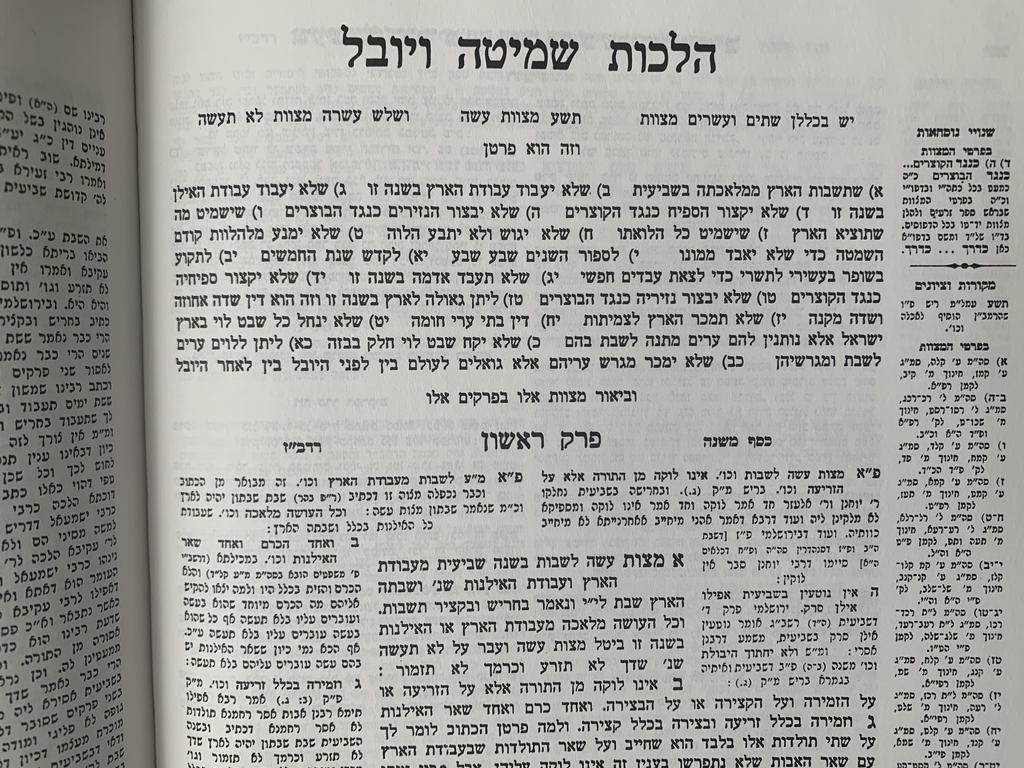
דאדם מצווה על שביתת שדהו בשביעית
A person is commanded to let his field rest during the Sabbatical Year.
אמר ליה אביי וכל היכא דמצווה אסור והרי שדה דאדם מצווה על שביתת שדהו בשביעית כו' ...ומי דמי ציווי דשביתת שדהו בשביעית וציווי בשביתת בהמתו בשבת ציווי דשביתת שדהו בשביעית אינו אלא שלא יעשה הוא מלאכה בשדהו אבל אם השכיר שדהו לחשוד על השביעית אינו עובר המשכיר ואין בו אלא משום ולפני עור לא תתן מכשול ולהשכיר שדהו לגוי בשביעית אין בו איסור תורה כלל דלא נצטוו ישראל על שביתת קרקע אלא שלא יעשו בהם מלאכה אבל שביתת בהמתו בשבת בין על ידו בין ע"י גוים אסור מן התורה דהכי קא מזהיר קרא למען ינוח שורך וחמורך כמוך חייב ליתן לו נייח שלא יעשה בהם מלאכה... :
...How can one compare the command to let one's field lie fallow during the shemitah year and the command for one's animal to rest on Shabbat. For the command of shemitah is nothing more than a command not to do any labors in one's field but if you rent out your field to someone suspect of not observing shemitah the one who rents out the field does not violate shemitah and merely violates the prohibition of "lifnei iver." and renting out a field to a gentile is no Torah prohibition whatsoever for Israel was not commanded to have the land rest, rather we were commanded not to do certain melakhah. But, the rest of one's animals, whether through a Jewish owner or a gentile who rents them or borrows them, is a Torah prohibtion....
לבטל מעבודת כו'. ובשמיטה אם עושה עבודת הארץ כגון שחורש שדהו או זורע או קוצר ע"י עכו"ם נהי דהל"ת של עבודת הארץ אינו כי הכל כתוב לנוכח שדך לא תזרע אך בעשה עובר בכל עבודת קרקע אפילו ע"י אחרים דכתיב שבת שבתון יהי' לארץ ושבתה הארץ
...With regard to shemitah if one does agricultural work, like plowing ones field or reaping through gentile employees, granted this is not a violation of the prohibition of agricultural labor for Scripture expresses those prohibitions always in the frame of "you shall not plant you field" however this is a violation of a positive mitzvah which takes place through any agricultural work even through others as it says, "a Sabbath of Sabbaths shall be for the land and the land shall rest."
Rav Asher Weiss: Distinction between mitzvot of service to God and mitzvot about results (tefilah, tzitzit etc. vs. hametz).