


“But when the buffalo went away the hearts of my people fell to the ground, and they could not lift them up again. After this nothing happened. There was little singing anywhere".
Plenty Coups (Crow: Alaxchíia Ahú, "many achievements"; 1848 – 1932) was the principal chief of the Crow Nation ("Apsáalooke") and a visionary leader.
Radical Hope: Ethics in the Face of Cultural Devastation, 2006, Jonathan Lear
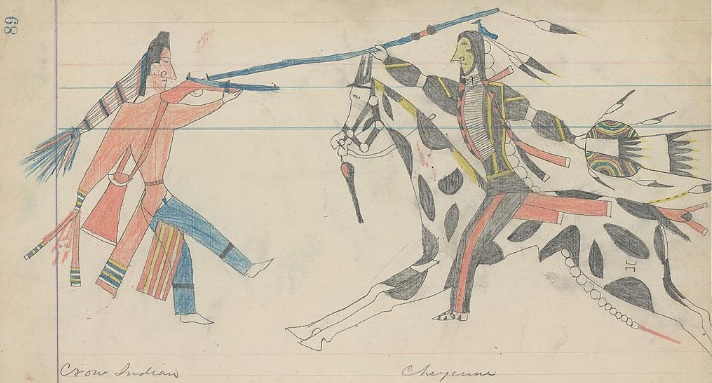
After a battle or exploit, the people of a band have gathered together to recount their acts of bravery. Coups have been recorded by putting notches in a coup stick. Indigenous peoples of the Pacific Northwest have traditionally tied an eagle feather to their coup stick for each coup counted. https://en.wikipedia.org/wiki/Counting_coup
Ruth's Radical Hope : the Practice of Devekut-- Attachment
(טז) וַתֹּ֤אמֶר רוּת֙ אַל־תִּפְגְּעִי־בִ֔י לְעׇזְבֵ֖ךְ לָשׁ֣וּב מֵאַחֲרָ֑יִךְ כִּ֠י אֶל־אֲשֶׁ֨ר תֵּלְכִ֜י אֵלֵ֗ךְ וּבַאֲשֶׁ֤ר תָּלִ֙ינִי֙ אָלִ֔ין עַמֵּ֣ךְ עַמִּ֔י וֵאלֹהַ֖יִךְ אֱלֹהָֽי׃ (יז) בַּאֲשֶׁ֤ר תָּמ֙וּתִי֙ אָמ֔וּת וְשָׁ֖ם אֶקָּבֵ֑ר כֹּה֩ יַעֲשֶׂ֨ה יְהֹוָ֥ה לִי֙ וְכֹ֣ה יוֹסִ֔יף כִּ֣י הַמָּ֔וֶת יַפְרִ֖יד בֵּינִ֥י וּבֵינֵֽךְ׃ (יח) וַתֵּ֕רֶא כִּֽי־מִתְאַמֶּ֥צֶת הִ֖יא לָלֶ֣כֶת אִתָּ֑הּ וַתֶּחְדַּ֖ל לְדַבֵּ֥ר אֵלֶֽיהָ׃
(16) But Ruth replied, “Do not urge me to leave you, to turn back and not follow you. For wherever you go, I will go; wherever you lodge, I will lodge; your people shall be my people, and your God my God. (17) Where you die, I will die, and there I will be buried. Thus and more may the LORD do to me if anything but death parts me from you.” (18) When [Naomi] saw how determined she was to go with her, she ceased to argue with her;
“Radical hope anticipates a good for which those who have the hope as yet lack the appropriate concepts with which to understand it” (p. 103).
“At a time of cultural devastation, the reality a courageous person has to face up to is that one has to face up to reality in new ways” (pp. 118–119).
Jonathan Lear
Grief-- Loss of Words, Loss of Name (Loss of Story?)
(יח) וַתֵּ֕רֶא כִּֽי־מִתְאַמֶּ֥צֶת הִ֖יא לָלֶ֣כֶת אִתָּ֑הּ וַתֶּחְדַּ֖ל לְדַבֵּ֥ר אֵלֶֽיהָ׃ (יט) וַתֵּלַ֣כְנָה שְׁתֵּיהֶ֔ם עַד־בּוֹאָ֖נָה בֵּ֣ית לָ֑חֶם וַיְהִ֗י כְּבוֹאָ֙נָה֙ בֵּ֣ית לֶ֔חֶם וַתֵּהֹ֤ם כׇּל־הָעִיר֙ עֲלֵיהֶ֔ן וַתֹּאמַ֖רְנָה הֲזֹ֥את נׇעֳמִֽי׃ (כ) וַתֹּ֣אמֶר אֲלֵיהֶ֔ן אַל־תִּקְרֶ֥אנָה לִ֖י נׇעֳמִ֑י קְרֶ֤אןָ לִי֙ מָרָ֔א כִּי־הֵמַ֥ר שַׁדַּ֛י לִ֖י מְאֹֽד׃ (כא) אֲנִי֙ מְלֵאָ֣ה הָלַ֔כְתִּי וְרֵיקָ֖ם הֱשִׁיבַ֣נִי יְהֹוָ֑ה לָ֣מָּה תִקְרֶ֤אנָה לִי֙ נׇעֳמִ֔י וַֽיהֹוָה֙ עָ֣נָה בִ֔י וְשַׁדַּ֖י הֵ֥רַֽע לִֽי׃
(18) When [Naomi] saw how determined she was to go with her, she stopped talking to her; (19) and the two went on until they reached Bethlehem. When they arrived in Bethlehem, the whole city buzzed with excitement over them. The women said, “Can this be Naomi?” (20) “Do not call me Naomi,” she replied. “Call me Mara, for Shaddai has made my lot very bitter. (21) I went away full, and the LORD has brought me back empty. How can you call me Naomi, when the LORD has dealt harshly with me, when Shaddai has brought misfortune upon me!”
Narrator's View of Possibility -- Naomi Blind to Ruth in Her Grief
(כב) וַתָּ֣שׇׁב נׇעֳמִ֗י וְר֨וּת הַמּוֹאֲבִיָּ֤ה כַלָּתָהּ֙ עִמָּ֔הּ הַשָּׁ֖בָה מִשְּׂדֵ֣י מוֹאָ֑ב וְהֵ֗מָּה בָּ֚אוּ בֵּ֣ית לֶ֔חֶם בִּתְחִלַּ֖ת קְצִ֥יר שְׂעֹרִֽים׃
(22) Thus Naomi returned from the country of Moab; she returned with her daughter-in-law Ruth the Moabite. They arrived in Bethlehem at the beginning of the barley harvest.
Recognizing the Unrecognizable
(י) וַתִּפֹּל֙ עַל־פָּנֶ֔יהָ וַתִּשְׁתַּ֖חוּ אָ֑רְצָה וַתֹּ֣אמֶר אֵלָ֗יו מַדּ֩וּעַ֩ מָצָ֨אתִי חֵ֤ן בְּעֵינֶ֙יךָ֙ לְהַכִּירֵ֔נִי וְאָנֹכִ֖י נָכְרִיָּֽה׃ (יא) וַיַּ֤עַן בֹּ֙עַז֙ וַיֹּ֣אמֶר לָ֔הּ הֻגֵּ֨ד הֻגַּ֜ד לִ֗י כֹּ֤ל אֲשֶׁר־עָשִׂית֙ אֶת־חֲמוֹתֵ֔ךְ אַחֲרֵ֖י מ֣וֹת אִישֵׁ֑ךְ וַתַּֽעַזְבִ֞י אָבִ֣יךְ וְאִמֵּ֗ךְ וְאֶ֙רֶץ֙ מֽוֹלַדְתֵּ֔ךְ וַתֵּ֣לְכִ֔י אֶל־עַ֕ם אֲשֶׁ֥ר לֹא־יָדַ֖עַתְּ תְּמ֥וֹל שִׁלְשֽׁוֹם׃ (יב) יְשַׁלֵּ֥ם יְהֹוָ֖ה פׇּעֳלֵ֑ךְ וּתְהִ֨י מַשְׂכֻּרְתֵּ֜ךְ שְׁלֵמָ֗ה מֵעִ֤ם יְהֹוָה֙ אֱלֹהֵ֣י יִשְׂרָאֵ֔ל אֲשֶׁר־בָּ֖את לַחֲס֥וֹת תַּֽחַת־כְּנָפָֽיו׃ (יג) וַ֠תֹּ֠אמֶר אֶמְצָא־חֵ֨ן בְּעֵינֶ֤יךָ אֲדֹנִי֙ כִּ֣י נִֽחַמְתָּ֔נִי וְכִ֥י דִבַּ֖רְתָּ עַל־לֵ֣ב שִׁפְחָתֶ֑ךָ וְאָֽנֹכִי֙ לֹ֣א אֶהְיֶ֔ה כְּאַחַ֖ת שִׁפְחֹתֶֽיךָ׃
(10) She prostrated herself with her face to the ground, and said to him, “Why do I find favor in your eyes to recognizer me when I am unrecognizable?” (11) Boaz said in reply, “I have been told of all that you did for your mother-in-law after the death of your husband, how you left your father and mother and the land of your birth and came to a people you had not known before. (12) May the LORD reward your deeds. May you have a full recompense from the LORD, the God of Israel, under whose wings you have sought refuge!” (13) She answered, “You are most kind, my lord, to comfort me and to speak gently to your maidservant—though I am not so much as one of your maidservants.”
Recognition:
I hear in recognition re-cognize. What would it mean to think again? Is it possible to think again? Where in the re-thinking you feel yourself addressed. It's not just about them and recognizing them but feeling some kind of recognition in yourself. And feeling some kind of calling here in the re-thinking.
----From a lecture by Jonathan Lear, given in Sydney, Australia in 2015. Transcribed from the audio, which can be found on this page https://www.museumofdreams.org/chickadee-dream
Dreaming
EXCERPT FROM PLENTY-COUPS: CHIEF OF THE CROWS
by Frank B. Linderman
https://www.nebraskapress.unl.edu/bison-books/9780803280182/
I decided to go afoot to the Crazy Mountains, two days' long journey from the village.
The traveling without food or drink was good for me, and as soon as I reached the Crazies I took a sweat-bath and climbed the highest peak...
But even though I fasted two more days and nights, walking over the mountain top, no Person came to me, nothing was offered...
Back in the village I told my closest friends about the high peaks I had seen, about the white grizzly bears, and the lake. They were interested and said they would go back with me and that we would all try to dream.
There were three besides myself who set out...But no person came to me, nothing was offered...
All day the sun was hot...I had eaten nothing, taken no water, for nearly four days and nights, and my mind must have left me while I sat there under the hot sun on the mountain top...
I dreamed. I heard a voice at midnight and saw a Person standing at my feet, in the east.
He said, 'Plenty-coups, the Person down there wants you now...When I reached his side he began to sink slowly into the ground...he spoke "Follow Me"...
A fierce storm was coming fast...I saw the Four Winds gathering to strike the forest...Saw beautiful trees twist like blades of grass and fall...Only one tree, tall and straight, was left standing..
"What does this mean?" I whispered in my dream. "Listen Plenty-coups," said a voice. "In that tree is the lodge of the Chickadee. He is least in strength but strongest in mind among his kind. He is willing to work for wisdom...Develop your body, but do not neglect your mind Plenty-coups. It is the mind that leads man to power, not the strength of his body."
I wakened then. My three friends were standing at my feet in the sunshine. They helped me stand. I was very weak, but my heart was singing.
from, https://americanindian.si.edu/nk360/plains-belonging-homelands/crow-nation
(Near the end of his life Plenty Coups shared these details, as well as other biographical information, with Frank Bird Linderman, a white man from Montana. Linderman was a respected writer during the early 20th century who had befriended the Crow Chief. Their conversations would culminate with Linderman’s biography of Plenty Coups, originally published in 1930 under the title, American: The Life Story of a Great Indian, and later as Plenty Coups: Chief of the Crows. https://www.museumofdreams.org/chickadee-dream)
Small Group Questions: (20 minutes)
1. What are one or two things you have recognized about yourself and the world in these unrecognizable times?
2. What still wants to be recognized (that is heretofore unrecognized)? Can you begin to put words to something you don't quite know yet?
3. If you were to dream a dream for your people, meaning one that was about the destiny of your people as opposed to you as an individual (in any way that you construe "your people") at this moment. The dream can be in dream language and you needn't make sense of it. Others in your group might interpret it if there's time. Or the dream can be in more pedestrian language.
4. What might be some practices of hope that we (as individuals and as a collective) can engage in right now?