


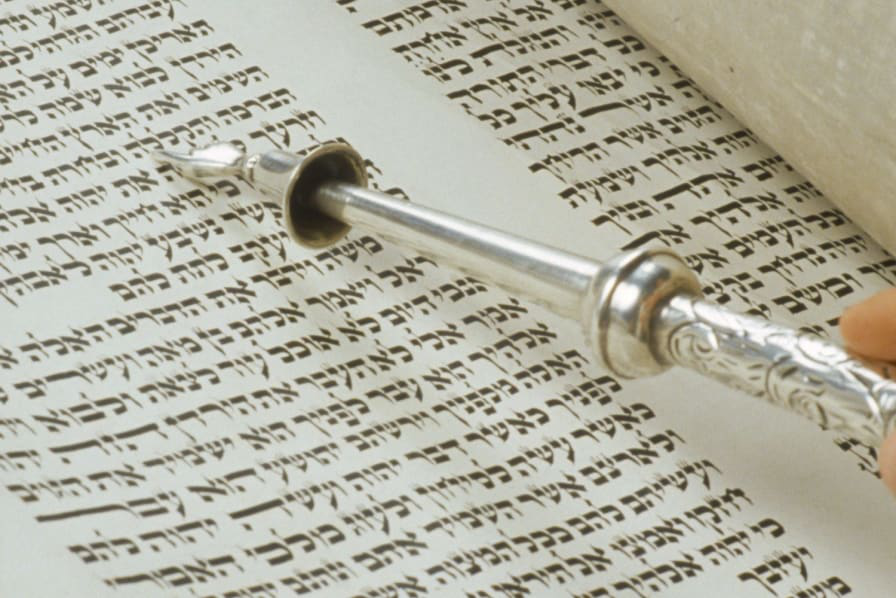
(א) וַיֹּ֤אמֶר יְהוָה֙ אֶל־מֹשֶׁ֣ה וְאֶֽל־אַהֲרֹ֔ן בְּאֶ֥רֶץ מִצְרַ֖יִם לֵאמֹֽר׃ (ב) הַחֹ֧דֶשׁ הַזֶּ֛ה לָכֶ֖ם רֹ֣אשׁ חֳדָשִׁ֑ים רִאשׁ֥וֹן הוּא֙ לָכֶ֔ם לְחָדְשֵׁ֖י הַשָּׁנָֽה׃ (ג) דַּבְּר֗וּ אֶֽל־כָּל־עֲדַ֤ת יִשְׂרָאֵל֙ לֵאמֹ֔ר בֶּעָשֹׂ֖ר לַחֹ֣דֶשׁ הַזֶּ֑ה וְיִקְח֣וּ לָהֶ֗ם אִ֛ישׁ שֶׂ֥ה לְבֵית־אָבֹ֖ת שֶׂ֥ה לַבָּֽיִת׃ (ד) וְאִם־יִמְעַ֣ט הַבַּיִת֮ מִהְיֹ֣ת מִשֶּׂה֒ וְלָקַ֣ח ה֗וּא וּשְׁכֵנ֛וֹ הַקָּרֹ֥ב אֶל־בֵּית֖וֹ בְּמִכְסַ֣ת נְפָשֹׁ֑ת אִ֚ישׁ לְפִ֣י אָכְל֔וֹ תָּכֹ֖סּוּ עַל־הַשֶּֽׂה׃ (ה) שֶׂ֥ה תָמִ֛ים זָכָ֥ר בֶּן־שָׁנָ֖ה יִהְיֶ֣ה לָכֶ֑ם מִן־הַכְּבָשִׂ֥ים וּמִן־הָעִזִּ֖ים תִּקָּֽחוּ׃ (ו) וְהָיָ֤ה לָכֶם֙ לְמִשְׁמֶ֔רֶת עַ֣ד אַרְבָּעָ֥ה עָשָׂ֛ר י֖וֹם לַחֹ֣דֶשׁ הַזֶּ֑ה וְשָׁחֲט֣וּ אֹת֗וֹ כֹּ֛ל קְהַ֥ל עֲדַֽת־יִשְׂרָאֵ֖ל בֵּ֥ין הָעַרְבָּֽיִם׃ (ז) וְלָֽקְחוּ֙ מִן־הַדָּ֔ם וְנָֽתְנ֛וּ עַל־שְׁתֵּ֥י הַמְּזוּזֹ֖ת וְעַל־הַמַּשְׁק֑וֹף עַ֚ל הַבָּ֣תִּ֔ים אֲשֶׁר־יֹאכְל֥וּ אֹת֖וֹ בָּהֶֽם׃ (ח) וְאָכְל֥וּ אֶת־הַבָּשָׂ֖ר בַּלַּ֣יְלָה הַזֶּ֑ה צְלִי־אֵ֣שׁ וּמַצּ֔וֹת עַל־מְרֹרִ֖ים יֹאכְלֻֽהוּ׃ (ט) אַל־תֹּאכְל֤וּ מִמֶּ֙נּוּ֙ נָ֔א וּבָשֵׁ֥ל מְבֻשָּׁ֖ל בַּמָּ֑יִם כִּ֣י אִם־צְלִי־אֵ֔שׁ רֹאשׁ֥וֹ עַל־כְּרָעָ֖יו וְעַל־קִרְבּֽוֹ׃ (י) וְלֹא־תוֹתִ֥ירוּ מִמֶּ֖נּוּ עַד־בֹּ֑קֶר וְהַנֹּתָ֥ר מִמֶּ֛נּוּ עַד־בֹּ֖קֶר בָּאֵ֥שׁ תִּשְׂרֹֽפוּ׃ (יא) וְכָכָה֮ תֹּאכְל֣וּ אֹתוֹ֒ מָתְנֵיכֶ֣ם חֲגֻרִ֔ים נַֽעֲלֵיכֶם֙ בְּרַגְלֵיכֶ֔ם וּמַקֶּלְכֶ֖ם בְּיֶדְכֶ֑ם וַאֲכַלְתֶּ֤ם אֹתוֹ֙ בְּחִפָּז֔וֹן פֶּ֥סַח ה֖וּא לַיהוָֽה׃ (יב) וְעָבַרְתִּ֣י בְאֶֽרֶץ־מִצְרַיִם֮ בַּלַּ֣יְלָה הַזֶּה֒ וְהִכֵּיתִ֤י כָל־בְּכוֹר֙ בְּאֶ֣רֶץ מִצְרַ֔יִם מֵאָדָ֖ם וְעַד־בְּהֵמָ֑ה וּבְכָל־אֱלֹהֵ֥י מִצְרַ֛יִם אֶֽעֱשֶׂ֥ה שְׁפָטִ֖ים אֲנִ֥י יְהוָֽה׃ (יג) וְהָיָה֩ הַדָּ֨ם לָכֶ֜ם לְאֹ֗ת עַ֤ל הַבָּתִּים֙ אֲשֶׁ֣ר אַתֶּ֣ם שָׁ֔ם וְרָאִ֙יתִי֙ אֶת־הַדָּ֔ם וּפָסַחְתִּ֖י עֲלֵכֶ֑ם וְלֹֽא־יִֽהְיֶ֨ה בָכֶ֥ם נֶ֙גֶף֙ לְמַשְׁחִ֔ית בְּהַכֹּתִ֖י בְּאֶ֥רֶץ מִצְרָֽיִם׃ ...
(פ) (כא) וַיִּקְרָ֥א מֹשֶׁ֛ה לְכָל־זִקְנֵ֥י יִשְׂרָאֵ֖ל וַיֹּ֣אמֶר אֲלֵהֶ֑ם מִֽשְׁכ֗וּ וּקְח֨וּ לָכֶ֥ם צֹ֛אן לְמִשְׁפְּחֹתֵיכֶ֖ם וְשַׁחֲט֥וּ הַפָּֽסַח׃ (כב) וּלְקַחְתֶּ֞ם אֲגֻדַּ֣ת אֵז֗וֹב וּטְבַלְתֶּם֮ בַּדָּ֣ם אֲשֶׁר־בַּסַּף֒ וְהִגַּעְתֶּ֤ם אֶל־הַמַּשְׁקוֹף֙ וְאֶל־שְׁתֵּ֣י הַמְּזוּזֹ֔ת מִן־הַדָּ֖ם אֲשֶׁ֣ר בַּסָּ֑ף וְאַתֶּ֗ם לֹ֥א תֵצְא֛וּ אִ֥ישׁ מִפֶּֽתַח־בֵּית֖וֹ עַד־בֹּֽקֶר׃ (כג) וְעָבַ֣ר יְהוָה֮ לִנְגֹּ֣ף אֶת־מִצְרַיִם֒ וְרָאָ֤ה אֶת־הַדָּם֙ עַל־הַמַּשְׁק֔וֹף וְעַ֖ל שְׁתֵּ֣י הַמְּזוּזֹ֑ת וּפָסַ֤ח יְהוָה֙ עַל־הַפֶּ֔תַח וְלֹ֤א יִתֵּן֙ הַמַּשְׁחִ֔ית לָבֹ֥א אֶל־בָּתֵּיכֶ֖ם לִנְגֹּֽף׃
(1) The Eternal said to Moses and Aaron in the land of Egypt: (2) This month shall mark for you the beginning of the months; it shall be the first of the months of the year for you. (3) Speak to the whole community of Israel and say that on the tenth of this month each of them shall take a lamb to a family, a lamb to a household. (4) But if the household is too small for a lamb, let him share one with a neighbour who dwells nearby, in proportion to the number of persons: you shall contribute for the lamb according to what each household will eat. (5) Your lamb shall be without blemish, a yearling male; you may take it from the sheep or from the goats. (6) You shall keep watch over it until the fourteenth day of this month; and all the assembled congregation of the Israelites shall slaughter it at twilight. (7) They shall take some of the blood and put it on the two doorposts and the lintel of the houses in which they are to eat it. (8) They shall eat the flesh that same night; they shall eat it roasted over the fire, with unleavened bread and with bitter herbs. (9) Do not eat any of it raw, or cooked in any way with water, but roasted—head, legs, and entrails—over the fire. (10) You shall not leave any of it over until morning; if any of it is left until morning, you shall burn it. (11) This is how you shall eat it: your loins girded, your sandals on your feet, and your staff in your hand; and you shall eat it hurriedly: it is a passover offering to the Eternal. (12) For that night I will go through the land of Egypt and strike down every first-born in the land of Egypt, both man and beast; and I will mete out punishments to all the gods of Egypt, I the Eternal. (13) And the blood on the houses where you are staying shall be a sign for you: when I see the blood I will pass over you, so that no plague will destroy you when I strike the land of Egypt. ...
(21) Moses then summoned all the elders of Israel and said to them, “Go, pick out lambs for your families, and slaughter the passover offering. (22) Take a bunch of hyssop, dip it in the blood that is in the basin, and apply some of the blood that is in the basin to the lintel and to the two doorposts. None of you shall go outside the door of his house until morning. (23) For when the Eternal goes through to smite the Egyptians, God will see the blood on the lintel and the two doorposts, and the Eternal will pass over the door and not let the Destroyer enter and smite your home.
(א) זכור את המצוה אשר נתן ה' לך על דבר הפסח לשמור אותו במועדו בארבעה עשר לחודש הראשון:
(ב) כי תשחט אותו בין הערבים ויאכלו אותו בלילה ערב החמשה עשר מעת בא השמש:
(ג) כי היום הזה הוא החג הראשון ויום ראשון לחג הפסח:
(ד) ותאכלו את הפסח במצרים כאשר שולחו כל אילי משטמה להכות כל בכור מצרים מבכור פרעה עד בכור שפחת השבי אחר הרחים ועד הבהמה:
(ה) וזה האות אשר נתן להם ה' אל כל בית אשר זורק דם השה על משקופו אל בית כזה לא יבואו להכות את הסגורים בו והיה כל אשר בבית נמלטו בהיות אות הדם על הדלת:
(ו) ומלאכי האלהים עשו את כל אשר צוה אותם ופסחו על כל בני ישראל:
(ז) ולא היה בהם נגף להשחית מהם נפש כל חי אם בהמה או איש או אך כלב אחד:
(ח) ובמצרים היתה המגפה גדולה מאוד ואין בית אשר אין שם מת ובכיה וצעקה:
(1) Remember the commandment which the Eternal commanded thee concerning the passover, that thou shouldst celebrate it in its season on the fourteenth of the first month,
(2) that thou shouldst kill it before it is evening, and that they should eat it by night on the evening of the fifteenth from the time of the setting of the sun.
(3) For on this night--the beginning of the festival and the beginning of the joy
(4) --ye were eating the passover in Egypt, when all the powers of Mastêmâ had been let loose to slay all the first-born in the land of Egypt, from the firstborn of Pharaoh to the first-born of the captive maidservant in the mill, and to the cattle.
(5) And this is the sign which the Eternal gave them: Into every house on the lintels of which they saw the blood of a lamb of the first year, into (that) house they should not enter to slay, but should pass by (it), that all those should be saved that were in the house because the sign of the blood was on its lintels.
(6) And the powers of the Eternal did everything according as the Eternal commanded them, and they passed by all the children of Israel,
(7) and the plague came not upon them to destroy from amongst them any soul either of cattle, or man, or dog.
(8) And the plague was very grievous in Egypt, and there was no house in Egypt where there was not one dead, and weeping and lamentation.
איש שה לבית אבות טעם המצוה הזאת, בעבור כי מזל טלה בחדש ניסן בכחו הגדול, כי הוא מזל הצומח, לכך צוה לשחוט טלה ולאכול אותו, להודיע שלא בכח מזל יצאנו משם אלא בגזרת עליון. ועל דעת רבותינו שהיו המצרים עובדים אותו (שמו''ר טז ב), כש''כ שהודיע במצוה הזאת שהשפיל אלהיהם וכחם בהיותו במעלה העליונה שלו. וכך אמרו (שם) קחו לכם צאן ושחטו אלהיהם של מצרים:
A lamb to a household - the reason for this commandment is because in the month of Nissan the constellation of the Ram (Aries) has the greatest strength, for it is the constellation in the ascendance. Therefore God commanded to slaughter a ram and to eat it, to make known that it was not through the power of the constellation that we came out of Egypt but rather by Divine decree. And according to the idea of our Sages, that the Egyptians used to worship it (i.e. rams), this is making known through this mitzvah that God has overthrown their gods, and that supreme power above belongs to God. Thus God said "take for yourselves sheep and slaughter" the gods of Egypt.
והיה לכם למשמרת AND IT SHALL BE IN YOUR KEEPING (or watching) — ...And why did God order that it should be taken from the flock four days before its slaughter, something which God did not command in respect to the paschal-lamb that was offered by succeeding generations? Rabbi Matya, the son of Cheresh, said, in answer: Behold, it (Scripture) says, (Ezekiel 16:8) “And I passed over thee and looked upon thee, and behold, thy time was the time of love” — there had arrived the time to fulfil the oath which I had sworn to Abraham to redeem his children. They, however, possessed no divine commands in which to engage in order that they should merit to be redeemed — as it is said (Ezekiel 16:7) “thou wast naked and bare”.
God therefore gave them two commands, relating respectively to the blood of the paschal-lamb and the blood of the circumcision — for that night they circumcised themselves, as it is said (Ezekiel 16:6) “[When I passed over thee] I saw thee wallowing in thy bloods (בְּדָמַיִךְ is plural)” i. e. in two kinds of blood. Further it states, (Zechariah 9:11) “As for thee, also, because of the blood of the covenant I released thy prisoners out of the pit wherein there is no water”. And yet another reply to this question is, that because they were sunk in idolatry and had no merit gained by the practice of a divine command, God said unto them, (v. 21) משכו “Draw” — withdraw your hands from idols; וקחו לכם צאן “and take unto yourselves a lamb” to fulfil a divine command (Mekhilta d'Rabbi Yishmael 12:2:1).