


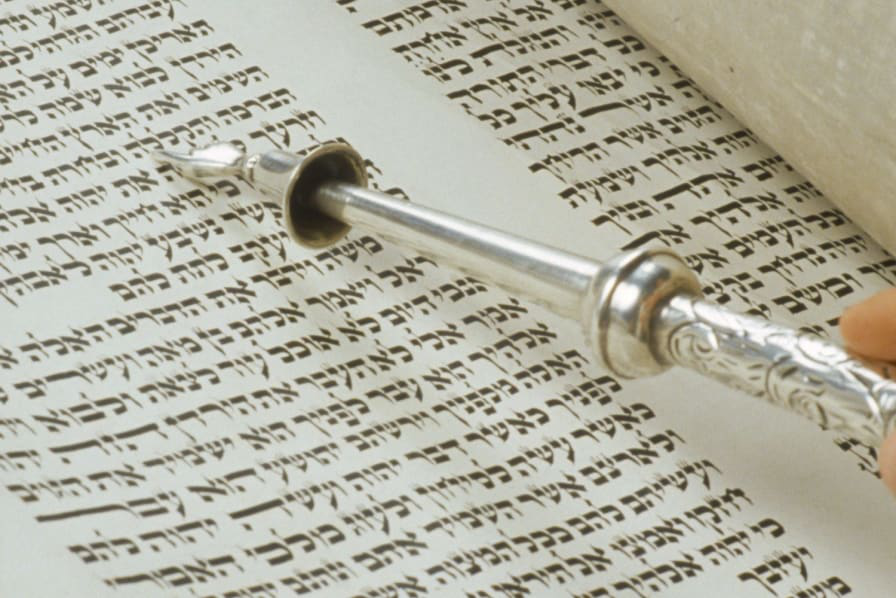
(א) וַיִּקְרָ֥א יַעֲקֹ֖ב אֶל־בָּנָ֑יו וַיֹּ֗אמֶר הֵאָֽסְפוּ֙ וְאַגִּ֣ידָה לָכֶ֔ם אֵ֛ת אֲשֶׁר־יִקְרָ֥א אֶתְכֶ֖ם בְּאַחֲרִ֥ית הַיָּמִֽים׃
(1) And Jacob called his sons and said, “Come together that I may tell you what is to befall you in the end of days.
אֶלְעָזָר בֶּן אֲחוּי אָמַר מִכָּאן זָכוּ יִשְׂרָאֵל לִקְרִיאַת שְׁמַע, בְּשָׁעָה שֶׁהָיָה יַעֲקֹב אָבִינוּ נִפְטַר מִן הָעוֹלָם קָרָא לִשְׁנֵים עָשָׂר בָּנָיו אָמַר לָהֶם שִׁמְעוּ אֵל יִשְׂרָאֵל שֶׁבַּשָּׁמַיִם אֲבִיכֶם, שֶׁמָּא יֵשׁ בִּלְבַבְכֶם מַחְלֹקֶת עַל הַקָּדוֹשׁ בָּרוּךְ הוּא, אָמְרוּ לוֹ (דברים ו, ד): שְׁמַע יִשְׂרָאֵל אָבִינוּ, כְּשֵׁם שֶׁאֵין בְּלִבְּךָ מַחְלֹקֶת עַל הַקָּדוֹשׁ בָּרוּךְ הוּא, כָּךְ אֵין בְּלִבֵּנוּ מַחְלֹקֶת, אֶלָּא (דברים ו, ד): ה' אֱלֹקֵינוּ ה' אֶחָד, אַף הוּא פֵּרַשׁ בִּשְׂפָתָיו וְאָמַר: בָּרוּךְ שֵׁם כְּבוֹד מַלְכותוֹ לְעוֹלָם וָעֶד...
...Elazar ben Achui said - from here Israel merited the reading of the Shema. In the moment when our Father Jacob was dying from the world, he called his twelve sons together and said to them: "Listen to Israel! Could there be in your hearts a dispute with the Holy Blessed One?" They said to him: "Hear O Israel" our Father. Just as there is no dispute in your heart with the Holy Blessed One, so there is no dispute in our hearts, rather: "Adonai is our God, Adonai is One". Then he opened his lips and said: Blessed be the name of God's glorious Kingdom forever...
We learned in the mishna that the residents of Jericho would bundle Shema. The Gemara asks: What does it mean that they bundled Shema? How did they do so? Rabbi Yehuda said that they recited: “Hear Israel: Adonai is our God, Adonai is One” (Deuteronomy 6:4), and they would not pause between words. Rava said: They would pause between words, but they would say: Today shall be on your heart, inferring: Today it will be on your heart, and tomorrow it will not be on your heart. The Sages taught in the Tosefta: How would they bundle Shema? They recited: “Hear Israel, Adonai is our God Adonai is One,” without pausing; this is the statement of Rabbi Meir. Rabbi Yehuda says: They paused, but they would not recite: Blessed be the name of God's glorious kingdom for ever and ever.
What is the reason that we recite that passage: Blessed be the name of His glorious kingdom for ever and ever, even though it does not appear in the Torah? The Gemara answers: We recite it in accordance with that which Rabbi Shimon ben Lakish interpreted homiletically. As Rabbi Shimon ben Lakish said that it is written: “And Jacob called his sons and said, Gather around and I will tell you what will occur to you in the end of days” (Genesis 49:1). Jacob wanted to reveal to his sons when the complete redemption would arrive at the end of days (see Daniel 12:13), but the Divine Presence abandoned him, rendering him unable to prophesy. He said: Perhaps the Divine Presence has abandoned me because, Heaven forfend, one of my descendants is unfit, as was the case with my grandfather Abraham, from whom Ishmael emerged, and like my father Isaac, from whom Esau emerged. His sons said to him: Hear Israel, our father, Adonai is our God, Adonai is One. They said: Just as there is only one God in your heart, so too, there is only one in our hearts. At that moment Jacob our father said in praise: Blessed be the name of God's glorious kingdom for ever and ever, as all his children were righteous.
The Rabbis said: What should we do? Shall we recite this verse? But Moses our teacher did not say it in the Torah as part of Shema. Shall we not recite it? But Jacob said it. In order to resolve this dilemma they established that this passage should be recited surreptitiously. Rabbi Yitzchak said that the school of Rabbi Ami said: This is analogous to the daughter of a king who smelled the fragrance of the dried spices stuck to the bottom of the pot and craved to eat them. What can she do? If she tells her servants to give it to her, she will be disgraced, as the dried spices are a contemptible food. However, if she does not say she wants to eat them, she will endure suffering. Her servants began to bring them to her surreptitiously. One should conduct himself in that manner in similar cases of uncertainty.
אָמַר רַבִּי אֲבָהוּ: הִתְקִינוּ שֶׁיְּהוּ אוֹמְרִים אוֹתוֹ בְּקוֹל רָם, מִפְּנֵי תַּרְעוֹמֶת הַמִּינִין. וּבִנְהַרְדְּעָא, דְּלֵיכָּא מִינִין, עַד הַשְׁתָּא אָמְרִי לַהּ בַּחֲשַׁאי.
Rabbi Abbahu said: The Sages instituted that the people should recite it aloud due to the murmurings of the heretics. In Neharde’a, where there are no heretics, they recite it surreptitiously even now.