


(ב) שׁ֚וּבָה יִשְׂרָאֵ֔ל עַ֖ד יְהוָ֣ה אֱלֹהֶ֑יךָ כִּ֥י כָשַׁ֖לְתָּ בַּעֲוֺנֶֽךָ׃.......(ה) אֶרְפָּא֙ מְשׁ֣וּבָתָ֔ם אֹהֲבֵ֖ם נְדָבָ֑ה כִּ֛י שָׁ֥ב אַפִּ֖י מִמֶּֽנּוּ׃ (ו) אֶהְיֶ֤ה כַטַּל֙ לְיִשְׂרָאֵ֔ל יִפְרַ֖ח כַּשּֽׁוֹשַׁנָּ֑ה וְיַ֥ךְ שָׁרָשָׁ֖יו כַּלְּבָנֽוֹן׃
(2) Return, O Israel, to the LORD your God, For you have fallen because of your sin........(5) I will heal their affliction, Generously will I take them back in love; For My anger has turned away from them. (6) I will be to Israel like dew; He shall blossom like the lily, He shall strike root like a Lebanon tree.
Hosea 14 is part of the haftorah, part of prophetic reading for Shabbat Shuvah.
(י) וַיֹּ֨אמֶר מֹשֶׁ֣ה אֶל־יְהוָה֮ בִּ֣י אֲדֹנָי֒ לֹא֩ אִ֨ישׁ דְּבָרִ֜ים אָנֹ֗כִי גַּ֤ם מִתְּמוֹל֙ גַּ֣ם מִשִּׁלְשֹׁ֔ם גַּ֛ם מֵאָ֥ז דַּבֶּרְךָ אֶל־עַבְדֶּ֑ךָ כִּ֧י כְבַד־פֶּ֛ה וּכְבַ֥ד לָשׁ֖וֹן אָנֹֽכִי׃ (יא) וַיֹּ֨אמֶר יְהוָ֜ה אֵלָ֗יו מִ֣י שָׂ֣ם פֶּה֮ לָֽאָדָם֒ א֚וֹ מִֽי־יָשׂ֣וּם אִלֵּ֔ם א֣וֹ חֵרֵ֔שׁ א֥וֹ פִקֵּ֖חַ א֣וֹ עִוֵּ֑ר הֲלֹ֥א אָנֹכִ֖י יְהוָֽה׃ (יב) וְעַתָּ֖ה לֵ֑ךְ וְאָנֹכִי֙ אֶֽהְיֶ֣ה עִם־פִּ֔יךָ וְהוֹרֵיתִ֖יךָ אֲשֶׁ֥ר תְּדַבֵּֽר׃
(10) But Moses said to the LORD, “Please, O Lord, I have never been a man of words, either in times past or now that You have spoken to Your servant; I am slow of speech and slow of tongue.” (11) And the LORD said to him, “Who gives man speech? Who makes him dumb or deaf, seeing or blind? Is it not I, the LORD? (12) Now go, and I will be with you as you speak and will instruct you what to say.”
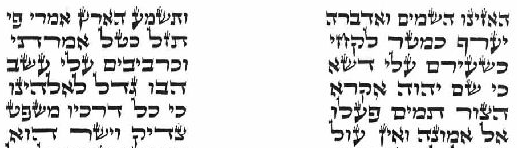
(א) הַאֲזִ֥ינוּ הַשָּׁמַ֖יִם וַאֲדַבֵּ֑רָה וְתִשְׁמַ֥ע הָאָ֖רֶץ אִמְרֵי־פִֽי׃ (ב) יַעֲרֹ֤ף כַּמָּטָר֙ לִקְחִ֔י תִּזַּ֥ל כַּטַּ֖ל אִמְרָתִ֑י כִּשְׂעִירִ֣ם עֲלֵי־דֶ֔שֶׁא וְכִרְבִיבִ֖ים עֲלֵי־עֵֽשֶׂב׃ (ג) כִּ֛י שֵׁ֥ם יְהוָ֖ה אֶקְרָ֑א הָב֥וּ גֹ֖דֶל לֵאלֹהֵֽינוּ׃ (ד) הַצּוּר֙ תָּמִ֣ים פָּעֳל֔וֹ כִּ֥י כָל־דְּרָכָ֖יו מִשְׁפָּ֑ט אֵ֤ל אֱמוּנָה֙ וְאֵ֣ין עָ֔וֶל צַדִּ֥יק וְיָשָׁ֖ר הֽוּא׃ (ה) שִׁחֵ֥ת ל֛וֹ לֹ֖א בָּנָ֣יו מוּמָ֑ם דּ֥וֹר עִקֵּ֖שׁ וּפְתַלְתֹּֽל׃ (ו) הֲ־לַיְהוָה֙ תִּגְמְלוּ־זֹ֔את עַ֥ם נָבָ֖ל וְלֹ֣א חָכָ֑ם הֲלוֹא־הוּא֙ אָבִ֣יךָ קָּנֶ֔ךָ ה֥וּא עָֽשְׂךָ֖ וַֽיְכֹנְנֶֽךָ׃ (ז) זְכֹר֙ יְמ֣וֹת עוֹלָ֔ם בִּ֖ינוּ שְׁנ֣וֹת דּוֹר־וָד֑וֹר שְׁאַ֤ל אָבִ֙יךָ֙ וְיַגֵּ֔דְךָ זְקֵנֶ֖יךָ וְיֹ֥אמְרוּ לָֽךְ׃
(1) Give ear, O heavens, let me speak;
Let the earth hear the words of my mouth! (2) May my discourse come down as the rain,
My speech distill as the dew,
Like showers on young growth,
Like droplets on the grass.
(3) For the name of the LORD I proclaim; Give glory to our God!
(4) The Rock!—His deeds are perfect,
Yea, all His ways are just;
A faithful God, never false,
True and upright is He.
(5) Children unworthy of Him—
That crooked, perverse generation—
Their baseness has played Him false. (6) Do you thus requite the LORD,
O dull and witless people?
Is not He the Father who created you, Fashioned you and made you endure!
(7) Remember the days of old, Consider the years of ages past;
Ask your father, he will inform you,
Your elders, they will tell you:
(יג) רָנּ֤וּ שָׁמַ֙יִם֙ וְגִ֣ילִי אָ֔רֶץ יפצחו [וּפִצְח֥וּ] הָרִ֖ים רִנָּ֑ה כִּֽי־נִחַ֤ם יְהוָה֙ עַמּ֔וֹ וַעֲנִיָּ֖ו יְרַחֵֽם׃ (ס)
(13) Shout, O heavens, and rejoice, O earth! Break into shouting, O hills! For the LORD has comforted His people, And has taken back His afflicted ones in love.
Isaiah 49 is part of the haftarah (prophetic reading) for the portion of Eikev -- the second in a cycle of 7 consolation haftorot read between Tisha B'av, the day in which we mourn Jewish calamity and Rosh Hashanah.
(א) האזינו השמים. שֶׁאֲנִי מַתְרֶה בָהֶם בְּיִשְׂרָאֵל וְתִהְיוּ עֵדִים בַּדָּבָר, שֶׁכָּךְ אָמַרְתִּי לָהֶם שֶׁאַתֶּם תִּהְיוּ עֵדִים, וְכֵן ותשמע הארץ. וְלָמָּה הֵעִיד בָּהֶם שָׁמַיִם וָאָרֶץ? אָמַר מֹשֶׁה: אֲנִי בָּשָׂר וָדָם, לְמָחָר אֲנִי מֵת, אִם יֹאמְרוּ יִשְׂרָאֵל לֹא קִבַּלְנוּ עָלֵינוּ הַבְּרִית, מִי בָא וּמַכְחִישָׁם? לְפִיכָךְ הֵעִיד בָּהֶם שָׁמַיִם וָאָרֶץ — עֵדִים שֶׁהֵן קַיָּמִים לְעוֹלָם. וְעוֹד, שֶׁאִם יִזְכּוּ יָבֹאוּ הָעֵדִים וְיִתְּנוּ שְׂכָרָם, הַגֶּפֶן תִּתֵּן פִּרְיָהּ וְהָאָרֶץ תִּתֵּן יְבוּלָהּ וְהַשָּׁמַיִם יִתְּנוּ טַלָּם, וְאִם יִתְחַיְּבוּ תִּהְיֶה בָהֶם יַד הָעֵדִים תְּחִלָּה — "וְעָצַר אֶת הַשָּׁמַיִם וְלֹא יִהְיֶה מָטָר וְהָאֲדָמָה לֹא תִתֵּן אֶת יְבוּלָהּ" (דברים י"ז), וְאַחַר כָּךְ "וַאֲבַדְתֶּם מְהֵרָה" (שם י"א) עַל יְדֵי הָאֻמּוֹת:
(1) האזינו השמים HEAR YE HEAVENS that I warn Israel, and be ye witnesses to this matter; for so I have told them that ye will be witnesses (cf. Rashi on Deuteronomy 31:28). Similar is the meaning of ותשמע הארץ (i.e. the verb has the force of an imperative: AND LET THE EARTH HEAR). And why did He call heaven and earth as witnesses against them? Moses thought: “I am a being of flesh and blood (mortal); tomorrow I shall be dead. If the Israelites will once say, ‘We have never accepted the covenant’, who can come and refute them?” Therefore he called heaven and earth as witnesses against them — witnesses that endure forever (Sifrei Devarim 306:15). And a further reason was that if they should act worthily, the witnesses might come and give them their reward: the vine might yield its fruit, the ground give its increase, the heaven bestow its dew; while if they should act sinfully, the hand of the witnesses might first be against them (Rashi uses a phrase similar to that used of human witnesses; cf. e.g. Deuteronomy 13:10): “and He will restrain the heaven, that there be no rain, and the earth will not give its increase; and you shall perish quickly” (Deuteronomy 11:17) — through the attacks of other nations (Tanchuma 5:10:1).
Rabbi Lawrence Kushner: Our teacher, R. Solomon Ulman, is intrigued by the kind of words that Moses describes in referring to his own speech. What is actually meant by such a description? The poetry works. Words, like rain, can be soft like morning dew that gently offers itself the earth's vegetation, tending to its growth. Or words can be like torrential rains that destroy and uproot. Just as plants need different rains to nurture their growth, people need different words as well. There are times when gentle speech is required and there are times when harsh words of rebuke are needed. Know well the kind of words needed and speak them well, warns our teacher. All words, when properly delivered, are of the living God.
- So as we are new "us" may learn to receive the words of Torah as we need them - as rain or dew, and may we find ourselves using our words for goodness, being attuned to the Other and his/her needs.
What do you want to bear witness to at this.moment?
What is the universe saying to you?
(מד) וַיָּבֹ֣א מֹשֶׁ֗ה וַיְדַבֵּ֛ר אֶת־כָּל־דִּבְרֵ֥י הַשִּׁירָֽה־הַזֹּ֖את בְּאָזְנֵ֣י הָעָ֑ם ה֖וּא וְהוֹשֵׁ֥עַ בִּן־נֽוּן׃ (מה) וַיְכַ֣ל מֹשֶׁ֗ה לְדַבֵּ֛ר אֶת־כָּל־הַדְּבָרִ֥ים הָאֵ֖לֶּה אֶל־כָּל־יִשְׂרָאֵֽל׃ (מו) וַיֹּ֤אמֶר אֲלֵהֶם֙ שִׂ֣ימוּ לְבַבְכֶ֔ם לְכָל־הַדְּבָרִ֔ים אֲשֶׁ֧ר אָנֹכִ֛י מֵעִ֥יד בָּכֶ֖ם הַיּ֑וֹם אֲשֶׁ֤ר תְּצַוֻּם֙ אֶת־בְּנֵיכֶ֔ם לִשְׁמֹ֣ר לַעֲשׂ֔וֹת אֶת־כָּל־דִּבְרֵ֖י הַתּוֹרָ֥ה הַזֹּֽאת׃ (מז) כִּ֠י לֹֽא־דָבָ֨ר רֵ֥ק הוּא֙ מִכֶּ֔ם כִּי־ה֖וּא חַיֵּיכֶ֑ם וּבַדָּבָ֣ר הַזֶּ֗ה תַּאֲרִ֤יכוּ יָמִים֙ עַל־הָ֣אֲדָמָ֔ה אֲשֶׁ֨ר אַתֶּ֜ם עֹבְרִ֧ים אֶת־הַיַּרְדֵּ֛ן שָׁ֖מָּה לְרִשְׁתָּֽהּ׃ (פ) (מח) וַיְדַבֵּ֤ר יְהוָה֙ אֶל־מֹשֶׁ֔ה בְּעֶ֛צֶם הַיּ֥וֹם הַזֶּ֖ה לֵאמֹֽר׃ (מט) עֲלֵ֡ה אֶל־הַר֩ הָעֲבָרִ֨ים הַזֶּ֜ה הַר־נְב֗וֹ אֲשֶׁר֙ בְּאֶ֣רֶץ מוֹאָ֔ב אֲשֶׁ֖ר עַל־פְּנֵ֣י יְרֵח֑וֹ וּרְאֵה֙ אֶת־אֶ֣רֶץ כְּנַ֔עַן אֲשֶׁ֨ר אֲנִ֥י נֹתֵ֛ן לִבְנֵ֥י יִשְׂרָאֵ֖ל לַאֲחֻזָּֽה׃ (נ) וּמֻ֗ת בָּהָר֙ אֲשֶׁ֤ר אַתָּה֙ עֹלֶ֣ה שָׁ֔מָּה וְהֵאָסֵ֖ף אֶל־עַמֶּ֑יךָ כַּֽאֲשֶׁר־מֵ֞ת אַהֲרֹ֤ן אָחִ֙יךָ֙ בְּהֹ֣ר הָהָ֔ר וַיֵּאָ֖סֶף אֶל־עַמָּֽיו׃ (נא) עַל֩ אֲשֶׁ֨ר מְעַלְתֶּ֜ם בִּ֗י בְּתוֹךְ֙ בְּנֵ֣י יִשְׂרָאֵ֔ל בְּמֵֽי־מְרִיבַ֥ת קָדֵ֖שׁ מִדְבַּר־צִ֑ן עַ֣ל אֲשֶׁ֤ר לֹֽא־קִדַּשְׁתֶּם֙ אוֹתִ֔י בְּת֖וֹךְ בְּנֵ֥י יִשְׂרָאֵֽל׃ (נב) כִּ֥י מִנֶּ֖גֶד תִּרְאֶ֣ה אֶת־הָאָ֑רֶץ וְשָׁ֙מָּה֙ לֹ֣א תָב֔וֹא אֶל־הָאָ֕רֶץ אֲשֶׁר־אֲנִ֥י נֹתֵ֖ן לִבְנֵ֥י יִשְׂרָאֵֽל׃ (פ)
(44) Moses came, together with Hosea son of Nun, and recited all the words of this poem in the hearing of the people. (45) And when Moses finished reciting all these words to all Israel, (46) he said to them: Take to heart all the words with which I have warned you this day. Enjoin them upon your children, that they may observe faithfully all the terms of this Teaching. (47) For this is not a trifling thing for you: it is your very life; through it you shall long endure on the land that you are to possess upon crossing the Jordan. (48) That very day the LORD spoke to Moses: (49) Ascend these heights of Abarim to Mount Nebo, which is in the land of Moab facing Jericho, and view the land of Canaan, which I am giving the Israelites as their holding. (50) You shall die on the mountain that you are about to ascend, and shall be gathered to your kin, as your brother Aaron died on Mount Hor and was gathered to his kin; (51) for you both broke faith with Me among the Israelite people, at the waters of Meribath-kadesh in the wilderness of Zin, by failing to uphold My sanctity among the Israelite people. (52) You may view the land from a distance, but you shall not enter it—the land that I am giving to the Israelite people.
(א) על אשר מעלתם בי. גְּרַמְתֶּם לִמְעֹל בִּי: (ב) על אשר לא קדשתם אותי. גְּרַמְתֶּם לִי שֶׁלֹּא אֶתְקַדֵּשׁ, אָמַרְתִּי לָכֶם "וְדִבַּרְתֶּם אֶל הַסֶּלַע" (במדבר כ') וְהֵם הִכּוּהוּ וְהֻצְרְכוּ לְהַכּוֹתוֹ פַעֲמַיִם, וְאִלּוּ דִּבְּרוּ עִמּוֹ וְנָתַן מֵימָיו בְּלֹא הַכָּאָה, הָיָה מִתְקַדֵּשׁ שֵׁם שָׁמַיִם, שֶׁהָיוּ יִשְׂרָאֵל אוֹמְרִים וּמַה הַסֶּלַע שֶׁאֵינוֹ לְשָׂכָר וְלֹא לְפֻרְעָנוּת, אִם זָכָה אֵין לוֹ מַתַּן שָׂכָר וְאִם חָטָא אֵינוֹ לוֹקֶה, כָּךְ מְקַיֵּם מִצְוַת בּוֹרְאוֹ, אָנוּ לֹא כָּל שֶׁכֵּן:
(1) על אשר מעלתם בי BECAUSE YE TRESPASSED AGAINST ME — i.e., because you made the people to trespass against Me. (2) על אשר לא קדשתם אותי BECAUSE YE SANCTIFIED ME NOT — i.e. because you brought it about that I was not sanctified; I said to you, ‘Speak to the rock!” They, however, smote it and had therefore to smite it twice. Had they, however, spoken to it, and it had given forth its water without being smitten, the Name of the Heaven would have been sanctified; for the Israelites would have said, “How is it with the rock which is subject neither to reward nor to punishment, for when it acts meritoriously it receives no reward and when it sins it is not punished? It fulfils so obediently the command of its Creator! — how much the more should we do so!”
“To be born into a world that does not see you, that does not believe in your potential, that does not give you a path for opportunity or a clear path for education, and despite this to be able to see beyond the world you are in, to imagine that something can be different – that is the job of a prophet," said Rabbi Lauren Holtzblatt of Adas Israel Congregation in Washington, whose husband, Ari, is a former Ginsburg law clerk. "And it is the rare prophet who not only imagines a new world but also makes that new world a reality in her lifetime. This was the brilliance and vision of Justice Ruth Bader Ginsburg." From: https://www.usatoday.com/story/news/politics/2020/09/23/ruth-bader-ginsburg-liberal-justice-makes-last-trip-supreme-court/3499090001/